Reviewed · GUIDED
Tokyo Japanese Garden Lover’s Private Tour with Government-Licensed Guide
Tokyo gardens teach you how to look. This private half-day tour strings together famous sites and classic Japanese garden design with a multilingual National Government licensed guide who can explain the calm logic of rocks and plants, plus the traditional idea of spirits shown through nature. One thing to plan for: it is a walking tour, and the day can mean more steps than you expect, especially since transportation and most entrance fees are not included.
What I like most is the way the guide helps you go past photo stops. You get a route built around what you want to see, from the Imperial Palace area to quieter garden corners like Koishikawa Korakuen and Kiyosumi Teien, while still hitting big-name landmarks such as Meiji Jingu Shrine and Yoyogi Park. It feels efficient, but not rushed, and it is a strong fit if you want meaning, not just locations.
Key highlights and why they matter
- Government-licensed guide with interpreter skills: You get explanations you can actually follow, not just silent scenery.
- Dry garden art and the rock-and-plant idea: The tour focuses on how design communicates mood and spirit.
- Choose 3 to 4 sites from a long garden menu: You control the day, including which gardens you spend more time on.
- Built-in contrast with Tokyo landmarks: Shrines, parks, and garden gates share the same day without feeling like a checklist.
- Private tour pace for your group: Only your party participates, so you can ask questions and slow down.
- Mobile ticket plus on-foot meetup: Less time figuring out logistics, more time walking where you should.
A private 6-hour plan that turns gardens into stories
Tokyo can feel like it runs on schedules, trains, and neon. This tour slows the pace on purpose. In about six hours, you move through a set of gardens and iconic public spaces, with a guide who connects what you see to Japanese aesthetic thinking.
The heart of the experience is the way the day is framed around dry and artistic landscape gardens, where rocks, sand, mossy edges, and plant placement carry meaning. You also get plenty of “breathing room” stops like Yoyogi Park and Ueno Park, so the day does not turn into one long line of gates and tickets.
A few more Tokyo days worth comparing
- Mt Fuji and Hakone 1-Day Bus Tour Return by Bullet Train
★ 5.0 · 26,383 reviews - 1-Day Tokyo Bus Tour
★ 5.0 · 14,250 reviews - Tokyo: TOKYO SKYTREE® Admission ticket
★ 4.5 · 11,192 reviews
The guide makes the difference between seeing and understanding
You will meet a licensed local English-speaking guide, and the tour is described as led by a National Government licensed guide with interpreter certification. In practical terms, that means you should be able to ask why something is shaped the way it is, and get an answer that sticks.
From past group experiences, guides such as Shiraga Yukino-san, Minuro, Steve, Koji, Shuji, Keiko, and Nobuko are repeatedly praised for strong English and for adding context you can use when you look on your own later. One guide note I especially like: Koji was described as making hard-to-navigate areas feel easy, which matters on a walking day where you still need to use public transportation at times.
Price and value: what $154.84 really buys
At $154.84 per person for an approximately 6-hour private experience, the cost is best understood as paying for three things:
- A government-licensed guide who can explain the design language of gardens.
- A route organized for you, with the flexibility to choose 3 to 4 sites from the garden menu.
- Time efficiency, since the guide helps you connect multiple areas in one coherent day.
What is not included matters for value. Transportation fees, entrance fees, and lunch are excluded. So your final spend will depend on which of the garden admissions you pick that day, plus how you get to the meetup point and between stops.
Still, if you care about the “why” of Japanese garden design and you want fewer wasted hours chasing places on your own, this can be a strong deal compared with piecing together a similar plan without guide support.
Walking tour reality: on-foot pickup and fewer moving parts
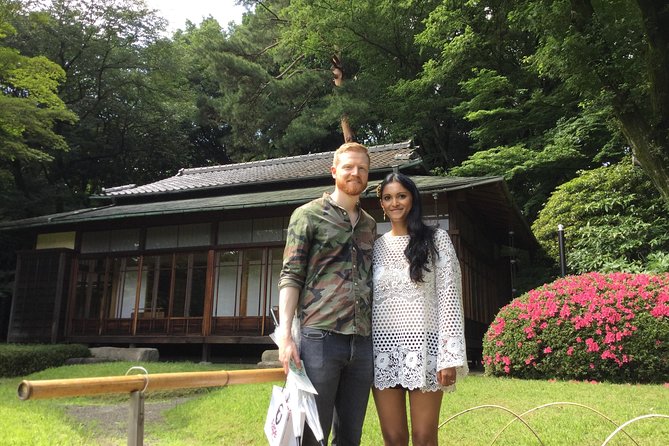
The tour pickup is on foot, not by private vehicle. You meet the guide within a designated area, then you walk and use public transportation as needed (transportation costs are not included).
Here is how to make the walking part work for you:
- Wear shoes that can handle long city walking and garden paths.
- Bring a refillable water bottle. (Lunch is not included.)
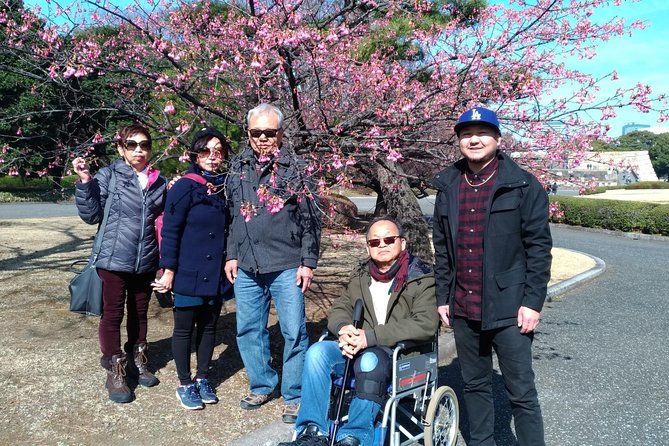
- If you are visiting during cherry blossom or fall leaf season, expect crowds near popular landmarks and plan to keep moving calmly.
Same corner of Japan, a different kind of day:
- Tokyo: teamLab Planets TOKYO Digital Art Museum Entry Ticket
★ 4.6 · 9,779 reviews - Mt Fuji & Hakone Cruise, Drum Show Bullet Train 1 Day from Tokyo
★ 4.0 · 7,413 reviews - Tokyo: Sumo Show Experience with Chicken Hot Pot and a Photo
★ 4.8 · 6,678 reviews - Tokyo: Shinjuku Food Tour (13 Dishes at 4 Local Eateries)
★ 5.0 · 6,603 reviews
Garden menu walk-through: what each stop feels like
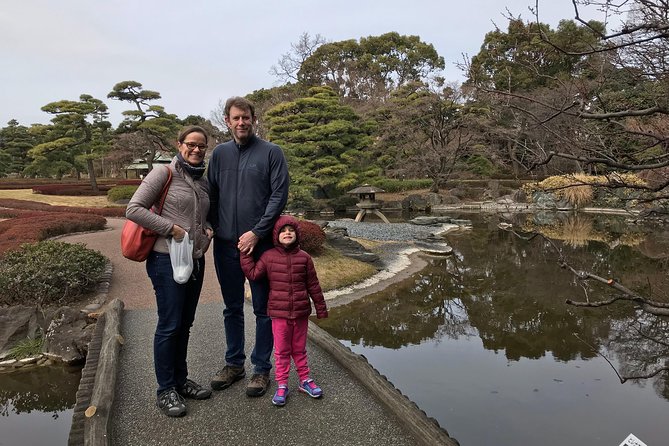
You can choose which sites to include. Below is a practical sense of what you get if each stop lands in your plan, and what to watch for.
Stop 1: Imperial Palace area (East side), views without entering
You start near the Imperial Palace grounds. The tour explicitly notes no access to the inside of the Imperial Palace. What you do get is the sense of place: the current palace sits on the former site of Edo Castle, with the massive stone walls and moats that define the area’s scale.
Why it is worth it: even outside access gives you a grounding point for Japanese urban history, so later gardens feel less random and more intentional.
Watch for: since entry inside is not part of the tour, this stop is more about exterior atmosphere and orientation than inside touring.
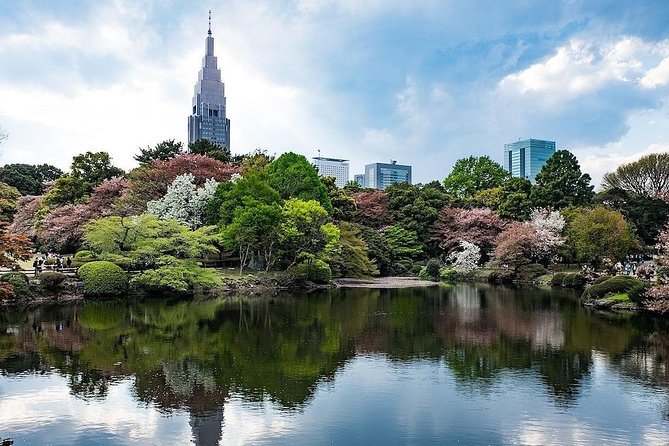
Stop 2: Shinjuku Gyoen National Garden (timed intro style)
Shinjuku Gyoen is a major green space, and this stop is listed as admission not included. The tour frames it as a way to cover Tokyo efficiently.
Why it is worth it: if you want variety in one day, Shinjuku Gyoen is a big draw.
Watch for: because admission is not included, your total day cost may rise depending on your timing and ticket needs.
Stop 3: Meiji Jingu Shrine, a forest shrine near Harajuku
Meiji Jingu Shrine is dedicated to the deified spirits of Emperor Meiji and his consort, Empress Shoken. It is described as located beside the JR Yamanote Line near busy Harajuku, which makes the contrast part of the fun.
Why it is worth it: you get a sudden shift from city noise to shrine calm, the kind of transition that makes garden stops feel even more “real.”
Watch for: it is near a major train line, so you can expect crowds around peak hours.
Stop 4: Koishikawa Korakuen, Edo-era design in one garden
Koishikawa Korakuen is described as one of Tokyo’s oldest and best gardens, built in the early Edo Period. This is a classic pick if you want a traditional garden you can interpret with a guide.
Why it is worth it: the design tradition is strong here, and it pairs well with the tour theme of spirit-like meaning shown through rocks and plantings.
Watch for: admission is not included, so budget for it if it is in your selected set.
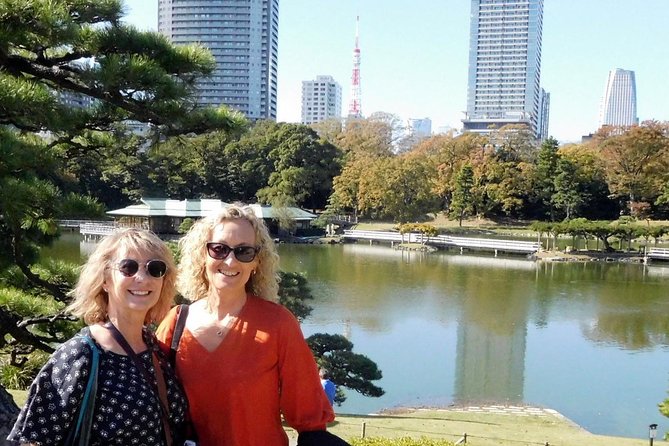
Stop 5: Hama Rikyu Gardens, Tokyo Bay tides and a teahouse vibe
Hama Rikyu is right by Tokyo Bay and is known for seawater ponds that change level with the tides and a teahouse feature.
Why it is worth it: the tidal pond adds motion to the scene, so even a short visit can feel different depending on timing.
Watch for: admission is not included, and the garden can feel more “open” than some enclosed garden spaces, so you will want to slow down and let the guide point out details.
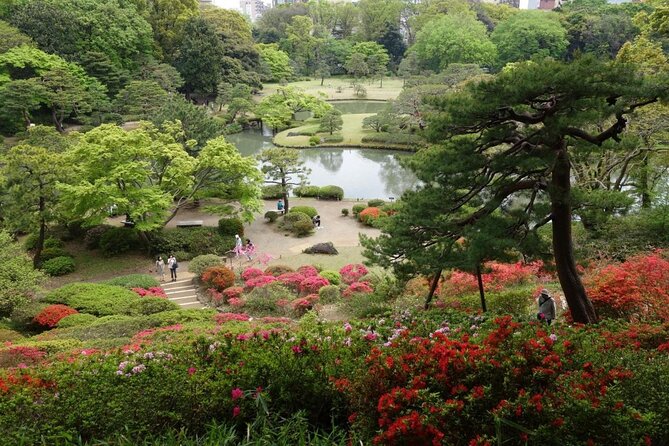
Stop 6: Rikugien, poems in a garden
Rikugien is often described as one of Tokyo’s most beautiful garden experiences besides Koishikawa Korakuen. It is tied to the idea of poems and scenic composition, built around 1700 for a Tokugawa shogun.
Why it is worth it: it fits perfectly with a guide-led tour because garden viewing here is about reading the scene, not just walking through it.
Watch for: admission is not included.
Stop 7 and Stop 8: Yoyogi Park in two modes
The tour includes Yoyogi Park, twice, with two descriptions that feel like two different moods: one as a large city park with lawns, ponds, and forested areas for jogging and picnics, and another as a spacious Western-style park with wide lawns, trees, and ponds.
Why it is worth it: if your day includes multiple gardens, Yoyogi Park helps you reset.
Watch for: it is listed as free, but it can still be crowded on warm days or during seasonal peaks.
Stop 9: Ueno Park, museums, a shrine, and pond energy
Ueno Park is packed with attractions: museums, a zoo, a Toshogu Shrine, and Shinobazu Pond. It is also described as one of Tokyo’s notorious cherry blossom party spots.
Why it is worth it: the park gives you cultural density, so it feels like you are experiencing Tokyo’s “public life,” not only quiet gardens.
Watch for: if you are there in cherry blossom season, crowds can change the feel fast.
Stop 10: Koishikawa Botanical Garden, nature with a small Japanese garden
This is run by the University of Tokyo and is described as a spacious botanical garden with many tree and plant species, plus a small Japanese landscape garden.
Why it is worth it: it supports the tour’s rock-and-plant theme in a hands-on way, since botanical details are part of the story.
Watch for: admission is not included.
Stop 11: Koishikawa Korakuen again, longer time for “miniature scenes”
The tour lists a return to Koishikawa Korakuen with a longer time slot. Here it is described as representing famous Japanese and Chinese sceneries in miniature and enjoyable in all seasons.
Why it is worth it: if you pick Korakuen, more time helps. Miniature scenic composition is exactly the sort of thing a guide can interpret for you.
Watch for: still admission not included, and longer time means you might need to trade off another garden if your time is tight.
Stop 12: Former Shiba Rikyu Gardens, an oasis between buildings
Kyu Shiba Rikyu Garden is described as a traditional landscape garden with a pond and man-made hills, once part of the residence of feudal lords and later an imperial villa.
Why it is worth it: this is the stop that feels like a pause button. You feel the separation from tall buildings around it.
Watch for: admission is not included.
Stop 13: Kiyosumi Teien, pond walks over stepping stones
Kiyosumi Teien is described as having walking trails around a central pond, with parts of the trail leading over stones placed into the pond.
Why it is worth it: it gives you a more active way to experience the garden, not just a passive stroll.
Watch for: admission is not included.
Stop 14: Nezu Museum garden, an urban oasis in Omotesando
The Nezu Museum is described as a true urban oasis, formerly the private residence of Nezu Kaichiro. The garden is highlighted as a standout, and Omotesando is called a stylish hub.
Why it is worth it: it is a change of texture from the larger public parks.
Watch for: admission is not included.
Stop 15: Happo-en, “eight views” for photos and seasonal angles
Happo-en is described as The Garden of Eight Views, appealing in all seasons. It is also framed as a spacious backdrop for photos.
Why it is worth it: if you want variety and angles, Happo-en is a safe choice.
Watch for: admission is not included.
Stop 16: Tokyo National Museum garden, limited seasonal access
The tour notes that the garden of the Tokyo National Museum opens for a few weeks during hanami in spring and during koyo in November.
Why it is worth it: access is seasonal, so timing can make it special. A guide-led visit can help you understand what you are seeing during the opening period.
Watch for: since it is not consistently open, it may not work depending on your dates.
Stop 17: Mejiro Garden, a small free oasis near Ikebukuro
Mejiro Garden is described as small, peaceful, traditional, and very near Ikebukuro Station, with free admission.
Why it is worth it: this is the stop that can feel like a secret even though it is near a train station.
Watch for: it is small, so it might not be the best choice if you want a long, elaborate garden day.
The dry garden theme: how rocks and plants tell a story
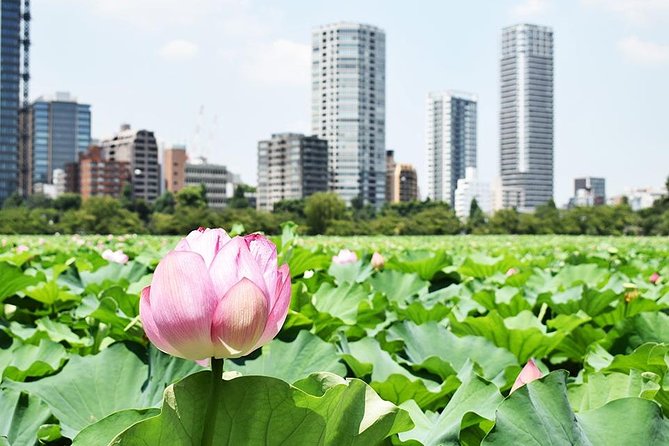
The tour specifically promises traditional Japanese spirits represented as rocks and plants. That is not just poetic language. In practice, you should look for how the guide points out:
- How rocks create structure and implied depth.
- How plant placement supports mood and seasonality.
- How the arrangement encourages quiet attention, even in a city.
If you tend to rush through scenery, ask your guide to slow you down on one key view. You will usually get the most value when you take one scene and learn its design logic, then apply that logic to the next garden you visit.
Season tips that make gardens feel different
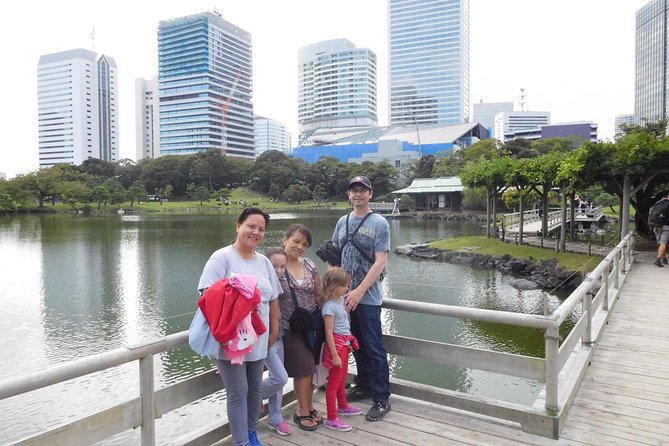
Even within one city, gardens change with season. The tour’s garden choices already hint at timing, like:
- Tokyo National Museum garden during hanami and koyo.
- Botanical garden appeal during cherry blossom season.
- Koishikawa Korakuen being enjoyable all seasons.
A guide note from a previous group adds something practical: one guide specifically mentioned that May can be a great month for fresh green, and also noted that rain can change how stones look in Kiyosumi Teien, plus koi and pond sounds can add atmosphere at Happo-en. You cannot plan on weather, but you can plan your mindset. A rainy day often means fewer people and different textures.
What to ask your guide so you actually remember it
Bring curiosity. Here are good questions that fit this tour theme:
- How does the garden designer use rocks to create spirit or meaning?
- Which view is meant to be seen from a particular path or angle?
- What design clues tell you a garden is built to represent famous scenes?
- How does a tide-driven pond like Hama Rikyu change the experience?
If you are the type who likes conversation, you will get mileage here. Multiple past groups highlighted how guides used fluent English conversation, not just scripted narration.
Who this tour is for (and who should skip it)
This tour is a great match if you:
- Want Japanese garden design explained, not only photographed.
- Like a private pace and a guide who can interpret what you see.
- Enjoy mixing famous landmarks like Meiji Jingu and Ueno with calmer garden spaces.
You might skip or adjust expectations if you:
- Expect entrance fees and transport to be included. They are not.
- Want the Imperial Palace interior. This tour does not include inside access.
- Are hoping for a vehicle-based tour. Pickup is on foot, and it is a walking format.
Should you book the Tokyo Garden Lovers Private Tour?
If your goal is to experience Tokyo gardens with context, I think this is an easy yes. The strongest reasons are the government-licensed guide with strong English support and the focus on how rocks, plants, and layout communicate mood. At $154.84 per person, you are paying less for transportation and more for meaning, and that usually pays off on a first or early Tokyo trip.
My one caution is budgeting: entrance fees, transportation, and lunch are not included, and your chosen 3 to 4 sites can move your final total. If you plan around that, bring good walking shoes, and let the guide slow you down on key views, this tour can turn gardens into something you understand, not just something you pass through.
FAQ
Is the Imperial Palace included inside access?
No. The tour states it does not include access to the inside of the Imperial Palace, and Stop 1 is focused on the area outside.
How long is the tour?
The duration is listed as about 6 hours.
How much does the tour cost?
The price is listed as $154.84 per person.
Is this a private tour?
Yes. The tour is private, and only your group will participate.
What does the guide include?
You get a licensed local English-speaking guide. The tour also supports a customizable walking plan where you choose 3 to 4 sites from the available garden options.
Are entrance fees included?
No. Entrance fees are not included. Some stops are listed as free in the tour outline, but you should still expect other admissions depending on which sites you choose.
Is pickup provided?
Yes, pickup is offered, but it is described as pickup on foot, not by a private vehicle.
Do I need to buy transportation separately?
Yes. Transportation fees are listed as not included.
Is a mobile ticket used?
Yes. The tour features mobile ticket.
Is free cancellation available?
Yes. Free cancellation is available up to 24 hours in advance for a full refund.
Are service animals allowed?
Yes, service animals are allowed.
Fresh options around Tokyo
- Tokyo: Nikko Kegon Falls Lake Chuzenji Toshogu Temple & More★ 4.9 · 12 reviews
- Tokyo: Samurai History Walking Tour★ 5.0 · 12 reviews
- Harajuku: Kawaii Fashion and Pop-Culture Tour★ 4.7 · 12 reviews
- Tokyo: Mt. Fuji & Lake Kawaguchi Instagram Full Day Trip★ 4.1 · 12 reviews
- Shibuya Tokyo: Modern Kintsugi Workshop in Shibuya★ 5.0 · 12 reviews
- Tokyo: GTR Guided Daikoku Experience at Night★ 5.0 · 12 reviews
- Tokyo: Daikoku JDM Car Culture Tour★ 4.6 · 12 reviews
- Mt Fuji Private Day Trip from Tokyo with English speaking driver★ 5.0 · 13 reviews
Guided, compared.
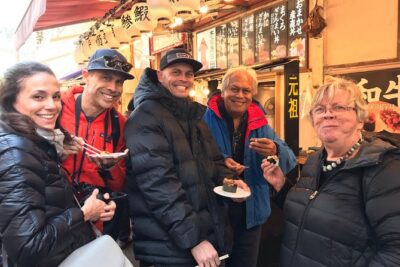
Tokyo 6hr Private Tour with Government-Licensed Guide
Read our review →
Shinjuku Local Bar and Izakaya Guided Walking Tour
Read our review →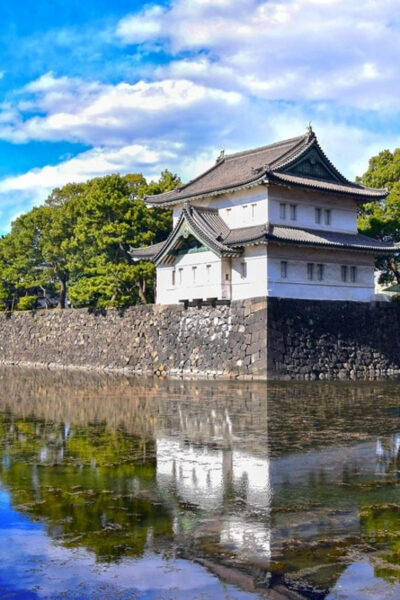
Private City Highlights Tour with Local Guide
Read our review →
Kyoto Early Morning Tour with English-Speaking Guide
Read our review →
Tokyo 4hr Private Tour with Government-Licensed Guide
Read our review →
Kyoto 6hr Private Tour with Government-Licensed Guide
Read our review →