
Reviewed · SUMO EXPERIENCES
Tokyo: Grand Sumo May Tournament
Sumo turns tradition into something you can actually follow. This Grand Sumo May Tournament day in Ryogoku mixes a neighborhood walk, guided arena viewing, and real-time explanations during the bouts.
I like the way the tour turns a ticket into context, with your guide walking you through what you are seeing and handing you a tournament info package as you go.
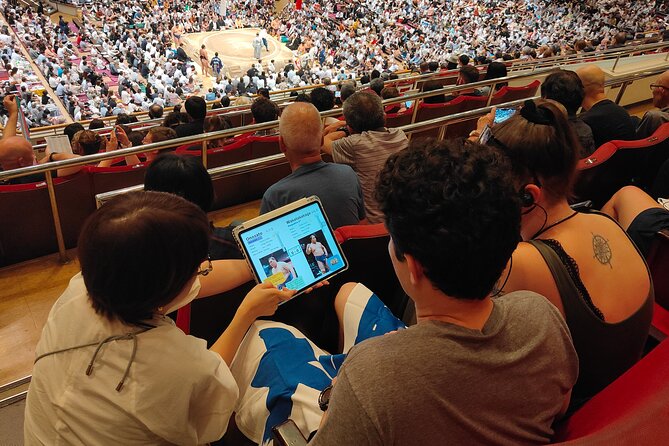
I love the English sumo expert guide and how you get true personalized attention in a group that caps at 35. Even inside the arena, you are not stuck guessing, because commentary is delivered through personal earphones.
The main downside is value perception. You are paying a premium for guidance and included extras, and if you prefer a more hands-off experience, you may decide to buy an arena ticket on your own instead.
Key points before you go
- Ryogoku walking history sets you up so the ceremonies and match flow make sense at Kokugikan
- Real-time earphone commentary helps you follow the bouts without getting lost in the pageantry
- Arena highlights included like the sumo museum and major championship displays
- Chanko-nabe option finishes the day with the hearty hot-pot style wrestlers eat
- Seat comfort choices include a chair option on the balcony (chair B or C)
Ryogoku walking tour: how the neighborhood teaches you the ring
Your day starts in Ryogoku, Tokyo’s classic sumo hub. The focus is on small details that make the arena feel less mysterious once you arrive. You will spend about two hours walking around the area while your guide explains the sport’s background, the local sumo culture, and the history behind what you see later in the ring.
This is where you build the “mental cheat sheet” that many people miss. In the walk, you can expect to pass sumo-linked spots and landmarks, including things like sumo shrine visits and even sumo stable related stops outside the compound. One of the better parts of this approach is that you are not just learning facts, you are learning how to look for meaning, like why certain rituals matter and why the neighborhood has this strong sumo identity.
It is also a smart way to avoid the common first-timer problem: arriving at Kokugikan, trying to absorb everything at once, and realizing you do not know where to start. By the time you head to the arena, you already have a storyline in your head.
One practical consideration: this is a walking portion. The good news is the pacing is built for a cultural intro, but you still want comfortable shoes.
More sumo experiences in Tokyo:
- Tokyo: Sumo Show Experience with Chicken Hot Pot and a Photo
★ 4.8 · 6,678 reviews - Tokyo: Sumo Show and Dining Experience
★ 4.8 · 2,742 reviews - the SUMO show
★ 5.0 · 1,960 reviews
Ryogoku Kokugikan: arena viewing with museum-style stops and commentary
Next comes the main event at Ryogoku Kokugikan, where you will stay for about three hours of tournament viewing. This is not a simple “sit down and watch” situation. Before the bouts really settle in, you are walked through key areas inside the arena so you understand what you are looking at.
A standout here is the included look at arena murals and the championship prizes display. You also get a short stop at the sumo museum for around 15 minutes. The guide also points out things like artwork or photo displays of prominent wrestlers, including past Yokozuna imagery. Even if you are not a museum person, these stops help you read the building like a living record of the sport.
Then the tour shifts to the bouts themselves. This is where the earphones do real work. Your guide provides live commentary during the matches, so you can follow what is happening without relying on guessing from the crowd noise and timing. The format matters: if you are traveling with others, the tour includes headsets for each person in groups of 3 or more, so the sound setup is not awkward or uneven.
Seating and what to expect
Your seat situation depends on the option you choose. There is a chair option that uses seats on the balcony, and the tour notes you will be seated in chair B or C. If you do not choose chair seating and you stay on the first floor, you may need to sit on a flat floor rather than using a chair. In plain terms: chair seating is the easiest path to comfort for a long bout session.
If you are deciding based on view quality, aim for seats that give you a clear line to the ring and space to watch the pre-match rituals.
Live rituals, match flow, and the guide’s job during the bouts
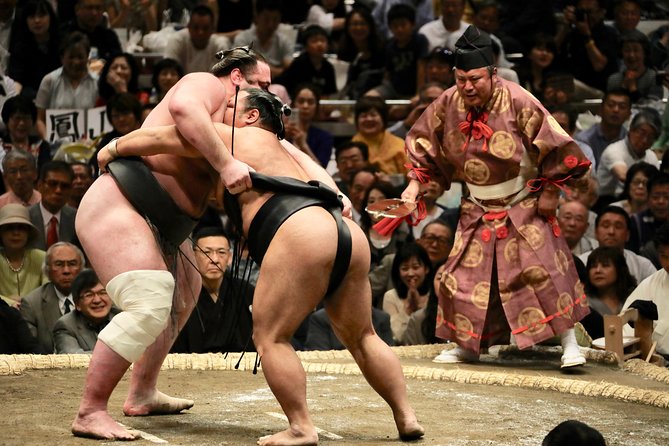
Grand sumo is not just athletic competition, it is a whole ceremony system. The tour explicitly sets you up to catch that. You will experience bouts that include the top division competitors, and the day also features the gorgeous ring entering ceremonies that come before bouts.
What makes this experience better than watching alone is how your guide connects the dots in real time. You get an information package with tournament basics, current ranking info, and profiles of prominent wrestlers. That matters because sumo uses rank and tradition in ways that are easy to miss if you only focus on the final clash.
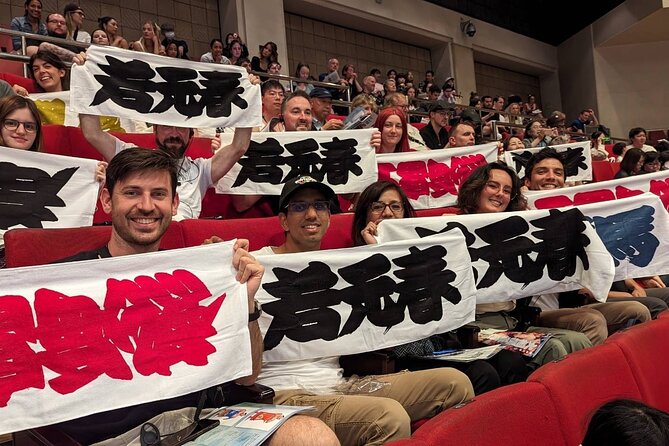
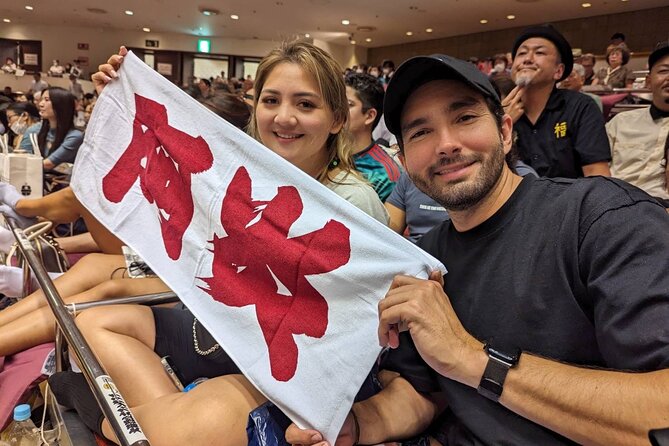
You also receive cheer-up goods so you can root for a particular wrestler. It sounds small, but it helps you shift from passive watching to active following. And when you are paying attention to the right names, the bouts feel less random.
A useful thing to know, based on the range of guest experiences: guide style can vary. Some guides are very chatty and energetic, and others are quieter. If you want lots of back-and-forth, I would plan to ask your guide questions during the walking portion and during natural breaks between bouts.
A few more Tokyo days worth comparing
- Mt Fuji and Hakone 1-Day Bus Tour Return by Bullet Train
★ 5.0 · 26,383 reviews - 1-Day Tokyo Bus Tour
★ 5.0 · 14,250 reviews - Tokyo: TOKYO SKYTREE® Admission ticket
★ 4.5 · 11,192 reviews - Tokyo: teamLab Planets TOKYO Digital Art Museum Entry Ticket
★ 4.6 · 9,779 reviews
Chanko-nabe dinner: wrestler fuel and what you should watch for
The optional dinner comes after the arena viewing, and the timing is set so you are not rushing right after the last bout. The tour offers chanko-nabe, the hot-pot dish favored by sumo wrestlers. You are taken to a restaurant near the arena, and the meal is designed to be filling and straightforward, the kind of food that fits a big day of walking and watching.
This is included as an optional add-on, not a mandatory stop. If you choose it, you will generally be eating with the group right after the matches, which can be a nice way to keep the day’s momentum going.
One caution: chanko-nabe recipes can include fish components. One guest specifically warned that there can be a lot of fish mixed into the hotpot, so if you do not eat fish, check your comfort level before you order.
Also, drinks for dinner are not included, so you will want to budget a bit extra if you plan to have tea, soda, or beer with your meal.
Price and logistics: what the $198.20 is really paying for
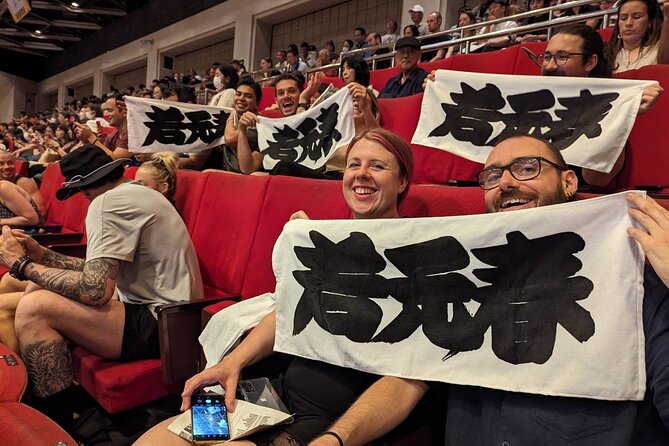
At $198.20 per person, this is not a budget ticket. The best way to judge the value is to break down what you get beyond the arena entry.
You are buying:
- An English guide with sumo expertise
- A structured two-hour Ryogoku history walk
- An arena portion that includes built-in stops like the sumo museum and major displays
- Live commentary delivered through personal earphones during the bouts
- An information package with tournament details and wrestler profiles
- Cheer-up goods
- Optional chanko-nabe dinner near the arena
If you are the type of traveler who wants your first sumo day to feel readable and rewarding, this structure is worth it. The earphones are the big difference-maker. Sumo can look like a blur until you understand what is going on, and a guide’s real-time explanations prevent you from feeling left out.
That said, there is a realistic tradeoff. If you already know the basics and you just want to sit in the stands and soak up the atmosphere, you may prefer the cheaper route of buying your own arena ticket. One theme that matters from the range of guest feedback is that the tour’s impact depends on guide engagement. If you are paying for commentary, you want that part to land for you.
Logistics are also on your shoulders in a small way. There is no hotel pickup or drop-off. You need to get yourself to the meeting point in Ryogoku, which is convenient because it is near public transportation.
Comfort choices: chair seating on the balcony versus first-floor flat seating
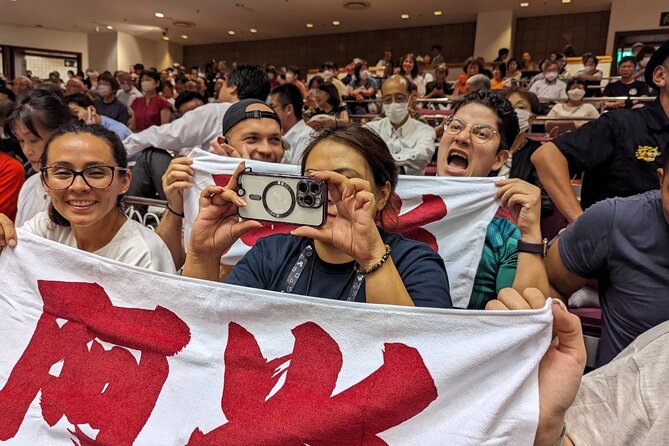
A surprisingly practical part of this tour is the seat option. The tour offers a chair option where you sit on the balcony. It also explains that if you are seated on the first floor, you may sit on a flat floor instead of having a chair, which can matter a lot when bouts stretch and you are watching for the full session.
The chair option also includes a note about where you will sit, specifically chair B or C. If you want the simplest comfort plan, picking the chair option is a clean move.
If you have mobility concerns, prefer not to kneel or sit directly on the floor, or you just want to focus on the ring instead of your legs, this is worth considering early. You will still be watching a lot, and sumo days often run long enough that comfort turns into a better experience.
Who this Ryogoku sumo tour suits best
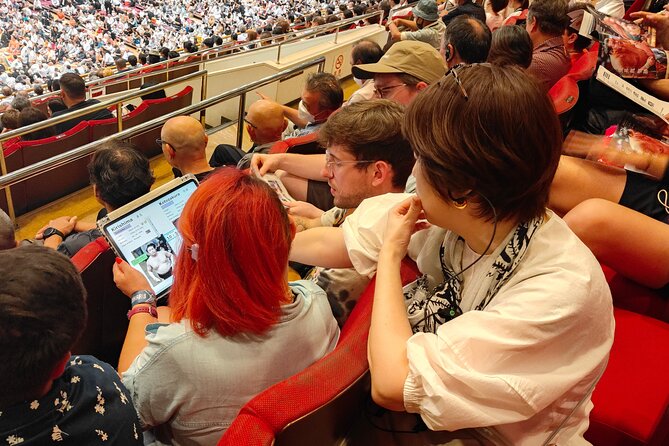
This is a strong fit if you:
- Want more than a match, meaning you care about rituals, culture, and context
- Are a sports fan who likes understanding rules and structure, not just the action
- Prefer an English guide to translate the tournament world into something you can follow
- Enjoy small, meaningful extras like getting tournament info and cheer goods
It is also a good option if you plan your day around the arena, because the schedule is built so you get history first and then viewing. The pacing helps your brain settle into what sumo means once you are inside Kokugikan.
It may be less ideal if:
- You are very self-sufficient and comfortable learning on your own
- You expect constant high-energy narration and you dislike quiet guides
- You are trying to keep the day very close to a tight budget
And it generally works for most people, since the tour notes that most travelers can participate.
Should you book this Grand Sumo May Tournament experience?
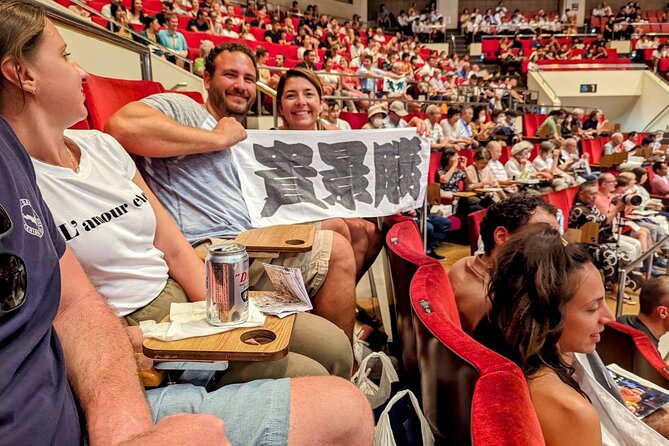
If this is your first time at a Grand Sumo tournament, I would lean yes. The tour is designed to solve the key problem first-timers face, not knowing what you are looking at. The earphone commentary, the arena walkthrough (including the sumo museum), and the Ryogoku history setup are exactly the kind of scaffolding that turns a great sport into a memorable cultural experience.
If you already know sumo well and you want the pure arena experience only, consider buying a ticket without the guide. The price makes more sense when you will use the guide’s explanations, not when you are just there for seats and atmosphere.
My practical rule: if you want your day to feel understandable and guided, book it. If you want minimal structure and you are comfortable doing the learning yourself, you can go simpler.
FAQ
How long is the Grand Sumo May Tournament tour in Ryogoku?
It runs about 6 hours total, with roughly two hours for the Ryogoku history portion and about three hours for arena viewing.
Is this a private tour?
The experience is described as a private tour with personalized attention. The group size is capped at a maximum of 35 travelers.
What language is the guide?
Guiding is provided in English by a sumo expert guide.
Will I be able to hear the guide during the bouts?
Yes. The tour uses personal earphones, and for groups of 3 or more, headsets are provided for each person so you can hear clearly even from distance.
Is the arena ticket included?
Yes. Admission for viewing bouts at Ryogoku Kokugikan is included, while the first history portion is marked as free.
Is the chanko-nabe dinner included?
Chanko-nabe is an optional add-on. If you choose it, the dinner is included, but drinks are not included and must be ordered separately.
What does the tour include inside Ryogoku Kokugikan?
You will be shown parts of the arena including murals (10m), championship prizes, the sumo museum (about 15 minutes), and displays such as photos or paintings of successive Yokozuna.
Are there chair seats or only traditional floor seating?
There is a chair option that places you on the balcony. The tour notes you will be seated in chair B or C. If you stay on the first floor without the chair option, you would sit on a flat floor instead.
Where do we meet the guide?
You meet your guide in Ryogoku at a convenient place near public transportation, as stated in the booking information.
Can I cancel for a full refund?
Yes. There is free cancellation up to 24 hours in advance for a full refund. If you cancel less than 24 hours before the experience start time, the amount paid is not refunded.
Fresh options around Tokyo
- Tokyo: Nikko Kegon Falls Lake Chuzenji Toshogu Temple & More★ 4.9 · 12 reviews
- Tokyo: Samurai History Walking Tour★ 5.0 · 12 reviews
- Harajuku: Kawaii Fashion and Pop-Culture Tour★ 4.7 · 12 reviews
- Tokyo: Mt. Fuji & Lake Kawaguchi Instagram Full Day Trip★ 4.1 · 12 reviews
- Shibuya Tokyo: Modern Kintsugi Workshop in Shibuya★ 5.0 · 12 reviews
- Tokyo: GTR Guided Daikoku Experience at Night★ 5.0 · 12 reviews
- Tokyo: Daikoku JDM Car Culture Tour★ 4.6 · 12 reviews
- Mt Fuji Private Day Trip from Tokyo with English speaking driver★ 5.0 · 13 reviews
Sumo Experiences, compared.
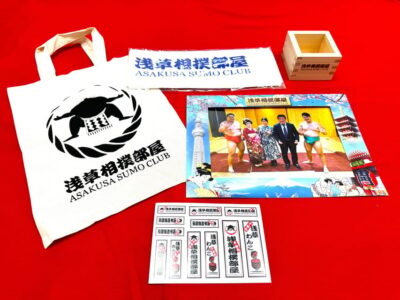
Sumo Show Experience with Chicken Hot Pot and a Photo
Read our review →
Tokyo Shinjuku Sumo Show & Experience with Photo
Read our review →
Sumo Show & Experience w/ Optional Kimono & Hot Pot
Read our review →
Authentic Sumo Experience in Tokyo: Enter the Sanctuary
Read our review →Browse the lists this tour appears in