
Reviewed · SUMO EXPERIENCES
Sumo Practice Viewing Guided Tour and Photo with Sumo Wrestlers
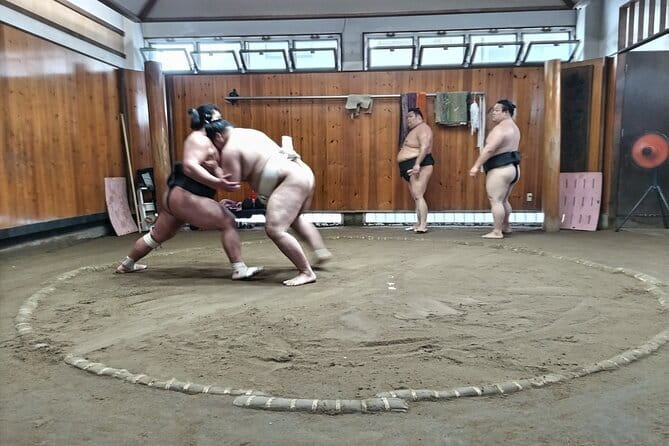
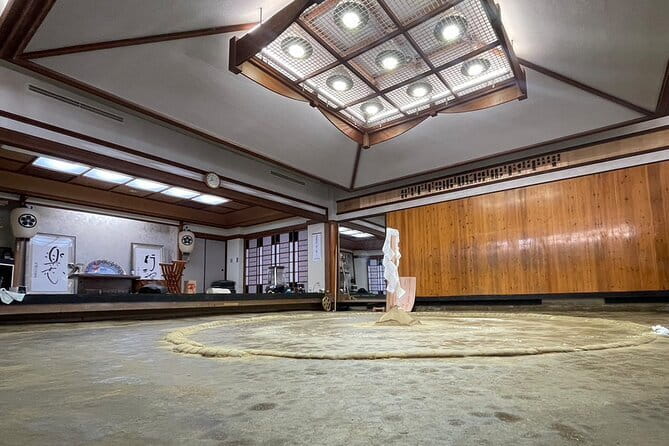
Sumo training feels like a temple ritual, not a show. At Tatsunami-beya, you watch morning practice in the training hall, then you get a commemorative photo with the wrestlers. I love the behind-the-scenes access to a place that sumo wrestlers treat as sacred, and I also like how the licensed English guide and audio guide help you understand what you are seeing without distracting the practice. One thing to consider: the viewing is very strict and very quiet, so if you want lots of lively chatter or constant interaction, this may feel more like a focused lesson than a chatty tour.
A key detail that shapes the whole experience: talking is prohibited during practice, so the commentary has to be handled through the provided audio guide. That rule protects the wrestlers’ routine, but it also means you will do most of your learning through listening, not conversation. Another plus, based on what people consistently praise, is that the explanations are genuinely helpful, and you come away with clearer context, not just photos.
Key Takeaways Before You Go
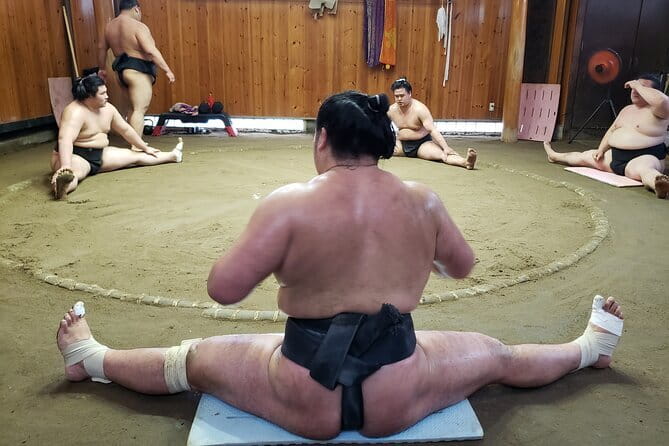
Behind-the-scenes at Tatsunami-beya: Training hall access in Tokyo, with strong etiquette rules.
Talking-free practice viewing with audio: You stay silent while audio helps you follow what is happening.
Licensed English guide interpreter: Basic orientation plus live interpretation before practice.
Photo time after training: You get a commemorative photo with sumo wrestlers once practice ends.
Real constraints, so pack smart: No hats or sunglasses inside, shoes off, no food, no flash.
Yokozuna not guaranteed: The highest-rank wrestler may not appear on every session.
Why Tatsunami-beya Training Hall Matters in Tokyo
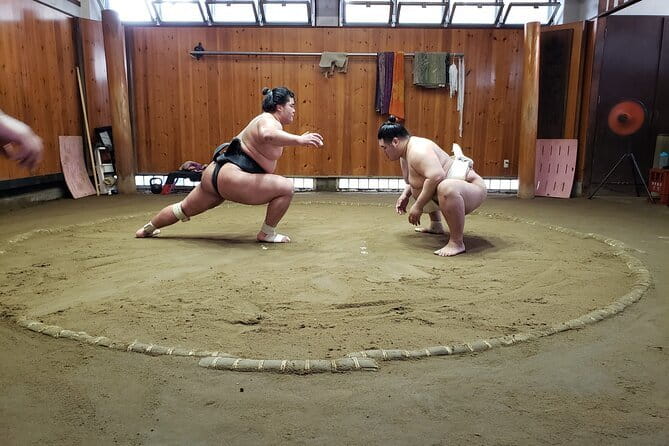
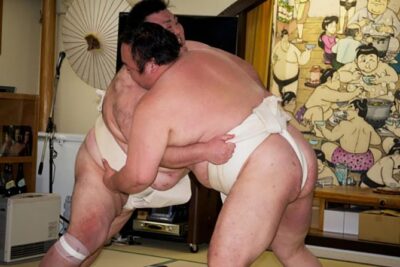
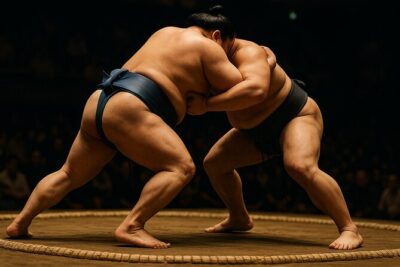
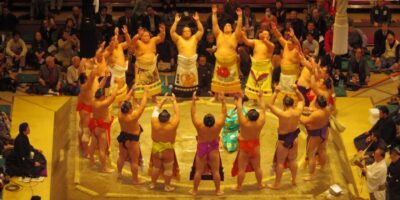
If you picture sumo as big arenas and dramatic entrances, a morning stable practice will reset your mental image fast. In the training hall, the focus is on repetition, discipline, and craft. You are watching the everyday work that professional sumo requires long before a tournament crowd starts chanting.
What makes Tatsunami-beya compelling is that it is an active stable in Tokyo. Even when the highest-rank wrestler does not show up, you still get the real rhythm of stable life, where practice is the center of gravity. And because it is a sacred space, the experience comes with rules that are not there to make things annoying. They are there to keep the wrestlers safe and undistracted.
I especially like that this tour is built around understanding, not just staring. The guide provides basic context first, then the audio guide carries you through the practice itself. That setup matters because sumo training can look repetitive if you do not know what you are watching.
The vibe is also different from many sightseeing tours. You are seated on floor cushions on tatami, you stay put, you listen, and you let the moment unfold. It is not “performative,” and that is the point.
More sumo experiences in Tokyo:
- Tokyo: Sumo Show Experience with Chicken Hot Pot and a Photo
★ 4.8 · 6,678 reviews - Tokyo: Sumo Show and Dining Experience
★ 4.8 · 2,742 reviews - the SUMO show
★ 5.0 · 1,960 reviews
Morning Logistics: Finding Tatsunami-beya at 8:30 AM
This tour starts in the morning, with a start time of 8:30 am. Expect a disciplined schedule, and plan to arrive early enough to get through the entry routine. The meeting point is at 1-chōme-16-5 Hashiba, Taito City, Tokyo 111-0023.
Getting there is doable even if you are staying around Asakusa. The entrance is about a 30-minute walk from Asakusa Station, and you can also reach it by bus options mentioned for the area, including a Toei Bus route (East 42-Ko) and a Taito Ward loop bus. The key practical move: treat transit time as a real factor. An early stable visit leaves less margin for delays.
One more small but important thing: the group size is capped at 45 travelers. That usually means you will not feel lost in a crowd, and it helps the staff manage the strict no-moving-around rules during practice.
The Rules That Keep the Tour Respectful (And Pleasant)
The tour runs in a serious setting, so etiquette is not optional. You should mentally prepare for quiet, careful behavior. While that sounds strict, it also helps you feel like you are stepping into a real world, not just walking through a tourist set.
Here are the rules that matter most for your comfort:
- No talking or whispering during practice. You are expected to stay silent, even if you are excited.
- Do not stand up or move around while watching.
- No stepping on the ring or touching wrestlers unless permission is given.
- Shoes off inside. Keep your shoes neatly in place.
- No flash photography, and you should keep your mobile phone on silent or off.
- No eating and drinking inside the stable.
- Remove sunglasses and hats indoors.
- Be mindful of scent. Excessive perfume and strong fabric softener scents are prohibited.
There is also a posture etiquette detail that surprised me the first time I heard about it in Japan: when seated, avoid stretching your legs toward the ring, since showing the soles of your feet to the wrestlers is considered impolite.
If you have difficulty sitting on the floor, the tour provides chairs on request. I would ask in advance through the remarks, because the seating routine is part of how they manage the space.
Also note the practical constraint: strollers and large baggage such as suitcases cannot be brought. Travel light here, and you will enjoy the experience more.
How the 1 Hour 20 Minutes to 2 Hours Actually Feel
The total time is listed as about 1 hour 20 minutes to 2 hours. The exact length can shift depending on how many wrestlers are practicing that day, and practice time may run shorter or longer. So plan your day with a little breathing room after the tour.
Even without a long itinerary day, this is not a rushed experience. The structure is simple, and each part supports the next one:
A few more Tokyo days worth comparing
- Mt Fuji and Hakone 1-Day Bus Tour Return by Bullet Train
★ 5.0 · 26,383 reviews - 1-Day Tokyo Bus Tour
★ 5.0 · 14,250 reviews - Tokyo: TOKYO SKYTREE® Admission ticket
★ 4.5 · 11,192 reviews - Tokyo: teamLab Planets TOKYO Digital Art Museum Entry Ticket
★ 4.6 · 9,779 reviews
A brief lecture to set your expectations
Before you watch practice, you get a short orientation with the National Government Licensed English Guide Interpreter. This is not meant to turn sumo into a lecture marathon. It is there to give you the basics so the training does not look like a random set of drills.
This is a big reason the top-rated feedback makes sense. When the narration is clear, you do not just see bodies moving, you start recognizing patterns and purpose.
Practice viewing on tatami, guided by audio
Then comes the main event, about 45 minutes of practice viewing. You sit on the wooden floor with cushion seating on tatami mats. The audio guide provides the English explanation you cannot get through talking.
The quiet part is real. You will mostly watch and listen. If you are someone who enjoys disciplined observation, this works beautifully. If you want a more social, lively experience, the silence can feel like waiting for something to happen. In practice, what happens is the training itself, just in a focused, controlled way.
Photo and a Q&A corner after training
Once practice finishes, you move into the commemorative photo moment. This is your chance to get the special souvenir you came for, and it also includes a viewing area that highlights personal belongings, plus a Q&A corner.
That last bit matters because it is where you can convert what you saw into clearer understanding. If you stayed quiet during practice, this is when you can ask questions in a permitted setting.
The Yokozuna Factor: What You Might See
The stable is home to an active Yokozuna, the highest rank in professional sumo. That sounds like you should treat his appearance as guaranteed, but it is not.
The tour note is clear: the Yokozuna does not appear at every practice session. So if you are coming primarily for one famous person, keep expectations flexible. You will still see training by other wrestlers, and the point of the tour is the stable environment and practice culture, not only a single cameo.
I like how this framing protects your experience. If the Yokozuna is there, it becomes a bonus. If he is not, you are still watching the real daily work that makes sumo what it is.
Price and Value: Is $118.60 Worth It?
At $118.60 per person, this is not a bargain. But it also is not just “pay to stand and watch.” Your money goes toward access to a working stable environment, plus English support in two forms:
- a licensed English guide interpreter
- an audio guide service
- the practice viewing admission ticket included
- the commemorative photo with sumo wrestlers
- JTB Sunrise Tours original merchandise
For Tokyo, where even basic experiences can get pricey fast, this package can feel like good value if you genuinely care about understanding what you are seeing. The strict etiquette rules also suggest you are getting a guided, controlled experience rather than a loosely managed group wander.
Where it may feel expensive is if you want an activity with lots of audience energy. Since talking is prohibited and the practice viewing is seated and still, the experience is quieter by design. If you want loud explanations, constant back-and-forth, and a “tour guide as your entertainment,” you might feel like you paid for silence.
Who This Tour Fits Best

This tour suits you if you:
- want real-world access to a Tokyo sumo stable
- enjoy listening and learning in a respectful setting
- can handle strict rules like no talking and no moving around
- care about photos that feel connected to the experience, not random
It may be less ideal if you:
- need a more interactive guide experience during the practice itself
- get impatient with quiet, observation-based formats
- expect the tour to feel like watching workouts at a gym with constant commentary
One practical note from the kind of feedback this experience tends to generate: audio clarity matters. The tour relies on the audio guide during silent practice, so make sure your device setup works well and that you can hear properly in that environment.
Practical Tips to Make Your Visit Smoother
You will enjoy the tour more if you prepare for the stable reality, not your normal sightseeing rhythm.
- Arrive early and keep your walk time buffers in mind.
- Travel light so you do not have trouble with luggage restrictions.
- Bring nothing you will regret once you see the no-food, no-bag, no-scent rules.
- Wear comfortable, easy-to-remove footwear since you will remove shoes inside.
- Use minimal accessories. Hats and sunglasses come off indoors.
- Set expectations for silence. Audio is your friend here.
Also, plan your morning like a local. Do not cram this right before something physically intense. Sitting, staying still, and listening take a certain kind of patience, and it is worth it once you settle in.
Should You Book This Sumo Practice Viewing and Photo Tour?
Book it if you want a respectful, structured window into sumo training at Tatsunami-beya, especially if you like learning while you watch. The best version of this tour is when you let the quiet rules do their job, you use the guide and audio to interpret the practice, and you enjoy the photo moment as a real capstone after training.
Skip it or consider a different style of sumo experience if you need constant conversation, want a more lively atmosphere during practice, or feel strongly that you must see one specific wrestler for it to be worth your time. The Yokozuna is a bonus, not a guarantee.
If your goal is authentic access, disciplined observation, and a genuinely Japanese morning routine, this tour has a lot going for it.
Fresh options around Tokyo
- Tokyo: Nikko Kegon Falls Lake Chuzenji Toshogu Temple & More★ 4.9 · 12 reviews
- Tokyo: Samurai History Walking Tour★ 5.0 · 12 reviews
- Harajuku: Kawaii Fashion and Pop-Culture Tour★ 4.7 · 12 reviews
- Tokyo: Mt. Fuji & Lake Kawaguchi Instagram Full Day Trip★ 4.1 · 12 reviews
- Shibuya Tokyo: Modern Kintsugi Workshop in Shibuya★ 5.0 · 12 reviews
- Tokyo: GTR Guided Daikoku Experience at Night★ 5.0 · 12 reviews
- Tokyo: Daikoku JDM Car Culture Tour★ 4.6 · 12 reviews
- Mt Fuji Private Day Trip from Tokyo with English speaking driver★ 5.0 · 13 reviews
Sumo Experiences, compared.

Sumo Show Experience with Chicken Hot Pot and a Photo
Read our review →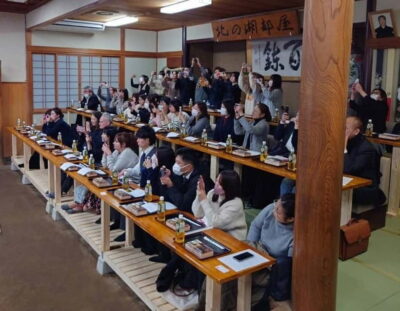
Tokyo Shinjuku Sumo Show & Experience with Photo
Read our review →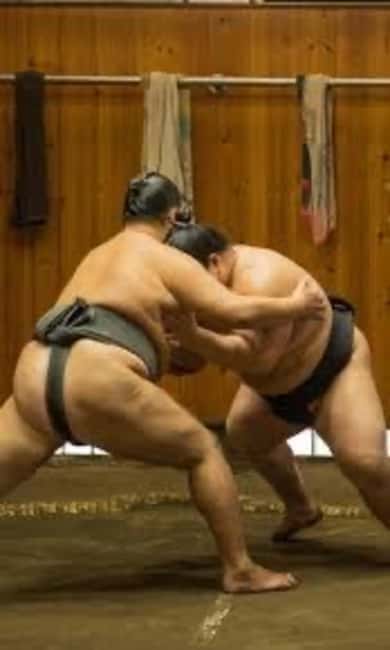
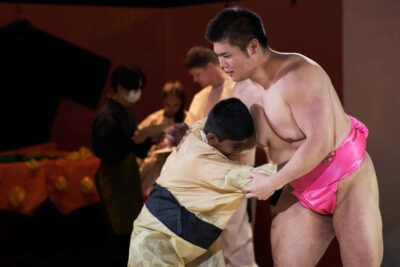
Sumo Show & Experience w/ Optional Kimono & Hot Pot
Read our review →
Authentic Sumo Experience in Tokyo: Enter the Sanctuary
Read our review →Browse the lists this tour appears in