
Reviewed · SAMURAI & NINJA EXPERIENCES
Samurai Training in Tokyo: Swords, Bushido & Mental Discipline
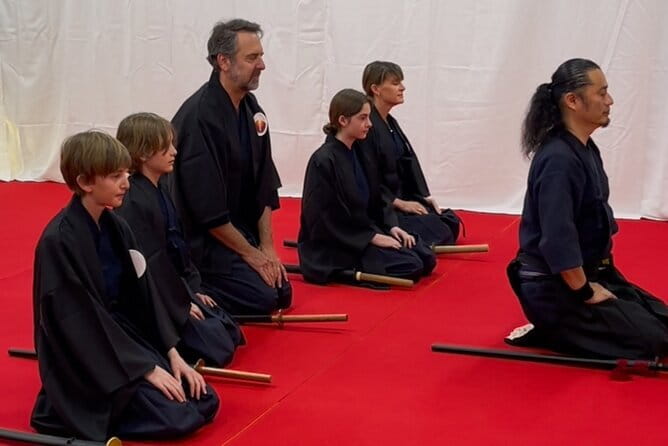
Forget sightseeing, train like a samurai. In Tokyo’s Kojimachi dojo, you’ll move from Bushido etiquette and meditation into hands-on sword drills and kata.
I love that this is a true private setup with time to ask questions, and you get guided step-by-step through posture, breathing, and controlled technique. I also love the tangible souvenirs: a personalized certificate scroll plus a traditional-dress photo, with matcha and snacks during your break.
One consideration: this is still training. Even with a wooden sword, you’ll do physical drills that require you to stand, walk, and work at your instructor’s pace.
Key takeaways before you book
- Kojimachi location with Edo Castle roots, so the setting matches the discipline.
- English-led instruction with beginner-friendly pacing and lots of instructor attention.
- Bushido before blade work, including meditation and breathing exercises to settle your mind.
- Practical drills, wooden sword movements, heavy stick strength work, and silent walking for posture.
- A real combat kata and sparring moment, so you practice more than just poses.
- Matcha break plus a name-on-a-scroll certificate, for memories that feel specific to you.
Why the Kojimachi dojo training feels different
If you’ve ever done Tokyo “samurai stuff” that mostly meant watching from the sidelines, this feels like a reset. Instead of a museum talk, you’re in a dojo environment where etiquette and discipline are treated like part of the curriculum, not decoration.
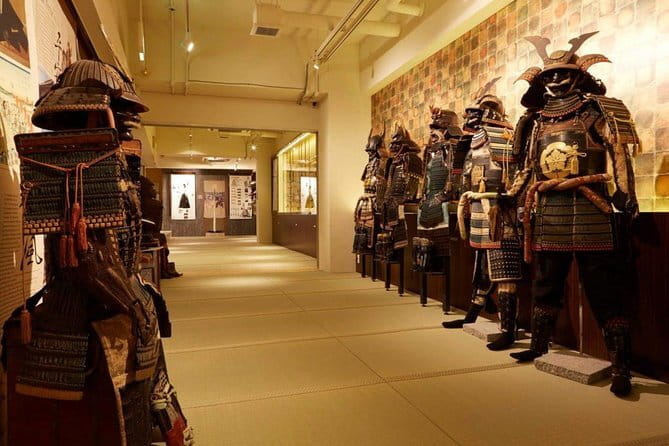
The session takes place in Tokyo’s Kojimachi district, in a dojo tied to the area once part of Edo Castle’s inner grounds. That matters. The tone is serious in a calm way. You’re not just learning facts about samurai. You’re learning how a training space expects you to behave.
The structure is also very logical. You start with etiquette and the spirit of Bushido, then your body gets prepared through breathing and meditation. Only after that do you pick up a wooden sword and move into technique. It’s the kind of sequence that helps your mind and posture work together.
And yes, you still get the fun parts. Matcha green tea, Japanese sweets, and a traditional outfit photo. But they’re sandwiched around the training, not tacked on at the end.
More Samurai & Ninja Experiences in Tokyo
- Tokyo: Samurai Restaurant Show Ticket with 2 Drinks
★ 4.5 · 1,307 reviews - Tokyo: Samurai Ninja Museum Guided tour and Experience
★ 4.6 · 1,010 reviews - Tokyo: Samurai Sword & Archery Class from Samurai Descendant
★ 5.0 · 603 reviews
What makes the experience private, and what you really pay for
The price is $85.66 per person, with an experience time around 2 hours. It’s not a long day trip. You’re paying for concentrated instruction, not for transportation or a multi-stop itinerary.
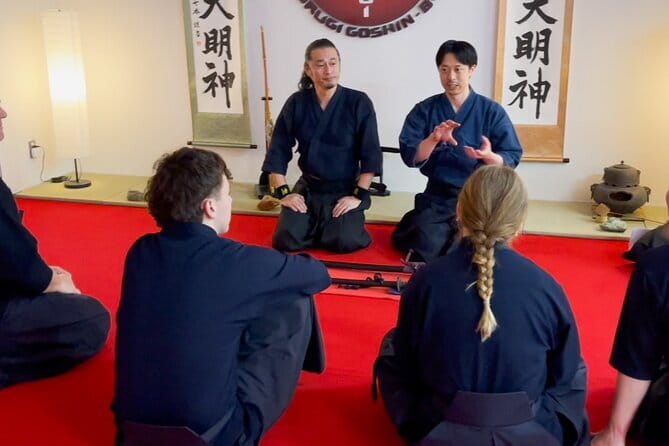
This is a private experience. Your group trains with the instructor, and you can ask questions as you go. That one detail can change everything. In a group class, you can miss small corrections. Here, the instructor can focus on what you’re doing and adjust your posture or timing.
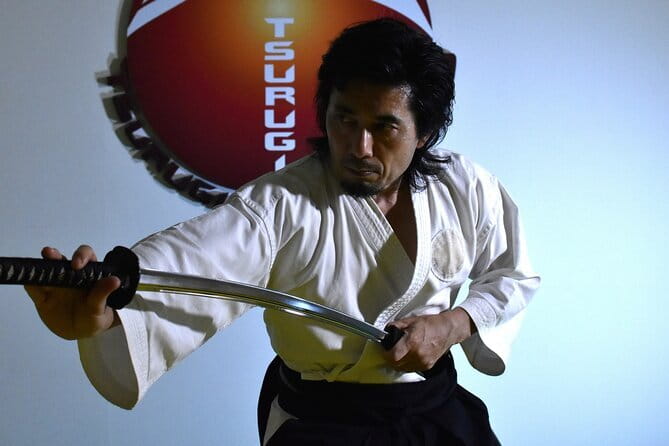
You’ll also get included equipment and extras that many “look but don’t touch” experiences skip. Samurai uniform rental is included. You get a live sword demonstration. You receive a personalized certificate scroll with your name and the techniques you learned. And you get a commemorative photo in traditional dress.
There’s also a minimum of 2 participants. So if you’re traveling solo and hoping for a private-from-the-start booking, it’s worth checking how they handle that requirement before you plan your schedule.
Value-wise, the big question is: do you want hands-on training? If yes, this is the kind of ticket that turns curiosity into muscle memory, plus a souvenir you can keep.
Bushido, etiquette, and meditation before you touch a wooden sword
The session begins with samurai etiquette, then moves into the philosophy behind Bushido. This is not presented as a vague inspirational story. You’re taught how that mindset translates into how you carry yourself in a training space.
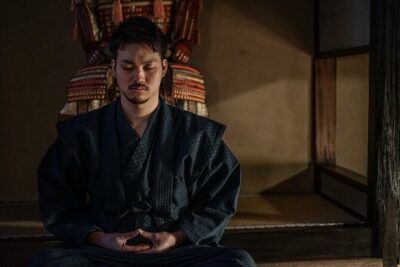
After etiquette, you do breathing techniques and meditation exercises. The goal is pretty practical. You calm your mind and settle your attention so you can focus on technique instead of fidgeting or rushing.
This is one of the most praised parts of the experience. In different parts of the training, instructors emphasize respect, discipline, and the “why” behind the movements. People come for swords, but the tone is what makes it feel authentic.
If you’re a beginner, this setup helps. When your body is tense, sword practice gets messy fast. Breath work and meditation help you arrive ready to learn rather than trying to force it.
Wooden sword drills, heavy stick strength, and silent walking
Then you move into the hands-on training block, and it’s more varied than most first-timer sessions.
First up: wooden sword drills. You’ll practice sword movements and technique basics under instruction. Because it’s a wooden sword, the focus stays on form, control, and timing rather than power.
Next: strength training with a heavy stick. This is a key point for your expectations. This isn’t just “wave the sword and pose for photos.” Your conditioning and coordination matter. The stick work helps build the kind of strength you need to keep your stance stable and your movements clean.
After that, you do silent walking exercises. Yes, silent walking. It sounds almost too simple, but it’s meant to test posture and focus. Samurai training traditions often treat walking as part of discipline, not just getting from point A to point B. When you walk with intention, your posture tends to improve automatically.
Two things I’d watch for as you go:
- You should feel how the discipline changes your posture and attention.
- You’ll likely discover you’re tighter than you thought. That’s normal. The training is designed to make it obvious.
Overall, this section builds the base you’ll need for the kata and any sparring. If you skip the early part mentally, the later techniques won’t click as well.
More samurai and ninja experiences in Tokyo:
- Best Samurai Experience in Tokyo
★ 5.0 · 458 reviews - Ninja Experience (Family Friendly) at Samurai Ninja Museum TOKYO
★ 5.0 · 441 reviews - Tokyo: Samurai Entertainment Night Show in Kanda Shrine
★ 4.6 · 417 reviews - Tokyo Sword Experience – includes Museum Ticket/Ninja Experience
★ 5.0 · 314 reviews
One combat kata, then one-on-one sparring
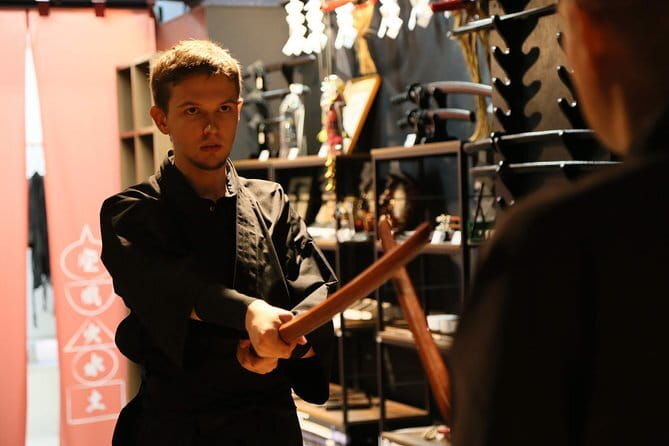
After the drills and posture work, the session progresses into authentic combat sword technique and a combat kata. A kata is a structured set of movements. It’s not chaos training. It’s a way to learn patterns you can later apply.
Once you’ve worked through the kata portion, you apply it in one-on-one sparring with the instructor. That’s where the training becomes real in a way that’s hard to replicate in a lecture.
Because this is guided sparring, you’re not left to figure everything out alone. The instructor can correct your timing and help you practice controlled engagement. This is also why beginners usually do fine here: you’re not trying to jump straight into uncontrolled fights. You’re practicing within a teaching framework.
From what’s shared in past experiences, the instructors lean hard into clear feedback and a respectful training vibe. Names like Oedo and Yukiji show up in some of the most memorable accounts, along with the feeling of warm guidance and real attention to detail.
The matcha break, snacks, and the quiet cultural reset
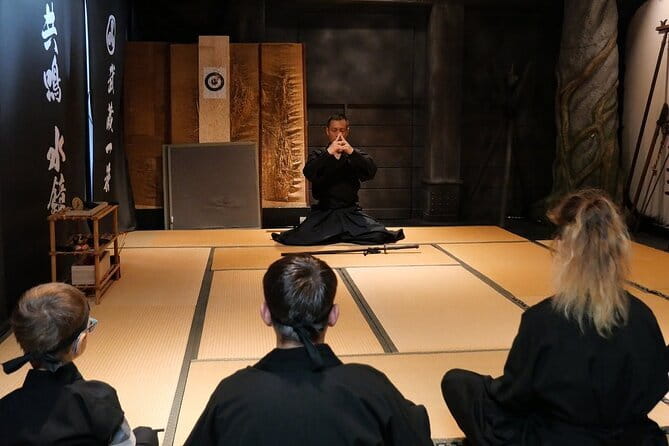
You get a break in the middle of the session. That’s not filler. It’s part of how the experience stays grounded.
During the break, you enjoy matcha green tea and Japanese sweets in a quiet cultural setting. The tea-and-snack moment gives you a chance to reset your breathing and reflect on what you just practiced. It also makes the training feel less like a workout and more like a traditional lesson.
Small detail, big impact: you’re not rushing around town between activities. The dojo itself becomes your whole “world” for the lesson. For many people, that’s the best antidote to busy sightseeing days.
Also, toilets are available in the building, which sounds basic but matters when you’re planning a short, focused 2-hour experience.
Your certificate scroll, plus the traditional dress photo
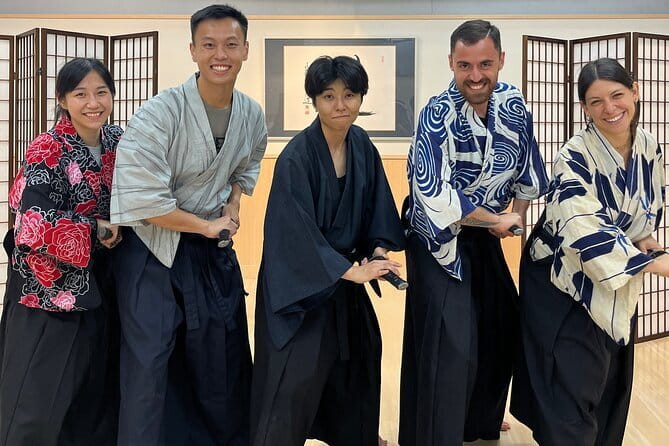
At the end, you receive a personalized scroll-style certificate with your name and the techniques you learned. This is one of those souvenirs that feels more meaningful than a generic printed card, because it’s tied to your actual session.
You’ll also wear traditional samurai attire for a commemorative photo. It’s a fun capstone, and it helps you remember what you experienced, not just what you watched.
If you care about take-home value, this is where the experience delivers. You end with something you can frame or keep, not just memories stored on your phone.
Who should book this, and who might skip it
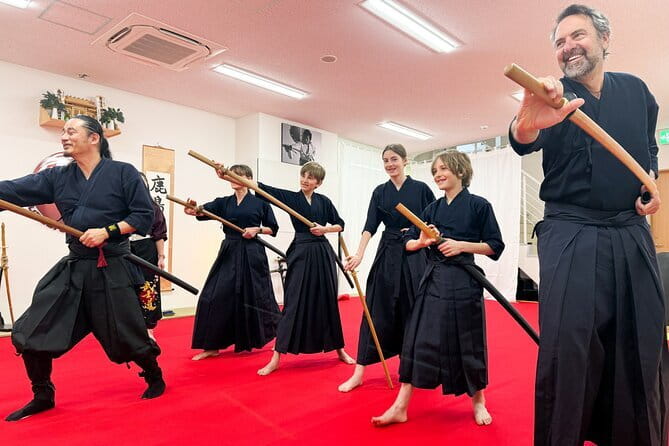
Book this if you want:
- Hands-on Samurai training in Tokyo, not a history lecture
- Beginner-friendly instruction in English
- A chance to learn etiquette and discipline, not just sword movements
- A structured class that includes meditation and posture work
You might want to skip or reconsider if:
- You have mobility issues or injuries that make standing, walking, or practicing stances uncomfortable
- You want a lightweight, no-physical-effort cultural activity
This class is not only for hardcore martial arts fans. Some people who are new to sword training find it especially helpful because the instruction builds in stages, starting with mindset and breathing.
If you’re the kind of traveler who likes your experiences to leave you with a new skill, you’ll probably enjoy this more than another “see and move on” stop.
Practical tips for smooth training day logistics
The meeting point is Samurai Sword Tokyo, 4-chōme-2-1 Kōjimachi, Chiyoda City, Tokyo 102-0083, Japan, and the experience ends back at the same location.
It’s near public transportation, and the session is about 2 hours. Mobile tickets are used, so have your phone ready when you arrive.
Two practical things you can do to get the most out of the lesson:
- Wear comfortable clothing that allows movement, since you’ll do sword drills, strength work, and walking exercises.
- Arrive a bit early so you can settle in before the etiquette part starts. Calm start, better learning.
Also note the experience is in English, and it’s offered by the International Goshin-Budo Association. That name matters only in the sense that it signals a structured organization behind the training.
If you like planning early, keep in mind that this tour is often booked about 37 days in advance on average. A short session can still fill up quickly, especially on popular dates.
If you’re flexible, cancellations are free up to 24 hours before the start time, which gives you some breathing room if your Tokyo schedule changes.
FAQ
What is the duration of the Samurai training experience?
The experience is about 2 hours.
Is this a private activity?
Yes. It is a private experience, so only your group participates.
Is the experience offered in English?
Yes. The entire experience is in English and beginner-friendly.
Where does the training take place?
It takes place at a dojo in Tokyo’s Kojimachi district, with the meeting point at Samurai Sword Tokyo, 4-chōme-2-1 Kōjimachi, Chiyoda City, Tokyo 102-0083, Japan.
Do I get a samurai uniform?
Yes. Samurai uniform rental is included.
Will I get to practice with a sword?
Yes. You’ll practice sword movements using a wooden sword, and you’ll also learn an authentic combat kata and do one-on-one sparring with the instructor.
What else do you do besides sword practice?
The class includes samurai etiquette, Bushido philosophy, breathing techniques and meditation, strength training with a heavy stick, and silent walking exercises.
Is matcha and food included?
Yes. You’ll have matcha green tea and Japanese sweets during your break.
Do you receive a souvenir or certificate?
Yes. You receive a personalized scroll-style certificate with your name and the techniques you learned, plus a commemorative photo with traditional dress.
Is transportation included?
No. Private transportation and an air-conditioned vehicle are not included.
If you want a Tokyo experience that actually turns discipline into something you can do with your body, this is a strong pick. It’s short, focused, and built around training, not just looking.
Fresh options around Tokyo
- Tokyo: Nikko Kegon Falls Lake Chuzenji Toshogu Temple & More★ 4.9 · 12 reviews
- Tokyo: Samurai History Walking Tour★ 5.0 · 12 reviews
- Harajuku: Kawaii Fashion and Pop-Culture Tour★ 4.7 · 12 reviews
- Tokyo: Mt. Fuji & Lake Kawaguchi Instagram Full Day Trip★ 4.1 · 12 reviews
- Shibuya Tokyo: Modern Kintsugi Workshop in Shibuya★ 5.0 · 12 reviews
- Tokyo: GTR Guided Daikoku Experience at Night★ 5.0 · 12 reviews
- Tokyo: Daikoku JDM Car Culture Tour★ 4.6 · 12 reviews
- Mt Fuji Private Day Trip from Tokyo with English speaking driver★ 5.0 · 13 reviews
Samurai & Ninja Experiences, compared.

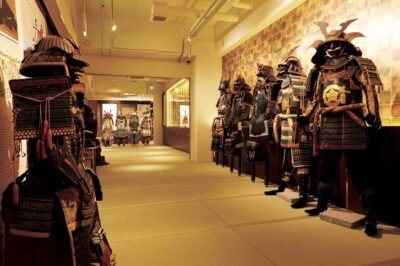
Samurai Ninja Museum Guided tour and Experience
Read our review →
Kendo and Samurai Experience with Uniform and Gear
Read our review →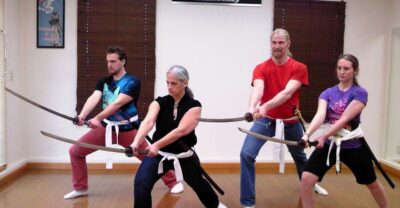
Samurai Sword Class by Experts in Traditional Arts
Read our review →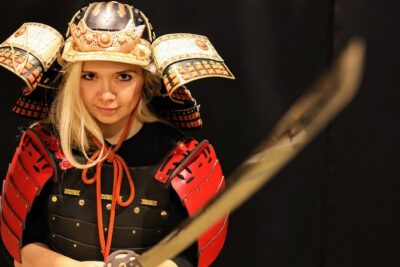
Skip the lines Basic Ticket at SAMURAI NINJA MUSEUM KYOTO
Read our review →
Samurai Sword & Archery Class from Samurai Descendant
Read our review →
Browse the lists this tour appears in