
Reviewed · SAMURAI & NINJA EXPERIENCES
Samurai Experience – Learn Bushido through Kendo, in Tokyo
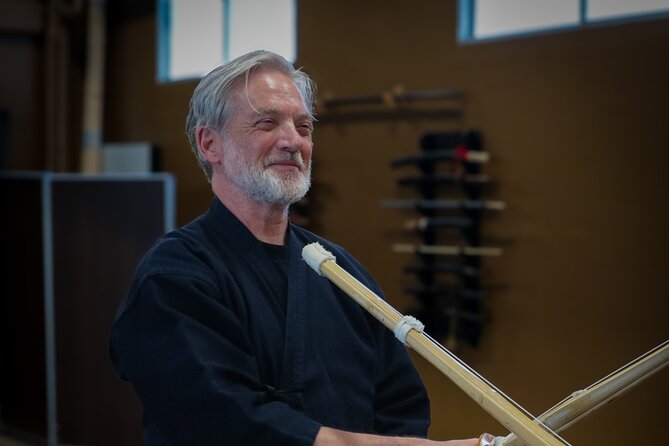
First-time sword practice can change your whole trip. This Kendo in Tokyo session trades sightseeing time for hands-on training in a working dojo, taught by Daichi with 19 years of experience. I love how the class focuses on practical discipline, not just showy moves, and how you get to take part instead of only watching. The main thing to consider is that this is physical, so wear comfortable clothes and be ready to move for about two hours.
You also get the cultural layer that makes kendo feel like more than a sport. Expect posture, timing, and focus drills, plus a photo and video session so you can remember what you actually did. The group stays small (max 8), which helps beginners feel guided, but it also means you should arrive on time and follow instructions closely.
Key things I’d watch for before you go
- A real working dojo in Tokyo, not a staged performance, with Japanese practitioners training there
- Daichi-led instruction (English-friendly, 19 years of kendo training)
- Beginner-friendly pacing, with most participants starting with zero experience
- All gear included, including kendo attire and a shinai (bamboo sword)
- Photo and video coverage, sent by email after the experience
- A match-like moment at the end, so you finish with something active, not just drills
Step Into a Real Kendo Dojo Near Nihonbashi
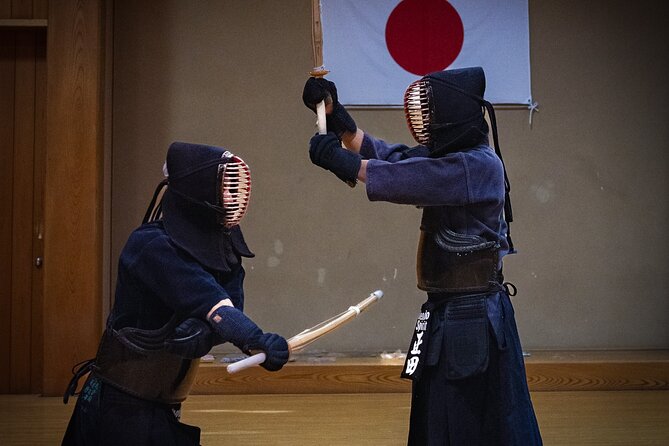
This is the kind of Tokyo activity I like best: you show up, you train, and you leave understanding how the practice works in daily life. The meeting point is in Chuo City, Nihonbashi area, specifically at 29 Sec日本橋ビル (103-0024, Tokyo). It starts at 10:00 am, and the session returns you to the same meeting spot.
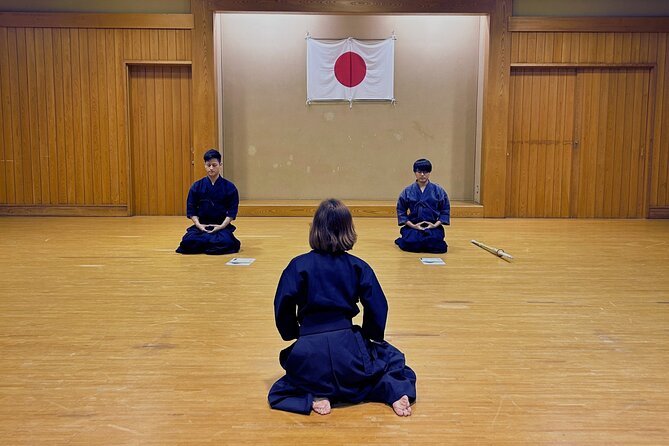
The big value here is authenticity. You are not learning kendo in a classroom with props. You are training inside a genuine Japanese dojo, where Japanese practitioners hone their sword skills. That matters, because it changes the tone of the lesson. The rules of movement, the way you hold your mind, and the respect for the space all feel real.
I also like the small-group setup. With a maximum of 8 travelers, you’re more likely to get personal corrections and slower pacing when you need it. And since it’s designed for beginners, you do not have to worry about being the only person without martial arts experience.
One practical note: because it’s a physical class, you should treat it like a workout. You will be on your feet and moving with your shinai, so comfortable footwear and a calm, focused mindset will make the experience smoother.
More Samurai & Ninja Experiences in Tokyo
- Tokyo: Samurai Restaurant Show Ticket with 2 Drinks
★ 4.5 · 1,307 reviews - Tokyo: Samurai Ninja Museum Guided tour and Experience
★ 4.6 · 1,010 reviews - Tokyo: Samurai Sword & Archery Class from Samurai Descendant
★ 5.0 · 603 reviews
Why Daichi’s Approach Matters for Beginners
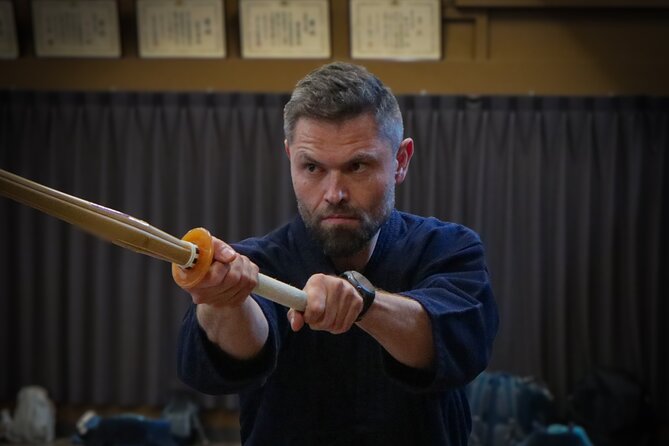
Kendo can look simple in videos. In real life, it’s detailed. The way you stand, how you breathe, and how you commit to each strike all add up, and beginners often miss those small things.
That’s where Daichi comes in. He’s an active kendo practitioner with 19 years of training, and he teaches techniques that come from ongoing practice, not textbook descriptions. You’ll also be supported by English, which removes one of the most stressful parts of martial arts travel. The instructor has overseas work experience and speaks fluent English, so you can ask questions during the session.
In the reviews, the teaching style comes through again and again. People praise how the instruction blends technique with the mindset side of kendo. One reviewer even called it mastering spirit, sword, and body, and that tracks with what this class is built to do.
I’d also pay attention to the team around Daichi. Some reviews mention other instructors and assistants, including Makoto, and that usually means more guidance while you’re practicing your moves. In a small group, that extra attention helps.
The only drawback I can think of is time. This is about 2 hours, so you will learn a lot of basics, but it won’t turn you into a kendo competitor. If you want deep progress, treat this as your first taste, then plan to continue in a local dojo later.
What Happens During the 2 Hours of Kendo Training
Even without a long sightseeing day, you still get structure. The session is designed to build your control step by step so you can actually swing with confidence by the time you’re doing more active practice.
Here’s what the training is set up to cover, based on the description and how people talk about their experience:
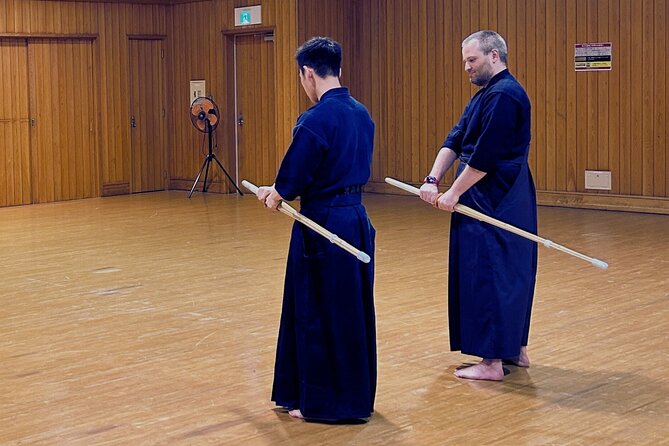
You start with the fundamentals that make kendo work. That usually means stance and posture, how to hold and move with the shinai, and timing so your strikes land with purpose. Expect focus drills too. Kendo is not only physical, it’s mental discipline, and you’ll be guided toward that steady state.
Then you move into technique practice. Reviews mention people learning the basics all the way through being able to swing and give a strong hit. One reviewer with taekwondo experience said the footwork helped, but it still needed adjustment for kendo’s rules and rhythm. That’s a good sign for beginners. Even if you bring some sports background, you’ll still get kendo-specific coaching.
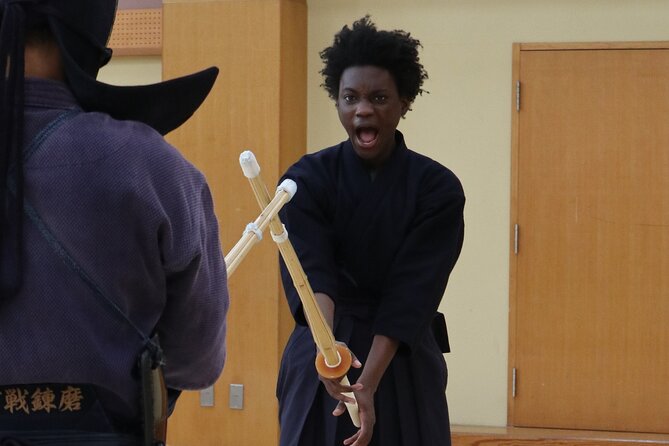
Near the end, you get something more exciting. Multiple reviews reference a battle or a match-like segment that people found exciting. This is where you see the discipline under pressure. Even if the “battle” is controlled and beginner-safe, it still feels intense because both mind and timing matter.
Because the class runs in a real dojo, you’ll also learn how the space shapes the practice. Dojos often have their own flow and expectations for etiquette. The description emphasizes learning bushido as it’s practiced in modern Japan, which usually means you’re not just learning moves, you’re learning judgment and self-control.
Gear, Uniforms, and the Easy Pre-Game Setup
One of the easiest parts of this experience is the gear plan. You do not need to track down equipment before you arrive.
Included items are:
- Kendo attire rental
- Bamboo sword rental (shinai)
- Japanese cultural experience tools rental
- Bottled water
- Souvenir
- Guide
You also get practical clothing support. You’re provided t-shirts and pants to wear under the kendo uniform. So you can show up with normal travel clothes and you’re covered. The instruction is simple: bring your “samurai spirit,” but not your wallet for rentals.
That matters for value. Many martial arts experiences are “watch and talk” or they leave you responsible for half the equipment. Here, the essentials are handled. It lowers friction, and it lets you focus on the lesson.
What to consider: there are no snacks included. If you get hungry before the class, you may want to eat beforehand. Since it’s 10:00 am start, you can likely grab breakfast near your hotel or on the way to Nihonbashi.
More samurai and ninja experiences in Tokyo:
- Best Samurai Experience in Tokyo
★ 5.0 · 458 reviews - Ninja Experience (Family Friendly) at Samurai Ninja Museum TOKYO
★ 5.0 · 441 reviews - Tokyo: Samurai Entertainment Night Show in Kanda Shrine
★ 4.6 · 417 reviews - Tokyo Sword Experience – includes Museum Ticket/Ninja Experience
★ 5.0 · 314 reviews
Bushido Lessons You Can Actually Use After Japan
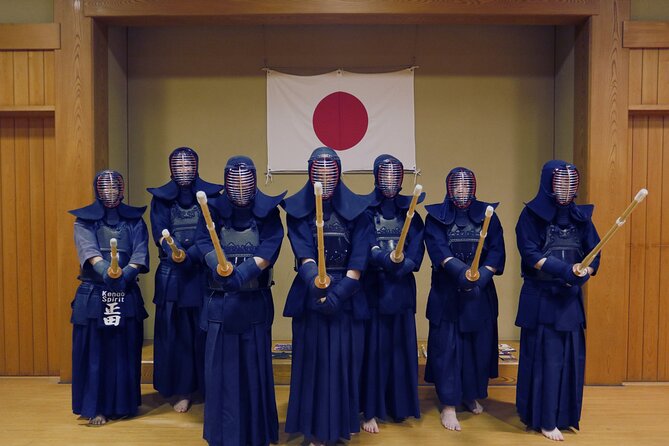
The best part of kendo travel experiences is the aftertaste. You leave with something that changes how you think about effort and control, not just photos.
This session is specifically described as learning Bushido through Kendo. That framing is important because it shifts your focus from performance to discipline. You train to improve focus, posture, and timing, and you practice those qualities in a way that mirrors modern Japanese training culture.
One thing I noticed from the reviews is how often people mention spirit, heart, and mental balance. People talk about the instructors paying attention to history and technique, but the emotional and mental side sticks too. That combination is exactly what makes bushido-themed training feel different from generic “swing a sword” tourism.
What you can take home is not a form you memorize once. It’s an approach. You’ll understand how a kiai, a strong strike, and a committed stance all connect. You’ll also see how the dojo environment supports control rather than chaos.
If you want to keep going after your trip, this session gives you a starting point. You’ll know what kendo feels like with the shinai, how the basics are taught, and what “strong and honest” effort looks like in training. That gives you a reference point when you try a local class later.
Price and Value for 132 Dollars in Tokyo
At $132.14 per person for about two hours, this is not a budget activity. But it also isn’t overpriced for what you get.
Here’s the value logic I’d use when deciding:
- You’re paying for instruction from an active practitioner, Daichi, with long training time behind him.
- You get all core equipment rental, including the uniform and shinai, so you avoid extra costs.
- You get a small-group experience with a maximum of 8 travelers, meaning the coaching time likely stretches further than it would in a larger class.
- You get media coverage, meaning photos and videos taken during the session, sent by email after.
Now, a fair caution: the experience is short. If you’re the type of traveler who wants long-form immersion, this won’t replace a multi-session course. It’s a focused sampler. That’s still worthwhile, especially if you want an authentic dojo taste rather than an all-day tour.
Also, you should compare it to typical Tokyo experiences that may include a guide but not hands-on training. Here you’re doing. That’s the difference. When you finish, you can point to your own form and your own stronger strike, not just your own photos.
Who Should Book This Samurai Experience (and Who Might Skip)
This is a strong fit if you want something active, culturally grounded, and beginner-safe.
You’ll likely enjoy it if:
- You’re curious about kendo as practiced in Japan, not just the myth of samurai
- You want physical learning instead of passive sightseeing
- You like the idea of mind-body training, focus, posture, and timing
- You want English instruction, since the instructor speaks fluently
- You want a small group so you can ask questions
It might be less ideal if you:
- Prefer purely observational experiences
- Have limitations that make it hard to stand and practice strikes for a couple of hours
- Expect extensive history lectures. This is technique and training first, with cultural context woven into how you move.
One great bonus is age range flexibility. A review included a father and son with the son at 12, and they praised the experience. That suggests the session can work for at least some younger participants, but you should still judge it based on your child’s comfort with group physical activity.
Your Quick Plan Before You Arrive
To make the class feel smooth, plan like this:
- Arrive early enough to settle yourself. It’s a small group, and it starts at 10:00 am.
- Wear clothes that are easy to change from. You’ll use the provided t-shirts and pants under the kendo uniform.
- Expect a workout pace. Even if you’re a beginner, you’ll be practicing footwork and strikes.
- Ask questions right away if anything feels unclear. Since Daichi speaks fluent English, it’s not awkward to say, I want to understand this part.
Also note the tour uses a mobile ticket. Have it ready on your phone so you do not waste time at check-in.
Booking Decision: Should You Try Samurai Experience in Tokyo?
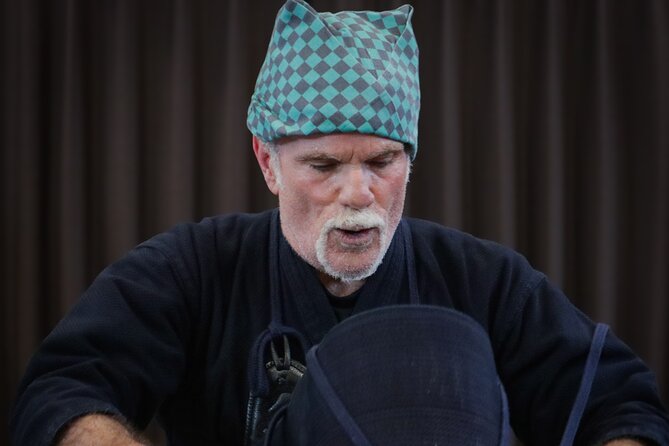
If you like hands-on culture, I’d book this. A working dojo experience is rare in tourist Tokyo, and this class is built around active learning: stance, timing, focus, and technique with a real shinai. The teaching team and English support also reduce the usual barriers for first-timers.
I’d skip it only if you want a relaxed, purely sightseeing day, or if your body is not ready for a couple hours of movement and practicing strikes. Otherwise, this is one of the better ways to connect with modern Japanese discipline, not just the decorative version.
If your goal is to leave Japan with a story you can feel in your muscles and your mind, this is a smart bet.
FAQ
How long is the Samurai Experience kendo session?
It lasts about 2 hours.
What is the meeting time and location?
The session starts at 10:00 am. The meeting point is in Chuo City, Nihonbashi (Nihonbashikobunachō, 29 Sec日本橋ビル), and it ends back at the same meeting point.
How many people are in the group?
The class has a maximum of 8 travelers.
Is the experience beginner-friendly if I have no martial arts background?
Yes. The session is designed so that over 90% of participants are beginners, and they teach slowly and carefully.
Do I need to speak Japanese?
No. The instructor Daichi speaks fluent English, and you can ask questions anytime.
What do I need to bring?
Nothing at all. You will receive clothing support (including t-shirts and pants to wear under the uniform) and the rest of the training gear.
What kendo equipment is provided?
You get kendo attire rental and a bamboo sword (shinai) rental.
Are photos or videos included?
Yes. A photographer takes photos and videos, and the data is sent to you by email after the experience.
Is there food included?
No snacks are included. Bottled water is provided, so it’s a good idea to eat beforehand if you need more than that.
What is the cancellation policy?
Free cancellation is available. You can cancel up to 24 hours in advance for a full refund, based on the local time of the experience.
Fresh options around Tokyo
- Tokyo: Nikko Kegon Falls Lake Chuzenji Toshogu Temple & More★ 4.9 · 12 reviews
- Tokyo: Samurai History Walking Tour★ 5.0 · 12 reviews
- Harajuku: Kawaii Fashion and Pop-Culture Tour★ 4.7 · 12 reviews
- Tokyo: Mt. Fuji & Lake Kawaguchi Instagram Full Day Trip★ 4.1 · 12 reviews
- Shibuya Tokyo: Modern Kintsugi Workshop in Shibuya★ 5.0 · 12 reviews
- Tokyo: GTR Guided Daikoku Experience at Night★ 5.0 · 12 reviews
- Tokyo: Daikoku JDM Car Culture Tour★ 4.6 · 12 reviews
- Mt Fuji Private Day Trip from Tokyo with English speaking driver★ 5.0 · 13 reviews
Samurai & Ninja Experiences, compared.
Samurai Ninja Museum Guided tour and Experience
Read our review →
Kendo and Samurai Experience with Uniform and Gear
Read our review →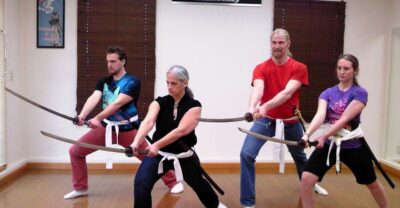
Samurai Sword Class by Experts in Traditional Arts
Read our review →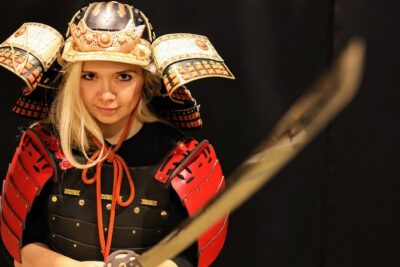
Skip the lines Basic Ticket at SAMURAI NINJA MUSEUM KYOTO
Read our review →
Samurai Sword & Archery Class from Samurai Descendant
Read our review →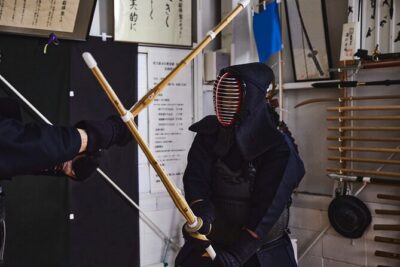
Browse the lists this tour appears in