
Reviewed · SUSHI MAKING CLASSES IN OSAKA
Osaka Sushi Miso soup Adventure: A Journey of Exotic Flavors
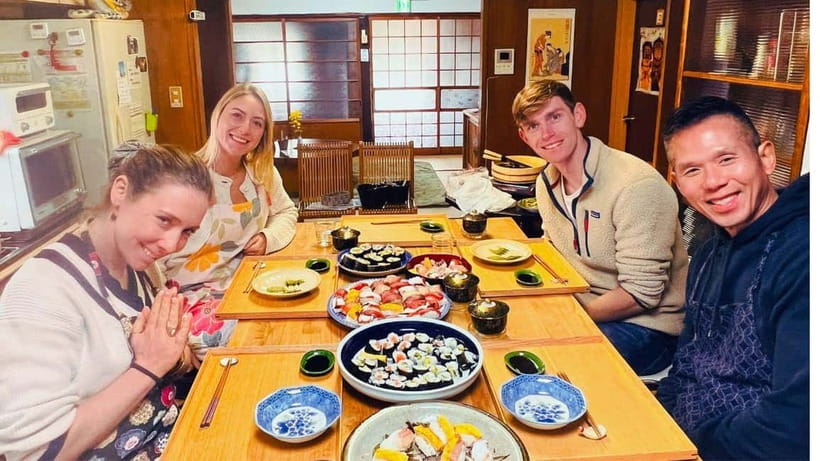
Your hands learn Osaka sushi fast. In Chef Yuki’s small class near Nukata Station, you make nigiri and hosomaki and finish with miso soup from scratch.
I especially like that you are not stuck watching. You roll, shape, and cook as you learn the why behind each step.
I love the focus on getting sushi rice right, because that texture and balance drives everything else. I also like the practical fish prep you make, especially tuna zuke and kombu-jime salmon, which are designed to keep well so you can do something similar later at home.
If you are hoping for a sightseeing-heavy tour, note that this is a kitchen-first experience and runs for 3 hours at about $96 per person.
Key highlights worth showing up for
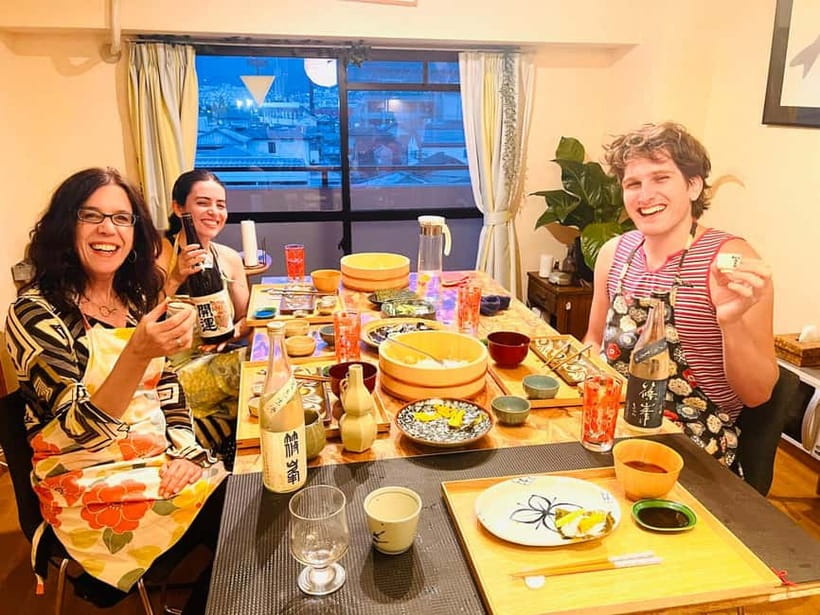
- English instruction from Chef Yuki in a small class (limited to 6 people)
- Hands-on sushi making: nigiri, hosomaki, plus tamagoyaki
- Curing and marinating skills with tuna zuke and kombu-jime salmon
- Scratch miso soup to round out the meal
- Basic Japanese flavor building blocks, including dashi and wasabi preparation
Getting to 4-19 Nukata-cho and meeting Chef Yuki
This class starts right where the cooking happens: 4-19 Nukata-cho, a short walk from Nukata Station. The setup is simple, and the meeting spot is easy to reach once you get off the train. It is also the kind of location that feels local, not staged.
From Osaka Namba, take the Kintetsu Nara Line to Nukata Station (about 30 minutes, ¥430). Then walk about 5 minutes to 4-19 Nukata-cho, following Route 308 and looking for a white building near the station area. The host asks you to arrive about 10 minutes early so you can start on time.
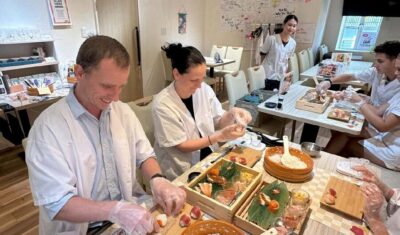
The class is designed for comfort and interaction. Reviews mention a cozy, personal vibe, and because the group is capped at 6, you get room to ask questions while you cook. If you have a baby with you, you should still ask ahead, since some small-group formats can be flexible but you want to confirm.
More Sushi Making Classes in Osaka
- Sushi Making Osaka Roll and Authentic Japanese Sushi Class
★ 5.0 · 1,220 reviews - Osaka Sushi Making Experience
★ 5.0 · 400 reviews - Osaka Sushi Making Class – Hands-On Nigiri & Rolls (Same-Day OK)
★ 5.0 · 352 reviews
From sushi rice to wasabi and dashi, the basics you can repeat at home
A lot of sushi classes teach shapes. This one spends time on the foundations, which is what makes the food taste right later, not just today.
You learn how to handle sushi rice in a more traditional way, including the steps for preparing it properly. If you have ever had sushi that tasted good but fell apart on the bite, rice technique is usually the culprit. This is where you get the practical “do this, then do that” feel, so you know what to aim for when you make it again.
You also practice Japanese flavor basics beyond sushi. You can expect wasabi preparation basics and dashi broth basics in the process. That matters because miso soup does not taste like miso soup just because miso is in the bowl. It tastes like miso soup because the soup base and seasoning are balanced, and those building blocks are part of what you learn.
One smart thing about this course is that the skills are not locked to one dish. Even if you do not cook sushi every week, you can use what you learn about rice handling, flavor foundations, and seasoning balance in other Japanese meals.
Rolling nigiri, hosomaki, and tamagoyaki in a hands-on Osaka session
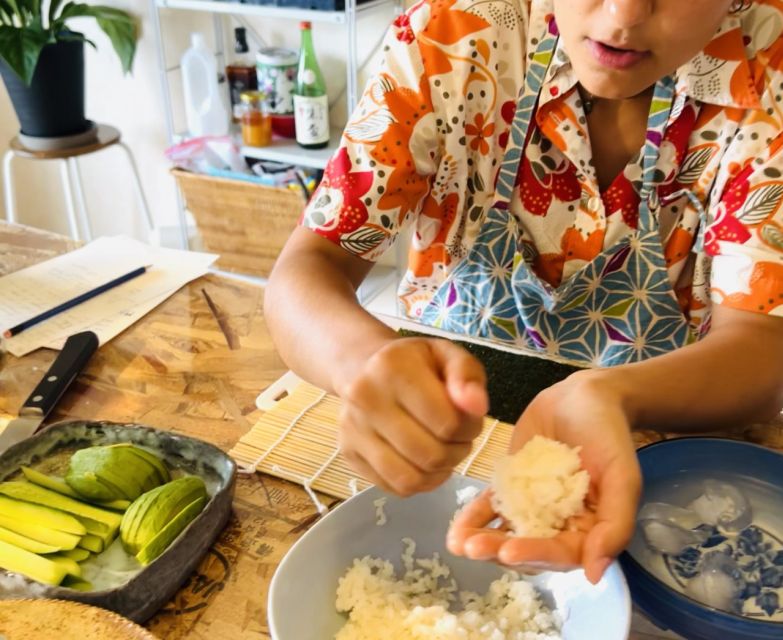
In this 3-hour format, you do more than sample. You actually make multiple styles, which is the best way to learn sushi fast.
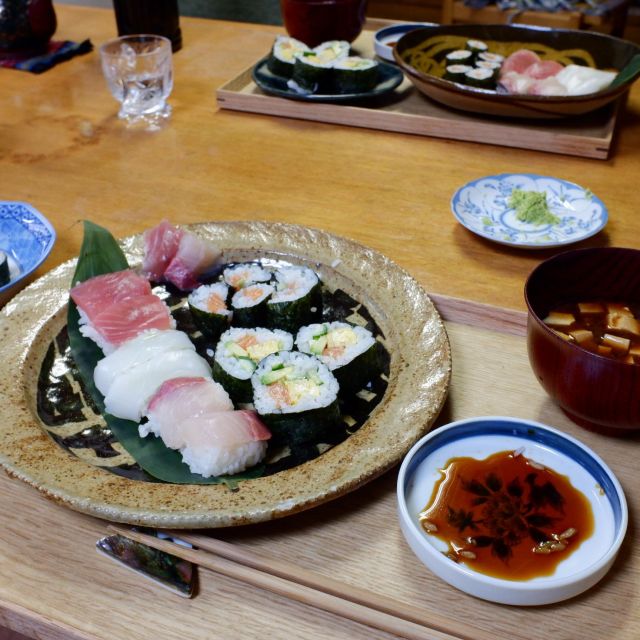
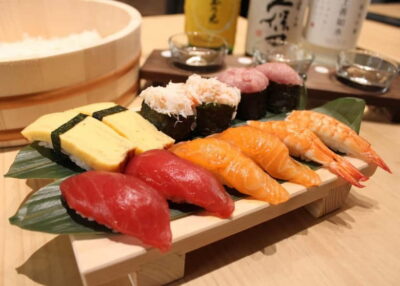
You will work on classic nigiri, where the key is balancing seasoned rice with fish so the bite feels clean and cohesive. You will also roll hosomaki, the thin roll style where precision matters because there is less filling to “hide” mistakes. Then there is tamagoyaki, the Japanese rolled omelet, cooked in a square pan.
What I like about this structure is that the techniques teach different skills. Nigiri helps you with shaping and topping placement. Hosomaki teaches rolling tension and alignment. Tamagoyaki adds heat control and the rhythm of layering. By the time you finish, you are not just copying a single pattern, you are building a toolkit.
Expect a step-by-step approach from Chef Yuki. One of the strongest themes in the feedback is that instruction is clear and personal, especially because the group stays small. You get time to correct your hand position and approach, not just move on to the next station.
And yes, you eat what you make. That is part of the value here. When you taste your own nigiri or tamagoyaki right after learning it, you immediately understand why certain details matter.
Tuna zuke and kombu-jime salmon, the curing shortcut for home sushi
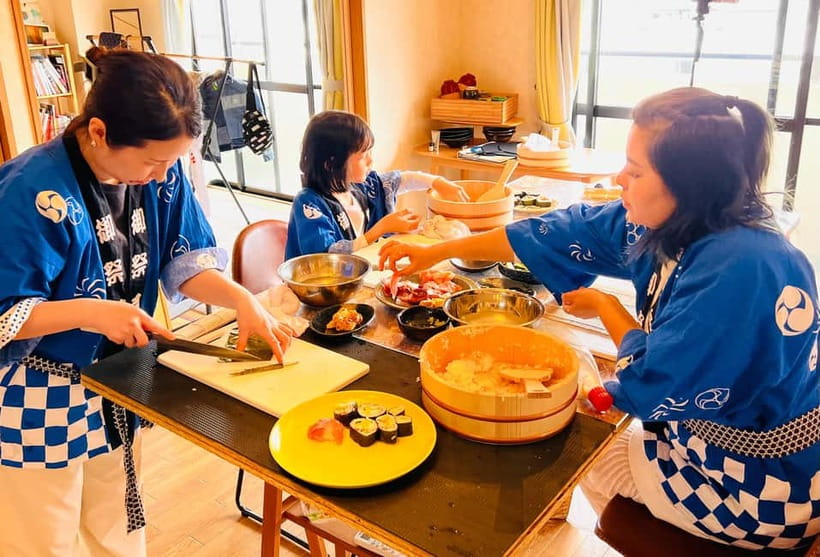
This is where the class turns from fun to useful.
You learn tuna zuke, a traditional soy-based marinade approach, and kombu-jime salmon, a kelp-cured method. These are classic Japanese ways to improve flavor and also manage freshness. In this course, both techniques are taught with the practical goal that the cured fish can be kept for about 3 to 4 days.
That time window is a big deal for real life. If you are not in Japan, or you do not live somewhere with reliable sushi-grade supply, you need options. Marinating and curing lets you create a sushi-ready topping style even when fresh availability is limited.
Here is what you should pay attention to during the lesson: consistency. The fish technique is not about being fancy, it is about getting the same result each time. Follow the exact process you are shown, especially for timing and preparation steps. If you do, you will get better results than trying to freestyle from memory later.
Also, you will likely feel the difference when you taste. Cured and marinated fish tends to taste more integrated, less “separate” from the rice. That is why it works so well for sushi at home, even if your home kitchen is not a fish market.
Same corner of Japan, a different kind of day:
- Osaka Go Karting Tour with Funny Costume
★ 5.0 · 2,658 reviews - Osaka Castle: Museum and Tower Entry Ticket
★ 4.5 · 2,380 reviews - Osaka: Shinsekai Food Tour with 13-15 Dishes at 5 Eateries
★ 4.8 · 2,204 reviews - Osaka Food Tour: 13 Dishes at 5 Local Eateries
★ 5.0 · 2,149 reviews
Miso soup made from scratch, plus the Japanese cooking mindset
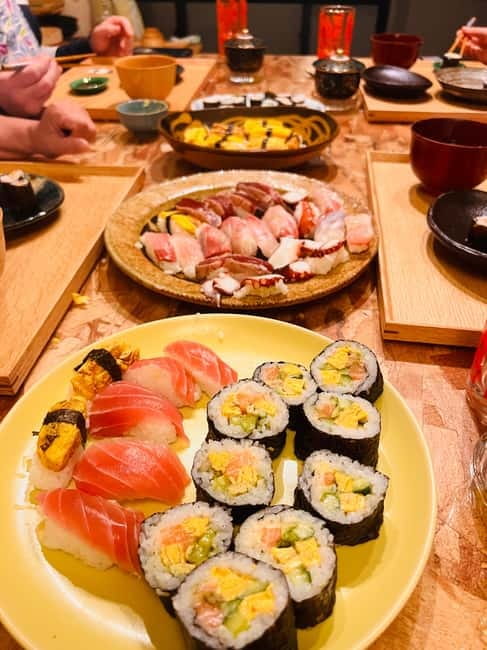
You finish with miso soup made from scratch, which is a great choice for balancing the meal. Sushi can be fun and salty and sometimes a little heavy. Miso soup adds warmth and depth, and it helps you reset your palate so each sushi bite stays interesting.
What makes this part valuable is the mindset. You are not just learning a recipe, you are learning how Japanese cooks think about layering flavor. You practice Japanese basics earlier in the session, including dashi groundwork and seasoning approaches, so miso soup is not “miso in water.” It is a deliberate bowl.
The other nice piece is that miso soup is a skill you can use outside sushi night. You can make it for a weekday dinner or for friends when you want something comforting and unmistakably Japanese without building an entire omakase menu.
If you care about Japanese food beyond sushi, this is the section that gives you that bridge. You leave with a broader sense of how the cuisine works as a system, not a single specialty.
Is $96 worth it? What you really gain from this Osaka class
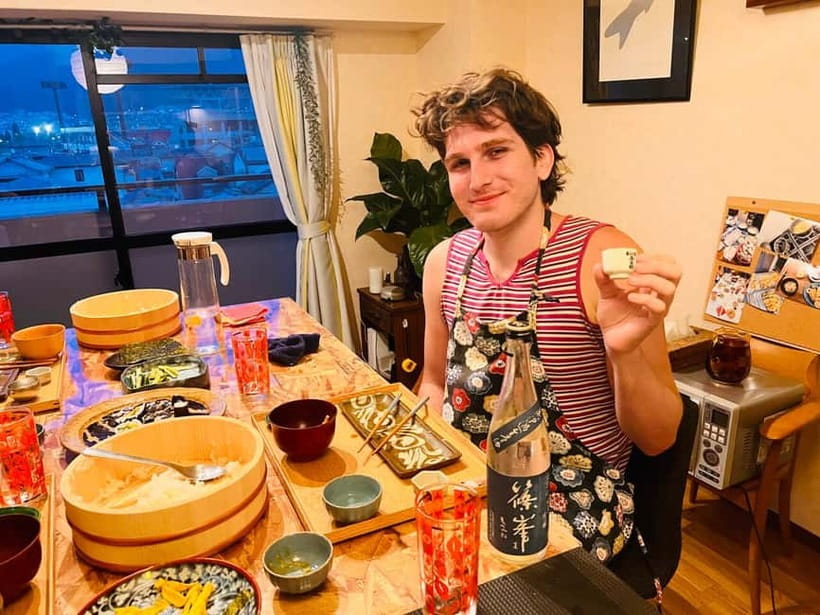
For about $96 per person and 3 hours, the value comes from three places: hands-on time, ingredient support, and instructor attention.
First, you are not paying just for instructions. You are paying because you get to make multiple dishes, including nigiri, hosomaki, tamagoyaki, and miso soup, plus the fish components that make the sushi feel authentic. That is a lot of output for one session.
Second, the class includes fresh ingredients and traditional seasonings. Cooking classes that leave you sourcing everything yourself can quickly turn into an expensive scavenger hunt. Here, you show up and cook with what you need for the techniques you are learning.
Third, the small group size (max 6) matters. Sushi is detail work. When the group stays small, you can correct issues in real time, not after you finish the roll.
And you likely take home practical tools. Reviews mention that you get recipes sent afterward, so you can repeat the sushi and miso soup at home. Some people also purchase a cookbook, which is a nice extra if you want structure and more ideas beyond this one meal.
Possible drawback, again, is timing and vibe. You will not get a “walk around and snack” experience. This is cooking-focused, so you should book it if you want technique and want to bring something real back to your kitchen.
Should you book this Osaka sushi and miso soup course?
I would book it if you meet these criteria:
- You want a hands-on Osaka sushi class with English instruction and a small group.
- You care about technique, especially rice handling and the flavor methods behind tuna zuke and kombu-jime salmon.
- You want more than sushi, you also want scratch miso soup and Japanese cooking basics.
Skip it if your main goal is a photo-and-stroll outing or if you dislike standing at a counter for 3 hours making food. Also, because it is a single cooking session (not a multi-stop tour), plan around it so you are not rushed right before and right after.
If you want one skill that pays off immediately in your own meals, this is a strong pick. It gives you a sushi-and-soup combo you can actually replicate, not just remember.
FAQ
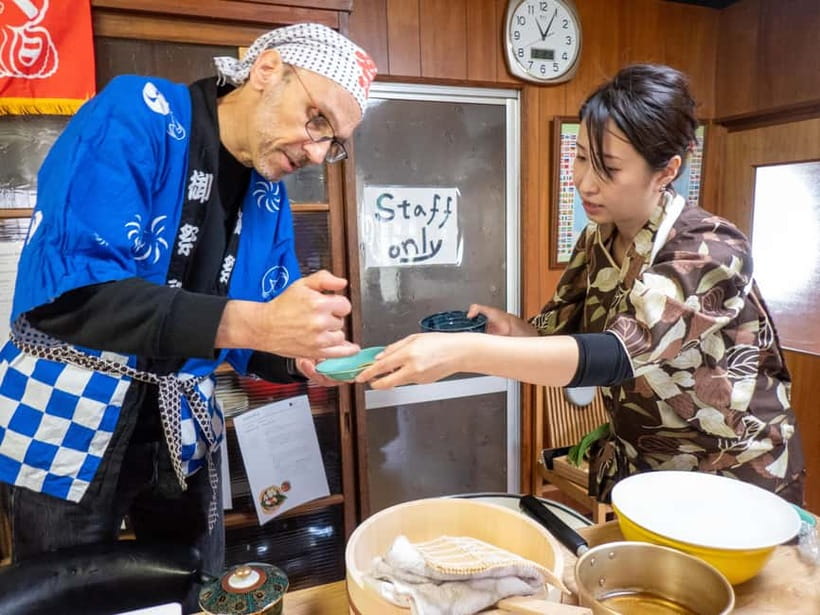
How long is the Osaka sushi and miso soup class?
The class lasts 3 hours.
Who teaches the class, and what language is used?
The instructor is Chef Yuki, and the class is taught in English.
How many people are in each class?
The group is small, limited to 6 participants.
What dishes do you make during the course?
You make nigiri sushi, tuna zuke (marinated tuna), kombu-jime salmon (kelp-cured salmon), hosomaki (thin rolls), tamagoyaki (Japanese rolled omelet), and miso soup.
Where is the meeting point?
Meeting point is at 4-19 Nukata-cho, Osaka. It is about a 5-minute walk from Nukata Station, look for a white building.
What is the cancellation policy?
You can cancel up to 24 hours in advance for a full refund.
Is there a reserve and pay later option?
Yes, you can reserve now and pay later.
Fresh options around Osaka
- Osaka Winery Tour with Wine Tasting & Vineyard Walk★ 4.9 · 12 reviews
- Osaka: Early Morning Osaka Castle Guided Tour, Avoid Crowds★ 4.9 · 12 reviews
- Kyoto Day Trip from Osaka Port – Private Shore Excursion★ 5.0 · 13 reviews
- Osaka Private Pop Culture Tour: Historic Tenma to Dotonbori★ 4.5 · 13 reviews
- Osaka Castle Admission Ticket★ 4.0 · 13 reviews
- Hidden Osaka Foodie Tour: Nishinari Backstreets & Local Dining★ 5.0 · 13 reviews
- Discover Real Osaka: A Cultural Walk with Food & Drink★ 5.0 · 13 reviews
- Nara private tour (Shore excursion available from Osaka or Kobe port)★ 5.0 · 13 reviews
Sushi Making Classes in Osaka, compared.
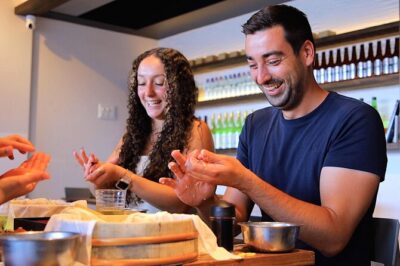
Sushi Making Osaka Roll and Authentic Japanese Sushi Class
Read our review →
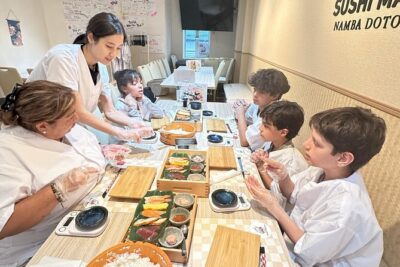
Osaka Sushi Making Class – Hands-On Nigiri & Rolls (Same-Day OK)
Read our review →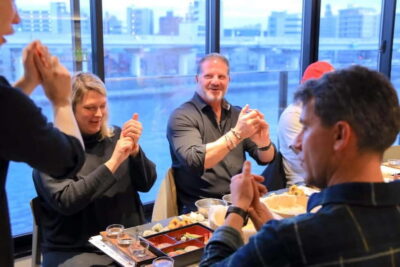
Roll and Authentic Sushi Making Class in Dotonbori
Read our review →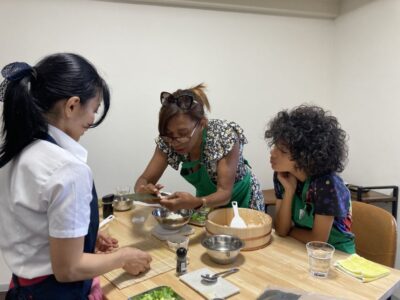

Browse the lists this tour appears in