
Reviewed · SUSHI MAKING CLASSES IN OSAKA
Osaka Dotonbori: Hand Roll Sushi Experience
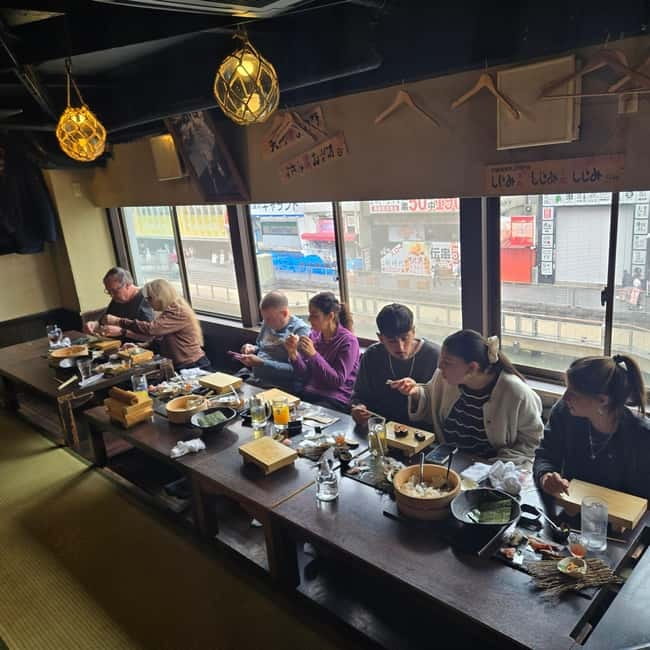
Sushi gets hands-on in Dotonbori. In Kaisen Monogatari Dotonbori, you learn hand-rolled sushi while relaxing in a tatami room with views of the Dotonbori River. It’s a short, focused class that teaches you the logic behind great sushi, not just how to copy a roll.
I especially love the real wasabi tasting. The aroma hits first, then the heat shows up fast in a way that feels much more like fresh root than anything you might have tried in a tube. I also like the attention to sushi rice, including how Japanese rice is seasoned with vinegar and what that does to flavor.
One thing to consider: you might not get to fully choose every seafood option. That can be a bummer if you’re picky, since the class is designed around seasonal ingredients.
Key highlights worth your time
- Real wasabi tasting that focuses on aroma and true spiciness
- Sushi rice lesson that explains the vinegar mixing and its taste impact
- Hands-on hand-roll making, with tools, materials, and instruction included
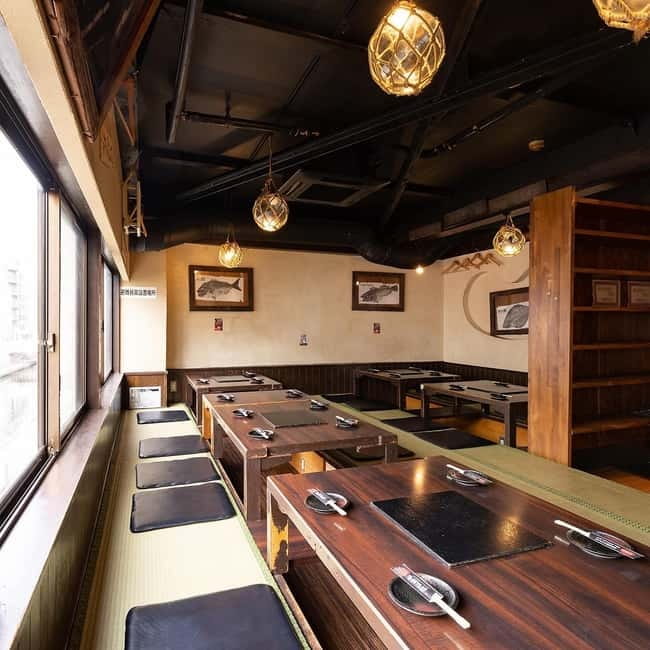
- Tatami room with Dotonbori River views, even though you’re in the middle of the action
- Chef-guided pairing, including homemade soy sauce shared for your rolls
- A lot of food for the money, since you taste what you make
Why this hand-roll class feels different in Osaka
Dotonbori is famous for lights, crowds, and big energy. This experience gives you a calmer pocket inside that chaos. You’re in a tatami room with a view of the Dotonbori River, so the vibe shifts from street spectacle to quiet focus.
What makes the whole thing click is that you’re not only eating. You’re learning the building blocks. The format goes in a sensible order: sushi basics, sushi rice, wasabi tasting, then the hand-roll practice. That structure matters because sushi is mostly technique and balance, not just ingredients.
And the “hand-roll” style is a smart choice here. It feels casual and flexible compared with formal sushi counters. You’ll get the fun of shaping your own rolls while still learning what makes Japanese flavors work.
More Sushi Making Classes in Osaka
- Sushi Making Osaka Roll and Authentic Japanese Sushi Class
★ 5.0 · 1,220 reviews - Osaka Sushi Making Experience
★ 5.0 · 400 reviews - Osaka Sushi Making Class – Hands-On Nigiri & Rolls (Same-Day OK)
★ 5.0 · 352 reviews
Finding Kaisen Monogatari Dotonbori on the Nico Building 2nd floor
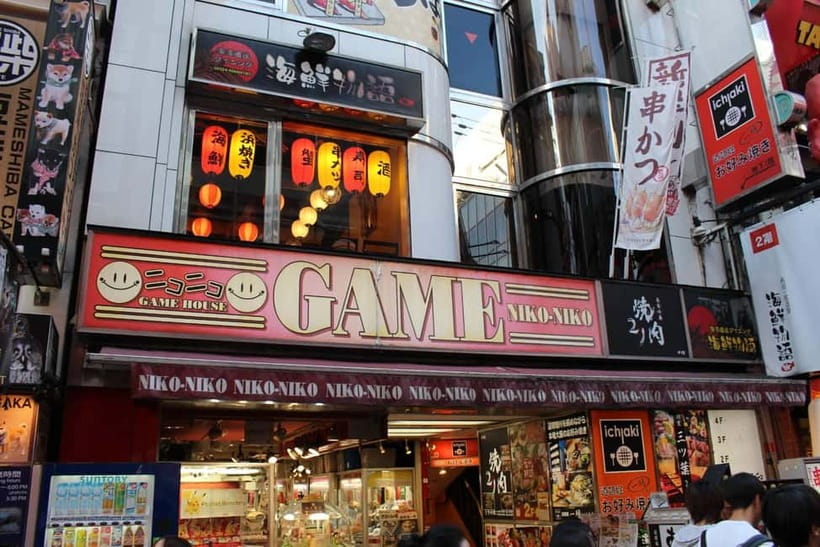
Location is a big deal in Dotonbori. This class sits at Kaisen Monogatari Dotonbori in the Nico Building, on the 2nd floor (1 6 12 Dotonbori, Chuo-ku, Osaka). The entrance is on the main street, so you’re not hunting through side alleys.
Here’s the practical note that saves time: there’s a game arcade on the first floor. When you arrive, you’ll likely see the arcade area right away, then head up to the tatami room level.
The meeting point language is straightforward: 海鮮物語道頓堀店にお越しください. The session ends back at the same meeting point, so you’re not sent off to find a second location.
The 2-hour schedule, from sushi basics to the rolls you make
This is a 2-hour session, offered twice daily at 12 pm and 2 pm. The pacing is designed for people who want real hands-on learning without turning it into an all-day event.
1) Sushi introduction, so you know what you’re building
You start with an introduction to sushi. That doesn’t mean you’ll get a textbook lecture. It’s more like learning the key ideas behind what you’re doing next: how sushi rice acts like the base, how toppings and seafood flavors fit, and why seasoning matters.
If you’ve only eaten sushi casually before, this part helps you stop guessing and start tasting with purpose. You’ll be better at noticing the difference between vinegar tang, rice sweetness, and the way wasabi affects the bite.
Same corner of Japan, a different kind of day:
- Osaka Go Karting Tour with Funny Costume
★ 5.0 · 2,658 reviews - Osaka Castle: Museum and Tower Entry Ticket
★ 4.5 · 2,380 reviews - Osaka: Shinsekai Food Tour with 13-15 Dishes at 5 Eateries
★ 4.8 · 2,204 reviews - Osaka Food Tour: 13 Dishes at 5 Local Eateries
★ 5.0 · 2,149 reviews
2) Making sushi rice, the flavor engine
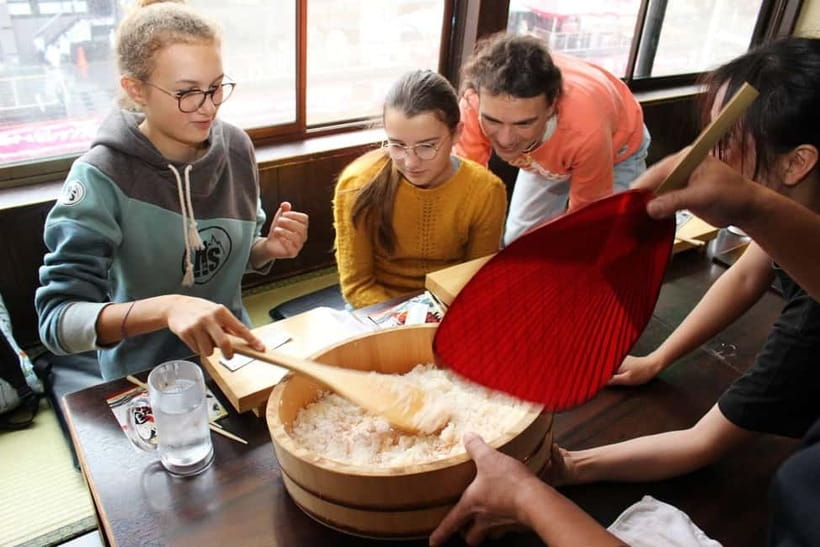
Next comes the sushi rice session. You learn about the unique flavor of Japanese rice and the art of mixing vinegar into it. This is one of the most valuable parts of the class because sushi rice is where many home attempts go wrong.
You don’t just learn what vinegar does. You also learn the logic of balance, because the vinegar mix changes how the rice tastes with seafood. This is the kind of lesson you can carry into future meals, even if you never make sushi again at home.
3) Wasabi tasting, where the aroma leads
Then you do an authentic wasabi tasting. The focus is on the unique aroma and the real spiciness of wasabi. This is a standout moment because it resets expectations.
Store-bought wasabi often feels one-note and harsh. Fresh wasabi tends to feel more layered: smell first, then heat arrives, and the bite changes rather than just burning. In practice, this tasting helps you understand why wasabi is used in small amounts and why placement can matter.
4) Hands-on hand-roll sushi, tools included
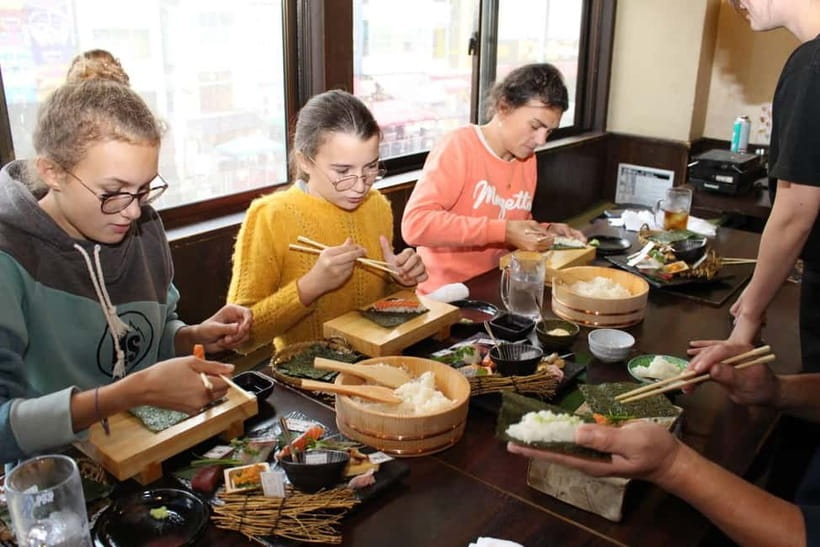
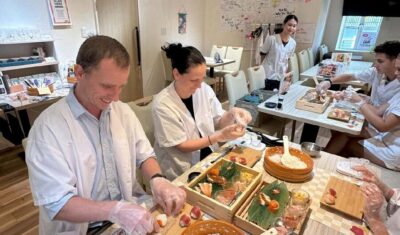
Finally, you get hands-on making your own hand-rolled sushi. All materials and tools are included, and the class includes a 1 drink service (soft drink).
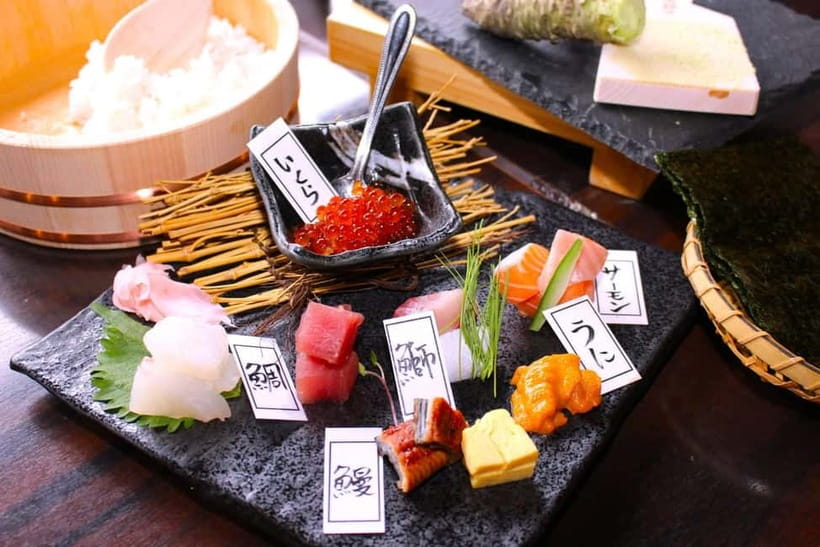
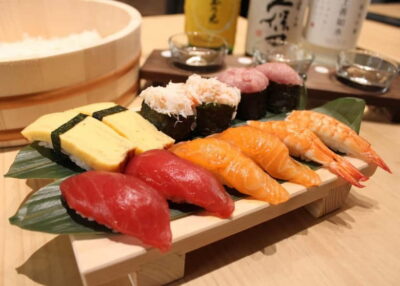
This is where you get to work with seasonal seafood and shape your rolls. One review noted that the presentation includes a wide variety of options for making your rolls, so you’re not stuck with one boring formula. Another review praised the chef sharing homemade soy sauce to pair with the rolls you create, which makes the tasting feel more complete.
A practical expectation: you may eat as you go. One reviewer wished they could have eaten the sushi as a finished platter after rolling, since they wanted to see improvements in their technique all in one batch. So if you prefer a “make it all then plate it” style, you might feel a little rushed. That said, eating what you make also keeps the class lively and gives instant feedback.
What you’ll actually take away about Japanese flavors
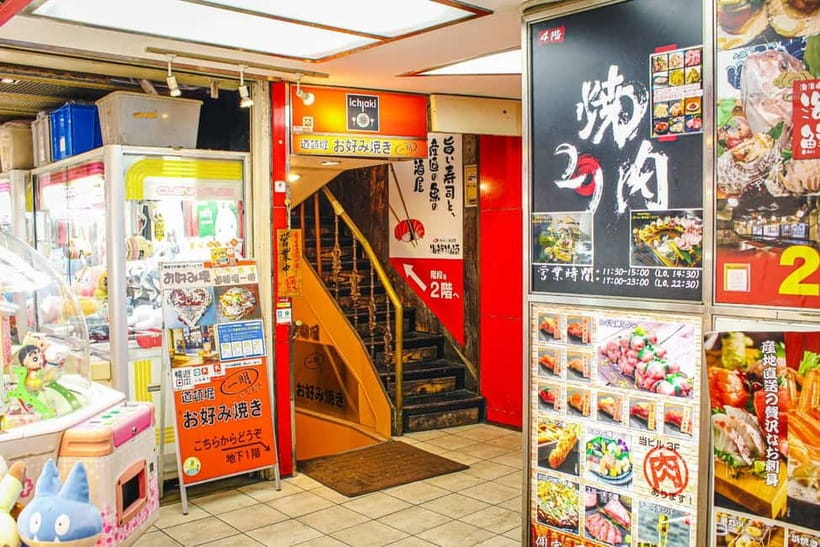
This class is built around seasonal seafood. That means your toppings are chosen based on what’s available, and the goal is to show how those flavors change through the year.
You’ll also learn how wasabi and sushi rice work together. In other words, it’s not just about adding heat. Wasabi affects aroma and taste balance, and the rice seasoning changes how seafood tastes on top.
Another neat touch from the reviews is the homemade soy sauce. That matters because soy sauce isn’t one-size-fits-all. When a chef shares their pairing, you get a more accurate sense of how Japanese flavor combinations are meant to work.
And if you care about “real Japan” details, pay attention to the atmosphere. You’re in a tatami room with river views, so the experience feels local, not like a generic cooking demo in a warehouse.
Tatami room views and the small details that set the tone
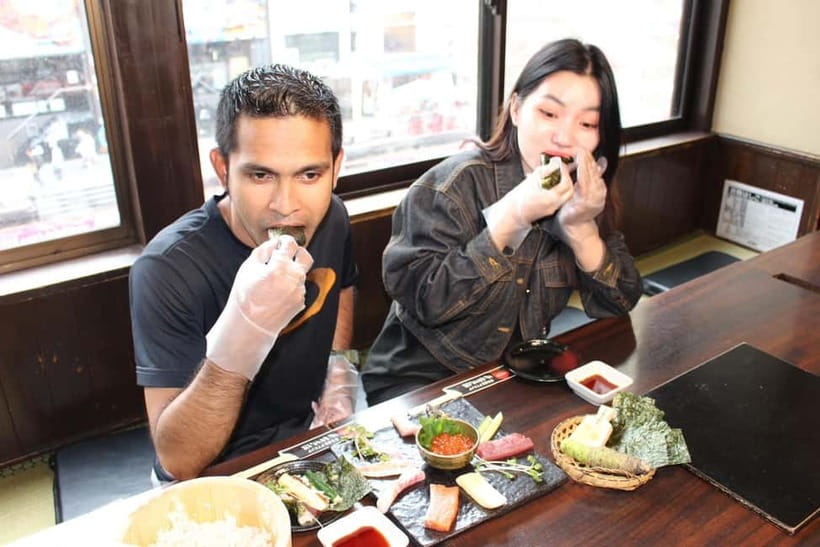
The setting is one of the reasons this class stands out. You relax in authentic tatami rooms while you work and taste. The Dotonbori River view keeps you connected to the location.
Even in a busy district, you’re given a quiet place to focus. That matters because sushi rice seasoning and wasabi tasting are both sensory tasks. You want space to smell, taste, and notice. Tatami seating also encourages a slower pace than a standing counter.
The staff vibe is another big plus. Reviews repeatedly describe friendly, helpful guidance, including a chef who teaches clearly and an assistant who supports you through the process. One reviewer also mentioned a chatty, upbeat waiter. That kind of energy makes the class feel welcoming if you’re nervous about your sushi skills.
Wasabi heat, the one moment that can catch you off guard
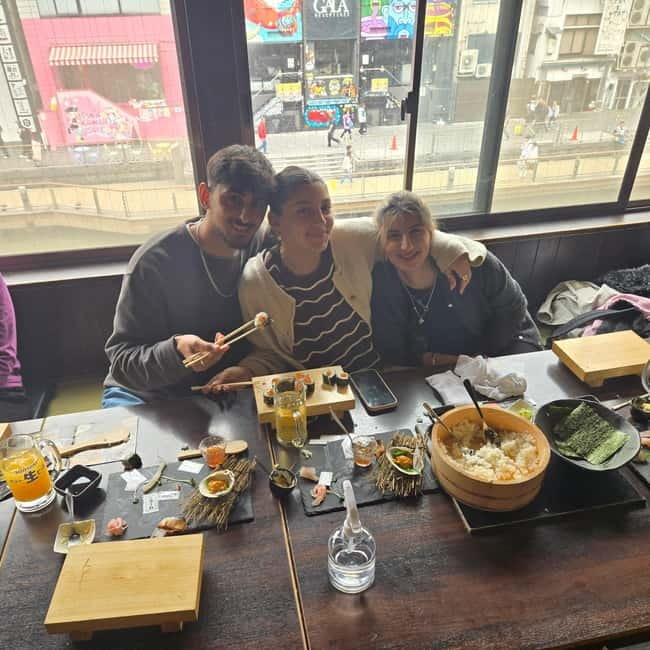
Wasabi tasting is listed as a highlight for a reason. Real wasabi brings a unique aroma and spiciness, and you should assume it will feel more intense than what you might expect from typical sushi condiment bottles.
If you love spicy, you’ll probably enjoy it as a flavor experience rather than a challenge. If you’re sensitive to heat, take it slow. Start with a small taste and pay attention to the smell first. Fresh wasabi often hits in stages, so your first reaction might change once the heat settles.
This is also a moment that teaches you something practical for ordering sushi later. You’ll understand why wasabi is used with intention, not as a generic kick.
Price in Osaka terms, 8,000 yen and what you get for it
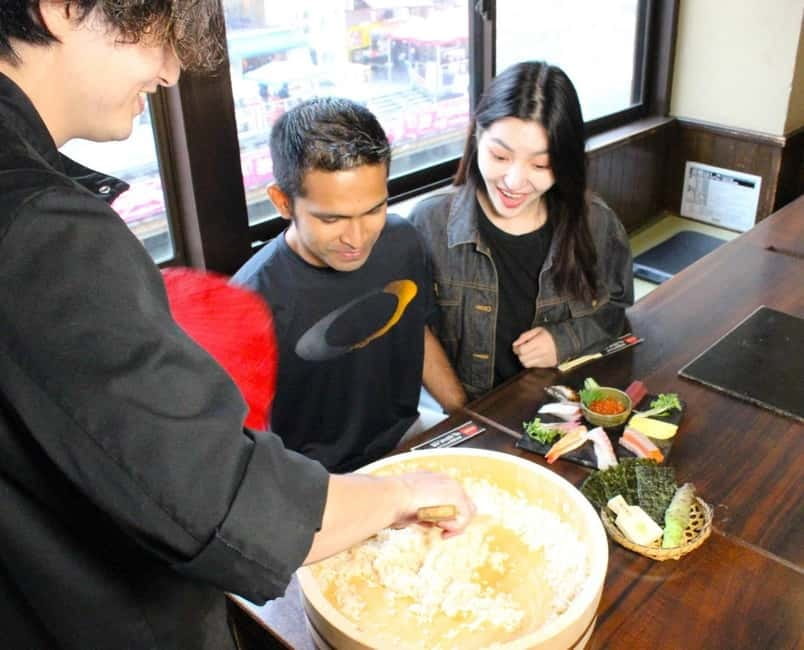
The experience cost is 8,000 yen per person (tax included). The review summary shows a price of about $54 per person, which likely depends on exchange rates.
Is it worth it? For me, the value case is simple: you’re paying for instruction plus ingredients plus tools, and you’re doing it in a location with a real river view. You’re not just buying a meal. You’re getting a sushi rice lesson, a wasabi tasting, and hands-on rolling.
Also, reviews mention that you get a lot for the money, and that ingredients are fresh. One review specifically encouraged you to come hungry because you’ll taste your labor. That’s important because the “lesson” model is most satisfying when it ends with satisfying eating, not just watching.
If you’re on a super tight budget, this may feel steep compared with buying normal sushi in Dotonbori. But if you want a memorable activity that adds knowledge and you actually plan to eat what you make, it becomes much easier to justify.
Who this hand-roll sushi experience suits best
This works best for people who want a hands-on food activity without needing prior cooking skills. It’s also a strong option for families, since one review described learning together as a family of five and emphasized how helpful the staff was.
It’s a good fit if you:
- enjoy learning how food is made, not just eating it
- care about sushi rice technique and seasoning
- are curious about real wasabi flavor and aroma
- want a break from Dotonbori street chaos while staying in the same area
It may be a weaker fit if you:
- require strong control over seafood choice
- hate surprises in what ingredients arrive for you to taste
- prefer a strict restaurant-only experience where you do not eat while the meal is being prepared
What to bring so you feel comfortable in tatami seating
The class asks you to bring:
- hat
- camera
- water
- comfortable clothes
I like this list because it’s practical for Dotonbori. Comfortable clothes matter on tatami seating, and water helps if you’re walking around Osaka before class. A hat is a small but smart idea if you’re out in sun or bright street glare first.
A camera is especially useful here because the river view adds a real “Osaka moment” to your photos, and you’ll likely want to capture your final rolls.
Should you book this hand-roll sushi experience or skip it?
Book it if you want a sushi lesson that actually changes how you taste. The sushi rice focus plus the real wasabi tasting is a rare combo. Add in a tatami room with Dotonbori River views, and you get a memory that feels tied to Osaka rather than just a cooking stop.
Skip it if your top priority is control. If you strongly dislike certain fish, the class may not give you full ingredient choice, and you could end up with something you do not love. Also, if you dislike the idea of eating while you’re still making, this format may feel slightly different from your ideal.
If you’re deciding between another sushi meal and this class, I’d lean this way when you want more than dinner. For the price, you’re buying technique, tasting education, and a pretty great setting to do it in.
FAQ
How long is the hand-roll sushi experience?
Each session lasts two hours.
What time is the experience offered?
It runs twice a day, at 12 pm and 2 pm.
Where is the meeting point?
Meet at 海鮮物語道頓堀店にお越しください, and the activity ends back at the meeting point.
Where is the activity located inside Osaka?
It’s on the 2nd floor of Nico Building, 1 6 12 Dotonbori, Chuo-ku, Osaka.
What’s included in the class?
You get a sushi introduction, a sushi rice making session, a wasabi tasting, and hands-on hand-roll sushi making. All materials and tools are included, plus one soft drink.
What language is the experience taught in?
The class is available in English.
What should I bring with me?
Bring a hat, camera, water, and comfortable clothes.
Fresh options around Osaka
- Nara private tour (Shore excursion available from Osaka or Kobe port)★ 5.0 · 13 reviews
- Private Japanese Cooking Class in Osaka with Culinary Expert Yoko★ 5.0 · 13 reviews
- Osaka: Kyoto & Uji Historical Sites and Scenic Delights Tour★ 4.7 · 13 reviews
- Osaka: Private Ceramic Painting Workshop★ 5.0 · 13 reviews
- Osaka Street Food Festival :Takoyaki&Okonomiyaki for Families★ 5.0 · 13 reviews
- Osaka: Osaka Castle 3 hours Historical Walking Tour★ 4.6 · 14 reviews
- Make Sushi and Create Unforgettable Memories in Osaka★ 5.0 · 14 reviews
- Osaka Castle Tour – With Optional City Highlights (3 hours)★ 4.5 · 14 reviews
Sushi Making Classes in Osaka, compared.
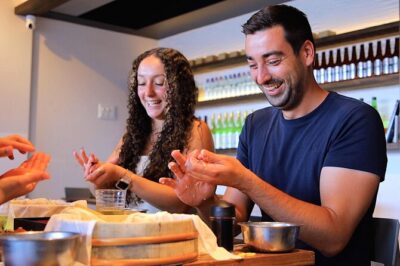
Sushi Making Osaka Roll and Authentic Japanese Sushi Class
Read our review →
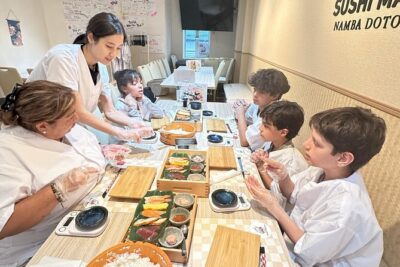
Osaka Sushi Making Class – Hands-On Nigiri & Rolls (Same-Day OK)
Read our review →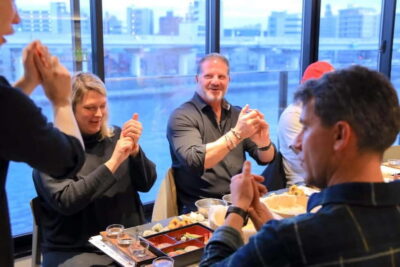
Roll and Authentic Sushi Making Class in Dotonbori
Read our review →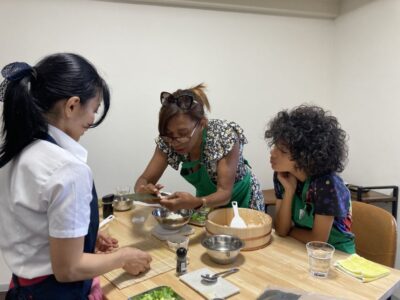

Browse the lists this tour appears in