
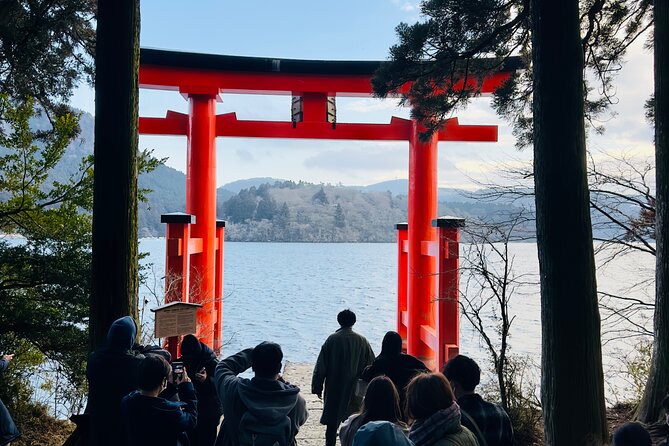
Reviewed · MT FUJI TOURS
Mt. Fuji, Cherry Blossom & Shiba Sakura Pvt. Day Tour
Fuji day trips feel like magic. This private 10 hour tour takes you out of Tokyo with roundtrip private transport and a day plan built around iconic viewpoints like Chureito Pagoda and Lake Kawaguchiko. I especially like the comfort side, a/c vehicle plus a WiFi hotspot, and the fact you can choose from several morning start times.
The big tradeoff: you are moving through several stops in one long day, and the day’s best Mt Fuji views depend heavily on weather. If clouds roll in, you still get gardens, shrines, and scenic lakes, but the mountain moment may be less dramatic.
Key points to know before you go
- Private pickup from Tokyo Station (Marunouchi), with the tour ending back at the same meeting point
- WiFi hotspot in the vehicle, helpful for maps, messaging, and keeping your photos coming
- Multiple morning start times, so you can pick what works for your energy and the light
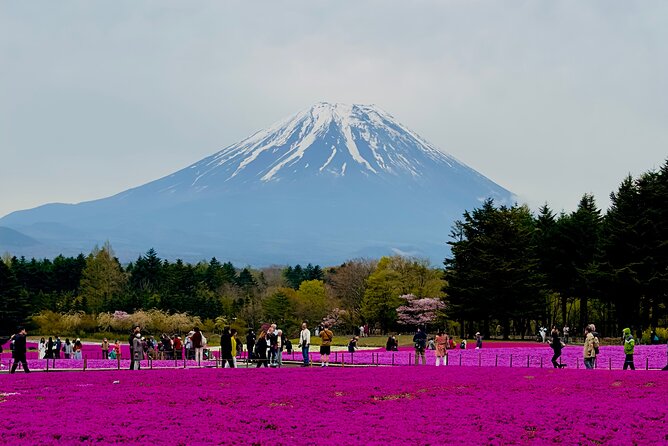
- Fuji viewing stops designed for blossom season, including Chureito Pagoda and Oishi Park
- Real flexibility when conditions change, with drivers reported to adjust the timing to fit better views
- One extra cost to plan for at the 5th Station, the Subaru Line entry fee is not included
Why private transport from TokyoStation changes the whole day
Tokyo to Mt Fuji can be a logistics puzzle. Routes, transfers, and schedules can turn a dream day into stress, so starting with pickup and private roundtrip travel is a quality-of-life win.
You meet at Tokyo Station, 1 Chome-9 Marunouchi and you ride in an air-conditioned vehicle with a mobile ticket. That matters, because the Fuji area rewards good timing, and a private car helps you avoid spending your morning decoding trains and platforms.
One more practical perk: the car can be upgraded to a luxury vehicle option. Even if you do not go for the upgrade, the included WiFi hotspot makes it easier to coordinate your pace, check weather, and keep your group synced.
More Mt Fuji tours from Tokyo:
- Mt Fuji and Hakone 1-Day Bus Tour Return by Bullet Train
★ 5.0 · 26,383 reviews - Mt Fuji & Hakone Cruise, Drum Show Bullet Train 1 Day from Tokyo
★ 4.0 · 7,413 reviews - Tokyo Mt Fuji 5th St & Hakone Cruise Bus Tour w/Bullet Train
★ 4.4 · 5,024 reviews
The 10 hour itinerary, paced for photos and breathing room
This is a full-day format, about 10 hours, with a start in the morning and a return to the meeting point in Tokyo. The schedule is structured but not too rigid, with time blocks at each stop that let you wander without feeling like you are sprinting every minute.
Still, it is not a slow countryside picnic day. You will cover six major stops from the Fuji 5th Station area down through the Fuji Five Lakes region, which means you will enjoy the views more if you keep your expectations realistic about travel time.
Stop 1: Mt. Fuji 5th Station, Subaru Line ticket and the seasonal shuttle detail
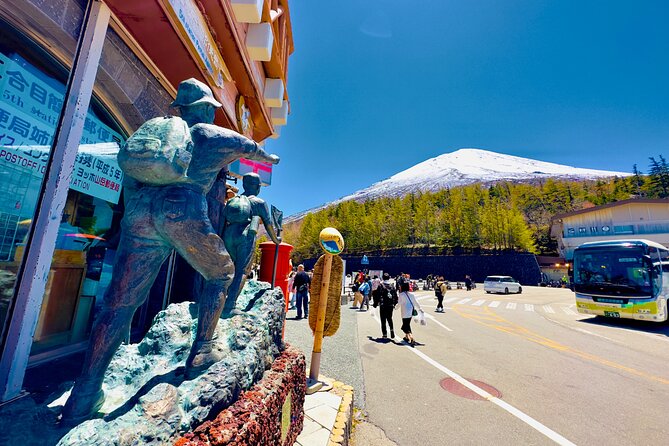
Your first big moment is Mt. Fuji 5th Station, chosen for being among the most accessible of the four main 5th stations. The Fuji Subaru Line 5th Station is described as being accessible almost year round, snow conditions permitting, and it is a popular sightseeing spot even when most people are not climbing.
Important cost note: the Subaru Line 5th Station entry fee (¥2100) is not included. The rest of the day’s listed admissions are marked as free, but you should budget for this upfront.
Also note the seasonal shuttle detail. During the hiking season window, July 6, 2024 to September 10, 2024, there is a shuttle service for Mt. Fuji 5th Station, with a ticket price of ¥2500 (about $20). If your day falls outside that window, the shuttle may not apply, but if you go during that season range, it can affect timing and what you need to purchase.
How to get the most out of the 5th Station
At the 5th Station, the view is the prize, but conditions can change fast. Pack for layers, expect some wind, and treat this as your main “Fuji photo” stop rather than the place you wait forever for perfect skies.
If clouds wipe the mountain, you still get a unique high-altitude atmosphere and a strong sense of place. This is one of the reasons the 5th Station stop is worth planning carefully, even when the weather is uncertain.
A few more Tokyo days worth comparing
- 1-Day Tokyo Bus Tour
★ 5.0 · 14,250 reviews - Tokyo: TOKYO SKYTREE® Admission ticket
★ 4.5 · 11,192 reviews - Tokyo: teamLab Planets TOKYO Digital Art Museum Entry Ticket
★ 4.6 · 9,779 reviews - Tokyo: Sumo Show Experience with Chicken Hot Pot and a Photo
★ 4.8 · 6,678 reviews
Stop 2: Chureito Pagoda and why cherry blossoms there look unreal
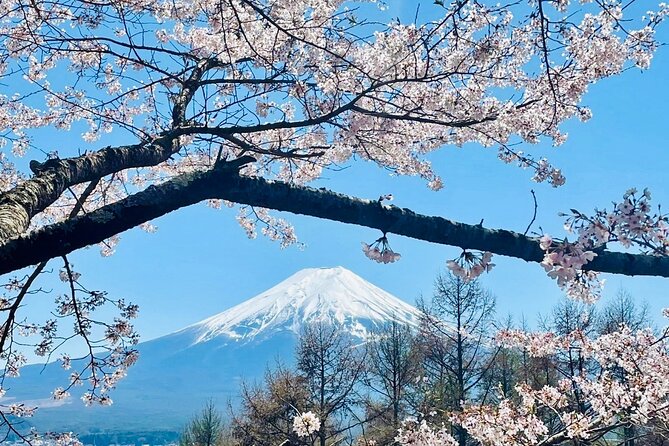
Next is Chureito Pagoda, famous for the classic composition of the pagoda against Mt. Fuji. During cherry blossom season, it also becomes a bloom-and-view combo, with nature, blossoms, and flowers all working together in the same frame.
You get about 2 hours here, which is enough time to walk the approach area, pick a viewpoint, and still avoid spending your whole visit waiting in one exact spot. Admissions are listed as free, so your main cost is time and your appetite for photos.
A practical photo tip
Plan to take photos from a couple of angles, not just one. The pagoda area changes with your position, and you will likely want one wider shot that includes Fuji and blossoms plus a tighter shot that focuses on the blossoms and pagoda lines.
If Fuji is visible, this is where the day starts to feel like the brochure. If it is not, you can still enjoy the flowers and the shrine grounds vibe.
Stop 3: Oshino Hakkai, crystal water ponds, and the World Heritage stop
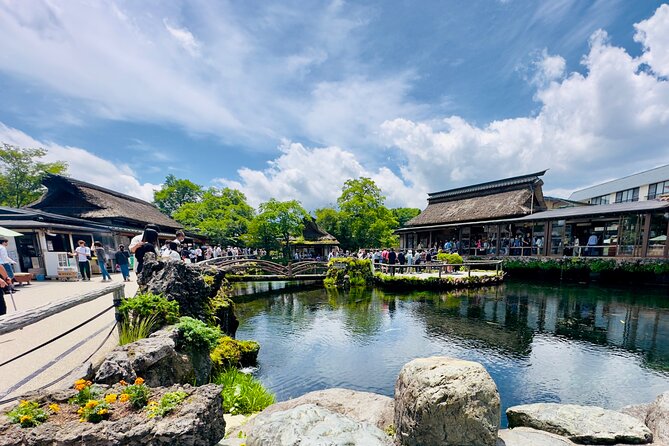
Then you head to Oshino Hakkai, a World Heritage site announced in 1934. This is a place for slow wandering, not just picture-taking, with more than 300 cherry blossom trees during blossom season and a calmer rhythm than the busier Mt. Fuji areas.
You get about 1 hour 30 minutes here. The layout centers on eight compounds of clear crystal water, plus small shops for food and gifts. It is the kind of stop where you can actually snack, browse souvenirs, and still feel like you are experiencing something local, not just checking boxes.
What makes Oshino special
The water is the theme. Even if you are not obsessed with springs and ponds, the setting makes the whole Fuji region feel more real, like a lived-in landscape instead of a single viewpoint.
Because shops and food are part of the stop, it is also a good moment to decide how you want to handle lunch later. Lunch is not included, so you will be choosing your own option at some point during the day.
Stop 4: Kitaguchi Hongu Fuji Sengen Jinja and the ancient gate moment
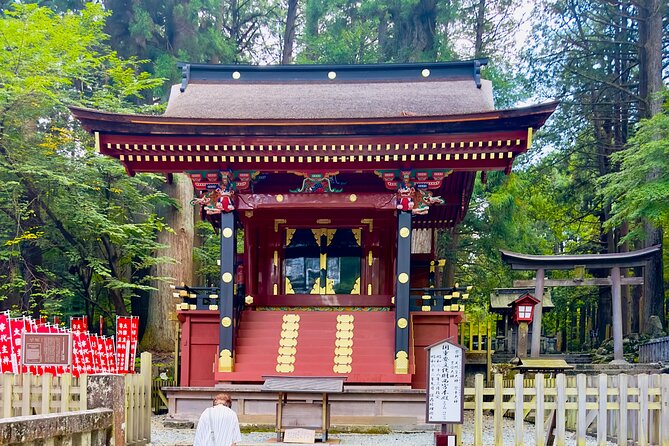
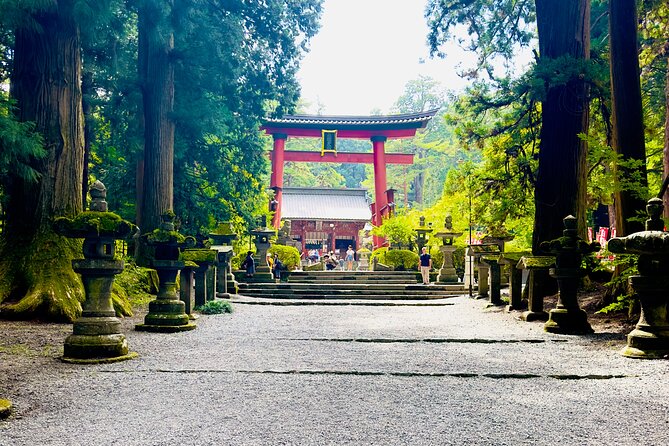
After the water village, you shift gears to spirituality at Kitaguchi Hongu Fuji Sengen Jinja. This shrine stop focuses on atmosphere: an old and high wooden gate, surrounded by large trees, plus the calm you expect from a forested shrine path.
You have about 1 hour here. The stop is described as peaceful, with two big trees said to be 1000 years old, which is the kind of detail that makes the place feel grounded and not just scenic.
Admissions are listed as free, so your main investment is time and attention. If you like shrines, you will enjoy the contrast between water, blossoms, and the quiet forest space.
Stop 5: Lake Kawaguchiko, ropeway panorama, and cruise time
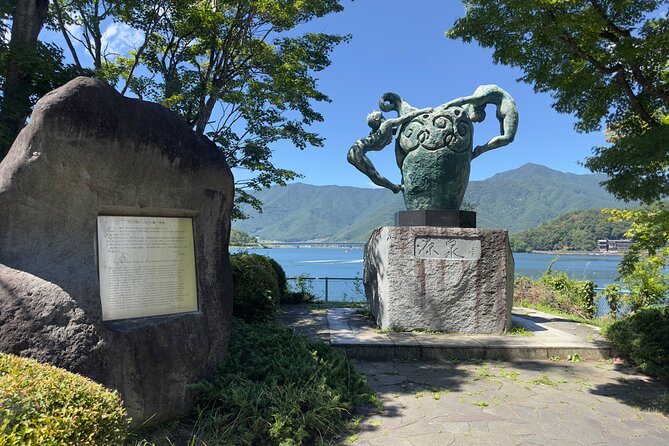
Now you move into the action of the Fuji Five Lakes region with Lake Kawaguchiko. This is one of the most visitor-friendly spots on the itinerary, with plenty of viewpoints and amenities.
You have about 1 hour 30 minutes here, and admissions are listed as free. The area is known for a ship cruise and the Kachi Kachi ropeway, and you can enjoy panoramic views from the ropeway.
Why this stop is great even when Fuji is shy
Lake Kawaguchiko is scenic on its own, and it gives you a break from the “one mountain photo” mindset. Even on days when the summit is partly hidden, you may still catch layered views of lake, sky, and surrounding slopes.
It also helps for families and mixed groups, because you have options like ropeway time and lakeside walking plus restaurants and gift shops.
Stop 6: Oishi Park, seasonal flowers, and the Fuji view again
Finish with Oishi Park, on the northern shore of Lake Kawaguchiko. This is designed as a flower-view complement to the earlier Fuji stops, especially during blossom season and other seasonal bloom periods.
You get about 1 hour here. The park is known for beautiful views of Mt. Fuji and flower displays, including lavender in summer and cosmos in autumn, plus walking paths, a herb garden, and seasonal events.
The best mindset for Oishi Park
Think of Oishi Park as the “slow down and reset” moment before you head back to Tokyo. Your walk will likely be more pleasant if you pace it like a stroll, not a speed route, and save your group photo push for when you find the clearest viewpoint.
Gift shops and snack stops can help too, especially since lunch is not included. If you end up eating earlier, this is a nice place to reward yourself with an ice cream or something quick by the lake.
Price and value: what $400 per group really buys
The price is $400 per group, up to 5 people. In practical terms, that can work out to a decent per-person rate compared with piecing together multiple train tickets plus taxis plus the stress factor of transfers.
This tour includes:
- Air-conditioned vehicle
- Private transportation
- Hotspot on the board
- All fees and taxes
It does not include:
- Subaru Line 5th Station entry fee (¥2100)
- Lunch
- Breakfast
- Alcoholic beverages
So the “real” cost usually comes down to two things you should plan for: the 5th Station entry fee, and whatever you choose for meals. Because lunch and breakfast are not included, you have more freedom to pick a restaurant that fits your tastes and budget, but you also need to be ready to find your own spot during the stop windows.
When this price makes the most sense
This is best value when:
- You are traveling in a small group of up to 5.
- You want Mt. Fuji without spending your day switching trains.
- You care about timing and want the option to shift the day plan if skies change.
Guides, communication, and the kind of day you get
One of the strongest signals in the feedback is the guide experience. Names that come up include Harry, Rana, Mohsin, Awais, Dav, and Dev. Across those guide stories, the common thread is punctual pickup, clear communication, and a willingness to adjust when weather affects visibility.
A few more practical guide habits that stand out:
- Checking in ahead of time so pickup is less confusing
- Helping with timing at each stop so you do not miss the best light
- Offering lunch recommendations, including for specific food preferences when you flag them early
- Taking extra time for photos so you get proper Fuji shots, not just quick snaps from across the parking lot
A possible drawback to consider
Not every day stays perfectly smooth. Some experiences can hinge on guide English fluency and how much explanation you get at each stop. If you want deep commentary at every site, make that your priority in your booking notes or ask before you go.
Also, during cherry blossom season, crowding can slow you down. Even the best plan cannot erase that, so keep your expectations flexible and focus on enjoying the places, not beating the crowd.
Morning start times and how to choose yours
This tour offers several morning start times. That choice matters because Fuji visibility often rewards earlier hours, and crowds can build as the day moves forward.
If you want the best shot at clear views, choose a start that gets you to the earlier viewpoints sooner rather than later. If you are traveling with older adults or anyone who gets tired easily, a later morning can still work, but you might trade some visibility odds for a calmer pace.
Either way, the private transport keeps the day feeling controlled. You are not forced into the rigid timing of trains, and that flexibility is a big part of why people like this style of day trip.
What to pack and how to make it feel effortless
You will thank yourself for packing for variable conditions. At the 5th Station, weather can feel different from Tokyo, and lakeside areas can be breezy.
A simple packing list that fits this kind of itinerary:
- Layers for the 5th Station and cooler lake air
- Comfortable shoes for shrine grounds and park walking
- A charged phone, since there is in-car WiFi but you will still want offline backup maps
- Cash for the 5th Station entry fee, plus any snacks or extra purchases
Also, since lunch and breakfast are not included, you should decide what style of food you want during the day. If you have dietary needs, tell your guide early so your options are easier to find.
Who this tour suits best
This tour fits best if you want:
- A private day trip with minimal Tokyo transfer stress
- Cherry blossom and Fuji viewing without spending half the day figuring out routes
- A mix of iconic spots and calmer nature breaks, including Oshino Hakkai and shrines
- Comfort upgrades like air-conditioning and optional luxury vehicle
It might not be ideal if:
- You dislike long travel days with multiple stops
- You expect lunch to be handled for you, because meals are your responsibility
- You want extensive commentary at every stop, because guide experience can vary
Should you book this private Mt Fuji and cherry blossom day tour?
If you want Mt. Fuji plus cherry blossom season stops with comfort and flexible timing, this is a strong pick. The biggest reasons to book are the private roundtrip transport, the WiFi hotspot, and the structured route that hits both classic viewpoints and quieter nature stops.
My advice: book it if you can handle a full day and you plan for the extra ¥2100 Subaru Line fee. Skip it or adjust expectations if weather can frustrate you, or if you need deep site explanations in highly fluent English. With good skies, this itinerary can turn into one of those days you remember for years. With cloudy skies, you still get real Fuji-region culture, water, shrines, and seasonal flowers.
FAQ
What is the duration of the tour?
The tour runs for about 10 hours.
Where do we meet, and where does the tour end?
Meet at Tokyo Station, 1 Chome-9 Marunouchi, Chiyoda City, Tokyo 100-0005, Japan. The tour ends back at the same meeting point.
How many people are in the private group?
It is a private tour, and the group size is up to 5 people.
What is included in the price?
The tour includes an air-conditioned vehicle, private transportation, a WiFi hotspot in the vehicle, and all fees and taxes.
What is not included?
The Mt. Fuji 5th Station Subaru Line entry fee (¥2100) is not included, and lunch, breakfast, and alcoholic beverages are also not included.
Is WiFi available during the trip?
Yes. There is a WiFi hotspot on board.
Does the tour require good weather?
Yes. The experience requires good weather. If it is canceled due to poor weather, you will be offered a different date or a full refund.
What is the cancellation policy?
You can cancel up to 24 hours in advance for a full refund. If you cancel less than 24 hours before the experience starts, the amount paid is not refunded.
Fresh options around Tokyo
- Tokyo: Nikko Kegon Falls Lake Chuzenji Toshogu Temple & More★ 4.9 · 12 reviews
- Tokyo: Samurai History Walking Tour★ 5.0 · 12 reviews
- Harajuku: Kawaii Fashion and Pop-Culture Tour★ 4.7 · 12 reviews
- Tokyo: Mt. Fuji & Lake Kawaguchi Instagram Full Day Trip★ 4.1 · 12 reviews
- Shibuya Tokyo: Modern Kintsugi Workshop in Shibuya★ 5.0 · 12 reviews
- Tokyo: GTR Guided Daikoku Experience at Night★ 5.0 · 12 reviews
- Tokyo: Daikoku JDM Car Culture Tour★ 4.6 · 12 reviews
- Mt Fuji Private Day Trip from Tokyo with English speaking driver★ 5.0 · 13 reviews
Mt Fuji Tours, compared.
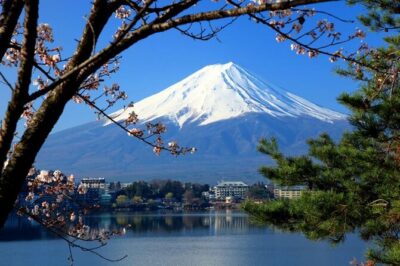
Mt Fuji and Hakone 1-Day Bus Tour Return by Bullet Train
Read our review →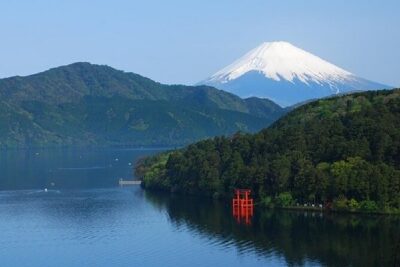
Mt Fuji & Hakone Cruise, Drum Show Bullet Train 1 Day from Tokyo
Read our review →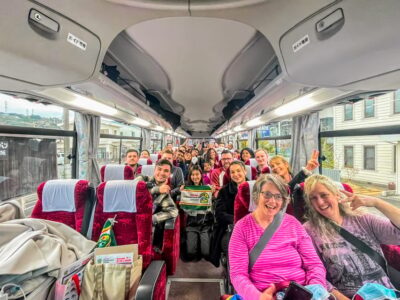
Tokyo Mt Fuji 5th St & Hakone Cruise Bus Tour w/Bullet Train
Read our review →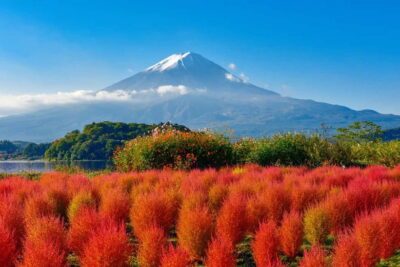
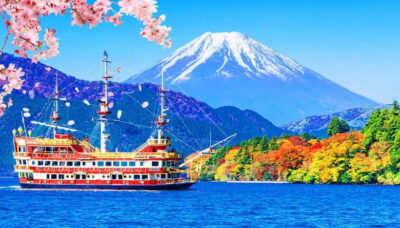
Mt. Fuji Tour, Hakone Ropeway, Owakudani, Lake Ashi
Read our review →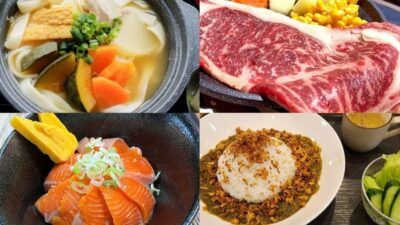
Mt.Fuji,Kawaguchiko Oishi Park,Arakurayama Sengen Park
Read our review →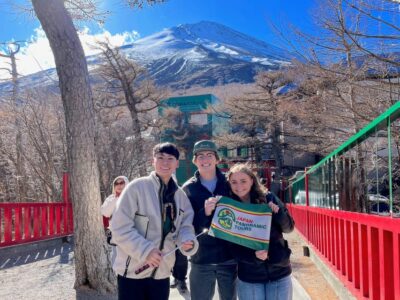
Mt. Fuji 5th Station & Hakone Cruise 1-Day Bus Tour
Read our review →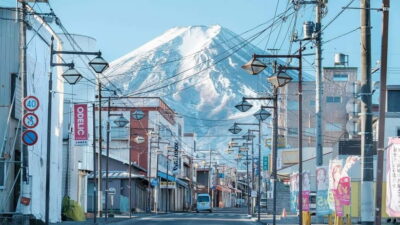
Mt Fuji Top 5 Spots Day Tour: Arakurayama Park,Oshino Hakkai
Read our review →Browse the lists this tour appears in