
Reviewed · MT FUJI TOURS
Tokyo: Mt. Fuji Tour, Hakone Ropeway, Owakudani, Lake Ashi
Fuji is the star, but the route does the selling. This 10-hour day trip from Tokyo strings together Lake Ashi views, volcanic Owakudani, and Fuji-fed ponds at Oshino Hakkai in one organized sweep. I like how the tour hits iconic spots without making you plan transfers, and I especially like the way it balances classic viewpoints with a real, hands-on stop in Hakone’s geothermal zone.
Two highlights I’m drawn to: the red torii gate at Lake Ashi (when it’s open) and the Hakone Ropeway ride, which gives big panoramic chances even if the day is partly cloudy. My main caution is simple: Mt. Fuji visibility is weather-dependent, and if visibility is poor you may lose some of the magic, especially on the boat and from higher viewpoints.
Key Things You Should Know Before Going
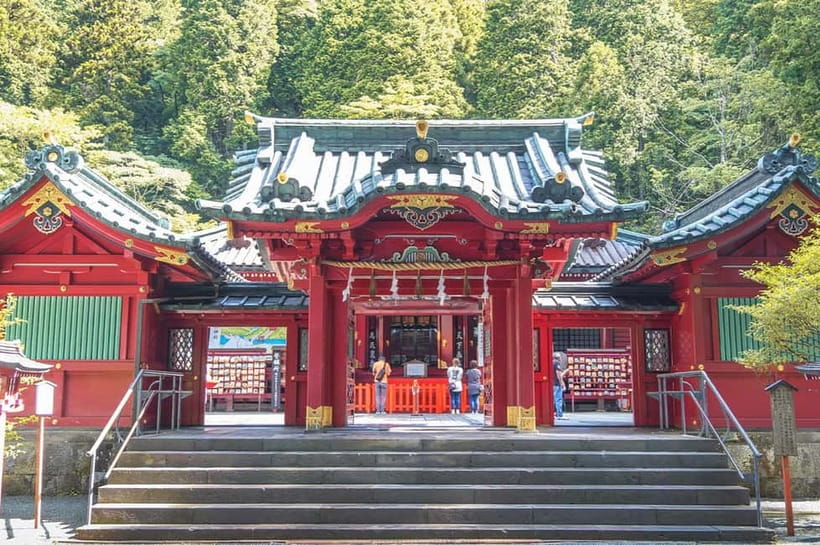
- Red torii at Lake Ashi is the photo anchor, with seasonal closure noted for late December to early February.
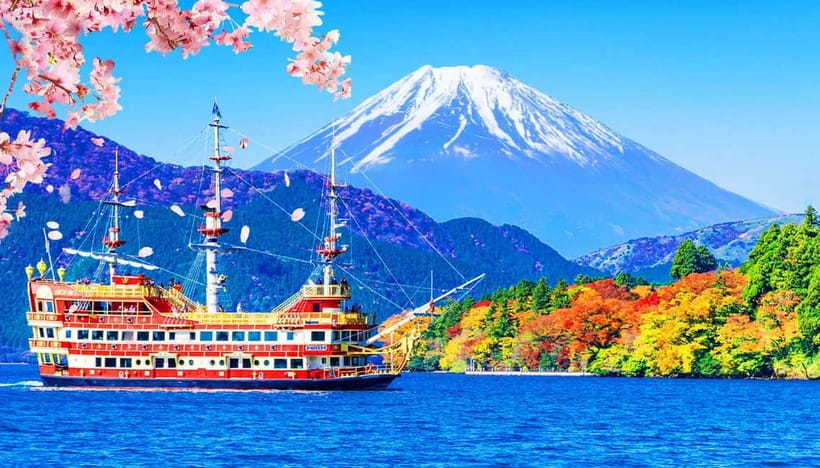
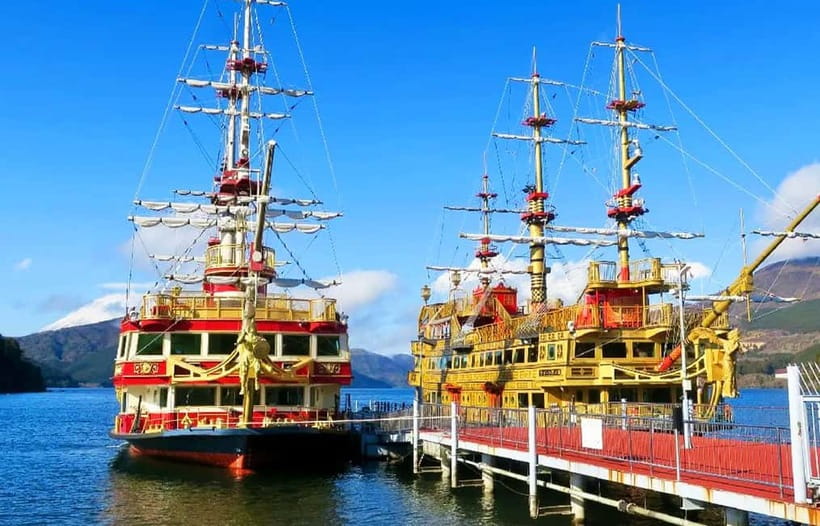
- Pirate ship cruise is optional and paid on your own, but it’s a popular way to frame Fuji and the torii from the water.
- Hakone Ropeway is included, and it’s the easiest way to earn height without fuss.
- Owakudani is geothermal reality, including the famous tradition of trying black eggs.
- Lunch is not included, so plan snacks and a meal later at the guided restaurant stop.
A 10-hour Fuji Day That Packs Real Change of Scenery
This tour is designed for one thing: seeing more than just one postcard. You start in Tokyo, then swap city rhythm for Hakone’s lakeside shrines and sulfur steam, and finally end in a calmer, pond-filled pocket of the Fuji area at Oshino Hakkai.
For the price, the value comes from what’s bundled. You’re getting air-conditioned bus transport with parking handled, plus a multilingual guide and the Hakone Ropeway fare. That’s a practical combo for a day where timing matters, because lines, weather, and traffic can all slow you down if you’re doing it DIY.
The group format is a shared tour with a guide who speaks English, Japanese, Chinese, and Korean. In the reviews, guides like Wanting, Leonard, Jack, Kousei, Sato, Tom, and Andrew get praised for staying on schedule and explaining what you’re seeing, and that matters on a day where you have only a few windows at each stop.
More Mt Fuji tours from Tokyo:
- Mt Fuji and Hakone 1-Day Bus Tour Return by Bullet Train
★ 5.0 · 26,383 reviews - Mt Fuji & Hakone Cruise, Drum Show Bullet Train 1 Day from Tokyo
★ 4.0 · 7,413 reviews - Tokyo Mt Fuji 5th St & Hakone Cruise Bus Tour w/Bullet Train
★ 4.4 · 5,024 reviews
Tokyo Pickup, Then Straight Toward Hakone
You meet at one of two Tokyo locations, either Tokyo Station or Shinjuku Station, and then board a comfortable, air-conditioned coach. The ride is roughly two hours, so you’re not burning your morning just to “get there.”
A small but important detail: no eating is allowed in the bus. One reviewer pointed out the practical fallout, they wished they had eaten before the early pickup, because the first food opportunity comes later at the sightseeing stops. I’d treat breakfast as non-negotiable and bring a small snack for the ride, especially if you’re prone to getting hungry early.
Once you’re settled, your guide starts doing the job you want a guide to do: explain what you’ll see, where photos usually work best, and how to keep the day moving. On past tours, guides like Jack are also called out for helping people who get separated in the meeting area, which is worth remembering if you’re new to Japan and still learning how to match your group to the right staff member.
Heiwa no Torii and Hakone Shrine on Lake Ashi
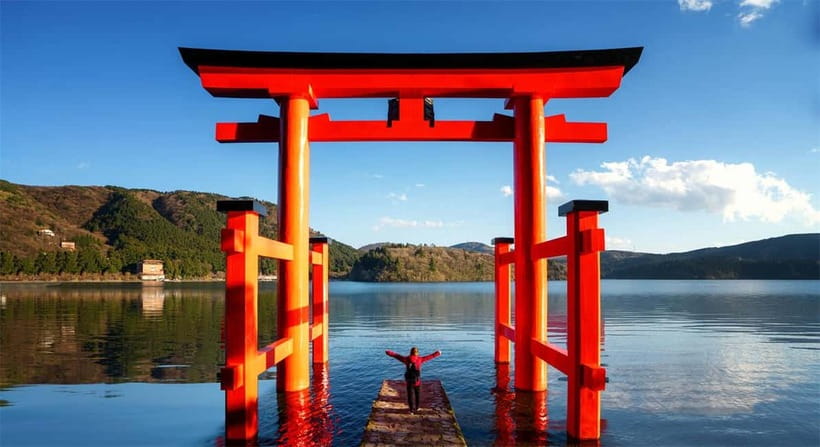
Hakone’s most recognizable scene is the red torii at Lake Ashi. Your itinerary includes a stop at Heiwa no Torii (the torii viewpoint) and also time at Hakone Shrine.
Here’s what makes this stop feel special, even if you’ve seen it in pictures before. The torii sits right on the water’s edge, and the air around it tends to feel cooler and quieter than Tokyo, especially once the bus traffic thins out. If the weather cooperates, the view can include a clear angle back toward Mt. Fuji.
Important seasonal note: the torii gate is listed as closed from Dec. 28 to Feb. 10, 2026. If you’re traveling inside that window, adjust your expectations. You’ll still see the shrine area and Lake Ashi scenery, but the iconic torii photo might not be available.
Your time here is short, but that’s part of why the tour works. You’ll get enough minutes to take photos and walk the area without feeling like you need an entire afternoon just to “arrive and look.”
Optional Pirate Ship on Lake Ashi (Paid Separately, Often Worth It)
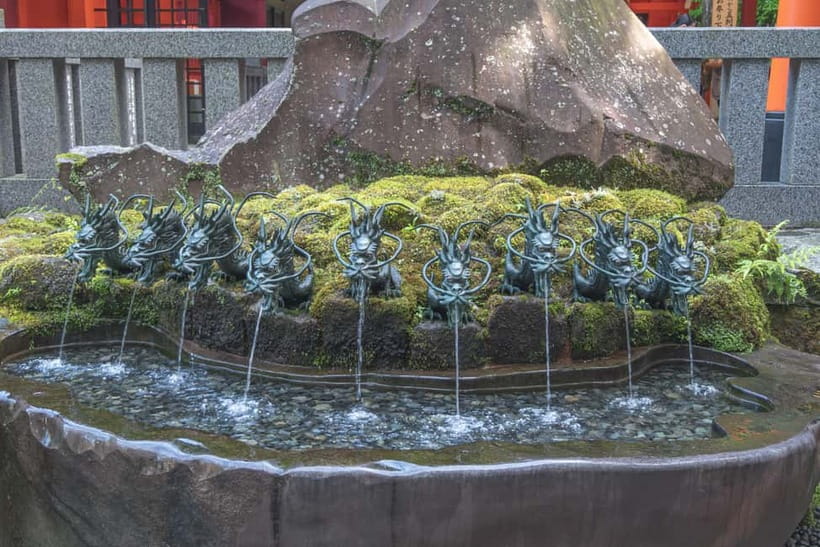
This is one of the simplest choices on the day, because the pirate ship cruise is optional and self-paid (around 1,700 JPY). If you want the torii, lake, and Fuji framed from water level, this is the easiest upgrade.
If skies are clear, the cruise can feel like the most cinematic moment of the tour. In reviews, people call out the pirate ship views as a standout, and one even said it was worth paying extra for. If visibility is weak, that same view might feel flatter, because Mt. Fuji visibility is not guaranteed.
You also have a practical routing choice. The plan includes the cruise, but if you prefer not to wait for boat boarding or crowds, you can travel by vehicle to the Togendai Ropeway Station instead. That flexibility is useful on a shared tour, when delays at one stop can ripple through the schedule.
A few more Tokyo days worth comparing
- 1-Day Tokyo Bus Tour
★ 5.0 · 14,250 reviews - Tokyo: TOKYO SKYTREE® Admission ticket
★ 4.5 · 11,192 reviews - Tokyo: teamLab Planets TOKYO Digital Art Museum Entry Ticket
★ 4.6 · 9,779 reviews - Tokyo: Sumo Show Experience with Chicken Hot Pot and a Photo
★ 4.8 · 6,678 reviews
Hakone Ropeway Panoramas, Then Up Toward Owakudani
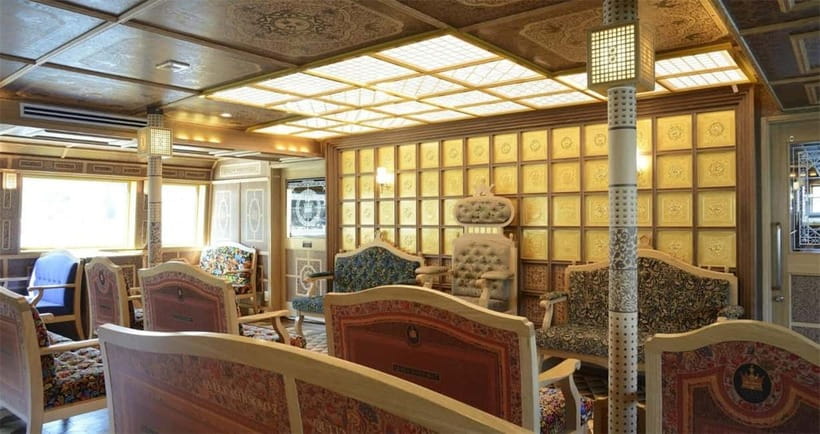
Next comes the included Hakone Ropeway. This is where the day turns from “lake and shrine photos” to “volcanic viewpoint photos.”
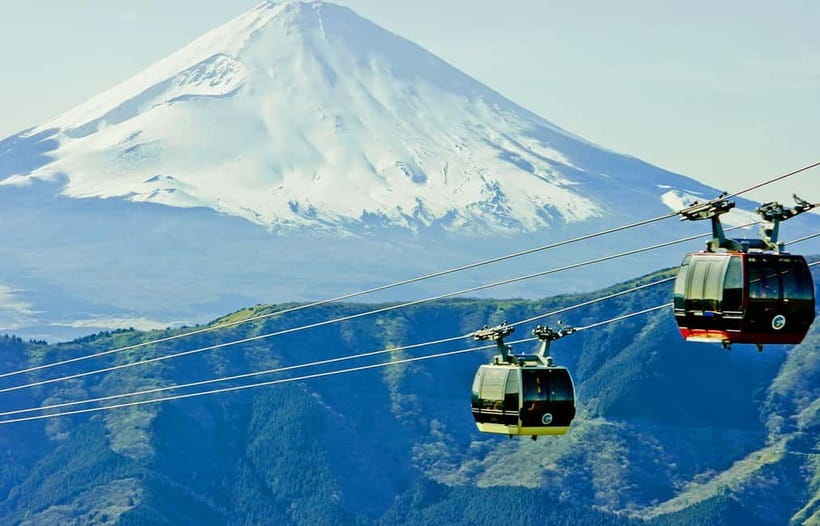
The ropeway is timed for convenience: you ride up, you get wide angles, and you avoid the need to coordinate separate transit on your own. Expect panoramic views of Mt. Fuji and Lake Ashi when the weather allows it, but also know this honestly: if Fuji is hidden behind cloud, you’ll still get big mountain-and-valley scenery. The ride is valuable even without a perfect Fuji silhouette.
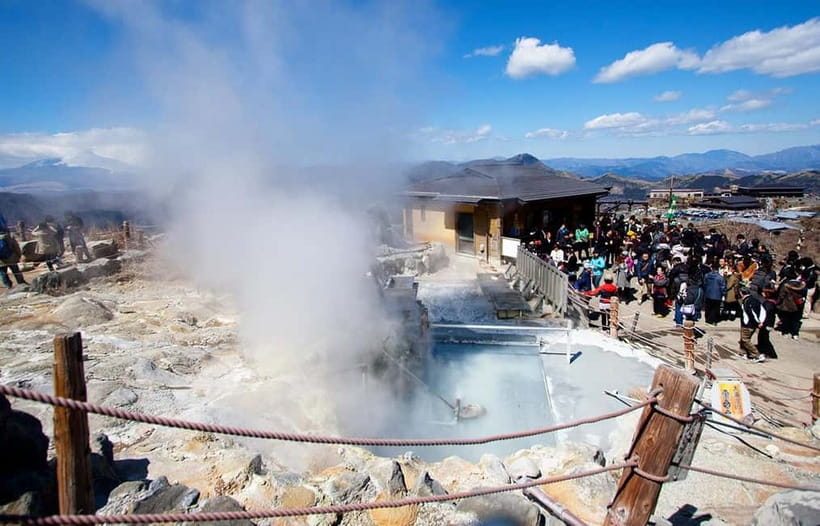
From the ropeway, you head toward Owakudani, the volcanic valley created by an eruption around 4,000 years ago. Owakudani is one of those places where the scene matches the name. Steam, sulfur smells, and a dramatic rocky environment make it feel less like a “tour stop” and more like a living outdoor science exhibit.
Your time at Owakudani is about 50 minutes with a guided tour and sightseeing time.
Owakudani Volcanic Valley: Black Eggs and Geothermal Atmosphere
Owakudani is famous for its geothermal activity, and the tour leans into the experience with an included moment you can actually taste: black eggs boiled in volcanic spring water.
This is a small thing, but it gives the stop personality. You’re not only looking, you’re participating. If you’ve never tried them before, it’s a fun, easy snack to anchor your memories of the geothermal zone.
I also like how this stop gives you a contrast within the day. Lake Ashi and the shrine are slow and scenic. Owakudani is active and sensory. That variety is what keeps a long day from feeling repetitive.
Wear comfortable shoes. The ground around volcanic areas can be uneven, and you’re moving around for photos plus a guided walk. If you have any breathing sensitivities, this is not an ideal stop for you, since the tour specifically lists people with respiratory issues as not suitable.
Lunch Without the Guesswork, and Why Snacks Matter
Lunch is not included in the tour price. You’ll have a break with about 40 minutes at a local restaurant suggested by the guide.
In practice, this means you should treat hunger management as part of your planning. The tour also forbids eating in the vehicle, so your best strategy is:
- have breakfast before you go
- bring a snack or two you can eat at a stop
- then use the restaurant time for a proper meal
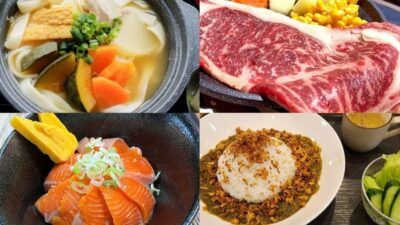
Some reviews mention specific choices like wagyu beef lunch, and that restaurant stop can be a highlight when you’re ready for a warm sit-down meal after a long morning of walking and wind.
If your stomach is picky, keep it simple. During a packed schedule, it’s better to choose familiar items than gamble on an unfamiliar menu when you only have one short meal window.
Lake Yamanaka Swan Lake Shore for Fuji Backdrops
After lunch, you head to Lake Yamanaka, one of the Fuji Five Lakes, and stop at the Swan Lake Shore. This is set up as a photo stop with free time, about 20 minutes.
What makes this moment worth it is the framing. The goal is to catch swans with Mt. Fuji in the background, when conditions line up. Even if Fuji is not visible, the lake setting can still provide nice scenery and a chance to slow down for a moment.
Be aware of a realistic downside: schedules can tighten. One review noted that swan feeding time got skipped due to running behind schedule. The takeaway for you is that this stop is time-flexible. Go ready to take photos quickly, not ready for a long sit.
Oshino Hakkai Ponds: Fuji Snowmelt in Eight Clear Pools
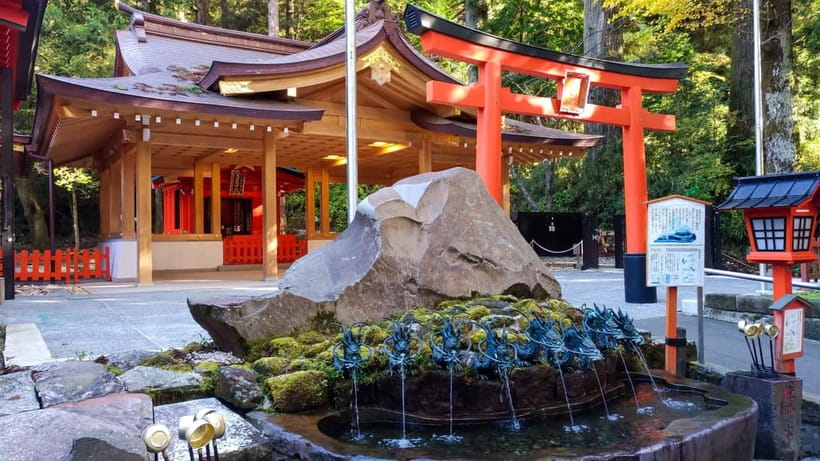
Your final sightseeing stop is Oshino Hakkai, a scenic area with eight crystal-clear ponds formed from Mt. Fuji’s snowmelt. This is a calmer, more reflective finish to the day.
The ponds are the point. They look clean and crisp, and they mirror the sky and surrounding trees in ways that make for easy, satisfying photos. The tour gives you about 40 minutes here, which is enough time to walk the area, find good angles, and enjoy the atmosphere without rushing.
Also, this is a good stop for people who want something different from volcanic steam and ropeway views. Oshino Hakkai gives you a soft landing before you return to Tokyo.
Timing, Comfort, and What to Pack for a Smooth Day
This tour is listed as about 10 hours from morning pickup to evening drop-off, and the guide may adjust the itinerary based on traffic, weather, and peak season crowds. That flexibility is normal, but it means you should plan your day around the tour and avoid stacking other activities immediately after.
Pack like you’re going outdoors:
- comfortable shoes
- camera (you will use it)
- water and snacks
- weather-appropriate clothing
One more comfort note based on feedback: the bus can get crowded, and seating assignments for solo travelers can feel awkward. If you’re sensitive to personal space, consider reserving in a way that gives you flexibility with seating, if that option is available in your booking flow.
Should You Book It? My Honest Recommendation
If your priority is a first-time Mt. Fuji day that covers Hakone’s top hits in one go, I’d book this. It’s strong value because it bundles guided transport plus the Hakone Ropeway fare, and it doesn’t rely on you figuring out timing between multiple independent tickets.
It’s also a good fit if you like an organized pace. The reviews repeatedly praise guides like Jack, Kousei, and Sato for keeping things clear, running smoothly, and giving helpful pointers at each stop.
Skip this tour only if one of these is true:
- You need full accessibility support. The tour is not suitable for people with mobility impairments.
- You have respiratory issues, since geothermal areas like Owakudani may not be a good fit.
- You’re traveling in late December to early February and you’re specifically chasing a torii-at-the-water photo, since the torii gate closure is noted for Dec. 28 to Feb. 10, 2026.
If you’re okay with weather uncertainty around Mt. Fuji, this day trip is a practical, scenic way to see Hakone and the Fuji area without the stress of piecing it together yourself.
FAQ
How long is the Tokyo to Mt. Fuji tour?
The tour lasts about 10 hours from your morning meeting time to the evening drop-off.
Is lunch included in the tour price?
No. Lunch is not included. You’ll have a break at a local restaurant suggested by the guide, and you pay for your meal there.
What’s included in the price?
Included items are Hakone Ropeway fare, air-conditioned transportation with pickup and drop-off at two designated points, parking fee, and a tour guide (English, Japanese, Chinese, Korean) plus the driver.
Is the pirate ship cruise included?
No. The Hakone pirate ship cruise is optional and paid separately (around 1,700 JPY).
What if the Hakone Ropeway closes due to weather or maintenance?
If the Ropeway closes due to bad weather or maintenance, you can email for a ticket refund of 1,000 JPY per person.
Do I need to worry about Mt. Fuji visibility?
Yes. Mt. Fuji visibility depends on the weather and is not guaranteed.
Where do I meet the guide?
The meeting point can vary depending on the option you book. Staff will be at the meeting point wearing a yellow vest, and you should arrive at least 15 minutes early.
Fresh options around Tokyo
- Tokyo: Nikko Kegon Falls Lake Chuzenji Toshogu Temple & More★ 4.9 · 12 reviews
- Tokyo: Samurai History Walking Tour★ 5.0 · 12 reviews
- Harajuku: Kawaii Fashion and Pop-Culture Tour★ 4.7 · 12 reviews
- Tokyo: Mt. Fuji & Lake Kawaguchi Instagram Full Day Trip★ 4.1 · 12 reviews
- Shibuya Tokyo: Modern Kintsugi Workshop in Shibuya★ 5.0 · 12 reviews
- Tokyo: GTR Guided Daikoku Experience at Night★ 5.0 · 12 reviews
- Tokyo: Daikoku JDM Car Culture Tour★ 4.6 · 12 reviews
- Mt Fuji Private Day Trip from Tokyo with English speaking driver★ 5.0 · 13 reviews
Mt Fuji Tours, compared.
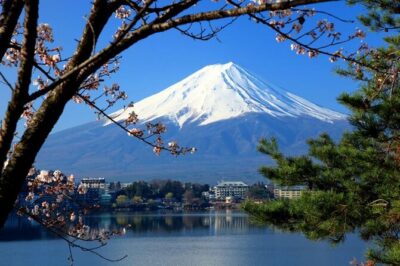
Mt Fuji and Hakone 1-Day Bus Tour Return by Bullet Train
Read our review →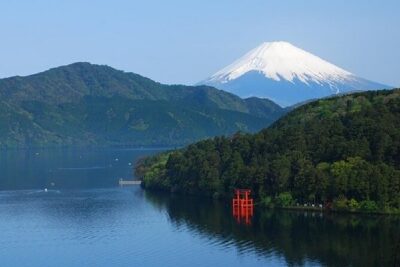
Mt Fuji & Hakone Cruise, Drum Show Bullet Train 1 Day from Tokyo
Read our review →
Tokyo Mt Fuji 5th St & Hakone Cruise Bus Tour w/Bullet Train
Read our review →
Mt.Fuji,Kawaguchiko Oishi Park,Arakurayama Sengen Park
Read our review →
Mt. Fuji 5th Station & Hakone Cruise 1-Day Bus Tour
Read our review →
Mt Fuji Top 5 Spots Day Tour: Arakurayama Park,Oshino Hakkai
Read our review →
Private Tour to Mt. Fuji and Hakone (Fully Licenced Operator)
Read our review →Browse the lists this tour appears in