
Reviewed · FOOD & DRINK
Matcha Experience with of Japanese Tea Tasting in Tokyo
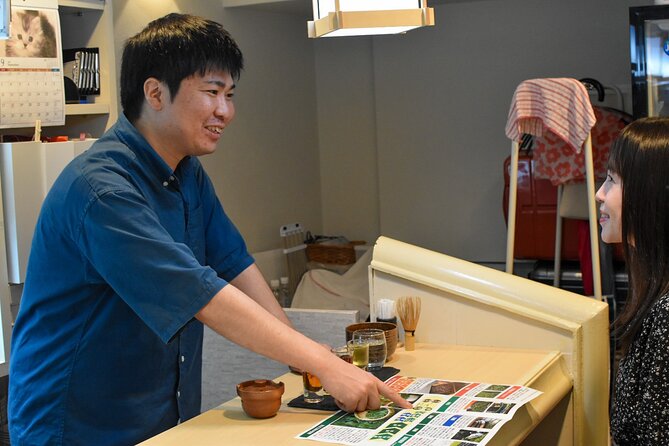
A matcha lesson in a tiny group. This Tokyo experience is fun and practical, because Chisei brings his Kyoto farming background (and a pharmacist’s eye for details) to help you taste Japanese tea like a pro, not just sip it. I really loved the hands-on matcha whisking and the way the session walks you through multiple tea types and their differences. One thing to consider: you will still participate in making matcha at the end, so if you hate the flavor of green tea, plan for that.
The group limit of five makes it feel calm, not rushed. I also like that you do a real comparison, where you look at leaf color and shape, then smell and taste each cup. The tradeoff is simple, there is less space for wandering off or lingering for long chats, since the pacing is designed around the flight of teas.
If you want a Tokyo food-and-culture stop that goes past ordering tea from a menu, this is a strong pick. You’ll leave with clearer instincts on what you like, plus the steps to make matcha at home without guessing.
Key Things You’ll Love About This Matcha Tasting
- Former tea farmer guide (Chisei) explains cultivation and processing from hands-on experience.
- Small group of max 5 means you get real attention, not a lecture from the front row.
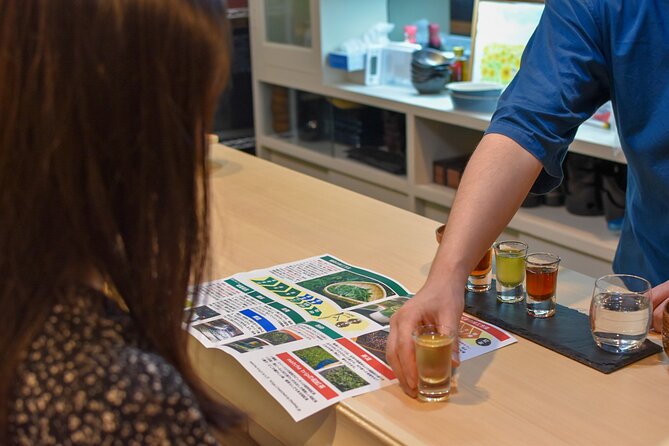
- Tea flight built around comparisons using leaf shape, color, aroma, and taste.
- Homemade sweets by Rina pair with the tea, including the chance to taste tea leaves too.
- Ousucha matcha whisking experience using a bamboo whisk, with instructions you can repeat later.
- Matcha latte and hojicha latte options help you bridge from tea to café-style drinks.
Where You Meet and How the Timing Feels
You meet at matcha tripJapan in Tokyo’s Taito City, inside the Henn Na Hotel area, on the second floor at the sports bar Leaf (111-0042, Taito City, Kotobuki 3-chōme 19-8). It’s a straightforward meeting point, and the tour says it’s near public transportation, which matters when Tokyo mornings can feel like a maze.
The experience runs about 1 hour 30 minutes. That is long enough to taste a real lineup and learn the matcha step-by-step, but short enough that it fits cleanly into a day of sightseeing. You’ll also use a mobile ticket, so you won’t be scrambling for paper vouchers at check-in.
Why this matters for you: tea workshops can either be “quick sip and go” or “sit forever.” This one is paced like a flight in a café, with enough time for a hands-on finish. You can plan it around other central Tokyo sights without losing half your day.
More Food Tours in Tokyo
- Tokyo: Shinjuku Food Tour (13 Dishes at 4 Local Eateries)
★ 5.0 · 6,603 reviews - Tokyo Tsukiji Fish Market Food and Culture Walking Tour
★ 5.0 · 3,184 reviews - Tokyo: Shinjuku Food Tour (15 Dishes and 4 Eateries)
★ 4.9 · 2,033 reviews
The Value Question: Is $57.98 a Good Deal for Tokyo Tea?
At $57.98 per person for roughly 90 minutes, this is not a bargain like a standard café stop. But it also is not just a drink. You get a guided tasting that includes multiple tea types, snacks, and a matcha-making moment.
Here’s the value logic I’d use before booking:
- You taste 7 varieties of Japanese tea, including multiple matcha styles and latte versions (plus hojicha latte).
- You get homemade sweets, made to pair with the tea.
- You do an actual method, whisking Ousucha with a bamboo whisk, not just watching.
In Tokyo, a lot of “food experiences” quietly outsource the hard part to chance. This one is structured. You learn how the tea is cultivated and processed, then you taste those differences in a controlled order. For people who like learning while eating, that makes the price feel more reasonable.
If you’re the type who likes tea flavors but hates being guided, then $57.98 might feel steep. If you like curiosity and hands-on tasting, it’s a solid use of time.
Step 1: The Welcome Drink and a Map for What You’ll Taste
The session starts with a welcome drink, described as seasonal. While you sip, the hosts explain what you’ll be tasting that day and set up the comparison theme.
This sounds small, but it helps you pay attention. Tea tasting is mostly about noticing differences in aroma and flavor. Starting with a contextual drink gets your palate awake and your brain in “compare mode,” not “wait and see” mode.
The tour is also led by a husband-and-wife team, with Chisei doing the tea instruction and Rina supporting with sweets. Several reviews mention their English is clear, which is important if you’re new to Japanese tea terms like sencha or gyokuro.
Practical tip: treat the welcome drink like the warm-up in a class. Notice aroma first, then flavor second. It will make the later comparisons way more fun.
Step 2: Comparing Six Green Teas by Leaf, Color, and Aroma
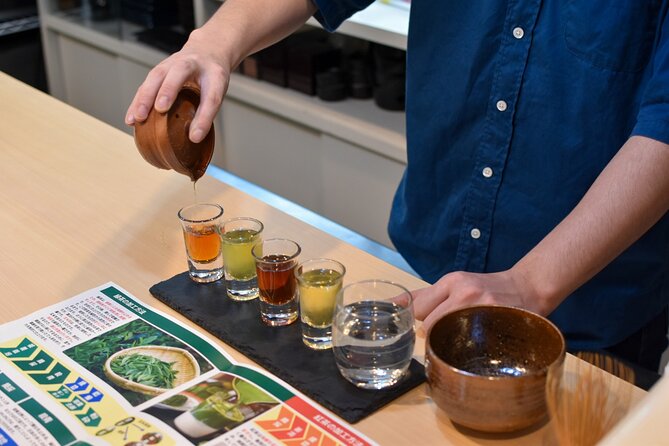
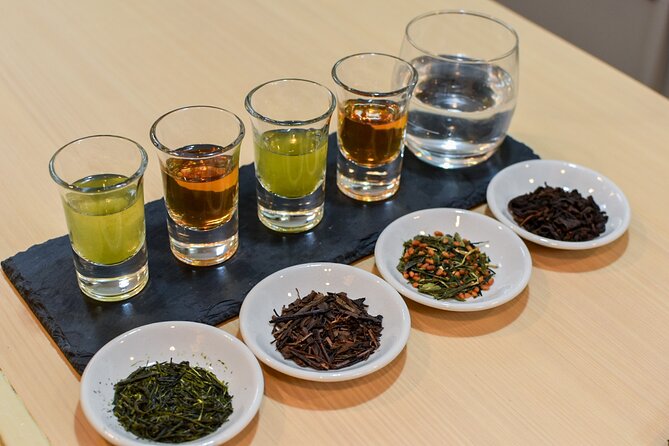
After the welcome, the core tasting begins: a comparison of sencha, kabuse-cha, gyokuro, deep steamed sencha, genmaicha (brown rice tea), and hoji-cha.
The best part of this section is how it’s staged. You don’t just receive cups. You look at the tea leaves first, focusing on color and shape, then you watch or follow along as each tea is prepared in a way meant to highlight its best qualities. After that, you taste with attention to fragrance and flavor.
Here are the teas in this flight, and how to think about them while you taste:
- Sencha: a baseline green tea to help you calibrate.
- Kabuse-cha: taught as a distinct style, so don’t assume it’s just another green tea.
- Gyokuro: often associated with a deeper profile, and you’ll taste it as separate.
- Deep steamed sencha: another variation that shifts how the cup reads.
- Genmaicha (brown rice tea): you’ll notice the rice element balancing the green tea.
- Hojicha: roasted green tea, which gives you a different direction entirely.
The teaching angle here is practical: learning what you see first (leaf appearance) and what you smell second (aroma) helps you stop relying on labels. You can walk into a shop later and decide based on taste expectations, not marketing.
Possible drawback to note: because this is a structured comparison, it may move at a quicker pace than a slow café sit-and-sip. If you hate having a schedule, you might find yourself wanting more time per cup. Most tea lovers, though, will enjoy the momentum.
More Tea Ceremonies in Tokyo
- Matcha Making Class in Tokyo with Authentic Japanese Sweets Set
★ 5.0 · 744 reviews - Tokyo: Traditional Tea Ceremony with a Tea Master
★ 5.0 · 528 reviews - Tokyo: Matcha Making Experience with Mochi Sweets in Asakusa
★ 4.9 · 388 reviews - Tokyo: Matcha and Kimono Experience
★ 4.7 · 219 reviews
Step 3: Japanese Black Tea and Homemade Sweets Pairing
Next comes Japanese black tea, chosen because it pairs well with sweets. This is a smart setup. Sweet pairing often reveals what a tea does best, like supporting sweetness or cutting through it.
Then Rina’s homemade sweets enter the picture. Multiple reviews call the sweets the best bite of the trip, which tells me this is not an afterthought snack. It’s part of the experience design.
Also, you may get an extra treat: one review mentions learning how to eat tea leaves with ponzu. That’s the kind of detail you won’t get from ordering at a random tea shop, and it adds a real “I can’t believe I’m doing this” memory.
When to slow down here: in this section, it’s easy to focus only on the dessert. Instead, take one bite, then taste the black tea. See how the tea changes the perception of sweetness.
Step 4: Making Ousucha Matcha with a Bamboo Whisk
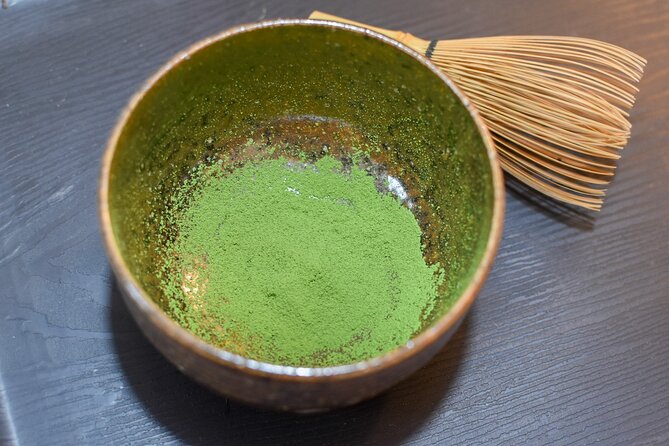
Now you get the part most people come for: the matcha-making experience. You’ll make Ousucha (matcha) using a bamboo tea whisk, and once you finish, you’ll be able to make matcha at home.
This matters because matcha at home often fails in one of two ways:
1) it tastes wrong because the method is off, or
2) it looks wrong because mixing is inconsistent.
A whisking class fixes both. Even if you’ve seen matcha videos online, doing it hands-on makes the process click: you learn how to whisk and how the texture should feel.
If you love the ritual side of Japanese culture, this is where it lands. You’ll feel the difference between “matcha as a beverage” and “matcha as a technique.”
And since you’ve already tasted multiple tea types earlier, you also understand what makes matcha distinct in flavor compared to sencha or roasted hoji-cha styles.
Step 5: Matcha Latte and Hojicha Latte for the Café-Style Finish
The session doesn’t stop at traditional tea. You can enjoy both matcha latte and hojicha latte, including multiple matcha latte options and at least one hojicha latte.
This part is great value if you’re not sure you love pure matcha. Latte versions give you a smoother, more approachable format while still keeping the tea identity. Hojicha latte brings the roasted note into a drink format that feels familiar if you like coffee drinks.
It also gives you options for souvenirs later. Even if you end up buying something for yourself, you’ll know exactly what you liked and why, instead of buying the prettiest can on the shelf.
From a practical standpoint, I like that the tasting includes both tea-forward cups and latte-style drinks. It makes the experience feel inclusive, even for people who are curious but hesitant.
Who This Tea Workshop Is Best For
This is ideal if you fall into one of these buckets:
- You like learning hands-on, especially food technique.
- You want a deeper understanding of Japanese tea beyond one café drink.
- You’re a matcha fan who wants more than the basics.
- You’re a tea lover who enjoys comparisons, aromas, and careful tasting.
It can also work if you’re a beginner. Several reviews mention novices learning a lot and still feeling successful. The instruction is structured, and the hosts answer questions patiently.
Who might want to think twice: if you dislike matcha entirely, this experience may still be hard to enjoy because you will make matcha at the end. You do get hojicha latte and Japanese black tea, but the core activity includes whisking.
A Detail I’d Call Out: The Team Dynamic (Chisei and Rina)
The biggest “human” strength here is how the instruction and food pairing fit together. Chisei teaches the tea comparisons, including cultivation and processing, and he’s described as a former tea farmer from Kyoto who grew tea for 6 years. One review also highlights his clear explanations and use of diagrams and pictures.
Rina supports with homemade sweets and adds a warm, welcoming energy. Reviews also highlight that they ask about allergies proactively. That kind of care matters in a tasting class, where you might otherwise assume snack items are random.
I also like that you can ask questions. When an instructor is open to curiosity, you end up leaving with more than just a full cup.
Tips to Get More Out of the 90 Minutes
If you want to maximize your experience, do these small things:
- Take notes in your phone during leaf comparisons. The order matters, and it helps you remember what changed.
- Smell before sipping. Tea tasting is mostly aroma plus timing.
- Try one tea with a plain bite of sweets, then try the same sweet with a different tea. You’ll learn faster.
- When you whisk matcha, focus on texture more than taste at first. Once it’s properly mixed, the flavor comes into focus.
And if you plan to buy tea afterward, taste your way into it. You’ll have a real basis for what to take home.
Should You Book This Matcha Experience in Tokyo?
Yes, I’d book it if you want a structured tea lesson with real tasting variety and a hands-on matcha finale. The combination of multiple tea styles, homemade sweets by Rina, and Ousucha whisking makes it more than a drink stop.
You should also book it if you like intimate group settings. With a maximum of five travelers, you get room to ask questions and actually pay attention.
Skip it only if you hate matcha flavor or you want a purely passive activity. This is interactive by design, and that is the point.
FAQ
How long is the matcha and Japanese tea tasting experience?
The experience is about 1 hour 30 minutes.
What is the price per person?
The price is $57.98 per person.
How many people are in the group?
The tour has a maximum of five travelers.
What teas and drinks are included?
You’ll have a tasting of 7 varieties of Japanese tea, and you’ll also enjoy matcha latte and hojicha latte. The included teas include options like hoji-cha, sencha, kabuse-cha, gyokuro, deep steamed tea, genmaicha, and Japanese black tea, plus matcha varieties and matcha latte types.
Are snacks included?
Yes. You’ll receive homemade sweets that go well with the tea.
Where do I meet for the tour?
You meet at matcha tripJapan at Henn Na Hotel, 2F sports bar Leaf, Taito City, Kotobuki 3-chōme 19-8 (111-0042 Tokyo).
Does the tour use a mobile ticket?
Yes, it’s listed as a mobile ticket.
Are service animals allowed?
Yes, service animals are allowed.
What is the cancellation policy?
Free cancellation is available up to 24 hours in advance for a full refund.
Will I be making matcha during the experience?
Yes. You’ll make Ousucha matcha using a bamboo tea whisk.
Fresh options around Tokyo
- Tokyo: Nikko Kegon Falls Lake Chuzenji Toshogu Temple & More★ 4.9 · 12 reviews
- Tokyo: Samurai History Walking Tour★ 5.0 · 12 reviews
- Harajuku: Kawaii Fashion and Pop-Culture Tour★ 4.7 · 12 reviews
- Tokyo: Mt. Fuji & Lake Kawaguchi Instagram Full Day Trip★ 4.1 · 12 reviews
- Shibuya Tokyo: Modern Kintsugi Workshop in Shibuya★ 5.0 · 12 reviews
- Tokyo: GTR Guided Daikoku Experience at Night★ 5.0 · 12 reviews
- Tokyo: Daikoku JDM Car Culture Tour★ 4.6 · 12 reviews
- Mt Fuji Private Day Trip from Tokyo with English speaking driver★ 5.0 · 13 reviews
Food & Drink, compared.
Shinjuku Food Tour (13 Dishes at 4 Local Eateries)
Read our review →
Tokyo Tsukiji Fish Market Food and Culture Walking Tour
Read our review →
Shinsekai Food Tour with 13-15 Dishes at 5 Eateries
Read our review →
Osaka Food Tour: 13 Dishes at 5 Local Eateries
Read our review →
Shinjuku Food Tour (15 Dishes and 4 Eateries)
Read our review →
Best of Shinjuku: Izakaya Food Tour (4 Stops, 14+ Tastings)
Read our review →
Kyoto Night Foodie Tour in Gion (9+ dishes + 6 Sake tastings)
Read our review →
Hungry Osaka Street Food Tour:15 Tastings & 3 Drinks with a Local
Read our review →Browse the lists this tour appears in