
Reviewed · HIKING & TREKKING
Magome & Tsumago Nakasendo Trail Day Hike with Government-Licensed Guide
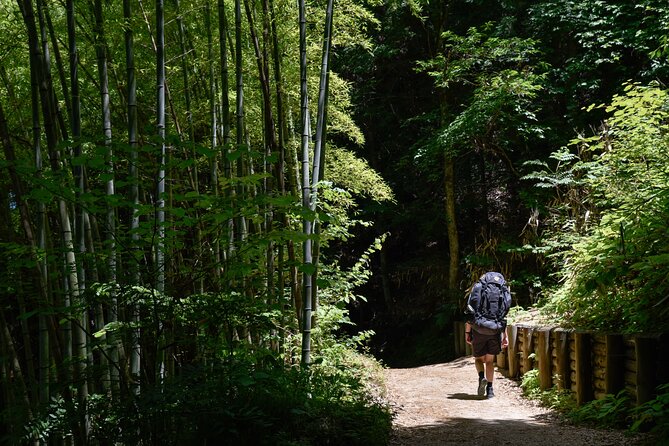
Stone paths and real village stories. This hike pairs an English-speaking, government-licensed guide with an 8 km (about 5-mile) walk on the Nakasendo Trail between Magome-juku and Tsumago-juku, keeping you oriented and moving at a calm pace. One consideration: transportation fees are not included, and you should bring cash for any extra public transport costs.
I like that the timing is straightforward, about 6 hours total with roughly 2 hours in each post town. You meet your guide on foot at a designated meeting point near public transportation, and you use a mobile ticket for the experience.
Quick takeaways before you go
- Magome-juku slope streets and village museums: a lively start with views and small stops you can actually enjoy, not just rush through
- Tsumago-juku preserved lanes and the classic Inns (Honjin, Wakihonjin): the kind of history you can see with your own feet on the ground
- A licensed guide who sets context early: expect a route primer so the stone road makes sense
- Easy distance, real pace control: the hike is meant to be doable for most people, with your group moving together
- Bring cash for added transport: the hike is the highlight, but getting there may cost extra
Magome to Tsumago: The Nakasendo in Half a Day, Not a Full Production
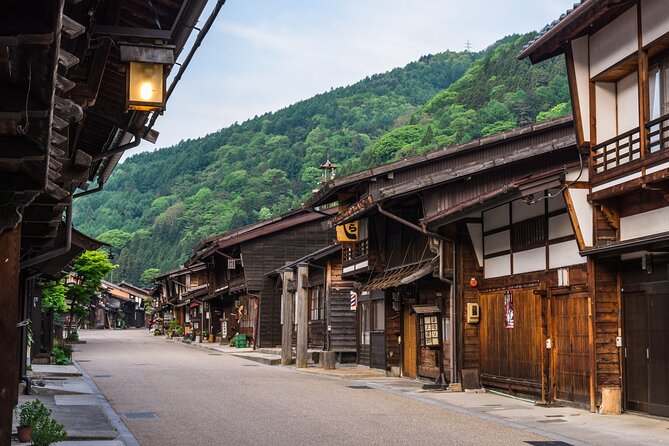
This is the Nakasendo Trail experience in a manageable size. You walk about 8 kilometers, roughly 5 miles, between two preserved post towns, and you get time to slow down in the villages instead of treating it like a fitness challenge.
The value here is the mix of movement and explanation. The stone road and old streets can feel quiet and scenic, but without context they can also feel like, well, walking. With a licensed guide onboard, the route turns into a story you can follow.
The other big reason this works for many people is the length. Around 6 hours means you can fit it into a visit to the Kiso Valley region without turning your day into a logistics marathon.
A few more Takayama days worth comparing
- Sawanobori River Trekking Tour
★ 5.0 · 30 reviews - Frozen fall trekking
★ 5.0 · 21 reviews - Fushimi Inari Hidden Hiking Tour (Private Option Available)
★ 5.0 · 1,750 reviews
Meeting Your Government-Licensed Guide and Getting Oriented Fast
You do not show up and figure it out alone. You meet your guide on foot at a designated meeting point, near public transportation, and you set off with a plan.
What I like most is how guides typically frame the hike right away. Multiple guide profiles from this experience stand out for starting with background on the Nakasendo route so you understand why these towns mattered. For example, Hiroshi has been described as speaking English well and having lived in the USA, which often makes the first explanations smooth and clear.
You also get a human element that self-guided hikes usually miss. The guide can adjust pace, point out what to look at, and guide you around the practical choices along the way, like where to stop for food or which historical buildings to prioritize while you still have energy.
Magome-juku: The Slope Town With Views, Shops, and Museum-Lite Breaks
Magome-juku is the more dramatic opening. The town sits on a slope, so your walk and views feel more varied than the second village. It is the kind of place where the stone walkway pulls your attention forward, while trees and old houses keep the atmosphere old-Japan without feeling like a theme park only built for photos.
This is also where you can choose your vibe. You’ll find traditional houses and craft shops, plus several small museums that highlight the town’s past, artists who lived there, and everyday ways of life. Even if you do not have a museum mindset, these breaks help break up the hike so it feels like a journey, not a single long line of steps.
A practical tip: build in time for a drink or snack. There are restaurants up on the village and also spots lower down that let you mingle more with everyday locals. If you want the classic postcard views, aim higher. If you want something more lived-in, head down.
The Two-Hour Village Block That Keeps the Day From Dragging
Both Magome-juku and Tsumago-juku get about 2 hours each. That matters because it prevents the common problem on self-guided post-town walks: you rush through, see a few storefronts, and then realize you missed the best explanations because you were moving too fast.
With a guide, the village time becomes intentional. You’re not just collecting sights, you’re learning what each place was for, and then you can connect it to what you see on the trail.
One consideration: groups sometimes include different walking speeds and different comfort needs. In one case, a solo participant noted that explanations ended before she reached the stop and she had little time to rest. That is not a reason to skip the tour, but it is a good reminder to speak up if you need a slower rhythm or more break time.
Same corner of Japan, a different kind of day:
- Kanazawa: World Heritage Shirakawa-go Morning Guided Tour
★ 4.9 · 988 reviews - Kanazawa: World Heritage Shirakawa-go & Two Local Experience
★ 4.9 · 274 reviews - Kanazawa/Takayama: Shirakawago & Takayama Private Day Tour
★ 4.8 · 172 reviews - Departing from Takayama [Regular sightseeing bus] World Heritage Sites Shirakawago and Gokayama Ainokura
★ 4.5 · 137 reviews
Tsumago-juku: Flat, Preserved, and Built for Slow Looking
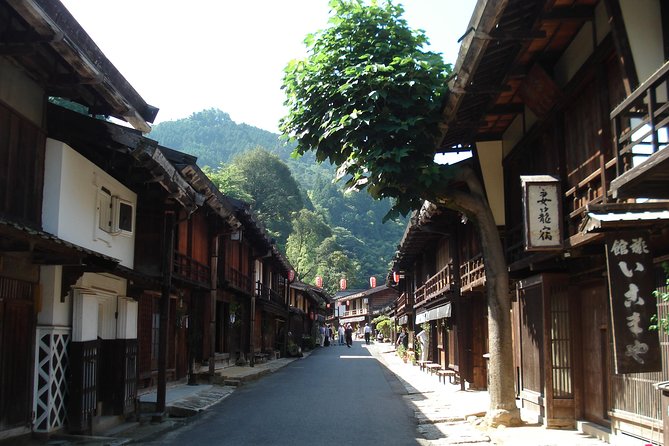
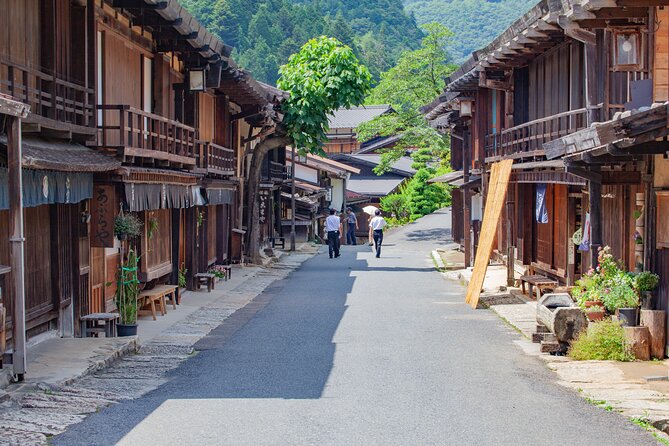
Tsumago-juku feels different the moment you arrive. It is almost flat, and that makes the village feel calmer and more timeless. The streets are unpaved, and even small infrastructure details are handled in a way that keeps the old ambience intact, including concealed cables.
This town is famous for preservation efforts and you can see it in the specific buildings tied to travel. You may get to visit the Honjin, the main inn that welcomed merchants traveling the Nakasendo, and the Wakihonjin, a secondary inn. There’s also the old notice board area used to publish decrees from the shogun, plus a Buddhist temple built in the 1500s.
What I love about Tsumago is how quickly it turns into atmosphere. It’s not only what you see, it’s how quiet the village can feel once you’re on those lanes and stone edges. And yes, Tsumago is often said to be at its best when lanterns light up later in the day. If your schedule allows you to end there with more evening mood, you’ll likely enjoy the village even more.
The Trail Between Them: Easy Distance, Real Stone Road, Better Photos
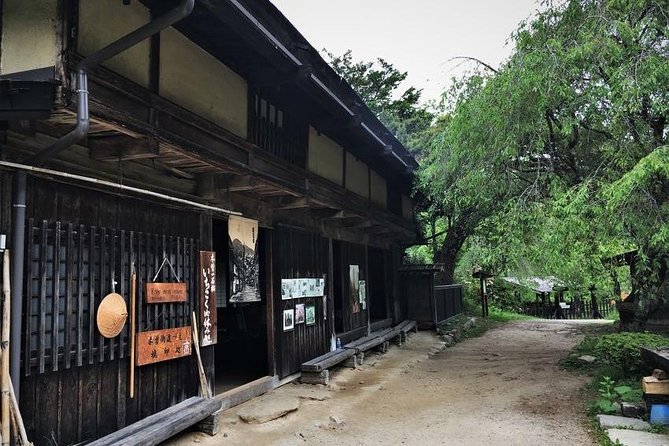
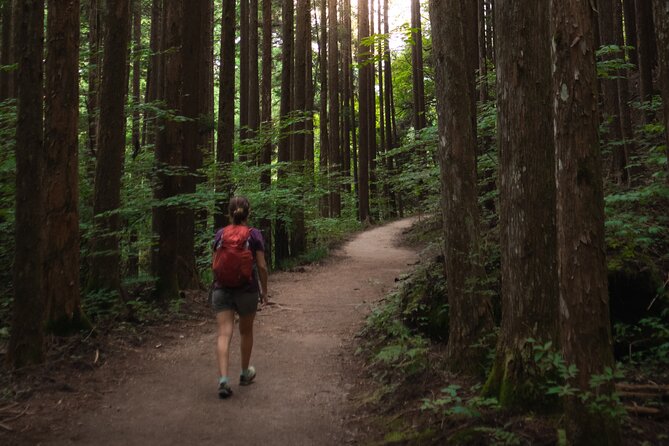
The core experience is the Nakasendo walking section between the two post towns. The distance is manageable, and the walking is designed for travelers who want exercise without needing training plans.
That said, this is Japan’s old route, which means you’ll still feel the texture of stone and the rhythm of the road underfoot. It is not a flat treadmill stroll. You should expect some unevenness and take it at an easy pace.
Photo opportunities are plentiful because the route repeatedly changes view angles as it threads between the towns. In guide-led walks, the best part is that you usually stop at the spots where the story and the scenery line up, not just the nearest convenient corner.
If you’re a history fan, this is also where the explanations matter most. Guides like Matt have been described as sharing context about the trail’s purpose and the area in general, which turns the stones into something you understand, not just something you pass by.
Food Stops You Can Actually Use: Soba, Tea House Stops, and Bento
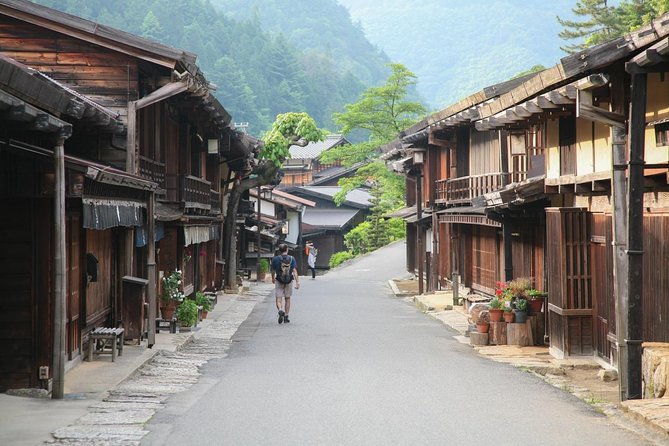
Food is part of making this feel like a real day, not just a walk. Several guide examples from this experience include arranged breaks for soba and other options, and at least one guide has coordinated a bento-style meal at a traditional public tea house.
If you have dietary restrictions, you should ask ahead when you book. The tour listing data does not spell out detailed meal options, so your best move is to confirm what kinds of food are realistic for your needs. The upside is that a guide can often handle small language gaps and choices on the spot.
Even when lunch is not “included,” these stops can still be worth it, because they help you avoid the usual problem of arriving hungry and then choosing the first thing near a vending machine.
Price and What You Actually Get for Around $155
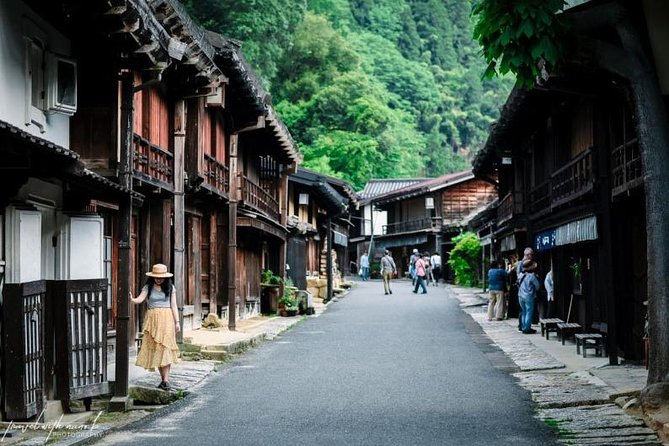
At about $155 per person for a roughly 6-hour guided hike, you are paying mostly for the guide, the structure, and the time in two protected villages. It is not a bargain-price activity, but it also does not ask you to buy a full-day private driver or a multi-tour bundle.
Here’s what you get:
- A licensed local English-speaking guide
- Meet-up at a designated meeting point on foot
- A mobile ticket for the experience
- Group discounts are available, and the tour is private in the sense that only your group participates
Here’s what you do not get:
- Transportation fees
- Entrance fees (with an important nuance)
- Lunch and personal expenses
- Private vehicle support
- Extra stops not covered for guide entry fees beyond what’s listed for the tour sights
Nuance on entrance fees: the village stops for Magome-juku and Tsumago-juku are listed as admission free in the tour outline. Still, entrance fees are listed as not included overall, so it’s smart to treat the pricing as guide-led walking with included focus sights, not a guaranteed “everything is paid” bundle.
Also, plan for public transport costs. Multiple notes in the tour info emphasize that you’ll want cash for public transport, which costs extra. That detail is small, but it can be the difference between a smooth day and a last-minute scramble.
When Winter Makes the Stones Meaner: December to Late February
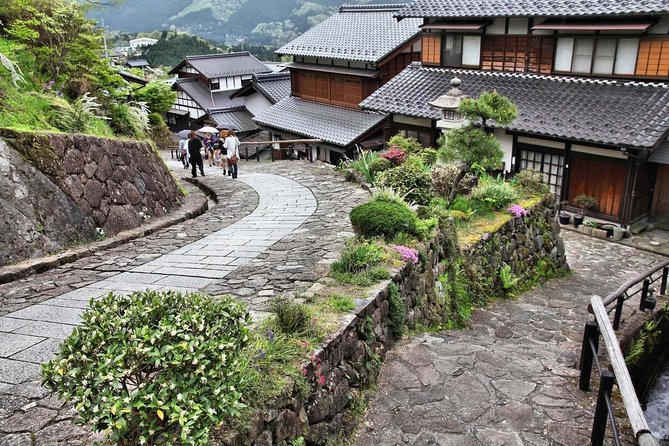
This hike is not available from December until the end of February due to icy conditions. That matters because it is not only cold, it’s safety and traction on an old stone route.
If you’re traveling in winter and you still want to see the same areas, the tour info suggests a different option: the full-day private trip uses the bus and does not include hiking. That’s the tradeoff you should expect in winter.
So if your dates land in the closed period, do not assume you can just show up and “swap plans on the spot.” Pick the winter-compatible itinerary before you arrive.
Should You Book This Magome and Tsumago Hike?
I’d book this if you want an easy, time-efficient way to walk the Nakasendo between two preserved post towns, and you care about understanding what you’re seeing. The guides, including names like Hiroshi and Matt, are repeatedly described as making the history clear and the day flow smoothly, which is exactly what you want on a route that can otherwise feel confusing if you do not know the background.
You should also lean yes if you like practical structure. Two hours at Magome-juku, two hours at Tsumago-juku, then the trail connecting them, all under a licensed guide. That rhythm is a strong fit for first-timers who do not want to spend their day navigating.
Skip or consider a winter alternative if:
- You’re traveling in the closure window (December through end of February)
- You do not want to deal with extra public transport costs and cash
- You need frequent stopping or a very slow pace, and you know you might feel rushed when explanations wrap up before you catch up
If you match those criteria, this is a solid value way to experience the Kiso Valley without turning your day into a logistics puzzle.
FAQ
How long is the Magome and Tsumago Nakasendo trail day hike?
It runs for about 6 hours.
How far do I walk?
The hike is about 5 miles (around 8 kilometers).
Is this tour private?
Yes. Only your group participates.
What’s included in the price?
A licensed local English-speaking guide is included, and you meet the guide on foot at a designated meeting point.
What is not included?
Transportation fees, entrance fees, lunch, and other personal expenses are not included. A private vehicle is also not included.
Do I need cash for anything?
Yes. You should bring cash to pay for public transport, since public transport costs extra.
Is the hike available in winter?
No. It is not available from December until the end of February due to icy conditions. A bus-based full-day trip is suggested for winter dates instead.
Fresh options around Takayama
- Takayama: Private Night Walking Tour with Dinner★ 4.5 · 13 reviews
- Ninja experience in Takayama – Special Course★ 4.9 · 13 reviews
- Takayama Rice Ball and Miso Soup Making at a buddhist temple★ 5.0 · 13 reviews
- Takayama Full-Day Private Tour with Government Licensed Guide★ 4.5 · 13 reviews
- Shirakawago&HidaTakayama&GujoHachiman 1 Day Tour from Nagoya★ 4.5 · 14 reviews
- Sake Tasting: Educational Tour of Six Takayama Breweries★ 5.0 · 14 reviews
- Takayama Half Day Tour (Private Guide)★ 5.0 · 15 reviews
- Takayama: Mochi-Making Experience at a Buddhist Temple★ 4.8 · 15 reviews
Hiking & Trekking, compared.
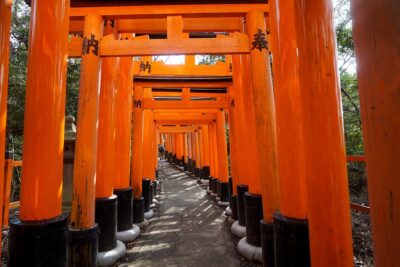
Fushimi Inari Hidden Hiking Tour (Private Option Available)
Read our review →
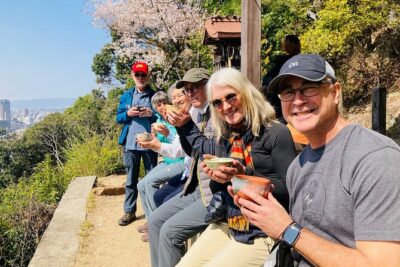
Hiroshima Local guided Hiking Tour&Open-air Tea Ceremony
Read our review →![Hiking the Historic Nakasendo Trail [1 Day Tour from Nagoya]](https://review-japan.com/wp-content/uploads/hiking-the-historic-nakasendo-trail-1-day-tour-from-nagoya-400x267.jpg)
Hiking the Historic Nakasendo Trail [1 Day Tour from Nagoya]
Read our review →
Kyoto Hiking Tour: The Nature and Legends of Kurama and Kibune
Read our review →

Full Day Hiking Tour at Mt.Takao including Hot Spring
Read our review →
Browse the lists this tour appears in