
Reviewed · 1-DAY TOURS
Kyoto Top Four Highlights Day Trip from Osaka or Kyoto
Kyoto in one long day, done right. This trip strings together big-hitter sights with organized group timing and air-conditioned comfort, including Nijo Castle and Kinkaku-ji. I like how the guide keeps everyone moving, including clear updates sent by WhatsApp on some departures, so you do not feel lost. One drawback to plan for: the schedule is packed, and the last stop at the torii gates is easy to miss if you step away early.
You get a full day’s worth of classic Kyoto contrasts, from UNESCO-worthy feudal architecture to quiet shrine corners and the famous Arashiyama bamboo. And yes, there is a little fun built in too, with quirky photo stops like the Kimono Forest and the Rilakkuma Tea House.
At $67 per person, the value is mostly in the transport plus guided interpretation. You will still need to budget extra for sights at Nijo-jo Castle and the Golden Pavilion, plus you will eat lunch on your own.
Key things that make this Kyoto highlights day trip work
- A tight route, four major zones, one day: Nijo-jo Castle, Kinkaku-ji, Arashiyama, and Fushimi Inari’s Senbon Torii.
- UNESCO sights get real context: Nijo-jo and Kinkaku-ji are treated like more than just photo stops.
- Arashiyama without the stress: Bamboo Forest, Togetsukyo Bridge, and shrine time are folded into a workable schedule.
- Photo-friendly detours with explanation: Kimono Forest’s 600-cylinder setup and what the installation is about.
- Guides actively keep you on track: Some guides send directions in advance and manage pacing through the day.
- Max 45 travelers: Enough structure for coordination, but still a crowd at the famous places.
Kyoto highlight hunting, without playing bus timetable roulette
This is the kind of day trip that helps when you only have one day for Kyoto, or you want to get the famous stops out of the way without spending your vacation glued to transit apps. The route is built around four “high recognition” areas, so your day has momentum from the first pickup to the final torii gates.
From Osaka or Kyoto, the basic rhythm is straightforward: ride in comfort, see one major site, then shift neighborhoods before you feel the day has gone stale. The bus approach matters here. Kyoto can be slow and seasonal at the best of times, and having that air-conditioned vehicle to reset between stops is a real quality-of-life win.
One more practical point: this tour uses a mobile ticket, which cuts down on the fiddling at the start of your day. It sounds small, but it helps when you are trying to get everyone through check-in smoothly.
A few more Osaka days worth comparing
- Osaka Go Karting Tour with Funny Costume
★ 5.0 · 2,658 reviews - Osaka Castle: Museum and Tower Entry Ticket
★ 4.5 · 2,380 reviews - Osaka: Shinsekai Food Tour with 13-15 Dishes at 5 Eateries
★ 4.8 · 2,204 reviews
Nijo Castle and Ninomaru Goten time: feudal Japan in a clean, guided bite
You start with Nijo-jo Castle, built in 1603 as the Kyoto residence of Tokugawa Ieyasu, the first shogun of the Edo Period. If you have ever wondered why Kyoto’s old buildings feel so specific and intentional, this is one of the best places to get that feeling. The castle complex is known for palace architecture from Japan’s feudal era, and it was designated a UNESCO World Heritage site in 1994.
You get about one hour here, and that matters. A full castle can eat your day if you go slow, so this timing is a compromise. You are not meant to “do everything,” you are meant to see the key atmosphere and structure, and then move on while you are still fresh.
What to focus on
Try to spend your time looking at the rooms and the way the spaces connect. A guide can help you understand why the layout matters, not just what the buildings look like.
Possible drawback
If you are the type who wants to roam and read every placard, the one-hour window may feel short. In that case, treat Nijo-jo like a guided orientation first, and then add a return visit later if Kyoto time allows.
Kinkaku-ji Golden Pavilion: making the most of 40 minutes
Next up is Kinkaku-ji, the Zen Buddhist temple often called the Golden Pavilion. It is UNESCO-listed, and the name is earned. The famous golden exterior plus its gardens are what people remember, but you will enjoy it more if you also understand how the temple functions as a Zen site rather than only a landmark.
You get around 40 minutes for this stop, which is enough to see the pavilion and absorb the garden setting without feeling frantic. This is a good place to slow your pace for a few minutes. Even if your photos are fast, spend some time letting the overall composition hit you.
Why a guided stop helps here
Kinkaku-ji can feel like a single visual hit if you walk in blind. With a guide, you tend to notice more: the relationship between architecture and garden, and the temple’s cultural role.
Watch-outs
Golden Pavilion crowds can be real. If it is crowded, you might not be able to linger for long in your exact favorite viewing angle. Use your time smartly, get a couple of key photos, then shift position as the flow moves.
Arashiyama bamboo, Togetsukyo bridge, and shrine breaks that actually help
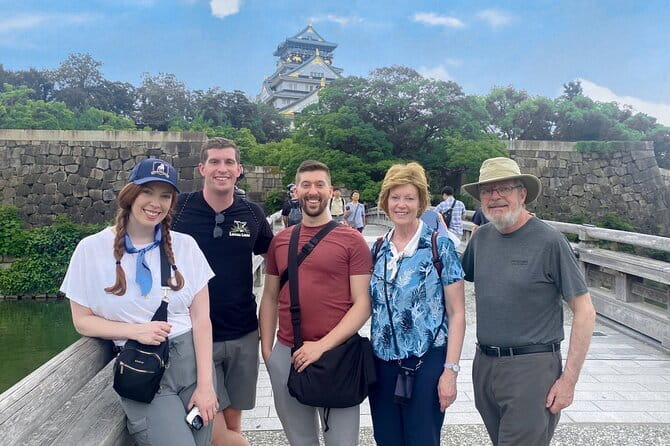
Arashiyama is where the day shifts from “major landmark energy” into more of a stroll through different textures of old Kyoto. You will have a short jump-in to the Arashiyama area, then structured time for the bamboo and shrine sights.
Same corner of Japan, a different kind of day:
- Osaka Food Tour: 13 Dishes at 5 Local Eateries
★ 5.0 · 2,149 reviews - Hungry Osaka Street Food Tour:15 Tastings & 3 Drinks with a Local
★ 5.0 · 1,727 reviews - Osaka: teamLab Botanical Garden Entry Ticket
★ 4.5 · 1,710 reviews - Osaka: Tea Ceremony Experience
★ 4.9 · 1,426 reviews
Bamboo Forest: 40 minutes of quiet contrast
The Arashiyama Bamboo Forest is the iconic symbol of Kyoto’s bamboo world, famous for its towering stalks and calm atmosphere. You get about 40 minutes, which is a comfortable window for a slow walk, a few photos, and a brief moment to just stand there and let the place work on you.
Tip for timing
Because this is a famous photo stop, the crowds can surge. If your group is moving, do not get stuck waiting for the perfect emptiness. Instead, focus on your route and take shots while the flow moves you.
Nonomiya Shrine: the black torii gate detail
Next is Nonomiya Shrine, a Shinto shrine in the Arashiyama district. What makes it different is the distinctive black torii gate, unlike the typical vermilion gates you see elsewhere. You get about 20 minutes, which is enough to see the gate, walk through the atmosphere, and then keep moving.
Togetsukyo Bridge: your classic Arashiyama photo moment
The Togetsukyo Bridge is Arashiyama’s iconic bridge landmark. It was originally built in the Heian Period and was reconstructed in the 1930s. You have about 15 minutes here, plus it is normally where people want that signature view.
The Kimono Forest: a modern art installation with Kyoto flavor
Then there is Arashiyama Kimono Forest, which is not a real street of traditional kimono shops. It is a textile art installation made up of 600 clear acrylic cylinders, each about 2 meters tall, decorated with vibrant kimono fabric patterns. You get about 20 minutes, and this stop is a nice reset if the morning has been all temples and castles.
The best way to enjoy it is to treat it like modern Kyoto art, not like an additional shrine. Let it be playful, take photos, then move on.
Rilakkuma Tea House: kitschy fun for a quick break
You also stop at the Arashiyama Rilakkuma Tea House. Rilakkuma means a bear in a relaxed mood, and the place blends the character theme into the area in a way that feels made for wandering and photos. You get about 15 minutes, enough for a quick look, maybe a snack, and a breather before the final big stop.
One thing I like about this structure is that the quirky stops are short. They do not derail your day, they just give your brain a rest from history-heavy sights.
Senbon Torii at Fushimi Inari: the last stop you should not skip
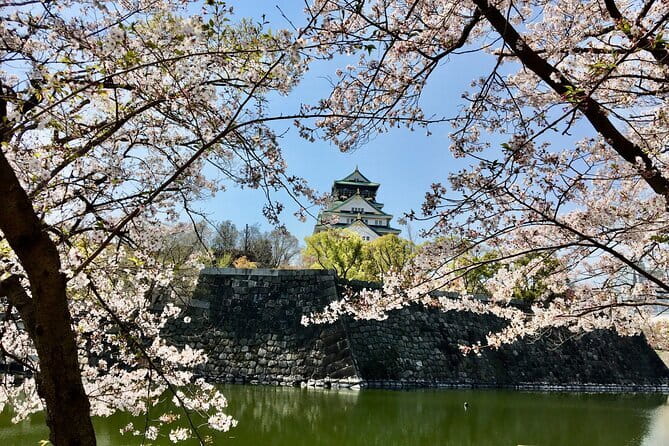
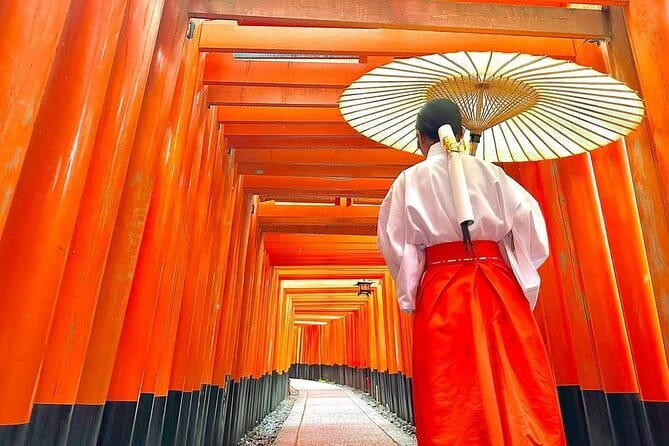
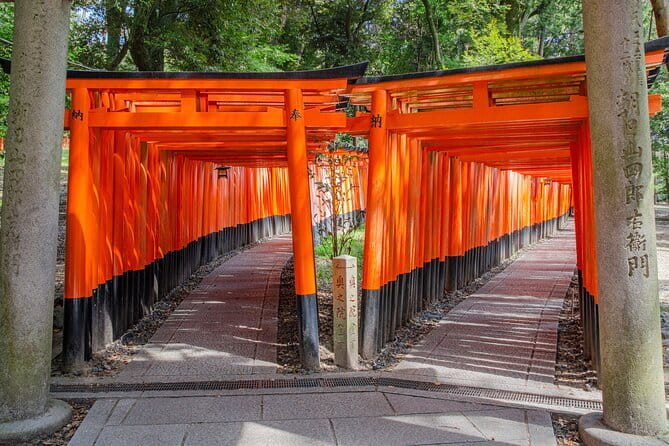
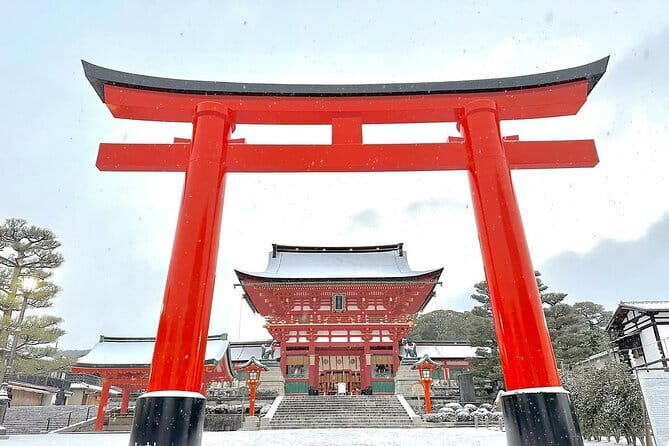
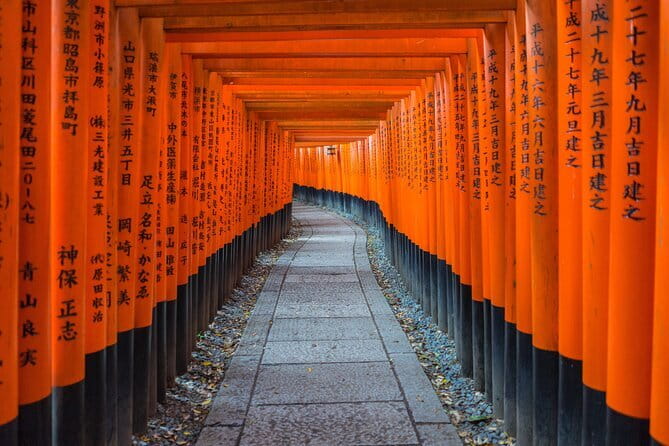
Your final major stop is Senbon Torii (Thousand Torii Gates) at Fushimi Inari Taisha. Fushimi Inari is the head shrine associated with worship of Inari, the Shinto god of rice, and the area is famous for thousands of red torii gates.
You have about 1 hour 10 minutes here, and this is one of the most rewarding parts of the day if you keep your energy for it. The torii gates are the kind of sight where the experience builds as you move inward. If you only skim the first section, you miss the best feeling.
Important timing note
This stop is last. If you leave the group early, you will miss it. That matters because the whole day is designed around reaching this at the end when the group arrives as a unit.
How to enjoy it in one hour
Choose a point where you want to take photos, then keep walking at a comfortable pace. Do not feel like you must go as far as possible. With a guide’s timing, you are aiming for the torii atmosphere, not a long hike.
Price and value: what you are really paying for
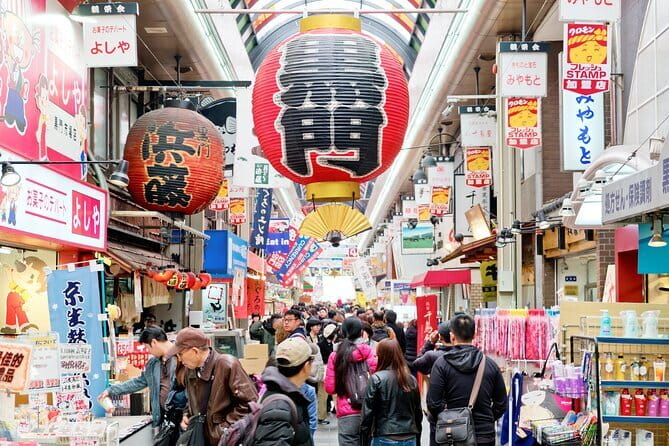
The listed price is $67 per person. The included value is the air-conditioned vehicle and the guide. Admissions are not included.
You will add:
- Nijo Castle and Ninomaru Goten Palace: ¥1,300 per person
- Kinkaku-ji Temple: ¥500 per person
That is ¥1,800 in total sightseeing fees from the tour’s stated costs. Whether it feels worth it depends on your style, but here is the honest way to look at it: you are paying to remove the friction of planning four separate major stops, moving between neighborhoods, and understanding what you are looking at.
If you already know Kyoto well and you love independent planning, you might beat the cost by DIY. But if you want a structured one-day highlights plan that reduces decision fatigue, this is a solid deal.
Group size, guide style, and how the day stays on pace
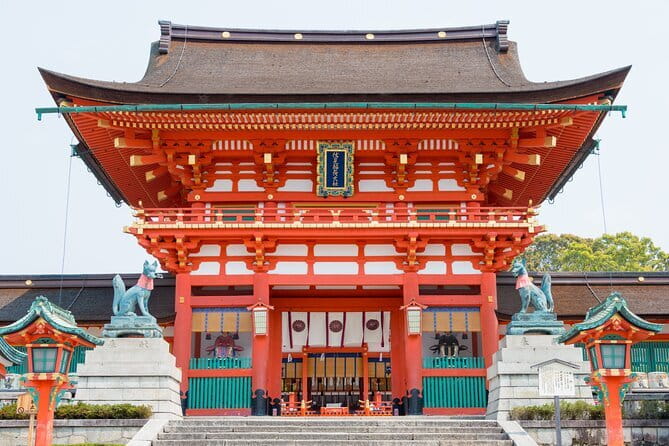
This tour caps at 45 travelers. That means you should expect crowds at famous stops like the bamboo forest and Fushimi Inari, even if the tour itself feels organized.
One of the most praised parts is the way guides manage the day. Several guides were highlighted for being organized and for keeping people informed. On some departures, a guide sent details via WhatsApp ahead of time, and one guide even asked about motion sickness and offered front-seat seating when possible.
You will also likely get clear instruction on how to find your way back to the bus on time at each stop. That is a big deal in a place like Kyoto where you could easily drift into side streets.
If you have a strong preference for English explanations, do not ignore language needs. One less favorable experience mentioned difficulty understanding a guide due to accent. Your best move is to go in ready to use visuals too, and do not rely only on spoken explanation.
Who this Kyoto day trip suits best
This trip fits you if:
- You have one day to cover Kyoto’s biggest hits
- You want help understanding what you see, not just where to take photos
- You prefer guided pacing over full independence
- You like the mix of temple, castle, shrine, and a bit of playful modern Kyoto stops
It may not fit you as well if:
- You want long, unstructured wandering time at each landmark
- You are very budget-sensitive since admissions add up
- You dislike group pacing and want quiet alone time the whole day
Should you book this Kyoto Top Four Highlights Day Trip?
I would book it if your goal is simple, see Kyoto’s headline attractions in one organized day without the guesswork. The included transport plus guide is where the value lives, and the route hits the stops that are most likely to impress even first-timers: Nijo-jo Castle, Kinkaku-ji, Arashiyama bamboo, and Fushimi Inari’s Senbon Torii.
Skip the tour and DIY only if you are the kind of traveler who enjoys building your own route and you are comfortable handling transit and timing alone. Also consider your comfort with crowds, because this is a highlights day in Kyoto, so you will share the sites with other people.
If you want maximum return on a single day, this is a sensible, efficient choice.
FAQ
How long is the Kyoto Top Four Highlights day trip?
The duration is about 9 hours.
What is included in the price?
You get an air-conditioned vehicle and a guide.
Are admission tickets included?
No. Nijo Castle and Ninomaru Goten Palace cost ¥1,300 per person, and Kinkaku-ji Temple costs ¥500 per person. Lunch is also not included.
What does the tour cover?
It includes Nijo Castle, Kinkaku-ji (Golden Pavilion), the Arashiyama area (including the Bamboo Forest, Nonomiya Shrine, Kimono Forest, Togetsukyo Bridge, and the Rilakkuma Tea House), and the Senbon Torii (Thousand Torii Gates) at Fushimi Inari Taisha.
Do I need a printed ticket?
You receive a mobile ticket.
Is there a time for lunch?
Yes, there is time for independent dining, but lunch itself is not included.
How big is the group?
The tour has a maximum size of 45 travelers.
Fresh options around Osaka
- Official Japan Go-Kart Through Osaka Castle★ 4.5 · 18 reviews
- Premium Kimono Dressing, Tea Ceremony, Calligraphy, Samurai show★ 5.0 · 18 reviews
- Nara, Todaiji Temple & Kuroshio Market Day BUS Tour from Osaka★ 3.5 · 18 reviews
- Osaka Castle & Dotonbori Lively One-Day Walking Tour★ 5.0 · 18 reviews
- Osaka Bar Hopping | Explore Hidden Bars & Izakayas in Namba★ 4.7 · 18 reviews
- Hiroshima and Miyajima 1 Day Private Tour from Kyoto or Osaka★ 4.5 · 18 reviews
- Discover Japanese Tea Blending Techniques in Osaka★ 5.0 · 19 reviews
- Osaka Dotonbori Night Photoshoot – Private | Pro Photographer★ 5.0 · 19 reviews
1-Day Tours, compared.
Mt Fuji and Hakone 1-Day Bus Tour Return by Bullet Train
Read our review →
Mt Fuji & Hakone Cruise, Drum Show Bullet Train 1 Day from Tokyo
Read our review →
Peaceful Hiroshima & Miyajima UNESCO 1 Day Bus Tour
Read our review →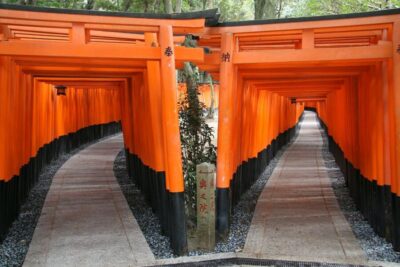
Fushimi Inari, Kinkakuji, Bamboo Grove 1 Day Bus Tour
Read our review →
Browse the lists this tour appears in