Reviewed · FULL-DAY
Kyoto & Nara & Uji: Full Day Sightseeing Tour from Osaka or Kyoto
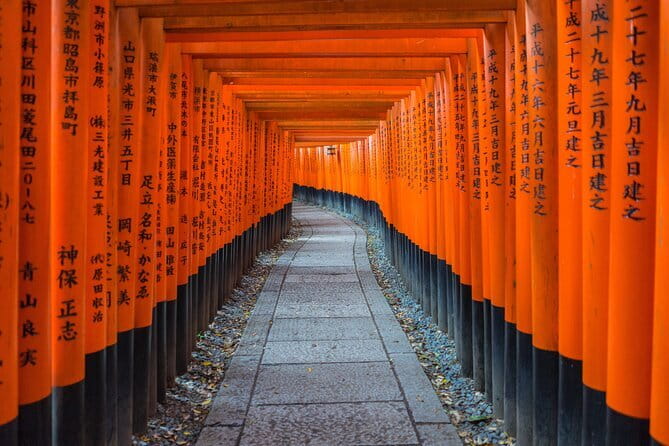
Nara, Uji, and Kyoto in one day sounds crazy, but it works. This full-day tour links Nara Park deer with the UNESCO sights of Todai-ji and Byōdo-in, then finishes at Kyoto’s famous Senbon Torii at Fushimi Inari Taisha.
I like how the plan is practical, not just a photo sprint. You get air-conditioned transport plus a guide for the “how to do it” parts, and you do enough walking to feel the places without needing advance planning for each station.
One thing to consider is pace and group dynamics. With an up to 45-person group, some stops can feel brief, and guide English levels can vary, so it helps to stay flexible and ask questions early.
Key highlights you should care about
- Mobile ticket plus organized route: less fuss, fewer chances to miss a key meeting point.
- UNESCO stops in both Nara and Uji: Todai-ji, then Byōdo-in with the Phoenix Hall built in 1053.
- Matcha focus without getting stuck in a café loop: Byōdoin Omotesando gives you real tea-shop browsing time.
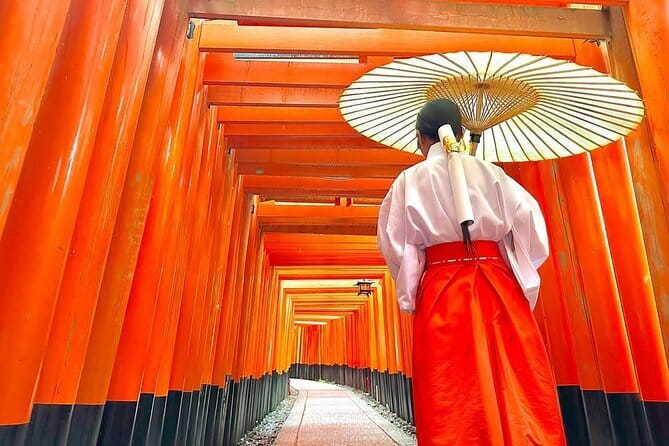
- Fushimi Inari’s Senbon Torii walk: 1 hour 20 minutes among thousands of red gates.
- Real-world help around Nara deer: you’ll be reminded how to stay safe near the animals.
A tight 9-hour route with big “wow” density
This is the kind of day you book when you have limited time and want maximum variety. In roughly 9 hours, you touch three different rhythms of Japan: Nara’s park-and-temple energy, Uji’s tea town calm, and Kyoto’s shrine-on-a-hill stair-and-gate walk.
The schedule is ambitious, and that’s not a hidden flaw. You’re given short windows at each anchor sight, so you’ll get the essentials, then you’re mostly on your own for the final touches like lingering for photos or grabbing a snack at the street.
If you enjoy a “see it once, understand what it is, then decide if you want to return,” this format fits well. If you want to wander slowly through side lanes and smaller buildings for hours, you may wish you had built a day specifically for one area.
A few more Osaka days worth comparing
- Osaka Go Karting Tour with Funny Costume
★ 5.0 · 2,658 reviews - Osaka Castle: Museum and Tower Entry Ticket
★ 4.5 · 2,380 reviews - Osaka: Shinsekai Food Tour with 13-15 Dishes at 5 Eateries
★ 4.8 · 2,204 reviews
Osaka or Kyoto pickup: how the day starts and what to expect
The tour runs as a full-day pickup from either Osaka or Kyoto, and the entire day moves by bus with air-conditioned transportation. That matters because you’re saving the mental load of switching between trains, transfers, and stations.
In real life, bus days come with trade-offs. Some people have pointed out that bus comfort and viewing can vary, and one practical issue that came up is that the bus might not have a bathroom. So I’d treat this as a “drink water, plan ahead” day and use facilities before you board.
Group size is capped at 45 travelers, which keeps it from becoming a chaotic mob. Still, your experience can depend on the people around you, especially on long riding stretches when everyone’s mood affects the energy on the bus.
Nara Park plus Todai-ji: deer first, then the UNESCO anchor
Nara Park is one of Japan’s most famous free-roaming zones, and the tour gives you 50 minutes there. You’ll see the deer right away, and you’ll probably be reminded quickly to be cautious. These animals are tame in the sense that they’re used to humans, but they still behave like deer, not pets.
I love that the tour doesn’t try to make deer time complicated. You’re dropped into the park experience with enough time to watch, walk, and take in the atmosphere without feeling like you’re stuck waiting.
Todai-ji Temple follows with 30 minutes on site. This stop is a UNESCO World Heritage Site as part of the Historic Monuments of Ancient Nara, and it’s the kind of landmark you can’t fully absorb in 30 minutes. The value here is access plus context, not a long, slow museum-style visit.
Admission for Todai-ji is not included (¥800 per person), so expect to pay on arrival. Also, because the time is tight, you’ll want to keep an eye on where you’re supposed to meet the group when you step back from the main entrances.
Uji Park and the river: the calmer pause before tea streets
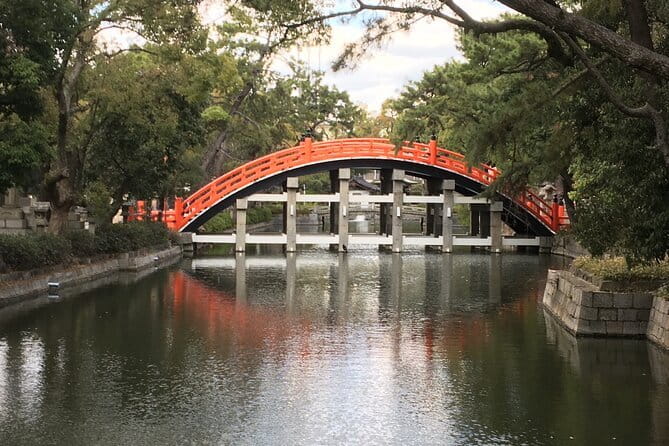
After Nara’s open-air energy, the tour shifts to Uji with Uji Park and the river views. Uji Park is an island park surrounded by the Uji River, with bridges connecting you to the riverbanks. You get 30 minutes here, which is perfect for a short reset, a slow walk, and a few photos without forcing a full hike.
The Uji River stop is 20 minutes, and it’s more interesting than it sounds on paper. The river originates from Lake Biwa, and it has served as an important waterway connecting Shiga and Osaka since ancient times. Even if you only have a short stroll, knowing the river’s role makes the scenery feel more meaningful.
Admission for Uji Park and the river is listed as free in the tour stops. That’s a small but real value add, because it keeps your on-site spending focused on the two main paid temples later in the day.
Same corner of Japan, a different kind of day:
- Osaka Food Tour: 13 Dishes at 5 Local Eateries
★ 5.0 · 2,149 reviews - Hungry Osaka Street Food Tour:15 Tastings & 3 Drinks with a Local
★ 5.0 · 1,727 reviews - Osaka: teamLab Botanical Garden Entry Ticket
★ 4.5 · 1,710 reviews - Osaka: Tea Ceremony Experience
★ 4.9 · 1,426 reviews
Byōdoin Temple and Phoenix Hall: 1053 symbolism plus a 10 yen icon
Byōdo-in Temple is one of the day’s biggest ticket items, and the tour gives it 30 minutes. This is UNESCO-listed and noted as one of Japan’s best-preserved national treasures, which is a strong indicator you’re visiting a place with serious preservation.
The headline structure is the Phoenix Hall, built in 1053. The overview also notes it appears on the obverse side of the 10 yen coin, so you’re not just looking at a pretty building. You’re seeing a real object that has become a public symbol in Japanese everyday life.
Admission for Byōdo-in is not included, at ¥700 per person. Since the time is short, go in with a simple plan: focus first on the hall itself, then look for what the wing-like corridor layout is doing visually. If you split your attention too broadly, the key image can slip by.
Byōdoin Omotesando: matcha shopping time that doesn’t feel like a trap
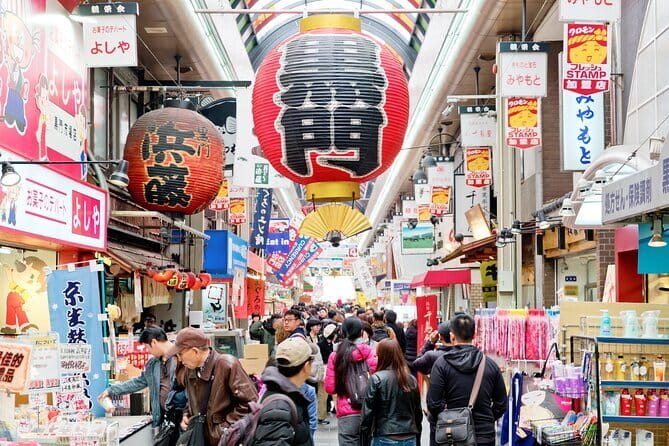
You then head to Byōdoin Omotesando, where you get 40 minutes on the street. Uji is famous for green tea production, and this cobblestone stretch is basically matcha territory, lined with tea shops and tea-related products.
I like this stop because it gives you a choice experience. You can browse for souvenirs, pick up a snack, or just soak in the smell and mood of a tea street without needing tickets or official sites.
The stop is listed as admission free. That matters because you’re already paying for Todai-ji and Byōdo-in, so this is one of the ways the tour balances your day so you’re not constantly extracting value through more entrance fees.
Senbon Torii at Fushimi Inari Taisha: 1 hour 20 minutes of red gates
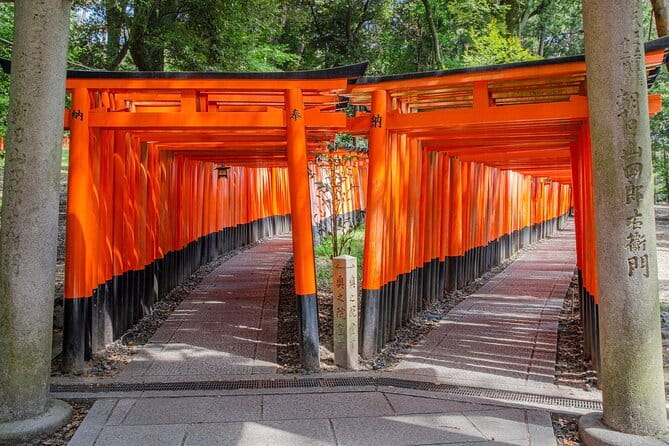
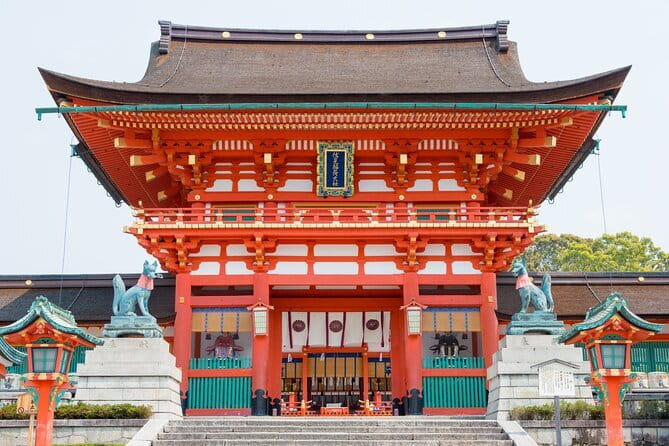
The final major highlight is Senbon Torii, the “thousand torii gates” area at Fushimi Inari Taisha. You’ll spend 1 hour 20 minutes here, and the tour keeps it free to enter.
This shrine complex is the head shrine for Inari, the Shinto god of rice. The torii gates are vermilion red, and there are around 30,000 Inari shrines in Japan, which gives you a sense that you’re seeing a hub of a nationwide network, not just a single tourist spot.
In practical terms, this is where your legs will notice the walking. Even if you don’t climb to the upper sections, the “thousand gates” effect is powerful at ground level, and the time window is long enough to find a rhythm that feels right for your pace.
If you want photos, plan for them early. Crowds tend to bunch around the most iconic viewpoints, so taking a few minutes at the start can save you from repeating the same angles later.
Price and value: what your $67 covers, and what you must pay
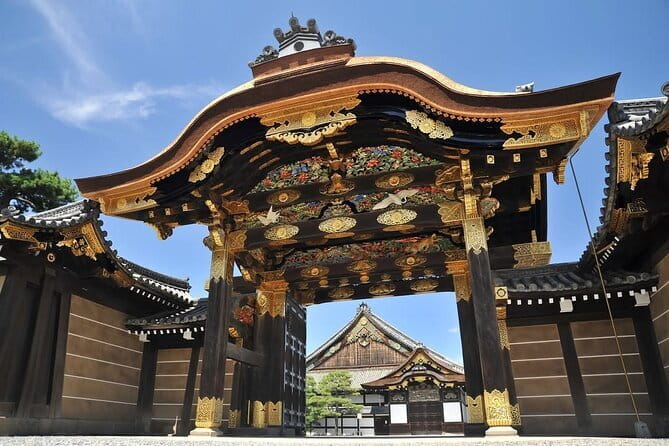
At $67 per person for a roughly 9-hour guided day, the best value comes from transportation plus access. You’re paying to get from one major region to the next without having to assemble a rail itinerary, and you’re paying for a guide to help you move efficiently between sites.
What your price does not include is important for budgeting. Lunch is not included, and you’ll also pay entrance fees for:
- Byōdoin Temple: ¥700 per person
- Todai-ji Temple: ¥800 per person
If you’re doing the math, those two temple fees can turn a “cheap day trip” into more of a mid-range outing. The good news is the rest of the stops are free, including Nara Park and the Senbon Torii area.
So the value question becomes simple: do you want a guided, low-planning day that hits the highlights fast? If yes, this price makes sense. If you’d rather spend more time at fewer places and don’t need bus transport, you might compare against DIY travel costs.
Guide quality: why it can make or break the day
This tour lives or dies by the guide experience. The overall structure is solid, but your understanding depends on how clearly the guide can explain what you’re seeing and how to handle the crowd flow.
I saw strong examples of guides like Amy, Amanda, John, Eve, Laura, Joy, and Candy delivering clear communication and practical tips. Some guides even went beyond basics with small comforts, like providing wipes or snacks for the group, and that kind of kindness matters when your day is long.
At the same time, there are also reports of guides with limited English fluency, which can make the same schedule feel confusing. If you’re relying on the guide for directions, don’t assume every sentence will land.
A practical move: during the bus rides, ask a clear question early in the day, like where the key meeting points are for Todai-ji and Byōdo-in. When you know the plan for returning to the group, you spend less energy guessing and more time enjoying.
Seating can also matter for comfort. One person asked not to sit in a tight backseat, and another mentioned bus window cleanliness affecting views. If you’re prone to motion discomfort or just want better sightlines, choose seats thoughtfully when you can.
Who this suits best, and who should think twice
This is a great match if you have one day to spare and want a “highlights sampler” across Nara, Uji, and Kyoto. It’s especially fitting if you love matcha and tea culture, because Uji isn’t just a quick stop, it’s built into the day with the river and the Omotesando street.
It’s also a good fit if you want an easier logistics day. Getting to multiple famous sights by bus is less stressful than stitching together trains and walking segments on your own, especially if you’re new to navigating Kyoto-area transit.
That said, don’t book it if your travel style is “slow wandering only.” Some people have felt that the time at each stop can be brief, which makes it hard to meander or hunt for extra side attractions.
Also consider group-day temperament. If you’re sensitive to noise, impatient group energy, or mixed language levels, you may prefer a smaller private tour.
Should you book Kyoto & Nara & Uji? My decision guide
Book this tour if you want a well-paced highlights day that combines UNESCO temples and Kyoto’s torii experience with a tea-town intermission. The $67 base price plus included transport makes it a strong option for first-timers who want structure.
I’d book it even more confidently if you’re the type who can handle a schedule and still enjoy “enough time to see the main thing.” The stop lengths look short on paper, but they’re long enough to feel each area’s personality.
Skip or reconsider if you need lots of free time in each location, or if you strongly prefer deep, site-specific exploration over guided flow. In that case, you’ll likely enjoy a slower plan with fewer stops.
FAQ
FAQ
How long is the Kyoto, Nara, and Uji day tour?
The tour is approximately 9 hours long.
Does the tour include entrance fees to the temples?
No. Byōdoin Temple (¥700) and Todai-ji Temple (¥800) are not included. Admission for Nara Park and other listed stops is free.
Is lunch included?
Lunch is not included. The tour allows time for independent dining.
Where does the tour start?
You can depart from either Osaka or Kyoto.
What is included in the price?
Included items are air-conditioned transportation and a guide.
Is there a mobile ticket?
Yes, the tour provides a mobile ticket.
What is the maximum group size?
The tour has a maximum of 45 travelers.
Can I cancel for a full refund?
Yes. You can cancel up to 24 hours in advance for a full refund. If you cancel less than 24 hours before the start time, it is not refunded.
Fresh options around Osaka
- Osaka Winery Tour with Wine Tasting & Vineyard Walk★ 4.9 · 12 reviews
- Osaka: Early Morning Osaka Castle Guided Tour, Avoid Crowds★ 4.9 · 12 reviews
- Kyoto Day Trip from Osaka Port – Private Shore Excursion★ 5.0 · 13 reviews
- Osaka Private Pop Culture Tour: Historic Tenma to Dotonbori★ 4.5 · 13 reviews
- Osaka Castle Admission Ticket★ 4.0 · 13 reviews
- Hidden Osaka Foodie Tour: Nishinari Backstreets & Local Dining★ 5.0 · 13 reviews
- Discover Real Osaka: A Cultural Walk with Food & Drink★ 5.0 · 13 reviews
- Nara private tour (Shore excursion available from Osaka or Kobe port)★ 5.0 · 13 reviews
Full-Day, compared.
Mount Fuji Full-Day Private Tour from Tokyo (Customizable)
Read our review →
Hiroshima / Miyajima Full-day Private Tour with Government Licensed Guide
Read our review →
Tokyo Private Full-Day Tour by Car or Van
Read our review →

5 Top Highlights of Kyoto Full Day Bike Tour (E-bike option)
Read our review →
Full Day Biking Tour Exploring the Best of Kyoto
Read our review →