
Reviewed · SAKE TASTING
Kyoto: Beyond the Insider Sake Tasting Experience
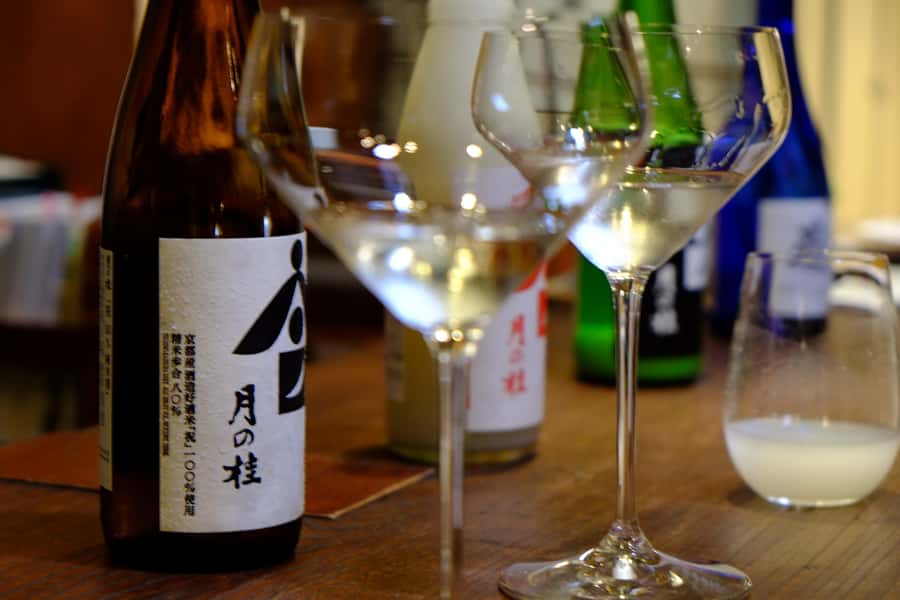
Sake nerd territory, Kyoto style. This Kyoto experience goes way past the usual intro tasting by bringing you 10 rare sake varieties and walking you through why they taste the way they do, with certified sake sommelier guidance. I really like how the tasting is built around understanding production, not just sampling what’s in the glass.
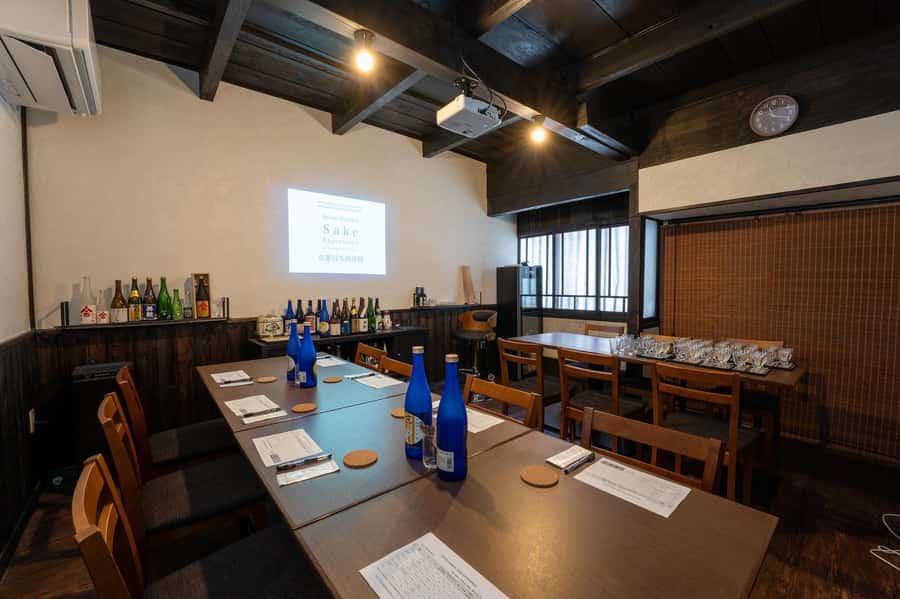
I also like the dedicated private sake tasting room, since it keeps the focus on aroma, texture, and the guide’s explanations. The one drawback to consider is the rules are strict for alcohol eligibility and timing, so make sure you’re there on time and fit the tasting requirements.
Key things to know before you go
- 10 sake varieties with expert selection, including styles rarely found overseas
- Sake sommelier guides who explain ingredients and production basics as you taste
- Private tasting room designed for focused listening and note taking
- Three standout tasting themes: ancient methods, microorganism-driven styles, and sake made with local wood
- Beginner-friendly structure, with basics of categories and production included
- Tasting notes included, so you can remember what you liked and why
Why this Kyoto sake experience feels different from basic tastings
Kyoto has plenty of sake tastings, but most follow the same script. You taste a few widely known types, you get a fast explanation, and you’re on your way. This one is built for people who want to slow down and connect the glass to the process.
The big pitch is in the word beyond. You’ll taste sake made using concepts that do not match the modern playbook. The experience is designed to show you how choices in brewing can create very different flavors, and how wide the world of sake actually is.
And the best part for me is that it doesn’t assume you already know the language of sake. You cover the basics of production and the categories along the way, then you get to test what you learned against real examples in the tasting.
More Food Tours in Kyoto
- Kyoto Night Foodie Tour in Gion (9+ dishes + 6 Sake tastings)
★ 5.0 · 1,762 reviews - 3-Hour Kyoto Insider Sake Brewery Tour with Tastings & Pairings
★ 5.0 · 917 reviews - Arashiyama Bamboo, Temple, Monkeys, or Secret Sake Brewery
★ 4.8 · 886 reviews
Entering the private tasting room for better focus
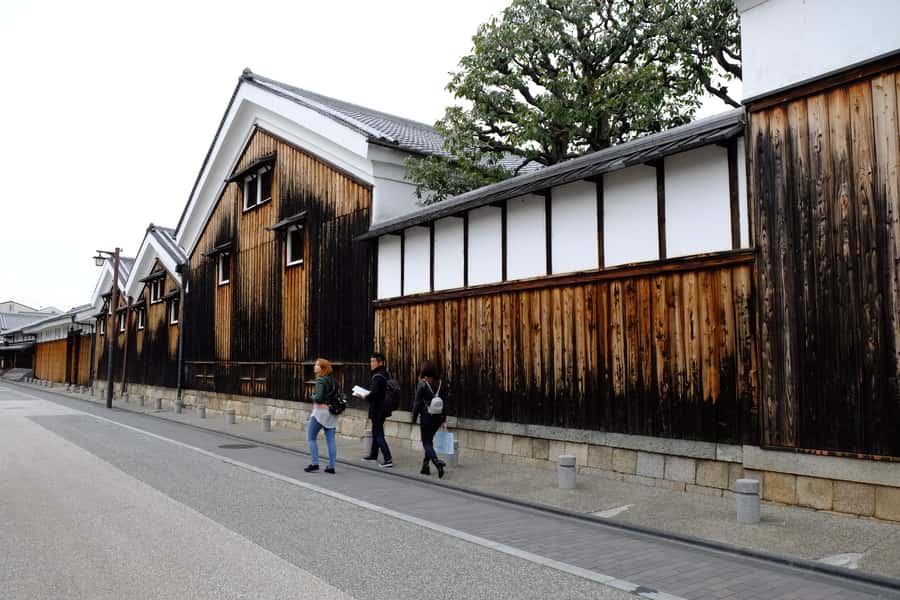
A private room sounds fancy, but here it matters. Sake tasting is mostly about small differences you can smell and notice before you ever sip again. In a dedicated space, you get a calmer rhythm, less walking around, and more time to connect each sample to what the sommelier is saying.
You also get tasting notes, which nudges you to do something useful. Instead of judging on flavor alone, you can write down impressions like aroma direction, texture feel, and how the finish changes from one style to the next. That turns the session into something you can remember when you’re back in a shop.
No food pairing is included, so your palate stays more consistent. If you’re the kind of person who likes to compare flavors without extra variables, you’ll probably appreciate that setup.
The tasting arc: from basics to 10 rare varieties

The experience is structured like a guided lesson with a tasting built in. Even if you are a first timer, you’ll get the basics of sake production and sake categories woven into the experience. That matters, because it gives you a framework to interpret what you taste.
You’ll then move through the 10 kinds of sake selected by the sommelier. The selection is positioned as unique and exceptional, including styles rarely found overseas. That means you are not just tasting “Kyoto sake” as a general idea. You are tasting specific approaches and the results those approaches can produce.
What you should expect is a combination of tasting and explanation. The guide connects ingredients and brewing decisions to the sensory outcome, so you can learn how to think like a sake drinker instead of only how to rate what’s in front of you.
Ancient methods: what changes when you brew differently

One of the standout themes is sake brewed using ancient methods, described as different from modern methods. The point here is not archaeology for its own sake. It’s about how process affects flavor.
When you taste these styles, the sommelier will help you notice how they can land on the palate differently. You are paying attention to things like aroma character, mouthfeel, and how the finish behaves compared with more commonly encountered types.
This is a great section for curious beginners. Even if you cannot yet predict what ancient methods taste like, the guide’s explanations help you connect the dots. And if you already drink sake regularly, this portion is likely to feel like a real upgrade, because it puts unfamiliar brewing concepts into a tasting context.
More Sake Tastings in Kyoto
- Kyoto: Insider Sake Brewery Tour with Sake and Food Pairing
★ 5.0 · 704 reviews - Kyoto Sake Brewery & Tasting Walking Tour
★ 5.0 · 623 reviews - 1.5-Hour Kyoto Insider Sake Experience with 7 Tastings & Pairings
★ 5.0 · 297 reviews - Kyoto: Insider Sake Experience with 7 Tastings and Snacks
★ 5.0 · 266 reviews
Microorganisms and a newer take on what sake can be
Another theme is a “new type of sake” that uses the characteristics of microorganisms. That wording tells you the tour is not only about rice and polishing percentages. It’s about the living system that contributes to fermentation and development.
In practice, you can expect the guide to frame how microorganisms influence the end result. You’ll taste those differences directly across the lineup, which is the fastest way to build intuition.
If you like food science without the jargon, this is a strong match. You do not need to be technical. You just need to be open to the idea that the same ingredient base can produce surprisingly different expressions depending on how fermentation is managed.
Wood-made sake from local materials, and why it matters
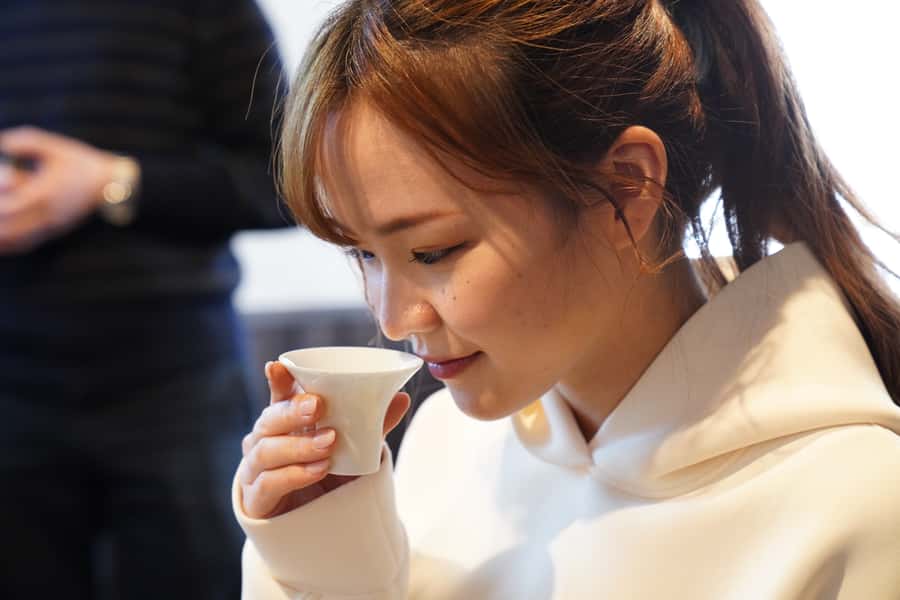
You’ll also taste sake brewed using local wood, described as giving a unique taste tied to the region. This is one of those ideas that makes instant sense once you hear it. Wood is not a neutral container in the way people often assume.
In the tasting, the sommelier will help you notice how this approach changes the overall profile. You might think of this as a regional lens. Instead of treating sake as only “brewed somewhere,” you see it as “made with local choices that shape flavor.”
For me, this theme is valuable because it expands how you shop later. When you are scanning labels, you start looking for production notes that explain style differences, not just alcohol level or vague marketing terms.
Ingredient basics that make you a smarter sake orderer
Even though the experience is built around rare styles, it still covers practical learning. It focuses on important ingredients in sake making and the basics of production and categories.
That matters because sake can feel confusing at first. Terms swirl together. People sort by sweetness, dryness, and “smoothness,” but those are fuzzy categories. This tour helps you build a clearer mental map so you can talk about taste with more confidence.
A big advantage is that the teaching is aligned with what you’re tasting. So you’re not memorizing definitions in a vacuum. You are using the new vocabulary as you compare sample to sample. That makes it easier to remember later when you’re faced with a menu.
How to get the most out of 10 tastings in one session
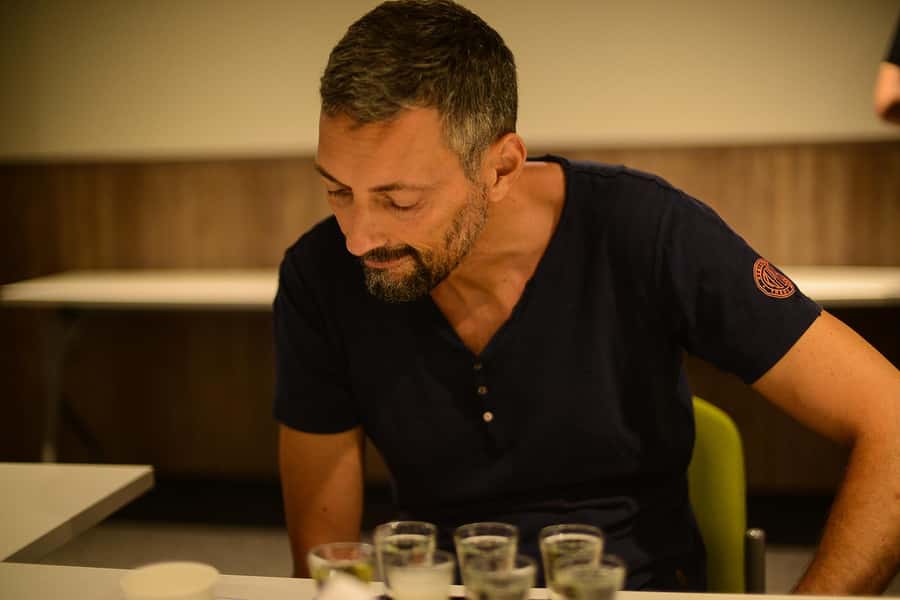
Ten pours can sound like a lot, but the key is how you approach it. Use your included tasting notes like a checklist. Write down what you like and also what you did not like. The “not for me” notes are often the most instructive.
Here’s a simple method that works well in a guided room:
- Pick one thing to focus on per glass, aroma or mouthfeel or finish
- Change your focus every two or three samples
- Look for patterns, not single favorites
This is especially helpful because the tasting includes styles made with very different concepts. You want to avoid turning the experience into a random series of sips. The sommelier is there to help you tie the differences to production choices, and your notes help you keep up.
Also, take your time between samples. If you rush, you miss the shift that comes when fermentation concept changes, or when wood influence enters the picture.
Value check: is $66 fair for Kyoto sake?
At $66 per person, you are paying for more than alcohol. You’re paying for the structure: 10 specialist-selected tastings, tasting notes, and a certified sake sommelier guide in a dedicated private space.
The real value is the combination of rarity and explanation. If you’ve ever tried to learn sake on your own, you know the bottleneck is guidance. Labels and categories only take you so far. Here, you get a direct bridge between ingredients and what ends up in the glass.
It’s also good value for your learning curve. The experience works for beginners while still covering deeper concepts like ancient methods, microorganisms, and wood-based brewing. That makes it a solid choice whether you are starting your sake journey or you’ve already had a few tastings.
Food pairing is not included, so you may want to plan a meal on your own before or after, depending on your schedule. Otherwise, you’re not paying extra for a side dish you might not need.
Who should book this Kyoto sake tasting?
This experience is designed for all levels, from curious beginners to seasoned drinkers. If you fall anywhere in that range, you’ll likely enjoy it.
You might be especially glad you booked if:
- You want rare sake varieties that are harder to find overseas
- You care about learning what drives flavor, not just sampling
- You like guided tastings with certified sake sommelier commentary
- You prefer a calmer, focused room instead of a loud public setting
If you want a simple drinking session with no production talk, you might find it slightly more educational than you expected. The tour is built to teach, and the tasting supports the lesson.
Important booking rules to plan around
Before you commit, read the practical rules. For safety and legal reasons, alcohol will not be served to guests who arrive by car or bicycle, though non-alcoholic drinks are available. Also, legal drinking age in Japan is 20. If you are under 20, you’ll receive non-alcoholic drinks.
Late timing matters too. If you are more than 10 minutes late, your booking can be canceled. And guests without a reservation, including children and non-drinkers, will not be allowed to join the tour.
Finally, the tour is not suitable for children under 3 years, people under 19 years, and pregnant women. If any of that applies, skip it and look for a different experience type.
Should you book Beyond the Insider Sake Tasting Experience in Kyoto?
I think this is a smart booking if you want to understand sake, not just drink it. The “beyond” part is real here, since the tasting centers on ancient methods, microorganism-driven styles, and sake brewed with local wood. Those are exactly the kinds of ideas that make a future ordering decision easier and more fun.
If you enjoy learning while you taste, this will feel efficient. You get 10 rare varieties, plus the production basics and categories to help you make sense of what’s happening. And the private room plus tasting notes make it easier to remember and compare.
If you’re sensitive to strict timing or you need alcohol for the experience, double-check the eligibility rules first. Do that, and you should be in for one of Kyoto’s more thoughtful, Japan-specific tasting sessions.
FAQ
How many sake types are included in the tasting?
You taste 10 kinds of sake. The selection is chosen by a sake sommelier for this experience.
What is included besides the tastings?
The experience includes tasting note materials, a certified sake sommelier guide, and use of a dedicated private sake tasting room.
Is food pairing included?
No. Food pairing is not included in this experience.
What languages is the tour offered in?
The experience is offered in English.
Where does the experience start and end?
It starts at the Kyoto Insider Sake Experience meeting point and ends back at the meeting point.
Is alcohol served to everyone?
Alcohol is not served to guests who arrive by car or bicycle, though non-alcoholic drinks are available. Also, legal drinking age in Japan is 20, so customers under 20 will only be served non-alcoholic drinks.
More Drinking Tours in Kyoto
- Kyoto: Izakaya Bars Guided Walking Tour
★ 4.9 · 815 reviews - Kyoto Bar Hopping Night Tour
★ 5.0 · 613 reviews - Kyoto Local Bar Crawl in Kawaramachi Area
★ 5.0 · 378 reviews - Kyoto: Afternoon Japanese Izakaya Cooking Class
★ 4.9 · 241 reviews
Fresh options around Kyoto
- Kyoto Aquarium Admission Ticket★ 4.7 · 12 reviews
- Kyoto Gion Photoshoot – Private Session | Pro Photographer★ 5.0 · 12 reviews
- Gyoza Cooking Class in Kyoto: Traditional Japanese Dumplings★ 5.0 · 12 reviews
- Kyoto: Guided Food Tour with 12 Dishes & 3 Drinks★ 5.0 · 12 reviews
- Kyoto: Avoid the Crowds at the Hidden Gems of Arashiyama★ 4.9 · 13 reviews
- Kyoto Early Bird English Tour: Gion & Higashiyama(Private opt)★ 5.0 · 13 reviews
- Otsu-e Folk Art Workshop & Local Culture Walk Near Kyoto★ 5.0 · 13 reviews
- Kyoto, Osaka, Nara Full Day tour by Car English speaking Driver★ 3.5 · 13 reviews
Sake Tasting, compared.
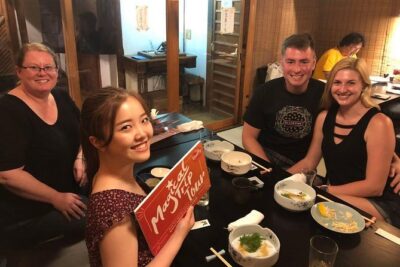
Kyoto Night Foodie Tour in Gion (9+ dishes + 6 Sake tastings)
Read our review →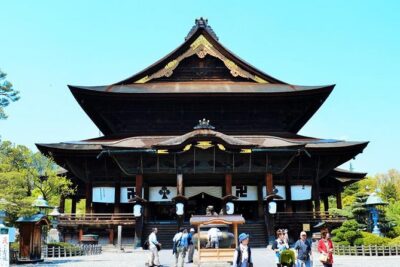
1-Day Snow Monkeys, Zenko-ji Temple & Sake in Nagano
Read our review →
3-Hour Kyoto Insider Sake Brewery Tour with Tastings & Pairings
Read our review →
Arashiyama Bamboo, Temple, Monkeys, or Secret Sake Brewery
Read our review →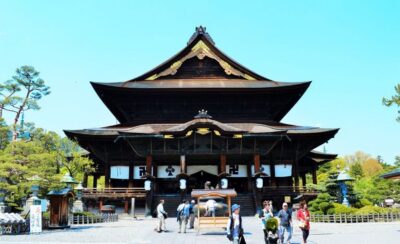
Nagano: Snow Monkeys, Zenkoji Temple & Sake Day Trip
Read our review →
Insider Sake Brewery Tour with Sake and Food Pairing
Read our review →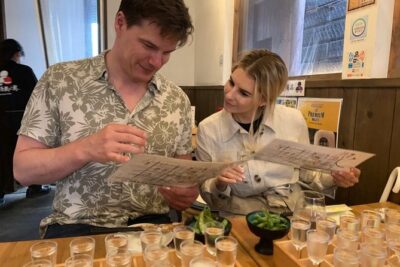
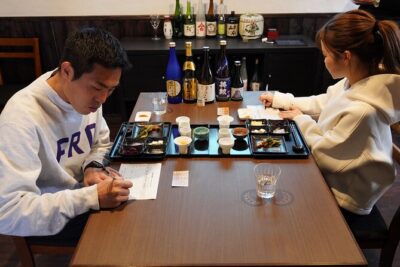
1.5-Hour Kyoto Insider Sake Experience with 7 Tastings & Pairings
Read our review →Browse the lists this tour appears in