
Arashiyama feels big, this tour keeps it simple. You get a shortcut to Arashiyama highlights with a guide who walks you through the why behind the temples and landmarks, plus mountain and bamboo views at the right moments. It is a smart way to experience Kyoto’s best-known slice of town without feeling lost.
My favorite part is the guide commentary, which turns photos into context. I also like the small group size, because you can actually ask questions instead of shouting over a crowd.
One thing to consider: the route involves a moderate amount of walking, and on Wednesdays the Otagi Nenbutsu-ji stop is swapped for Adashino Nenbutsu-ji.
Key highlights you’ll feel right away
- Small group size (max 8) means less waiting and more questions
- Temple storytelling helps you understand what you’re seeing, not just where to stand
- Otagi Nenbutsu-ji’s 1,200 rakan statues is the kind of stop you remember
- Wednesday schedule swap keeps the temple focus even when Otagi is closed
- Bamboo Forest photo stop is quick and timed for maximum viewing time
- Togetsukyo Bridge over the Hozu River is an easy final wow moment
Why This Arashiyama Tour Works for a Half-Glance Kyoto Day
Arashiyama is famous for a reason, but that fame can also make it feel like a checklist. This tour is designed to keep you moving through the area’s top sights while still making room for calmer, less obvious stops. You’re out for about 4 hours, with a guide leading the way, so you spend less time figuring out routes and more time looking closely.
The small-group format matters. When you are with a group of up to 8 people, the guide can slow down for questions, point out what is worth photographing, and help you time the flow of crowds around the Bamboo Forest and bridge.
And the tour is built for real weather. It runs rain or shine, which is useful in Kyoto when the forecast can change fast.
More Arashiyama tours:
- Kyoto: Fushimi Inari, Kinkakuji, Bamboo Grove 1 Day Bus Tour
★ 4.8 · 4,316 reviews - Osaka/Kyoto:Kinkakuji,Arashiyama,FushimiInariShrine,NaraPark
★ 4.1 · 1,596 reviews - Kyoto/Osaka: Nara, Fushimi Inari Taisha, Arashiyama Bus Tour
★ 4.7 · 1,275 reviews
Price, What’s Included, and What You’re Really Paying For
At $79.07 per person, this is not a bargain price, but it is also not a splurge. The value comes from what you do not have to plan yourself: guided pacing, a tight set of major Arashiyama landmarks, and entrance fees where noted.
Here’s how the cost thinking usually shakes out for you:
- Admission tickets are included for multiple temple stops, including Otagi Nenbutsu-ji, Adashino Nenbutsu-ji, and Jojakko-ji.
- The Bamboo Forest photo spot is free to enter.
- Togetsukyo Bridge is free to view.
- You get a drink break at Sabou Sagano (coffee, tea, or juice). If you want extras like matcha, those are on your own tab.
One more logistics note that affects your budget: the bus fee is excluded. You’ll want an IC card or coins ready, specifically ¥230, so you do not get stuck at the wrong step of the day.
Meeting at Hannari Hokkori Square and Finishing at Kotokiki Bridge
You start at Hannari Hokkori Square in the Sagatenryūji Tsukurimichichō area (address provided on the tour info). The tour begins at 9:30 am, and it ends at the site of Kotokiki Bridge.
That finish matters. Ending near a bridge-related area helps you keep your Arashiyama momentum after the tour, because you can easily continue wandering on foot. If you like to keep the day moving, this routing style fits well.
The tour uses a mobile ticket, so you should have your phone charged and ready. That is one less thing to manage in the morning rush.
Otagi Nenbutsu-ji: The Power of 1,200 rakan Statues
The first stop is Otagi Nenbutsu-ji, where the experience is mostly visual, and it is unforgettable once you notice the details. The temple is known for a collection of over 1,200 stone statues called rakan, each one with its own distinct character.
Even in a short visit window, that amount of sculpture changes how you feel on the walk through the grounds. It is not just a single landmark you photograph and move on from. It is a layered environment where you start spotting differences as your eyes adjust. This is also the kind of place where a guide helps. Without explanation, it is easy to treat everything as decoration. With commentary, you learn what you are seeing and why it exists.
Practical note: expect a peaceful pace here. The time feels short on paper, but the statues give you plenty to look at if you slow down.
A few more Kyoto days worth comparing
- PERFECT KYOTO 1-Day Bus Tour
★ 5.0 · 13,518 reviews - Kyoto: Tea Ceremony in a Traditional Tea House in Kiyomizu
★ 4.9 · 3,519 reviews - Kyoto Geisha Walking Tour: Gion District & Hidden Gems
★ 4.7 · 3,273 reviews - Kyoto: Tea Ceremony Ju-An at Jotokuji Temple
★ 4.9 · 3,207 reviews
Adashino Nenbutsu-ji on Wednesdays, and the Meaning Behind the Worship
Next is Adashino Nenbutsu-ji in the Sagano district. This stop is especially important for anyone traveling on a Wednesday, because that is when Otagi Nenbutsu-ji is closed and the tour takes you to Adashino instead.
Adashino Nenbutsu-ji is associated with a Buddhist tradition dating back to 811, founded by the monk Kūkai. It was established to honor those who died without family, which adds a heavier, more reflective tone to the visit than you might expect from a quick temple stop.
The main drawback here is also the main advantage: the tour is paced to fit multiple sites. If you want a long, quiet, stay-as-long-as-you-like visit, you may feel you could spend more time. Still, as part of a guided route, the stop gives you a meaningful perspective early enough in the day that the rest of Arashiyama feels more grounded.
Saga Toriimoto Preserved Street and the Sabou Sagano Drink Break
After the temples, you transition to Saga Toriimoto Preserved Street, described as a historic hiking trail that leads from the base of Mount Atago toward the summit, one of the higher points in Kyoto. You’ll also pass a traditional area with thatched-roof character, which helps break up the day and gives you a slightly different texture than temple grounds.
This section is not about rushing to a viewpoint. It is about walking through a place that feels like a continuation of old Kyoto life.
Then you get a short pause at Sabou Sagano. You’ll be served one drink, either coffee, tea, or juice. This is a genuinely smart inclusion, especially if you are combining temple walking with Bamboo Forest crowds. If you want something beyond the included drink, like matcha, that is extra at your own expense.
If you are sensitive to heat or you tend to get snack-hungry on guided tours, treat this drink stop as a reset. Drink something now, not later, because Arashiyama’s most photo-heavy sections tend to come after.
Jōjakkōji Temple Gardens and Why the Calm Feels Worth It
The tour heads to Jōjakkōji Temple, known for its tranquil setting that pairs nature and spirituality with views. The information provided highlights the temple’s gardens and historical significance, and that combination is why the stop works well in a half-day itinerary.
Gardens can be hit-or-miss on short tours. Some feel like a quick glance. Here, the point is to give you a quiet moment in the middle of a very photo-driven part of Kyoto. If you like places where you can step back, slow your pace, and let the scenery do the talking, this is the kind of stop that usually lands well.
You’ll have a limited amount of time, so you should come prepared to choose what you care about most: the garden details, the wider views, or the general mood of the grounds.
Mikami Shrine for Hair Beauty Prayers and Ogura Pond Calm
Two smaller stops follow that balance the day nicely.
First is Mikami Shrine, dedicated to beauty, specifically hair. The information frames it as the shrine of hair, with visitors coming to pray for beautiful hair. This is not a typical temple theme, and it is exactly why it fits into a route like this: it keeps you from seeing every religious stop as the same visual experience.
Next is Ogura Pond, surrounded by greenery. The pond’s calm water reflects the surrounding trees and mountains, and it changes with the seasons. Even with limited time, you can usually get what you need from a pond stop by slowing down and letting the reflections come into focus.
If you tend to forget to breathe on travel days, these two stops can help. They are the kind of places where you do not need to chase a perfect photo, because the atmosphere does it for you.
Bamboo Forest Photo Stop and Togetsukyo Bridge Views Over the Hozu River
No Arashiyama tour feels complete without the Bamboo Forest. Here, you get a dedicated photo spot stop with free admission. The bamboo grove is photographed for a reason: tall stalks, curved paths, and that classic Arashiyama feeling that makes you stop walking without noticing you did.
This stop can be crowded in peak hours, so timing matters. The advantage of a guided route is that you’re guided into the flow rather than wandering in blind and hoping for the best angle.
Then you end with Togetsukyo Bridge, spanning the Hozu River. The bridge is described as centuries-old and a functional crossing, and it offers dramatic mountain and river views. If you like a clean finish, this one hits the mark: it’s easy to understand instantly, and it is a great place to linger for photos without needing a lot of effort.
When to Go and How to Pace Yourself
The tour lasts about 4 hours and includes multiple temple stops plus photo time. That means you should wear comfortable shoes and accept that you’ll be walking more than you might expect from a short duration.
For timing, I like the logic of going when Kyoto feels comfortable. One note from the feedback you provided is that spring (cherry blossoms) or autumn are the best bets, while summer can be hot and humid. If you can choose, those seasons give you better walking conditions and more rewarding views.
Also, the tour runs rain or shine. If rainy weather is in your plans, pack a light layer and plan to keep your phone protected for photos around the bamboo and bridge.
Is This Kyoto Arashiyama Tour Worth Booking?
I think this is a strong choice if you want:
- A guided shortcut through Arashiyama’s major sights
- Temple context so the statues and gardens mean something
- A small group where the guide can answer your questions
- A route that includes both famous icons and quieter stops, like Mikami Shrine and Ogura Pond
You might skip or compare if you:
- Want long, unhurried time inside just one or two temples
- Prefer to build your own itinerary without any structure
- Are traveling on a Wednesday and really wanted Otagi Nenbutsu-ji specifically (because the route swaps to Adashino instead)
If you are aiming for a first-timer friendly Arashiyama day with good value, this tour fits the job.
FAQ
How long is the Kyoto Arashiyama tour?
It’s approximately 4 hours.
What time does the tour start, and where do I meet it?
The tour starts at 9:30 am at Hannari Hokkori Square (Sagatenryūji Tsukurimichichō, Ukyo Ward, Kyoto).
Where does the tour end?
The tour ends at the site of Kotokiki Bridge (Sagatenryuji Tsukurimichicho, Ukyo Ward, Kyoto).
How much does the tour cost?
The price is $79.07 per person.
Is there a mobile ticket?
Yes, the tour uses a mobile ticket.
What is the group size limit?
The tour has a maximum of 8 travelers.
What happens if I’m on a Wednesday?
Every Wednesday, Otagi-Nenbutsu-ji Temple is closed. The tour takes you to Adashino-Nenbutsu temple instead.
Is the tour free during bad weather?
Yes, the tour runs rain or shine.
Do I need to pay for transportation during the tour?
The bus fee is excluded. You should have an IC card or coins ready, with ¥230 mentioned.
What is included in the Sabou Sagano drink stop?
You are served one drink: coffee, tea, or juice. Other drinks and matcha are at your own expense.
Fresh options around Kyoto
- Kyoto Aquarium Admission Ticket★ 4.7 · 12 reviews
- Kyoto Gion Photoshoot – Private Session | Pro Photographer★ 5.0 · 12 reviews
- Gyoza Cooking Class in Kyoto: Traditional Japanese Dumplings★ 5.0 · 12 reviews
- Kyoto: Guided Food Tour with 12 Dishes & 3 Drinks★ 5.0 · 12 reviews
- Kyoto: Avoid the Crowds at the Hidden Gems of Arashiyama★ 4.9 · 13 reviews
- Kyoto Early Bird English Tour: Gion & Higashiyama(Private opt)★ 5.0 · 13 reviews
- Otsu-e Folk Art Workshop & Local Culture Walk Near Kyoto★ 5.0 · 13 reviews
- Kyoto, Osaka, Nara Full Day tour by Car English speaking Driver★ 3.5 · 13 reviews
Arashiyama & Bamboo Tours, compared.
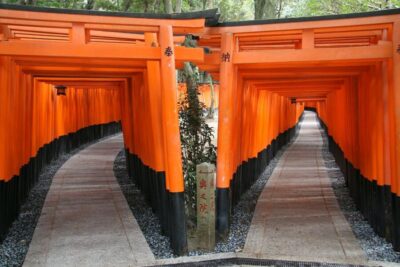
Fushimi Inari, Kinkakuji, Bamboo Grove 1 Day Bus Tour
Read our review →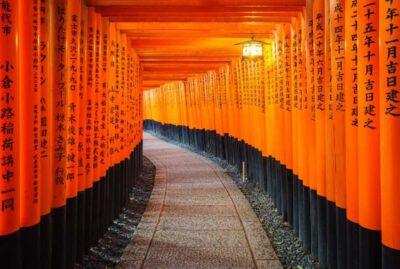
Osaka/Kyoto:Kinkakuji,Arashiyama,FushimiInariShrine,NaraPark
Read our review →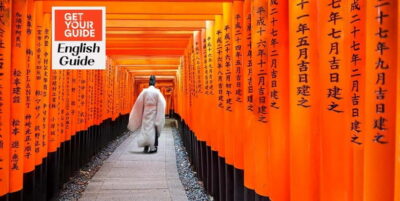
Kyoto/Osaka: Nara, Fushimi Inari Taisha, Arashiyama Bus Tour
Read our review →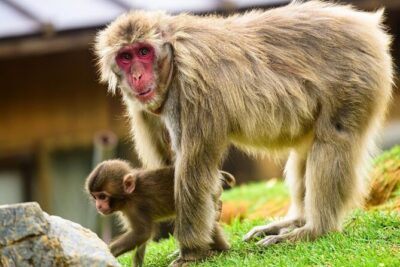
Kyoto Arashiyama Walking Tour: Bamboo, Monkeys, Gardens & Secrets
Read our review →
Arashiyama Bamboo, Temple, Monkeys, or Secret Sake Brewery
Read our review →
Arashiyama Bamboo Forest, Monkeys, Matcha & Temple Tour
Read our review →
Osaka/Kyoto: Arashiyama, Nara & Fushimi Inari Shrine w/Lunch
Read our review →
Nijo, Kinkaku-ji, Arashiyama, Kiyomizu & Fushimi Inari
Read our review →Browse the lists this tour appears in