
Snow villages come to life fast. This 7-hour Nohi Bus tour strings together the UNESCO villages Shirakawago and Gokayama, built for heavy winter snow, with time to walk, look, and photograph. The timing is tight, but the structure keeps the day moving without feeling like a mad dash.
I like the way this trip covers two UNESCO sites in one shot, instead of forcing you to choose just one village. I also love that you get the Tenshukaku Observatory experience via a included shuttle, so you do not have to figure it out on your own in a place where winter and crowds can be real problems.
One thing to consider is that the schedule can feel slightly tight if you are hoping for extra museum time in Gokayama.
Key points worth knowing
- UNESCO Shirakawago plus UNESCO Gokayama in one 7-hour tour, starting in Takayama
- Tenshukaku Observatory shuttle is included, with shuttles running every 20 minutes
- Gassho-zukuri Minkaen admission is included for hands-on cultural context
- Japanese-speaking assistant guidance before you go, with clear tips for timing and photos
- Shared shuttle-bus format, not a private tour, so expect a group pace
- Option to leave at Shirakawago exists, but it comes with no refund
Why This Takayama Bus Tour Makes Sense
If you are staying in Takayama and want the iconic gassho-zukuri houses without spending half your energy on transport logistics, this is a clean option. The tour is built like a proper bus day trip, not a vague transfer, and it gives you a guided framework for what to notice at each stop.
You also get something practical: a Japanese-speaking assistant who sets expectations before arrival. That matters in villages where the details on foot, and the timing for shuttles, can make or break the day. In other words, you spend more time looking at those steep-roof houses and less time asking where to go next.
A few more Takayama days worth comparing
- Kanazawa: World Heritage Shirakawa-go Morning Guided Tour
★ 4.9 · 988 reviews - Kanazawa: World Heritage Shirakawa-go & Two Local Experience
★ 4.9 · 274 reviews - Kanazawa/Takayama: Shirakawago & Takayama Private Day Tour
★ 4.8 · 172 reviews
Price and Value: What Your $85 Really Covers
At $85 per person for a 7-hour experience, the headline price looks simple, but the value comes from what is included. Your fare includes bus transport, admission fees, and the shuttle bus ride to the Tenshukaku Observatory.
Lunch is not included, so plan to either eat near the villages or bring snacks. That is the one “missing piece” you have to handle yourself, and it is worth budgeting a bit extra.
One smart bonus: after you use the Takayama Nohi Bus, you receive a 5% discount coupon for purchases at the Takayama Nohi Bus Center. It will not cover your whole day, but it is a small nod to making the start of your outing painless.
Overall, I think this price is fair if you value guided order, included admissions, and the observatory shuttle. If you are traveling ultra-budget and you enjoy figuring out local connections on your own, you might save a little by going independently. But the time savings here is real, especially in winter conditions where delays happen.
The Exact Flow of the Day From Takayama
You meet at the Takayama Nohi Bus Center, at the ticket counter left after you exit the JR Takayama Station East Exit. Show up at least 15 minutes early. You exchange your printed voucher for a bus ticket and a participant badge on site.
This is a shared tour, so think “group shuttle day,” not private guiding. You will have a Japanese-speaking assistant who keeps things moving and offers advice, and then you navigate short legs using the tour bus and included shuttles.
A key detail: the assistant does not guide you up to the observatory. Instead, you use the shuttle bus with your tour ticket. That is normal for this kind of setup, but it affects how you should pace yourself. You want to be ready when boarding time comes, because the shuttle runs on a regular rhythm.
Also, keep in mind the tour can run late due to snow or traffic. That is not a “gotcha,” it is simply how winter travel works in this region. Build flexibility into your day and do not schedule anything tight right after.
Shirakawago: Gassho-zukuri Houses and the Minkaen Museum
Shirakawago is where the postcard feeling hits first. The villages here are famous for gassho-zukuri farmhouses, built to handle deep winter snow. That design is not just pretty, it is practical, and you feel that when you look at the steep roof shape and the overall structure.
What I like about this tour is that it does not only drop you at the “pretty area.” You also get entry to Gassho-zukuri Minkaen, which helps you connect the houses to daily life and local culture. You are not forced to guess what you are looking at.
If you happen to visit on a Thursday when the museum is closed, there is an option for an original souvenir. That is a small detail, but it makes the admission value feel less all-or-nothing.
One thing to plan for: you will want comfortable shoes. The village areas and museum grounds generally mean walking on paths that can feel uneven. Bring a camera too, because the houses look different depending on the angle and light, and the tour layout helps you move into useful viewpoints rather than wandering randomly.
Same corner of Japan, a different kind of day:
- Departing from Takayama [Regular sightseeing bus] World Heritage Sites Shirakawago and Gokayama Ainokura
★ 4.5 · 137 reviews - 1-Day Takayama Tour: Explore Scenic Takayama and Shirakawago
★ 5.0 · 113 reviews - From Takayama: Guided Day Trip to Takayama and Shirakawa-go
★ 4.9 · 113 reviews - Private Afternoon Cycling Tour in Hida-Furukawa
★ 5.0 · 109 reviews
Tenshukaku Observatory Shuttle: How to Get the Best Views
The broad views from Tenshukaku Observatory are why this tour has an included shuttle. You get a dedicated ride rather than hoping you can figure it out mid-day.
Here is the practical part: shuttle buses run every 20 minutes. You need to check the schedule timing so you do not miss your return window. The assistant gives you guidance, but once you step onto the shuttle system, you are the one managing your time.
Also remember: you are not led up to the observatory. You go using the shuttle with your tour ticket. That means you should keep an eye on where your group is headed and how long you plan to spend for photos.
In my book, the observatory is worth the effort because it gives context for what you just saw down at village level. You move from “house details” to “how the village sits in the area,” and that is the kind of mental picture that stays with you after the day ends.
Gokayama: A Second Dose of the Same Tradition (With Its Own Feel)
Then you head to Gokayama, the other UNESCO partner site. The big idea is similar: gassho-zukuri homes shaped by winter survival and village life. The payoff is that seeing two places back-to-back helps you understand that this is not a one-village gimmick. It is a regional tradition with variation.
This part of the day is also where the schedule becomes a little more noticeable. People have said they wished they had a bit more time in Gokayama to see the museums or extra details. That tells me the tour tries to balance both villages while keeping the whole day under control, so you should go in with realistic expectations.
If you are the type who likes to read every sign and linger for museum time, you will feel the clock. If you are more about walking the streets, looking at house exteriors, and getting a few “wow” moments on camera, you will likely feel satisfied.
One extra tip: in Gokayama, you might encounter areas that feel quieter than the most obvious lanes. Some visitors have highlighted a village area like Ainokura as a calmer experience. Even if your exact time split varies, the broader lesson is the same: if you walk a bit off the most obvious path, you may find better breathing room.
The Japanese-Speaking Assistant and How the Guidance Helps
The guide style here seems to be one of the strongest parts of the experience. People consistently describe the assistant as clear, organized, and helpful with photo spots and how long to spend in each area.
That kind of guidance is not just nice. It helps you avoid the classic mistake in villages like this: spending too long in one place and then rushing through the next. It also helps you understand what to focus on, especially when your surroundings are made of many similar-looking houses and roofs.
You should also know what you are working with language-wise. The tour is described as having a Japanese-speaking assistant. At the same time, multiple experiences have noted that English support can be available or that explanations can come with English help. Do not assume every day will be identical, but you can reasonably expect the assistant to communicate clearly, and to make instructions understandable even if your Japanese is basic.
Small Details That Matter More Than You Think
This tour has a few rules and practical points that can save you stress:
- No smoking. Simple, but plan accordingly if you are used to quick breaks.
- Bring comfortable shoes, camera, and water. Winter days can be surprisingly tiring.
- Infants (0-5 years) do not have a seat. If you are traveling with a baby, book with a child rate for a seat so you are not stuck improvising.
- The tour is not suitable for wheelchair users, and it is listed as not suitable for pregnant women. That is likely due to walking and the shared shuttle day format.
One more “timing” rule you should respect: you have the option to leave the tour at Shirakawago, but there is no refund if you do. If you think you might want to break away, decide before you start the day. It is better to plan for it calmly than try to renegotiate later.
Who This Tour Fits Best
I think this tour is a great fit if you are:
- Staying in Takayama and want the UNESCO gassho-zukuri experience without planning public transport between villages
- Interested in guided context, not just photo stops
- Comfortable with a shared group pace and short transfers by shuttle
- Traveling in winter (or shoulder season) and want a structure that accounts for delays
It is less ideal if you:
- Need a fully accessible route (wheelchair users)
- Are pregnant and looking for minimal walking and reduced transfers
- Want to linger for museum time with zero pressure
If you fall in the “I want to see the big sites and learn the meaning behind them” category, you will probably enjoy how the day is shaped.
How to Make the Most of Your 7 Hours
You have one working strategy that improves everything: move with a plan, not with vibes.
- Arrive early at Takayama Nohi Bus Center. Exchange your voucher calmly and get situated.
- When you get the assistant tips, treat them like a mini itinerary. Decide up front which photo angles matter to you most.
- At the observatory, set a rough time target before you go. You do not want to get caught in a photo loop and then miss the shuttle return.
- Bring a small water bottle and quick snacks if you are picky about lunch. Since lunch is not included, you can avoid hunger-based impatience.
- If you are sensitive to cold, dress in layers. Even if you do not mind walking, winter air can sap your energy fast.
A fun mindset: focus on the structure. Look at how the steep roofs interact with weather. Notice how the villages feel at ground level versus from above. That mental contrast is the “real souvenir” this tour gives you.
Should You Book This Nohi Bus Tour From Takayama?
Yes, I would book it if your goal is a smooth day trip that delivers Shirakawago and Gokayama together, with included admissions and the key Tenshukaku Observatory shuttle. The combination is efficient, and the guidance seems to be genuinely useful for timing and photo planning.
Skip it or choose another option if you know you want extra museum time with no schedule pressure, or if access and mobility are a concern for your group. Also, if your priority is total freedom, this shared tour format might feel a bit structured.
For most people, the value lands in the sweet spot: included transport, included entry, a strong guide presence, and a clear path through two UNESCO villages that can be tricky to manage alone.
FAQ
How long is the Nohi Bus tour from Takayama?
The tour duration is 7 hours.
What is included in the price?
The price includes Nohi Bus fare, admission fees, a Japanese-speaking assistant, and the shuttle bus fare to Tenshukaku Observatory.
Is lunch included?
No, lunch is not included.
Where do I meet the tour?
You meet at the Takayama Nohi Bus Center, at the ticket counter (left after exiting JR Takayama Station East Exit). You should arrive at least 15 minutes early.
Do I need to exchange a voucher?
Yes. Exchange your printed voucher into a bus ticket and a participant badge at the Takayama Nohi Bus Center.
Can I leave the tour early at Shirakawago?
You have the option to leave at Shirakawago, but there is no refund if you do.
Is this tour wheelchair accessible or suitable for everyone?
It is not suitable for wheelchair users, and it is also listed as not suitable for pregnant women.
Fresh options around Takayama
- Short Morning Cycling Tour in Hida★ 5.0 · 17 reviews
- Magome & Tsumago Nakasendo Full-Day Private Trip with Government-Licensed Guide★ 5.0 · 20 reviews
- Ninja experience in Takayama – Special Course★ 5.0 · 20 reviews
- Ninja Experience in Takayama – Trial Course★ 5.0 · 20 reviews
- Frozen fall trekking★ 5.0 · 21 reviews
- Takayama: Edo-Period Old Town Walking Tour★ 4.5 · 22 reviews
- 1-Day Tour from Takayama: Hida Folk Village, Caves & Ropeway★ 5.0 · 24 reviews
- Gifu Samurai Sword Town;Japanese Damascus Knife Making Experience★ 5.0 · 27 reviews
Takayama Tours, compared.
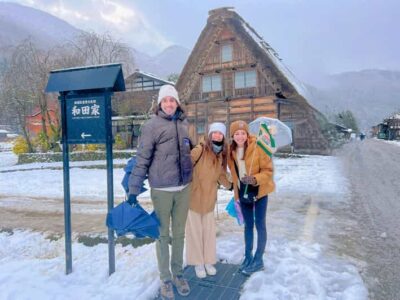
World Heritage Shirakawa-go Morning Guided Tour
Read our review →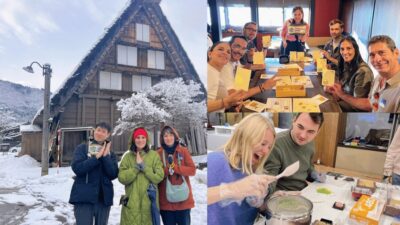
World Heritage Shirakawa-go & Two Local Experience
Read our review →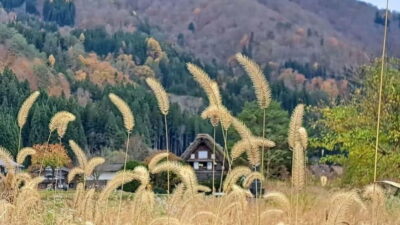
Kanazawa/Takayama: Shirakawago & Takayama Private Day Tour
Read our review →![Departing from Takayama [Regular sightseeing bus] World Heritage Sites Shirakawago and Gokayama Ainokura](https://review-japan.com/wp-content/uploads/departing-from-takayama-regular-sightseeing-bus-world-heritage-sites-shirakawago-and-gokayama-ainokura-400x267.jpg)
Departing from Takayama [Regular sightseeing bus] World Heritage Sites Shirakawago and Gokayama Ainokura
Read our review →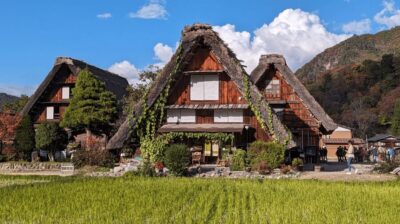
From Takayama: Guided Day Trip to Takayama and Shirakawa-go
Read our review →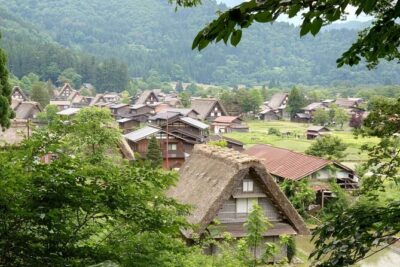
1-Day Takayama Tour: Explore Scenic Takayama and Shirakawago
Read our review →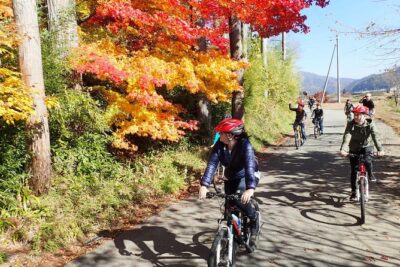
Private Afternoon Cycling Tour in Hida-Furukawa
Read our review →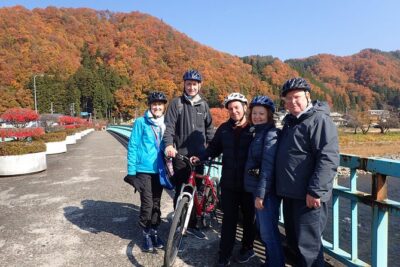
Private-group Morning Cycling Tour in Hida-Furukawa
Read our review →Browse the lists this tour appears in