
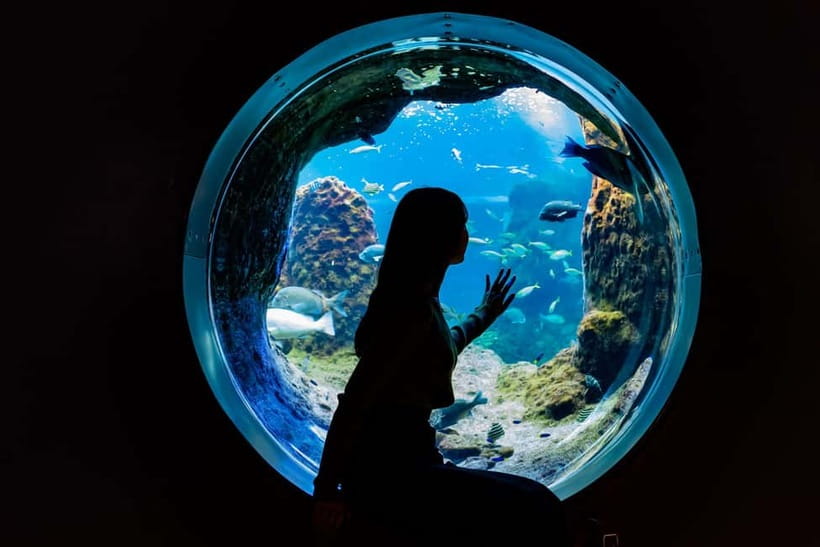
Reviewed · AQUARIUMS
Enoshima Aquarium: Admission Ticket
Aquariums in Japan feel like mini science museums. At Enoshima Aquarium you follow a clear theme, Sagami Bay and the Pacific Ocean, and you get both big animal viewing and learning through explanations and shows. I also like the jellyfish focus, because it turns a common aquarium attraction into something you actually understand. The main catch is timing, since hours can change on holiday dates or events, and in some cases you may end up leaving earlier than expected.
For a straight 1-day ticket at about $18 per person, it is a strong stop if you want an easy plan that works whether the weather cooperates or not. You will also find the aquarium simple to reach, with short walks from multiple Enoshima area stations. Just note that admission can be restricted when it is crowded, so plan to arrive with a little breathing room.
Key points before you go
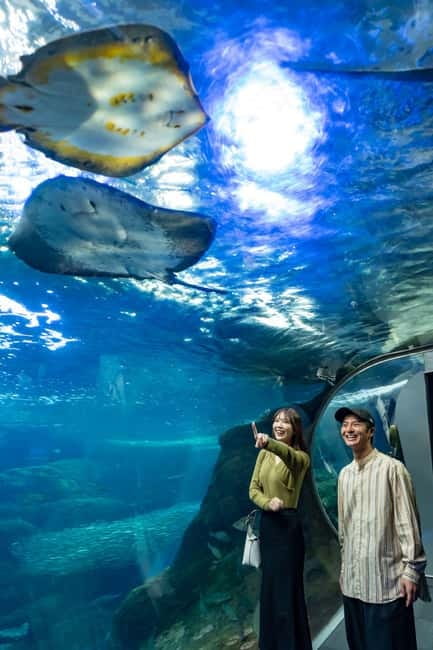
- Theme-first layout: Sagami Bay to deep-sea and jellyfish, all tied to how Pacific life connects.
- Meaningful learning: explanations and programs that keep the focus on the ocean and its surroundings.
- Seasonal extras: attractive temporary exhibits and events can change what you see.
- Interactive moments: shows and programs include chances to interact with marine creatures.
- Plan for rules: some exhibit areas prohibit flash, and selfie sticks and tripods may be restricted at busy times.
Why Enoshima Aquarium is built around Sagami Bay and the Pacific Ocean
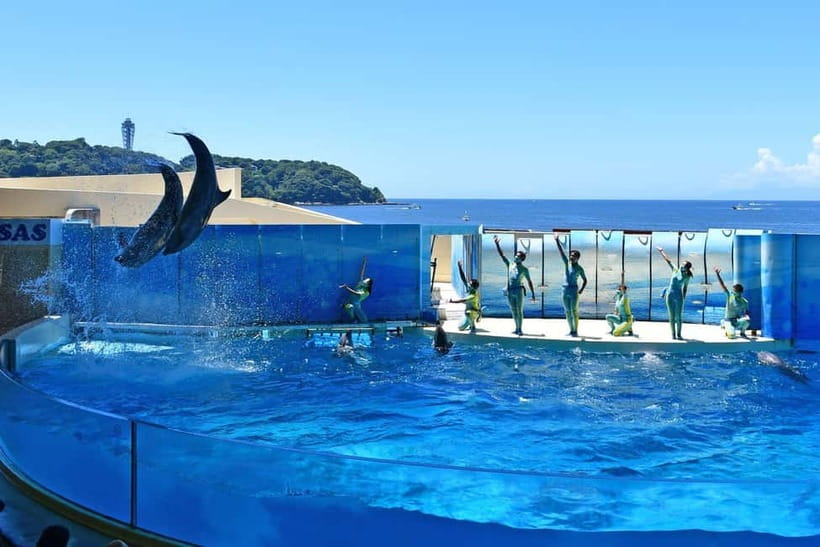
Enoshima Aquarium is not just a row of tanks. The visit is structured around the ecology of the Pacific, starting with Sagami Bay and then moving outward in theme toward deeper ocean life. That matters because it gives you a mental map while you walk, instead of just seeing animal after animal.
I like how the aquarium connects the dots. You are encouraged to think about how different creatures and habitats depend on each other, not as separate “zones,” but as one system. It is also a good reminder for real life on the coast: the ocean you visit in Japan is part of a much bigger network.
The experience leans into emotional tone too, with messaging centered on surprise and excitement and healing. You can treat that as marketing language if you want, but even practically, it shows up as a gentler pace than some strictly educational museums. The animals are the hook, and then the information helps you slow down and notice details.
A few more Kamakura days worth comparing
- Tokyo: Kamakura & Enoshima Day Trip including Temple Tickets
★ 4.5 · 1,375 reviews - From Tokyo: Kamakura & Enoshima 1-Day Bus Tour
★ 4.5 · 189 reviews - Kamakura Historical Walking Tour with the Great Buddha
★ 5.0 · 129 reviews
What you’ll see: Sagami Bay rooms, a deep-sea path, and jellyfish galleries
When you enter, you typically start with exhibits focused on Sagami Bay. Think coastal life and the kinds of marine environments that support a variety of species close to shore. From there, the route guides you into the deep-sea theme, then into jellyfish areas, and onward to other marine animals tied to the Pacific Ocean.
The aquarium highlights jellyfish and deep-sea creatures in a way that feels intentional. Jellyfish can be mesmerizing but also easy to treat like a “pretty animal” only. Here, the setup is aimed at helping you understand where they fit in the larger ocean story. In the deep-sea sections, the goal is similar, you are meant to connect what you see with why it matters in a changing environment.
One more thing I appreciate: the aquarium keeps repeating its main idea, the interconnectedness of life. That repetition turns into a simple takeaway you can remember even if you are tired from a day of walking around Enoshima.
How the shows and interactive programs change the pacing
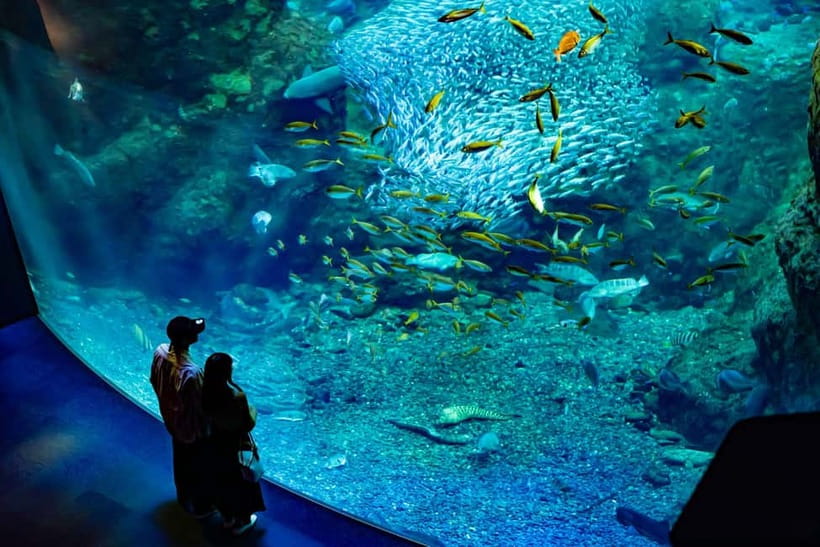
This is the part that can turn an aquarium from background entertainment into a real experience. Enoshima Aquarium offers explanations, shows, and programs that let you interact with marine creatures. You should treat these as scheduled moments that break up the self-guided viewing.
I recommend planning to linger around those program areas rather than rushing tank to tank. If you catch an explanation or show, you get context for what you are seeing, and it also gives you a natural rhythm for the day. It is especially helpful if you are traveling with kids or anyone who tends to move fast, because a short program gives the whole group a reason to stop.
A practical note: interaction opportunities can be limited by crowd levels and rules inside the aquarium. So if you want those moments, aim for earlier entry and keep some flexibility in your timing.
Seasonal exhibits and temporary events you can’t count on
Enoshima Aquarium changes with the seasons. You will find seasonal exhibits and temporary events that can add a fresh theme on top of the core route.
This is where the ticket becomes more flexible value. If you are going in peak summer or around a holiday stretch, you might get something different than what someone sees in winter. If you want the best chance of getting extra content, check the aquarium website before you go for any event pages tied to your travel dates.
Also, remember that seasonal busy periods can affect operations. The aquarium notes that opening hours may shift around spring holidays, summer holidays, year-end and New Year holidays, and events. That is not just fine print, it directly affects how much you can see in one day.
Same corner of Japan, a different kind of day:
- Kamakura Private Tour: Temples, Nature, and the Great Buddha
★ 5.0 · 121 reviews - Kamakura Walking Tour – The City of Shogun
★ 5.0 · 100 reviews - Kamakura: Private Guided Walking Tour with Local Guide
★ 4.8 · 60 reviews - Kamakura 4hr Private Trip with Government-Licensed Guide
★ 5.0 · 58 reviews
How long to budget for a 1-day ticket (and how to pace it)
Your ticket is valid for one day. Because the aquarium is self-paced but includes shows and programs, the time you spend can vary depending on what you prioritize.
Here is a pacing approach that works well in real life:
- Start with the theme route, Sagami Bay first, then follow the flow toward deep-sea and jellyfish areas.
- Plan to slow down in the sections that match your interests, jellyfish if that is your thing, deep-sea if you want something more atmospheric.
- Leave room for at least one explanation or program, since that is where the learning is most structured.
If the aquarium is crowded, your pace will naturally slow. And if hours get adjusted on event dates, you will want to have already covered the core tanks and exhibits before you spend time waiting for a later program. I like to treat aquariums like festivals, start strong, then decide what you still want after you see the highlight areas.
Getting there in Enoshima: short walks from three station options
Location is a big part of the value here, because you have multiple nearby transit choices.
You can reach Enoshima Aquarium in about:
- 3 minutes on foot from Katase Enoshima Station on the Odakyu Enoshima Line
- 10 minutes on foot from Enoshima Station on the Enoshima Dentetsu Line
- 10 minutes on foot from Shonan Enoshima Station on the Shonan Monorail Line
If you are planning to combine this with other Enoshima sights, you can pick the station that best matches your route. For most people, Katase Enoshima Station is the quickest walk, but Enoshima Station and Shonan Enoshima Station can be easier if your train connections land you there.
The coordinates put it in the heart of the Enoshima area, so you are not stuck in a remote corner. That makes it a practical add-on when you are already in town.
Price and value: what $18 buys you in a full theme-based visit
The ticket price is about $18 per person. For an aquarium, that is not a bargain price, but it is also not an outlier for Japan. The reason I think it is good value is the structure: you are not just paying for tanks, you are paying for a themed route plus explanations, shows, and interactive programs.
You also get something that many attractions lack, the “why” behind what you see. The aquarium’s core messaging is about the ocean and its surroundings, plus the interconnectedness of life in the Pacific Ocean. If you enjoy learning in a relaxed way, that educational framing is part of what you are paying for.
There are a couple of ways to get better value:
- If you are visiting during seasonal exhibits or temporary events, you get extra content beyond the permanent galleries.
- If you time your arrival to catch programs, you gain more than just viewing, you get context.
If you are only interested in the animals as decoration, the ticket may feel like “just an aquarium.” But if you want a one-day plan that combines viewing with learning, this one works.
Ticket rules that affect your day: luggage, lockers, photos, and crowds
A smooth visit depends on respecting the small rules that change your comfort level. Here is what to keep in mind.
First, luggage. Large or long luggage is not allowed inside. If you have bags, coin lockers are available on the 2nd floor, and they are paid. So if you are coming with shopping bags or a heavier day pack, plan to store it rather than dragging it through exhibits.
Second, photography. Flash photography is prohibited in some exhibit areas. Tripods and selfie sticks may also be restricted during busy times. That means you should be ready to switch to phone photos without flash.
Third, crowds. Admission may be restricted due to crowding. This is one of those “small sentence” details that can matter a lot. If you arrive late in the day during a busy period, you might find your entry options tighten.
If you qualify for discounts, the aquarium offers half-price admission for disabled persons and one accompanying person each, and you need to present a certificate onsite. High school students must show student ID.
And if you are planning around holidays, treat posted hours as a baseline. The aquarium explicitly notes that opening hours can change during spring holidays, summer holidays, year-end and New Year holidays, and events.
Who should buy this ticket (and who might feel underwhelmed)
This ticket is best for you if:
- You like marine life but also want simple explanations you can remember later.
- You enjoy jellyfish or deep-sea themed exhibits and want more context than a standard photo stop.
- You want a one-day plan that can work on a rainy day, with indoor time that still feels varied.
It might feel less ideal if:
- You only want quick, casual tank viewing and hate scheduled moments like shows and programs.
- You are on a strict time budget and cannot afford the risk of early closing on event dates.
For families, it often works well because programs and interactive elements help keep attention. For solo travelers, it can be a calm, reflective stop that still gives you a lot to see.
Should you book an Enoshima Aquarium ticket?
Yes, I think this is worth booking if you want a themed, learn-as-you-go aquarium near Enoshima stations. The route around Sagami Bay and the Pacific Ocean, the jellyfish emphasis, and the mix of explanations and programs give it more substance than a typical “walk through tanks” outing.
I would book with one smart mindset: confirm your date-specific hours before you go, especially around holidays and events, because timing changes can cut into your day. If you are flexible and arrive early, you will get a calmer, more complete visit.
FAQ
Where is Enoshima Aquarium and how far is it from nearby stations?
It is about 3 minutes on foot from Katase Enoshima Station on the Odakyu Enoshima Line. It is also about 10 minutes on foot from Enoshima Station on the Enoshima Dentetsu Line, and about 10 minutes on foot from Shonan Enoshima Station on the Shonan Monorail Line.
What are the opening hours?
From March to November it is 09:00 to 17:00. From December to February it is 10:00 to 17:00. Hours may change around spring holidays, summer holidays, year-end and New Year holidays, and events.
Is the ticket valid for more than one day?
No. It is valid for 1 day only.
Is admission refundable?
This activity is non-refundable.
Is flash photography allowed?
Flash photography is prohibited in some exhibit areas.
Are tripods or selfie sticks allowed?
Use of tripods and selfie sticks may be restricted during busy times.
What should I do with large luggage?
No large or long luggage is allowed inside. Coin lockers are available on the 2nd floor, and they are paid.
Fresh options around Kamakura
- Kamakura Bamboo Forest and Great Buddha Private Tour★ 5.0 · 12 reviews
- Tokyo Yokohama Night View Tour With Kamakura And Enoshima★ 3.5 · 14 reviews
- First time in Kamakura? Enjoy a Tour of All Must-sees!★ 5.0 · 15 reviews
- Kamakura and Enoshima: Private Guided Day Tour with Vehicle★ 3.9 · 17 reviews
- Kamakura Half Day Tour with a Local Expert Guide★ 4.4 · 23 reviews
- Your Own HANKO Name Seal Activity in Kamakura.★ 5.0 · 24 reviews
- Buddha, Bamboo & Zen – Bespoke Kamakura Private Walking Tours★ 5.0 · 25 reviews
- Kamakura: A Journey Through Medieval Japan★ 4.9 · 32 reviews
Aquariums, compared.

Naha: North Okinawa Sightseeing Tour & Churaumi Aquarium
Read our review →
Okinawa: Churaumi Aquarium, Ryukyu Village & Manza Bus Tour
Read our review →

Okinawa HIP-HOP BUS B – 1 Course Tour (Okinawa Churaumi Aquarium)
Read our review →

<1Dya Tour>Churaumi Aquarium, Cape Manzamo, American Village
Read our review →
Okinawa Full Tour: Castle, Manza, Kouri, Aquarium & American
Read our review →Browse the lists this tour appears in