
Reviewed · FOOD & DRINK
Deep Dive: Osaka Food Markets from Local to Luxurious!
Osaka food markets feel personal fast. This 4-hour guided tour strings together local wet markets and big-name food streets so you know where to go and how to shop with confidence. You can pick a morning or afternoon slot, and you end in the Namba/Dotonbori area.
I especially love the depachika experience at Takashimaya Osaka Store, because it teaches you how Japanese shopping actually feels underground. I also like how Pulala Tenma shows you a real local wet market, with the guide explaining what matters about seafood, meat, and produce. Expect plenty of expert context, from guides like Ferdinand, Kevin, Thomas, Lito, Alejandro, Damian, and Oshi.
One consideration: food tastings are not automatically included as part of the price. Snacks and samples are something you buy during the tour, so come ready with a little budget and appetite.
Key highlights worth planning for
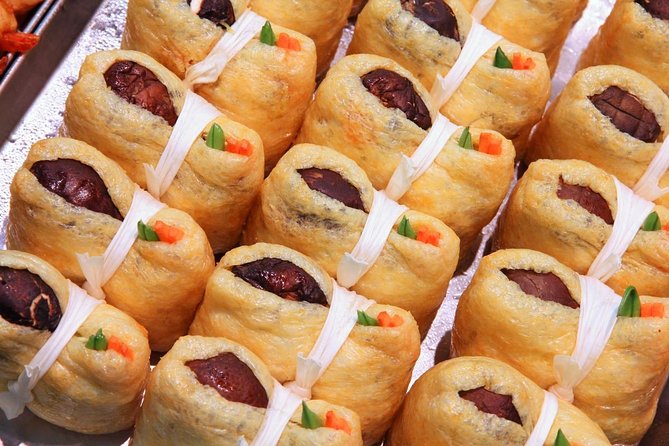
- Takashimaya depachika first, so you start with a high-quality food “map” of Osaka
- Pulala Tenma wet market for a calmer look at everyday seafood and produce shopping
- Tenjinbashi-suji arcade to understand why Osaka loves covered street life
- Tsuruhashi Korea Town to see how Korean influence shows up in what people buy
- Kuromon Market trade-offs: famous sights, but pricing can run higher
- Doguyasuji kitchenware street for practical souvenir shopping, not just eating
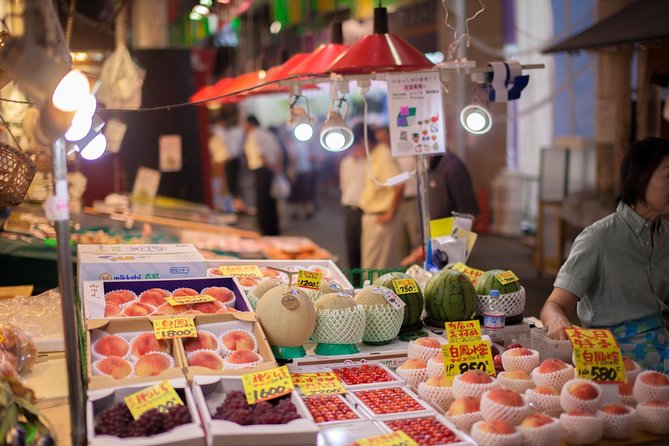
Starting at Takashimaya depachika, where Osaka food shopping looks polished
Your tour begins at the McDonald’s in front of Temma Station, and the first real “wow” is Takashimaya Osaka Store’s depachika, the underground department store food hall. If Osaka markets feel intimidating at first, this stop is a smart warm-up. You see a wide range of foods in a clean, organized setting, so you learn what good looks like before you hit the busier open markets.
What I like about starting here is that it trains your eyes. You can spot differences in ingredients, packaging, and how vendors present both Japanese and Western-style items. Guides on this tour tend to focus on practical buying habits too, not just sightseeing. Think: what to look for, how to ask questions, and what types of foods tend to suit different tastes.
Also, this stop is quick, around 20 minutes, so it never feels like a long museum moment. It’s more like a food scouting session. And since admission is free, you are not paying extra just to get oriented.
More Food Tours in Osaka
- Osaka: Shinsekai Food Tour with 13-15 Dishes at 5 Eateries
★ 4.8 · 2,204 reviews - Osaka Food Tour: 13 Dishes at 5 Local Eateries
★ 5.0 · 2,149 reviews - Hungry Osaka Street Food Tour:15 Tastings & 3 Drinks with a Local
★ 5.0 · 1,727 reviews
Pulala Tenma wet market, a real food supply chain in human scale
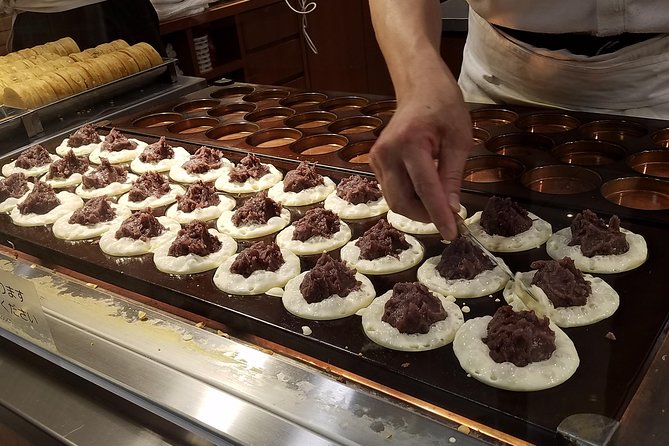
Next you head to Pulala Tenma, a local wet market designed for day-to-day shopping. The big win here is scale and authenticity. Wet markets can be chaotic, but this one is presented as a place to see local buying rhythms up close without the heaviest tourist crowds.
This is where your guide earns their keep. A strong theme in the feedback is how guides explain not just what you are seeing, but what makes those ingredients work together. One guide style highlighted in reviews is patient explanation, including history and cultural context tied directly to the food. That approach matters here, because wet markets can blur together unless you know what to notice.
At Pulala Tenma, you will see local seafood, meats, vegetables, and more displayed in a way that shows how Osaka eats and cooks day to day. Even if you do not buy anything, you’ll come away with a mental catalog of ingredients you usually only recognize in supermarket aisles. If you want to order later on your own, this stop helps you translate.
Tenjinbashi-suji arcade and the Osaka supermarket lesson
After that you move into Tenjinbashi-suji, the long covered shopping street. Covered streets are a big part of Osaka life. They help people shop through weather swings, and they keep the street feeling active even when the day is not perfect.
This portion also includes time to learn about the street’s role historically and in modern life. It’s not just trivia. The point is to understand why Osaka food shopping feels so integrated into everyday movement, not separated into a tourist zone.
You’ll also pop into an Osaka supermarket. That is one of the most practical parts of the whole tour. Markets are loud and visual, but supermarkets show you how locals think about daily quantities, labels, and ingredient choices. You leave with a better idea of what to buy when you want something simple, filling, and reliable.
If you like to cook when you travel, this segment pairs well with the later kitchenware shopping on Doguyasuji. Even if you do not cook, you’ll still learn what ingredients make Osaka-style meals easier to replicate.
Tsuruhashi Korea Town, where food and culture share the same streets
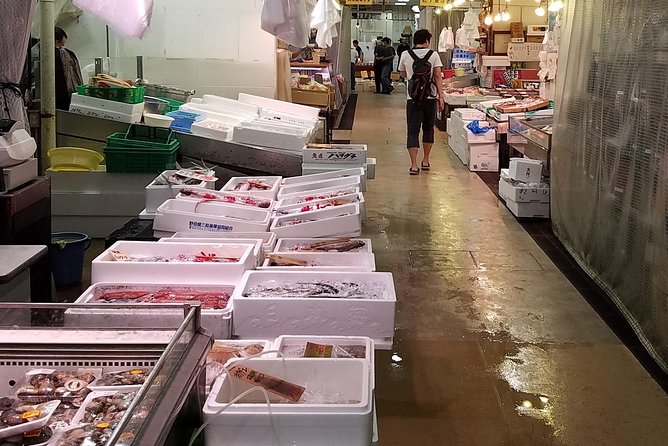
Then you head to Osaka Tsuruhashi Ichiba, known for Korea Town. This stop is interesting because it broadens your idea of what counts as Osaka food culture. It is not only Japanese ingredients and traditions. Korean influence shows up in what is sold and how people browse.
You’ll spend about 30 minutes here, and the guide frames the area beyond snacks. While you can absolutely pick up tasty bites, you’ll also see clothing and other goods that make the neighborhood feel like a real cultural pocket. That matters because it helps you avoid the common mistake of treating markets like vending machines. Here, you learn to read the neighborhood.
One practical benefit: Korea Town can be a confidence builder for ordering. If you get used to how packaged goods and ready-to-eat items are displayed, it becomes easier to buy food independently later. This tour’s goal is that you can navigate Osaka markets and order dishes on your own, and Tsuruhashi supports that learning with variety.
Same corner of Japan, a different kind of day:
- Osaka Go Karting Tour with Funny Costume
★ 5.0 · 2,658 reviews - Osaka Castle: Museum and Tower Entry Ticket
★ 4.5 · 2,380 reviews - Osaka: teamLab Botanical Garden Entry Ticket
★ 4.5 · 1,710 reviews - Osaka: Tea Ceremony Experience
★ 4.9 · 1,426 reviews
Kuromon Market, famous sights plus a price reality check
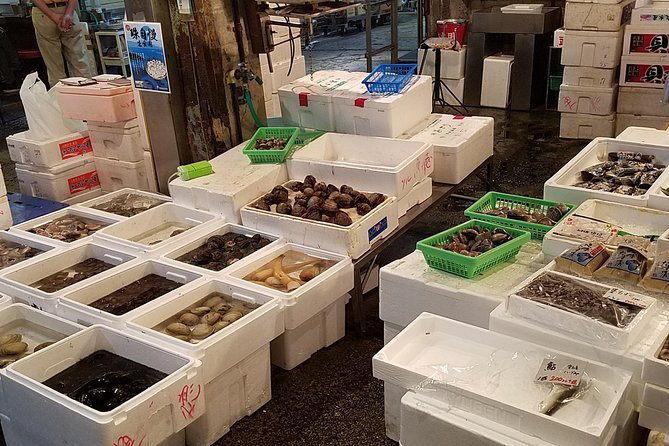
Kuromon Market is the most visitor-famous stop on the route. That fame comes with trade-offs. The tour keeps it balanced by also teaching you how to shop in a place where pricing can be higher than other markets.
What you gain at Kuromon is visual energy and quality awareness. Seafood and other items look dramatic here, and the sights are part of the appeal. But because prices are not always the best deal, this is a stop where your guide’s advice can save you money.
In reviews, guides are praised for giving recommendations, answering questions, and tailoring advice to interests. Use that. If you are spending your own money for snacks, you want to pick items that fit your taste and your budget. The difference between buying a safe, satisfying choice and an expensive impulse purchase can be the difference between a fun souvenir snack and a regret moment.
Kuromon works best if you treat it as a tasting-and-shopping playground, not a “everything here is cheap” fantasy.
Doguyasuji kitchenware street, the souvenir that actually helps you eat
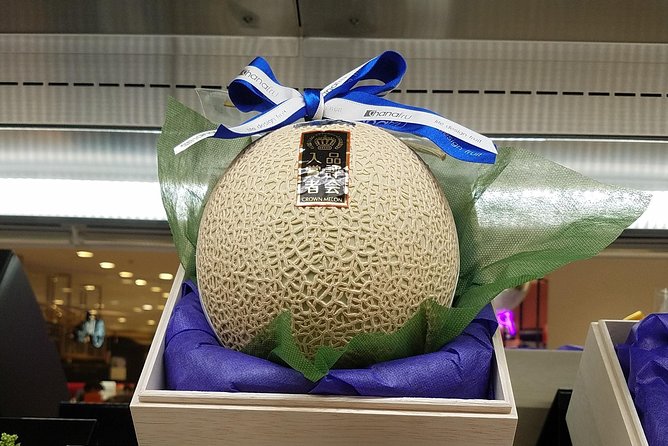
Sennichimae Doguyasuji Shopping Street is where the tour shifts from eating to cooking tools. Kitchenware galore is the theme, including Japanese ceramics, wax sushi models, and the kind of gifts food lovers actually appreciate when they get home.
This is a smart stop for two reasons. First, it gives you something to do if you get snack fatigue during a market-heavy day. Second, it helps you bring Osaka home in a useful way.
If you love the idea of cooking with better tools, this is the kind of place where you can spot what makes Japanese kitchen items different in feel and design. Even if you only buy small items, like serving dishes or accessories, you’ll remember the day every time you use them.
And yes, you can still walk away with food-related purchases. But the emphasis here is practical shopping, not just stuffing your bag with snacks.
Namba and Dotonbori wrap-up, how to enjoy the big lights without losing your bearings
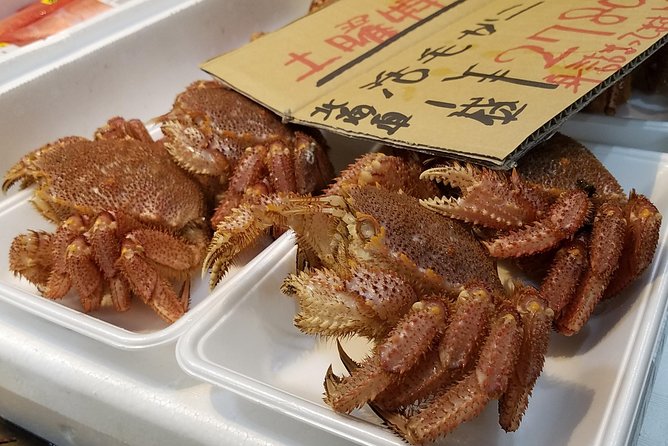
With any remaining time, you explore the Namba or Dotonbori area. This is a fun landing point because it connects your market education to Osaka’s public face. After learning the ingredient logic of multiple markets, it’s easier to enjoy the street scenes and food culture in the open.
This part is shorter, around 20 minutes. The key is that it feels like a payoff, not another homework assignment. You end near Ebisu Bridge, which also puts you in a convenient location for continuing your own evening plans.
If you want a smooth next step, Dotonbori is where you can follow your nose for dinner. Your market practice helps here because you already understand how foods are grouped, how people choose, and what types of dishes tend to be available.
Price and what you should budget beyond the tour
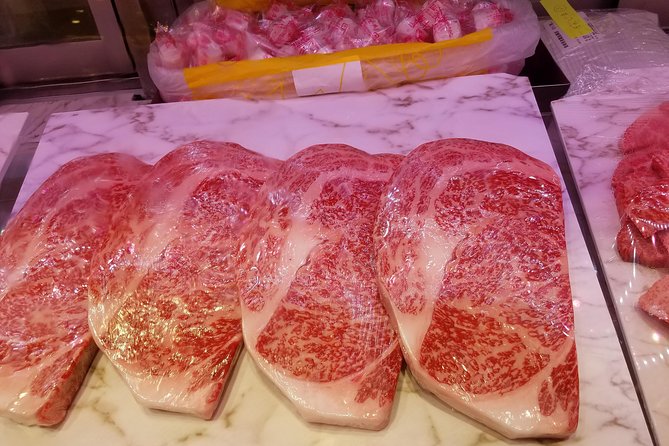
The price is $91 per person for an approximate 4-hour private tour with pickup offered. That is not cheap, but it is also not just a casual walk. You are paying for a guide who organizes multiple market environments and explains what you are seeing.
Here’s the important part for value: transportation and food purchases are not included. Transportation is listed at 330 yen per adult, and some notes suggest around 400 yen for the entire tour. And snacks and refreshments are on you. Admission tickets at the listed stops are free, so your extra cost is mostly your own spending and local transit.
So, think of this as a guided shopping lesson. If you plan to buy only a small snack or two, your day can stay budget-friendly. If you want to buy more at Kuromon or Korea Town, your total day cost will rise fast, like it does in any famous food district.
If you’re comparing value, ask yourself this: do you want a guide to help you find good ingredients and avoid misfires? If yes, this tour can be worth it. If you want a guaranteed food-filled tasting menu, you might feel disappointed, because samples are not consistently included.
Guides and group experience, why the tour rating is so high
The standout theme in the feedback is the guides. People repeatedly mention strong communication, deep knowledge, and a fun, engaging style. Names that show up include Ferdinand, Kevin, Thomas, Lito, Alejandro, Damian, and Oshi.
What I take from those comments is that the guide quality is not just reading scripts. Guides answer questions and tailor the pace to the group. One review even mentions translations for specific food choices, which is exactly what helps during market shopping.
This is also a private tour, meaning it’s only your group. That matters in crowded areas where a big group can slow everyone down. With a smaller group, you can ask more questions, linger at interesting stalls, and get recommendations that actually match your preferences.
Walking pace and who will enjoy this most
The tour includes a moderate amount of walking. Reviews call out that stamina helps, and that heat can make the day feel longer. If you are bringing kids, the policy says children must be accompanied by an adult. That can work well if the guide can tailor to their interests, and multiple reviews note that customization is possible.
Best fit:
- Food curious travelers who want to learn how markets function, not just take photos
- People who plan to order food later on their own and want confidence
- Those who like ingredient shopping and Japanese food culture details
- Cook-at-home types who enjoy kitchenware shopping on Doguyasuji
Might not be best fit:
- You want unlimited included tastings, snacks, or a full meal covered by the tour price
- You dislike walking through crowded shopping streets, even at a moderate pace
Should you book this Osaka food markets tour?
Book it if you want a guided food education in multiple neighborhood styles, from depachika to wet market to Kuromon and Korea Town. The guide-led recommendations and translation support are the reason this tour earns such strong ratings, and they help you spend your snack money on the right things.
Skip it or reconsider if you specifically expect included food tastings and samples as part of the tour price. The tour is fundamentally a markets tour with purchase opportunities, not a fully paid tasting meal.
If you do book, go in with a simple plan: wear comfortable shoes, decide your snack budget before you start, and ask your guide what to prioritize at each stop. That turns a busy route into a focused, satisfying Osaka food day.
FAQ
How long is the Osaka food markets tour?
It runs about 4 hours.
Is this tour private?
Yes. Only your group participates.
What does the price include?
The tour includes a native or close-to speaker guide in your chosen language. Admission tickets at the listed stops are free, but food and snacks are not included.
Are food tastings or samples included?
No. Samples, food items, refreshments, and souvenirs are not included. Snacks during the tour are your responsibility to purchase.
Is transportation included in the tour price?
No. Transportation is not included, listed at 330 yen per adult.
Do you offer pickup?
Pickup is offered.
Where does the tour start and end?
It starts at McDonald’s in front of Temma Station and ends at Ebisu Bridge in Dotonbori.
Is there a cancellation option?
Yes, you can cancel for free up to 24 hours in advance for a full refund.
What kind of walking should I expect?
The tour includes a moderate amount of walking.
Fresh options around Osaka
- Osaka Winery Tour with Wine Tasting & Vineyard Walk★ 4.9 · 12 reviews
- Osaka: Early Morning Osaka Castle Guided Tour, Avoid Crowds★ 4.9 · 12 reviews
- Kyoto Day Trip from Osaka Port – Private Shore Excursion★ 5.0 · 13 reviews
- Osaka Private Pop Culture Tour: Historic Tenma to Dotonbori★ 4.5 · 13 reviews
- Osaka Castle Admission Ticket★ 4.0 · 13 reviews
- Hidden Osaka Foodie Tour: Nishinari Backstreets & Local Dining★ 5.0 · 13 reviews
- Discover Real Osaka: A Cultural Walk with Food & Drink★ 5.0 · 13 reviews
- Nara private tour (Shore excursion available from Osaka or Kobe port)★ 5.0 · 13 reviews
Food & Drink, compared.
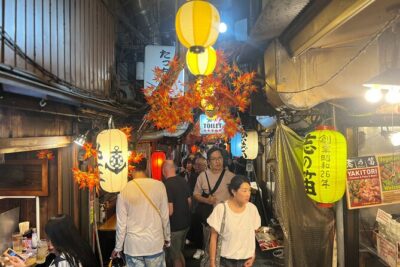
Shinjuku Food Tour (13 Dishes at 4 Local Eateries)
Read our review →
Tokyo Tsukiji Fish Market Food and Culture Walking Tour
Read our review →
Shinsekai Food Tour with 13-15 Dishes at 5 Eateries
Read our review →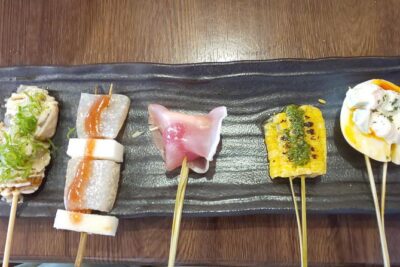
Osaka Food Tour: 13 Dishes at 5 Local Eateries
Read our review →
Shinjuku Food Tour (15 Dishes and 4 Eateries)
Read our review →
Best of Shinjuku: Izakaya Food Tour (4 Stops, 14+ Tastings)
Read our review →
Kyoto Night Foodie Tour in Gion (9+ dishes + 6 Sake tastings)
Read our review →
Hungry Osaka Street Food Tour:15 Tastings & 3 Drinks with a Local
Read our review →Browse the lists this tour appears in