
Reviewed · SUMO EXPERIENCES
Chair Seat Guaranteed SUMO Practice +Photo +Culture Option
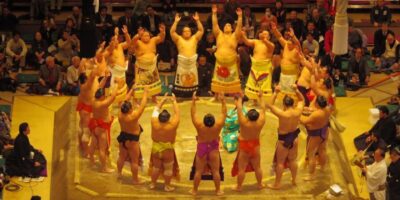
Tokyo does early. This sumo practice puts you close to real training. You get guaranteed chair seating, a guide who translates what you are seeing, plus a Q&A and a group photo so the morning does not end when practice ends.
I especially like two things about this experience. First, the chair seat guarantee means you are not stuck on the floor for a long viewing window. Second, it feels built for learning, with a local guide delivering context about sumo history, techniques, and customs around what you watch.
One thing to consider: the morning has strict stable rules, so you need to be ready for a quiet, no-chat session. Also, seating comfort can vary for individuals, so if you are sensitive about chairs, it is smart to go in expecting a basic, stable-style setup.
Key points before you go
- Guaranteed chair seating: you skip the floor and stay comfortable during the main viewing time
- Near-proximity viewing: you watch the morning practice from very close by
- Local guide context: history and rules are explained during the session
- Q&A with active wrestlers: you get a short chance to ask questions and talk
- Photo included: group photo is part of the experience, with extra photo opportunities during the interaction time
- Small group limit: capped at 10 travelers, which helps keep things orderly
Chair seating and close-up sumo: what you actually get
This tour is built around one simple idea: seeing sumo in a way that is more comfortable and more meaningful than just arriving, standing around, and guessing what you are looking at. The big difference is the guaranteed chair seat. Most first-time visitors expect a floor-style viewing situation, because that is common at traditional venues. Here, you sit.
That matters because the main practice portion runs about 1 hour 40 minutes. If you plan to watch hard, close training moves like shiko stomps, warmups, and routine drills, you want your knees and back to survive the morning. A chair also makes it easier to keep your camera steady and your attention focused.
The other strength is that you do not just get the show. You get explanation. There is a local guide session on sumo history and context, so when you notice chants, gestures, or training customs, you have a framework instead of random observations.
More sumo experiences in Tokyo:
- Tokyo: Sumo Show Experience with Chicken Hot Pot and a Photo
★ 4.8 · 6,678 reviews - Tokyo: Sumo Show and Dining Experience
★ 4.8 · 2,742 reviews - the SUMO show
★ 5.0 · 1,960 reviews
Getting to Kiyosumi-Shirakawa: the exit detail that can make or break it
The meeting point is Kiyosumi Shirakawa Station, in Tokyo’s Koto City. You meet at ground level, Exit B1. There is a FamilyMart nearby, which is a helpful landmark when you are moving through a multi-exit station.
This is the kind of detail that seems minor until it is 8:00am and you are scanning signage. In practice, I treat this as a real instruction: arrive early enough to calmly find B1, rather than rushing in and guessing. The tour is small, and the group is expected to gather at the correct spot.
Also, the location is near public transportation. That is good news because you are not stuck with a complicated last-mile taxi situation at the start of your day.
Step-by-step itinerary: what happens at each stop
Stop 1: Meet at Kiyosumi-Shirakawa (about 15 minutes on site)
You start at Kiyosumi Shirakawa Station. Expect a short meetup window where you connect with the guide and group, then move toward the stable.
This early stage is not the exciting part, but it is important. It sets the tone for the rest of the session: you get clear instructions for what you are allowed to do once you enter the practice area.
A few more Tokyo days worth comparing
- Mt Fuji and Hakone 1-Day Bus Tour Return by Bullet Train
★ 5.0 · 26,383 reviews - 1-Day Tokyo Bus Tour
★ 5.0 · 14,250 reviews - Tokyo: TOKYO SKYTREE® Admission ticket
★ 4.5 · 11,192 reviews - Tokyo: teamLab Planets TOKYO Digital Art Museum Entry Ticket
★ 4.6 · 9,779 reviews
Stop 2: Watch the morning practice from chair seating (about 1 hour 40 minutes)
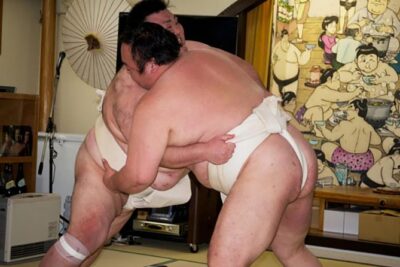
Now the real viewing begins. You are seated instead of sitting on the floor, and you watch the morning practice unfold in very near proximity.
There are strict rules during this time:
- No talking
- No eating or drinking
- Taking pictures is allowed
That quiet rule is not just for manners. It protects the flow of training inside the stable, where sound and distraction matter. If you come with a group that chats, agree ahead of time that phones and voices stay quiet.
From a viewer perspective, this is where you learn fast. You start noticing that sumo practice is not one big performance. It is a sequence: warmups, drills, routine movements, and practice patterns that build the skills you later see in tournaments.
Stop 3: Q&A and interaction with active wrestlers (about 20 minutes)
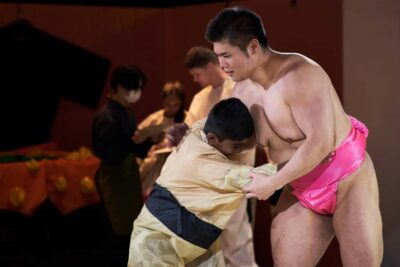
After the main practice viewing, you get time to talk with active sumo wrestlers. There is also an opportunity to take pictures during this interaction period.
One useful tip here is mindset. This is not a long hangout. It is a brief, structured chance to connect. Ask short questions, keep your tone respectful, and be ready when your moment comes.
Some interactions can include photo chances that feel extra special, especially when you are dealing with someone actively practicing or training that morning. The tour also includes a group photo, so you will have at least one memory that is easy to share at home.
Stop 4: Sumo history and context from the local guide (about 25 minutes)
While practice time is quiet, the guide time is where everything starts to click.
You get a session on:
- What sumo is
- How it came to be
- History and context of the sport’s customs and techniques
In some groups, guides like Max (and sometimes Masao mentioned in similar experiences) are praised for bringing the sport into focus without turning it into a lecture. The goal is practical understanding. You want to walk away knowing why certain training actions exist, and what traditions mean beyond the spectacle.
Stop 5: Transfer time back to the station (about 20 minutes)
Finally, you return to the station and finish back at the meeting point. This is normal tour rhythm, but it helps you plan your day. You are not left wandering around the neighborhood with no clear end point.
The rules inside the stable: how to plan your behavior
The no talking rule during the main viewing is the clearest expectation from the tour format. No eating or drinking too. Photos are fine, which is great because you will want some images without feeling like you are breaking rules.
I also recommend you treat the stable like a workplace. Even with a chair and a guided session, you are still a visitor inside a training environment. Keep movement minimal, keep your voice off, and let the session run the way it is supposed to run.
If you are traveling with kids, the rules still matter. However, the structure can be manageable: brief instructions early, a chair to sit on, and a guide to translate what you are seeing. If your kids can follow simple quiet instructions, it can work well.
Price and value: what you are paying for at $102.47
At about $102.47 per person, you are not only paying for access to a morning sumo practice. You are paying for convenience and added value that many solo visitors do not get:
- Guaranteed chair seating (comfort is not guaranteed elsewhere)
- A local guide presentation explaining history and context
- Entrance fees to the stable
- A group photo
- A structured Q&A/interaction time with active wrestlers
The small group size, up to 10 travelers, is also part of the value. In a busy area of Tokyo, quiet organization is not a given. Here, the experience is designed to stay controlled and keep time from slipping.
Is this a budget deal? It is not a bargain. But if your priority is a close-up view plus real understanding, it is strong value. You are essentially buying two things at once: access to training and the explanation that makes the training legible.
Comfort and practical expectations for your knees, camera, and morning energy
This tour is physically moderate and designed for mainstream visitors, but it is still an early morning. Start time is 8:00am, and you should plan to be ready a little before the official start.
Chair comfort is the biggest comfort variable. Most feedback supports the chair advantage as a real help, especially for people with knee or leg alignment concerns. That said, one caution does exist: some people can find stable-style seating uncomfortable even when chairs are provided. If you know you are sensitive to hard chairs, consider bringing a small personal comfort aid if allowed in your situation.
For cameras: pictures are permitted during the practice. Expect you will want to shoot quickly when action happens. Also, during the interaction period, keep your handling simple so you do not waste the brief moments.
Culture component: why the guide talk matters as much as the practice
Here is the trick with sumo for first-timers: the action looks powerful and rhythmic, but the meaning can stay hidden if you do not have context.
That is why the guide session after the main viewing is such a good use of time. When the tour explains what sumo is and how it developed, you can connect routines to tradition and technique. You start to see why certain rituals exist, and what customs are doing in a training setting.
This is also where the experience becomes more than a photo stop. A chair lets you watch longer. The guide makes those minutes count.
Who should book this Tokyo sumo practice tour
This experience is a great match if you want:
- A close-up view of real morning practice
- A guaranteed seat instead of floor sitting
- Structured learning from a local guide
- A short, respectful chance at Q&A and interaction
- A group photo to wrap up the morning
It is especially good for first-time Tokyo visitors who want a must-do cultural experience without turning it into a stressful logistics puzzle.
It might be less ideal if you are extremely sensitive to seating comfort, because chairs in stables can still feel basic. It also may not suit visitors who struggle with strict rules like no talking during the viewing portion. If quiet discipline is not your thing, plan to adjust.
Should you book? My honest take
Yes, you should book this if your goal is simple: see sumo up close, sit comfortably, and come away understanding what you watched. The guaranteed chair is a real quality upgrade, and the guide time turns the experience into more than just spectacle.
I would book with extra attention to the meetup details. Go early, find Exit B1 at ground level, use the FamilyMart as your landmark, and you will reduce stress fast. The morning has rules and a short schedule, so being on time matters.
If you want a calm, organized, small-group sumo practice with real context, this hits the mark.
FAQ
What time does the tour start?
The tour starts at 8:00am.
How long is the experience?
The experience is about 3 hours in total, including travel time between the station and the stable.
Where do we meet for the tour?
You meet at Kiyosumi Shirakawa Station in Tokyo, Koto City. The meeting point is Exit B1 at ground level, with a FamilyMart nearby. The tour ends back at the same meeting point.
Is a chair seat included?
Yes. The experience includes a chair seat guarantee, so you are not required to sit on the floor during the practice viewing.
Can I take photos during the practice?
Yes. Taking pictures is perfectly fine during the viewing time.
Is a group photo included?
Yes. A group photo is included as part of the session.
Is there an opportunity to talk with wrestlers?
Yes. There is an interaction opportunity with active sumo wrestlers, and the tour also includes an exclusive Q&A session.
What is included in the ticket price, and what is not?
Included: entrance fees to the stable, a group photo, a local guide presentation on sumo, and a Q&A session with a sumo wrestler. Not included: optional tours.
What is the cancellation policy?
You can cancel for a full refund up to 24 hours before the experience starts. If you cancel less than 24 hours before, the amount paid is not refunded.
Fresh options around Tokyo
- Tokyo: Nikko Kegon Falls Lake Chuzenji Toshogu Temple & More★ 4.9 · 12 reviews
- Tokyo: Samurai History Walking Tour★ 5.0 · 12 reviews
- Harajuku: Kawaii Fashion and Pop-Culture Tour★ 4.7 · 12 reviews
- Tokyo: Mt. Fuji & Lake Kawaguchi Instagram Full Day Trip★ 4.1 · 12 reviews
- Shibuya Tokyo: Modern Kintsugi Workshop in Shibuya★ 5.0 · 12 reviews
- Tokyo: GTR Guided Daikoku Experience at Night★ 5.0 · 12 reviews
- Tokyo: Daikoku JDM Car Culture Tour★ 4.6 · 12 reviews
- Mt Fuji Private Day Trip from Tokyo with English speaking driver★ 5.0 · 13 reviews
Sumo Experiences, compared.
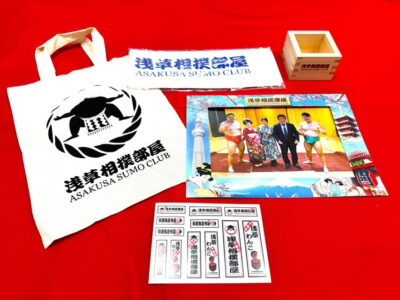
Sumo Show Experience with Chicken Hot Pot and a Photo
Read our review →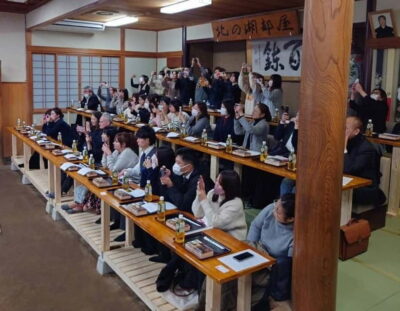
Tokyo Shinjuku Sumo Show & Experience with Photo
Read our review →
Sumo Show & Experience w/ Optional Kimono & Hot Pot
Read our review →
Authentic Sumo Experience in Tokyo: Enter the Sanctuary
Read our review →Browse the lists this tour appears in