
Reviewed · SAMURAI & NINJA EXPERIENCES
Kyoto: Ninja Weapon Forging Experience
Steel sparks. Kanji names. A Kyoto keepsake. This Kyoto ninja weapon forging class is a hands-on workshop where you make a real-steel shuriken or kunai under the guidance of the studio team, including Taka, Mits, Ako, and Yok. You’ll also leave with a personalized kanji engraving and a finished piece you can store in a beautiful box.
I especially like how much you do yourself, from heating steel in a furnace to hammering and refining your shape. And I love that the session is not only about the object, you also get a ninja knowledge talk on history, symbolism, and hidden techniques that makes your weapon feel more meaningful than a typical souvenir.
One thing to factor in: some weapon options can cost extra, including a ¥3,000 add-on if you choose the Kunai option.
Key things to know before you go
- Real-steel forging with guided hammering at a high-temperature furnace
- Traditional blacksmith dress in samue, finished with a head wrap (tenugui)
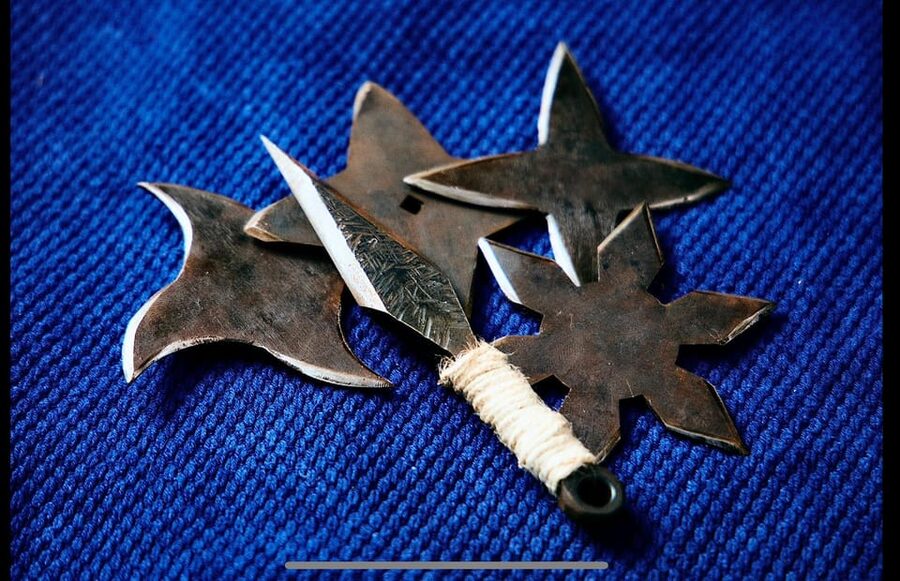
- Multiple weapon choices, including shuriken styles or a kunai (kunai has an extra fee)
- Kanji engraving so you add a personal character to your weapon
- Finish work that actually matters, including sharpening, sanding, blackening for rust protection, and final polish
- Photo-friendly crafting, with staff helping with cameras and videos during key moments
Finding the studio: Hieizanguchi Station and a short uphill walk
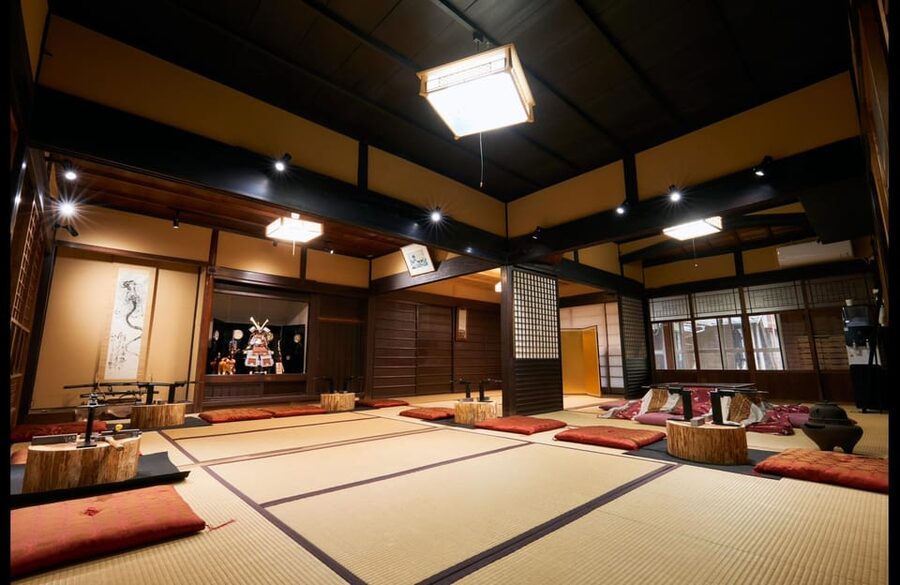
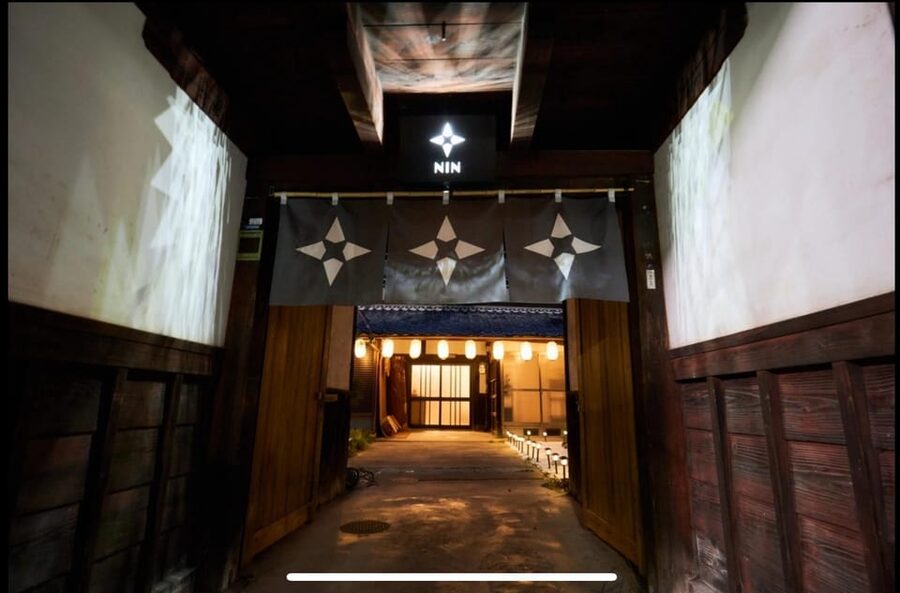
This experience is close to Kyoto transit, with the meeting point a one-minute walk from Hieizanguchi Station. From the station, go up the hill where you’ll spot the red postbox in front of the station. It sounds minor, but it helps a lot when you’re trying to make the timing work after sightseeing.
The workshop sits in a more residential side area, and some people find they need a taxi for an easy approach, then the short walk at the end. If you like a smooth start, plan to arrive a few minutes early so you can settle in before you suit up.
More Samurai & Ninja Experiences in Kyoto
- Kyoto Samurai Experience
★ 5.0 · 1,294 reviews - Kyoto: Kendo and Samurai Experience with Uniform and Gear
★ 4.9 · 815 reviews - Kyoto: Samurai Sword Class by Experts in Traditional Arts
★ 4.9 · 657 reviews
What happens when you arrive: samue, tenugui, and choosing your weapon
Your first step is getting dressed in traditional samue, the outfit worn by Japanese blacksmiths. A tenugui wrapped around your head completes the look. It’s not just costume, it sets the tone, and it helps you understand this isn’t a quick demo, it’s a working-skill style class.
Next you choose your weapon. You can pick from three different shuriken styles, or choose a kunai option. If you want the kunai, you’ll need to select the Kunai option when you reserve, and there is an additional ¥3,000 fee. This add-on covers processing and material costs, so it’s worth deciding in advance so you are not surprised at check-in.
Practical tip: decide early which weapon fits your goal. If you want something more playful and iconic, shuriken styles are the obvious pick. If you want a more tool-like, solid souvenir, the kunai option may feel more satisfying in hand.
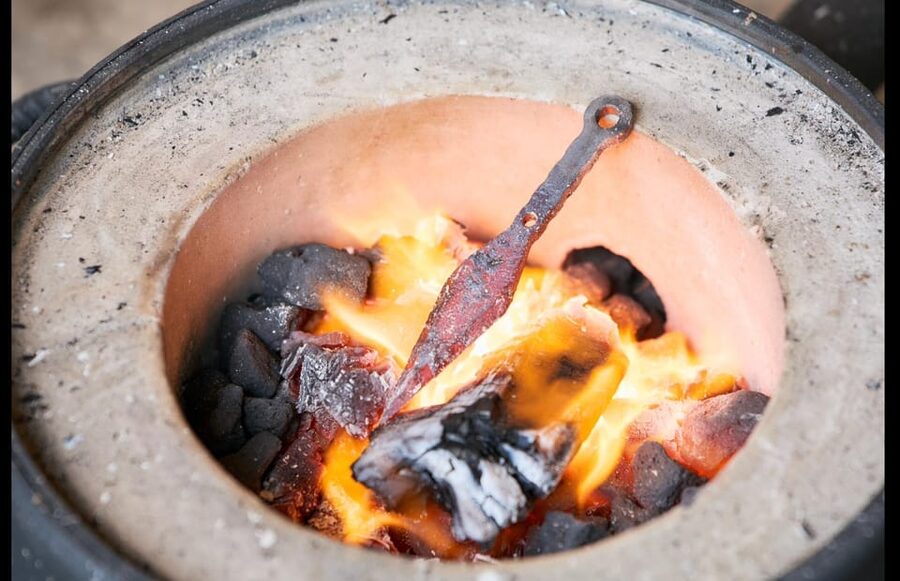
The highlight: hammering heated steel at about 800°C
The forging section is where the experience turns from interesting to unforgettable. You’ll see your steel glow inside an 800°C furnace, then strike the heated metal with a hammer while your instructors guide you. Sparks, sound, and that raw heat all make it feel like the real thing, not a craft made to look dramatic for photos.
This is also where the value shows. At most workshops, you might watch a specialist do the hard part and then try one small step yourself. Here, the class is structured so you experience the shaping process directly, blow by blow, which is a big reason the reviews are so consistently enthusiastic.
What to expect during forging:
- Metal heats up in the furnace and you work it under instruction
- You shape the piece step by step, not just one scripted motion
- Your instructors stay close to make sure you can handle the process safely and confidently
If you like tactile learning, this is the best part. If you hate loud noise and heavy tools, tell the staff when you arrive so they can guide you on how to participate comfortably.
Shaping, sharpening, sanding: getting clean lines on your piece
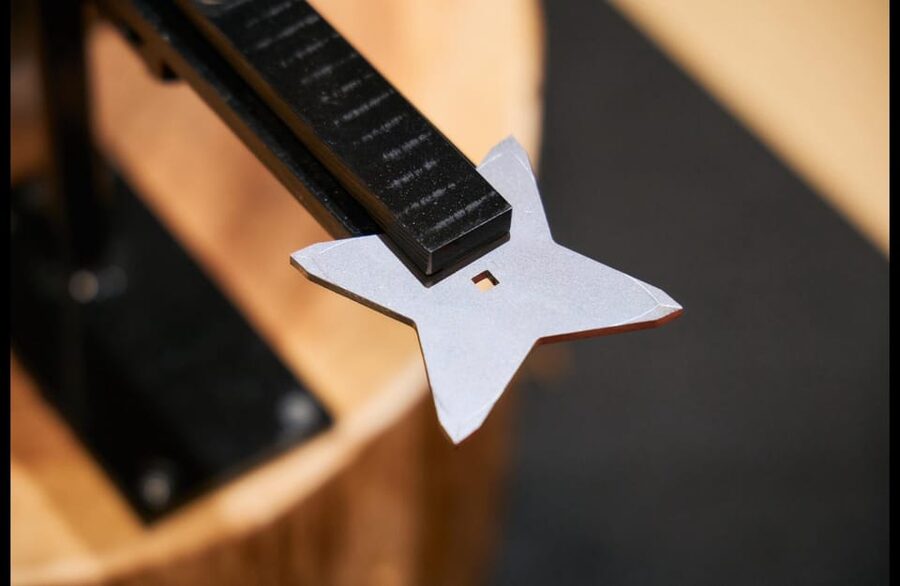
Once the steel has its basic form, you move into refining. You’ll use a professional belt sander to shape and clean up the blade. This stage is surprisingly satisfying because you can see the transformation right in front of you: rough metal becomes crisp lines, and your piece starts looking like something you’d actually want to display.
Some classes also let you choose the sharpening end result. One reviewer noted being able to select how sharp their ninja star would be, which can matter if you plan to travel with it or want a less aggressive souvenir. Even if you don’t go for max sharpness, the refinement work is still the part that makes your weapon look finished rather than handmade in a casual way.
More samurai and ninja experiences in Kyoto:
- Skip the lines Basic Ticket at SAMURAI NINJA MUSEUM KYOTO
★ 4.5 · 632 reviews - Ninja 1-hour Hands-on Lesson by Japanese master in Kyoto -Entry
★ 5.0 · 489 reviews - Kyoto: Samurai Kenbu Traditional Sword Dancing Show
★ 4.5 · 426 reviews - Samurai Training with Modern day Musashi in Kyoto
★ 5.0 · 256 reviews
Kanji engraving: make it personal, not generic
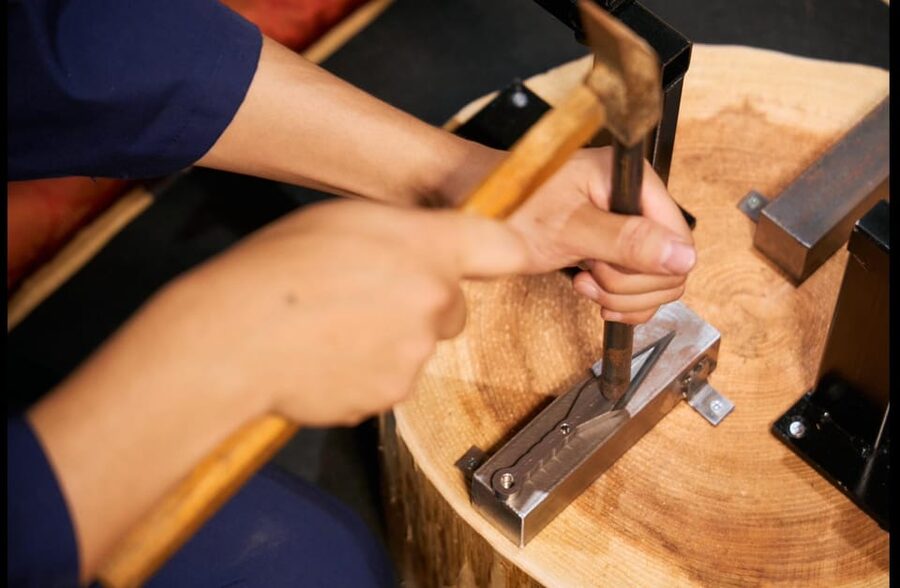
After shaping, you choose a kanji character that inspires you. The staff then engraves it with meticulous precision, turning your weapon into a personalized signature. This is one of the most meaningful parts of the whole class because it changes your item from a themed souvenir into something that feels tied to you.
You might pick a character that represents your name, a goal, or a memory. Either way, it adds a level of respect for the craft, because you are not just making a prop, you’re attaching meaning.
Tip for choosing your kanji: think about what you want it to say before class starts. This reduces decision stress and helps you get straight into the crafting flow.
The ninja knowledge session: history, symbolism, hidden techniques
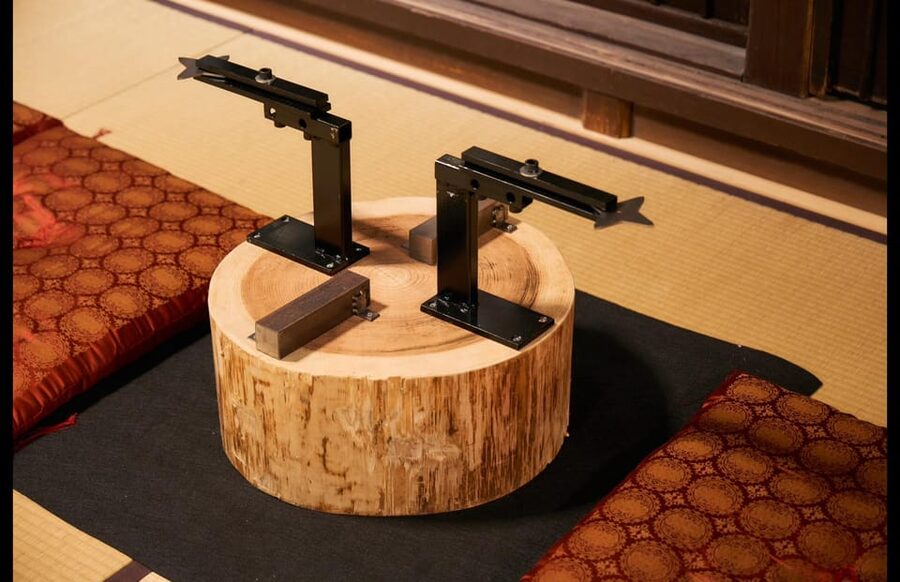
Half the point of a Kyoto activity like this is how it connects to the place. This class includes a ninja knowledge session where you learn about the history, symbolism, and hidden techniques tied to ninja weapons.
In practice, this talk helps you understand why the weapon is built the way it is, and why certain finishing steps matter. Even if the term ninja has modern pop-culture meaning, the session focuses on cultural context and the craft’s logic: function, form, and the way metalwork supports the tool’s purpose.
And yes, the staff keeps this part engaging. Several reviews call out how energetic and fun the instructors were, with Taka often mentioned by name for high-energy guiding and clear explanations, while other team members like Mits, Ako, and Yok supported different steps, including engraving.
Blackening and rust protection: the dramatic finish that lasts
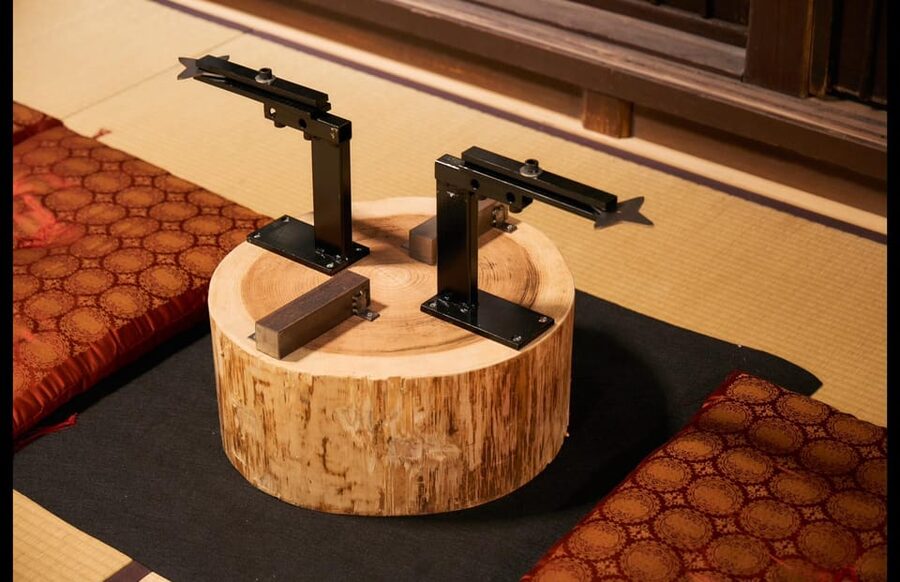
After engraving, you apply a solution to blacken the steel. This step darkens the metal and also protects it from rust. It’s not just aesthetic. That rust-protection detail is exactly what you want if you are planning to keep your weapon for years, or if you’re bringing it home as a souvenir and storing it at least for a while before finding a display spot.
Once blackening is done, you finish with a final polish. The metal ends up with a sleek, refined look, and it feels more like a finished tool than a workshop sample.
If you care about presentation, this final stage is worth paying attention to. This is where your piece goes from raw craft to something you can confidently box and show.
Take-home box, photos, and flying home with your weapon
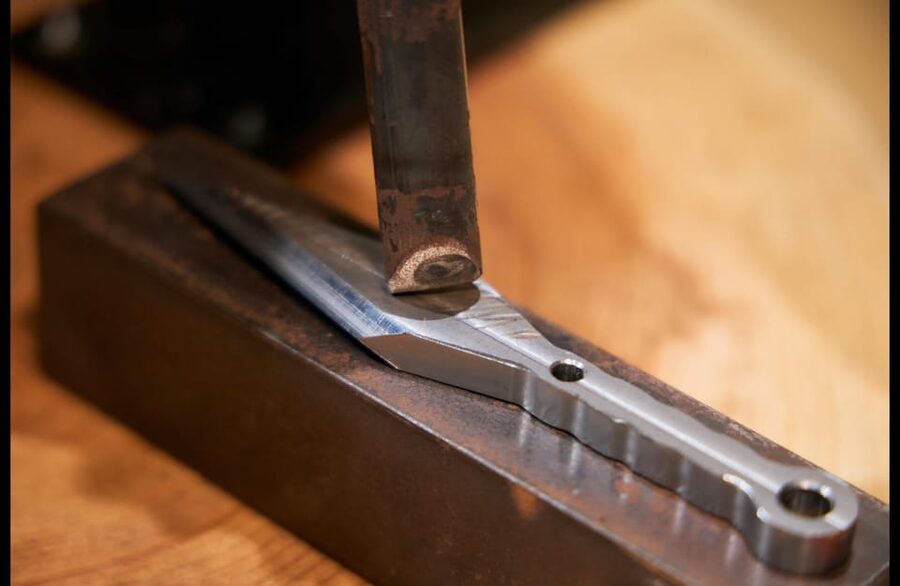
The class includes the weapon you make to take home, and the highlights promise it comes in a beautiful box so you can keep it safely. That matters because the work is not just for the day. You’re leaving Kyoto with an object made by your own hands, and boxing helps it survive travel and storage.
You also get chances to capture the experience with photos and videos. Multiple reviews mention that the staff helps with filming, and the forging moment in particular is the kind of scene you will want on your camera roll later.
Travel reality check: you can bring the weapon home on a flight, but only as checked luggage, not as carry-on. That means you’ll want to plan ahead for how you pack and declare it, especially if your airline requires documentation for items that look like weapons, even if they’re souvenirs.
Price and value: is $148 worth 150 minutes in Kyoto?
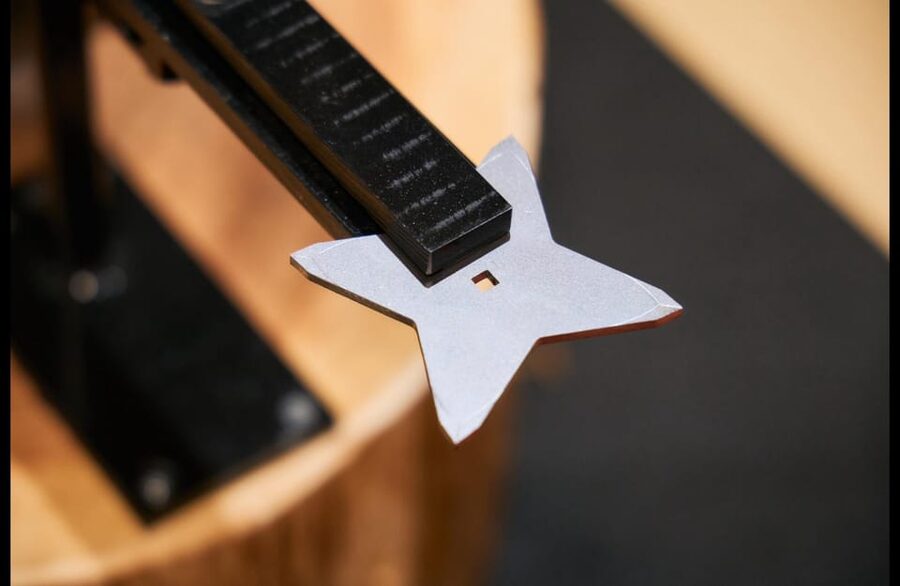
At about $148 per person for roughly 150 minutes, this workshop sits in the sweet spot between a low-cost hands-on activity and a high-end private class. The value comes from the workload: you’re not just watching you’re actually forging, refining, engraving, and finishing your own piece using provided tools and a guided process.
Here’s the practical value breakdown:
- You get traditional attire (samue and tenugui) and tools included
- You make a real-steel weapon that you take home in a presentation-ready box
- You add personalization through kanji engraving
- You get cultural context through a ninja knowledge session
- You also get the photo and video moments that make the activity easy to relive later
The main value “gotcha” is the extra fee for certain weapon types. If you choose kunai, plan for the additional ¥3,000. Also note that some weapon choices can cost extra depending on what you pick. If you want the best price match, decide on your weapon option before you go.
Who this is for, and who might want a different Kyoto plan
This workshop is ideal if you want something hands-on in Kyoto that goes beyond temples and streets. It’s a strong fit for people who enjoy making things with their hands, watching metal transform under heat, and taking home an object with personal meaning.
It can also work well for families. Reviews specifically mention kids who were excited and able to participate with staff support, including a child around age 8. If you’re traveling with teenagers, this type of craft often lands better than a passive museum stop because there’s a clear series of steps and you feel progress in real time.
On the other hand, if you want a totally passive activity, or if you strongly prefer soft, quiet crafts, this is not that. You should expect loud hammering, hot equipment, and a real workshop feel.
Should you book the Kyoto ninja weapon forging experience?
I think you should book it if you want a Kyoto souvenir that feels earned. The combination of real-steel forging, personalized kanji engraving, and a finished piece protected against rust makes it more than a themed photo stop.
Skip it or pick another option if you’re highly sensitive to loud workshop sounds, or if you are trying to keep costs super tight because certain weapon types have added fees (including kunai with a ¥3,000 add-on).
If you’re ready for a 150-minute session where you do real work and leave with a real artifact, this is one of the most memorable ways to spend time in Kyoto.
FAQ
How long is the ninja weapon forging experience?
The duration is 150 minutes.
How much does it cost?
The price is listed as $148 per person.
Do I need to speak Japanese?
No. The instructor is listed as English.
What weapons can I make?
You can choose from three shuriken styles or a kunai.
Is there an extra fee for making a kunai?
Yes. Choosing the kunai option has an additional fee of ¥3,000, which covers processing and material costs.
What is included in the price?
Included items are the instructor, the weapon-making class, uniform, tools, and the weapon you make to take home.
Are replica swords available to buy?
Yes. The studio also sells replica swords for a fee, and replica swords are not included in the class.
Where do I meet the group?
It is a one-minute walk from Hieizanguchi Station. Go up the hill where there is a red postbox in front of the station.
Can I bring the weapon on a flight?
Yes, but only in checked luggage, not as carry-on luggage.
Are there refunds if plans change?
Free cancellation is available up to 24 hours in advance for a full refund.
Fresh options around Kyoto
- Kyoto: Quiet and Graceful Tea Ceremony★ 4.5 · 19 reviews
- Oboro | Mindful Tea Ceremony in a 100-Year-Old Kyoto Teahouse★ 5.0 · 19 reviews
- Ikebana Traditional Japanese Art of Flower Arranging★ 4.5 · 19 reviews
- Kyoto Satoyama Cycling with Lunch and English Guide★ 5.0 · 19 reviews
- Tea Ceremony Experience in Traditional Kyoto Townhouse★ 5.0 · 19 reviews
- Kyoto International Party Solo Friendly Expats and Locals★ 5.0 · 19 reviews
- Kyoto: Amanohashidate Ine Funaya Tour★ 4.4 · 19 reviews
- Kyoto Private Food Tours with a Local Foodie: 100% Personalized★ 4.5 · 19 reviews
Samurai & Ninja Experiences, compared.

Samurai Ninja Museum Guided tour and Experience
Read our review →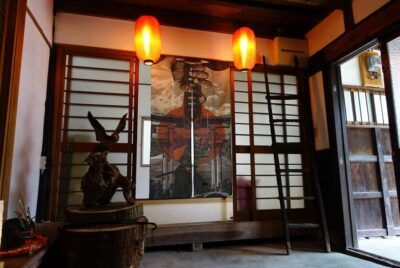
Kendo and Samurai Experience with Uniform and Gear
Read our review →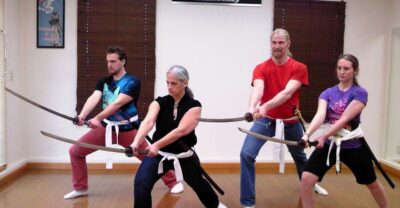
Samurai Sword Class by Experts in Traditional Arts
Read our review →
Skip the lines Basic Ticket at SAMURAI NINJA MUSEUM KYOTO
Read our review →
Samurai Sword & Archery Class from Samurai Descendant
Read our review →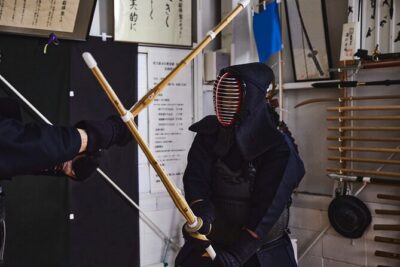
Browse the lists this tour appears in