
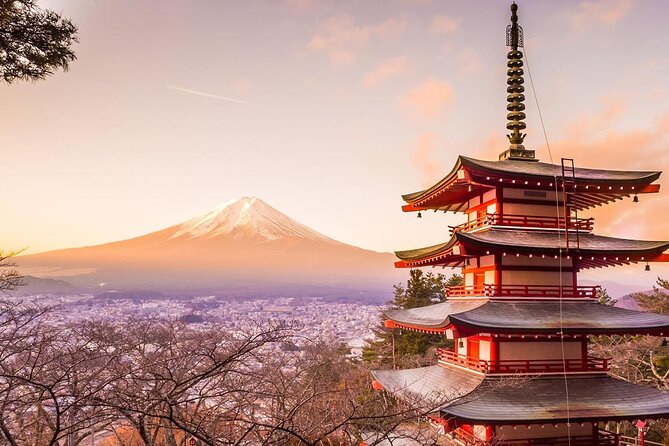
Reviewed · MT FUJI TOURS
Mt. Fuji Tours with Kawaguchi Lake Ropeway View English Speaking
Fuji day trips are a gamble.
This one stacks the odds with ropeway and cable car scenery plus classic Fuji-area stops, all in an English-speaking day plan from Tokyo.
I love the central Tokyo pickup options, and I like that the big sightseeing rides have tickets built in. I also love the itinerary logic: you get sent to several different lookouts around Lake Kawaguchi, not just one shot.
One thing to consider is visibility. If it’s cloudy or rainy, Mt. Fuji can be hidden, and on busy weekends the schedule can feel a bit tight.
Key Things You Should Know Before You Go
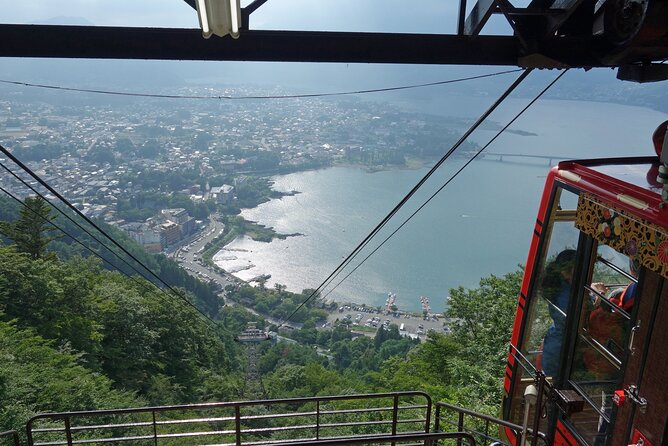
- Ropeway and cable car time are scheduled, with tickets handled for the main rides
- Oshino Hakkai is included, so you also see the famous eight spring ponds at Fuji’s foot
- Matcha at Lake Kawaguchi adds a proper local-culture moment, not just photo stops
- Oishi Park gives you a quick breather, and lavender season can be stunning
- English-speaking guides vary by day, but many are praised for clear communication and fun pacing
- Weather really matters, and visibility can change the whole experience
Why This Fuji Day Trip Works for a One-Day Plan
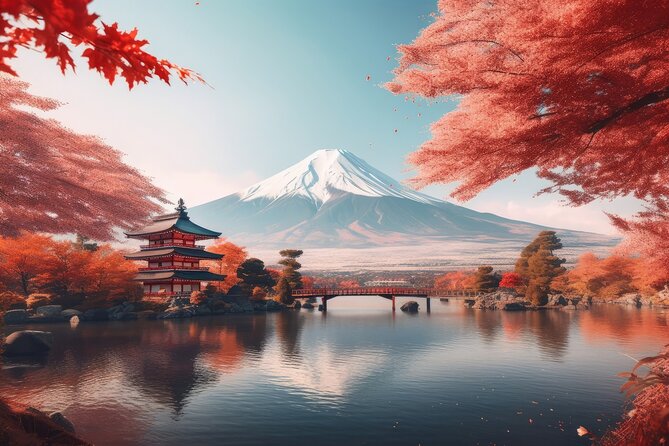
If you only have one day in Tokyo and still want the Mt. Fuji region, this kind of day trip is a practical fix. You are not spending your time on timetables, transfers, and guesswork about which viewpoints are best that day. You get a guided route that focuses on the most famous stops around Lake Kawaguchi, plus the classic spring ponds at Oshino Hakkai.
The best part is that the day is built around movement and viewpoint repetition. Instead of hoping for one perfect sighting, the itinerary brings you to multiple areas where Fuji can show itself. That matters because Fuji weather is moody, even when the forecast looks promising.
Also, the tone from the guides is usually what turns this from sightseeing into a story you remember. People often mention guides by name, especially Sawaki, Erina, Louis, Peter, and Vivienne. That hints at one of the hidden values here: the guide is part of the product, not just transportation with a badge.
Your main tradeoff is weather. If the clouds sit low, you can still enjoy the lakeside and cultural stops, but the day’s “headline moment” may be muted.
More Mt Fuji tours from Tokyo:
- Mt Fuji and Hakone 1-Day Bus Tour Return by Bullet Train
★ 5.0 · 26,383 reviews - Mt Fuji & Hakone Cruise, Drum Show Bullet Train 1 Day from Tokyo
★ 4.0 · 7,413 reviews - Tokyo Mt Fuji 5th St & Hakone Cruise Bus Tour w/Bullet Train
★ 4.4 · 5,024 reviews
Tokyo Pickup Points, Then You’re Out the Door
This tour gives you a choice of two central pickup points in Tokyo. That helps a lot if you do not want to hunt for a faraway departure area. It also makes the day feel more manageable because you start with a plan and a schedule, not a guessing game.
After booking, you get a reminder email the night before with key details like the vehicle registration number, the guide’s contact info, and your pickup time. For me, that is the difference between a smooth start and a stressful one. You can confirm you are in the right place before you step outside into a Tokyo crowd.
The day also has a small-group option, described as a door-to-door transfer for some Tokyo districts, typically in the early morning window (7:00 to 8:30). The tradeoff is that it’s less about detailed commentary and more about comfort and fewer people in the vehicle. If you hate cramped tours or you want a more direct transfer, that upgrade is worth considering.
One watch-out: meeting points can get crowded with multiple tours. If you show up early, you still might need a minute or two to locate the right guide. Having that vehicle info from the reminder email helps you line up faster.
Mt. Fuji Panoramic Ropeway at Lake Kawaguchi: The Signature View Stop
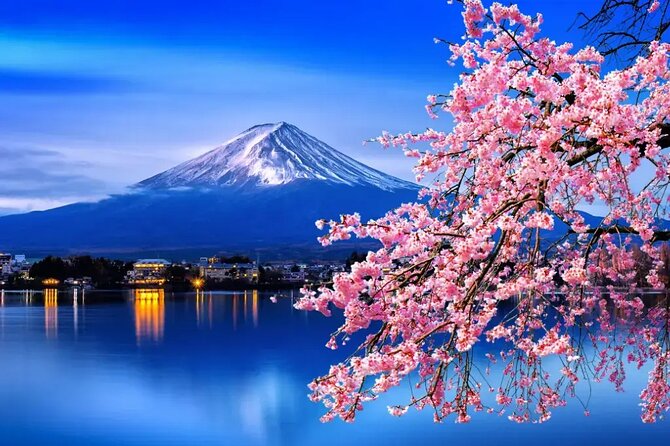
The day’s big vertical moment is the Mt. Fuji Panoramic Ropeway ride. You go up by gondola for wide views over Lake Kawaguchi and the surrounding slopes. It’s one of those activities that makes sense even if Fuji is partly obscured, because you still get a sense of scale as you rise.
A couple practical details matter here. First, the ropeway admission is included in the tour cost, so you do not need to buy separate tickets at the last minute. Second, there is a seasonal repair window noted: the Kawaguchiko gondola is planned for repair from Dec. 10 to Dec. 20. During that period, the tour switches to a boat option, and the note is direct: don’t book expecting the gondola during those dates.
Weather can also interrupt rides. If the cable car cannot operate due to strong winds, lightning, or other conditions, the itinerary may switch to a Sengoku Warrior Boat, or the ticket fee may be refunded. That means your day is not guaranteed to be identical, but it should remain guided and organized.
When you get clear conditions, this is where the trip can feel like a postcard come to life. When you don’t get clear skies, you can still enjoy the ride and the change in perspective, but the payoff shifts from Fuji-as-a-monument to Fuji-as-a-part-of-the-mountain-weather story.
The Kachikachi Mountain Cable Car Ride and Why the Timing Matters
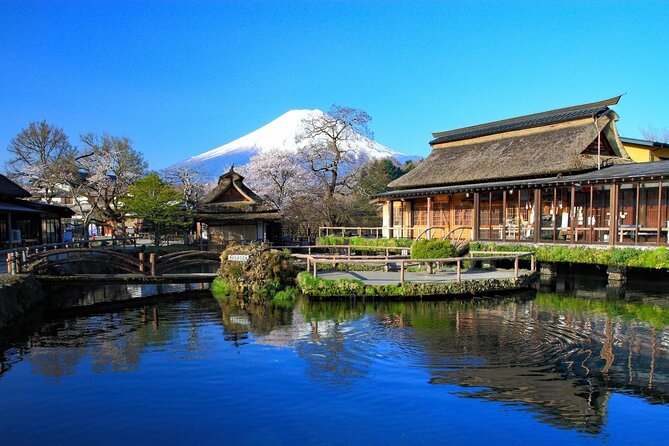
After the ropeway, the itinerary continues with the Lake Kawaguchiko Kachikachi Mountain Cable Car. This stop is about 90 minutes, and the cable car fee is included.
I like this part of the day because it adds variety. Ropeway views tend to be wide and smooth. The Kachikachi cable car feels more like a climb through the landscape, and you move through the “Fuji region look” from another angle.
The schedule also gives you some buffer for the reality of Japanese transportation. Even when delays happen, you are not stuck in a single long stretch with nothing to do. You get a structured ride, time to explore at the top and along the area, and then you move on.
There are also seasonal operating hours noted. Weekday hours run 9:00 AM to 4:00 PM with the last descent at 4:20 PM. Saturdays, Sundays, and holidays extend to 5:00 PM with the last descent at 5:20 PM. If you are traveling late in the day, this matters, because you do not want to arrive near closing and lose the whole ride.
One more weather note: the cable car can suspend due to wind or lightning. If you are someone who hates plan changes, keep your expectations flexible. The good news is that the tour is set up to adapt rather than leave you stranded.
A few more Tokyo days worth comparing
- 1-Day Tokyo Bus Tour
★ 5.0 · 14,250 reviews - Tokyo: TOKYO SKYTREE® Admission ticket
★ 4.5 · 11,192 reviews - Tokyo: teamLab Planets TOKYO Digital Art Museum Entry Ticket
★ 4.6 · 9,779 reviews - Tokyo: Sumo Show Experience with Chicken Hot Pot and a Photo
★ 4.8 · 6,678 reviews
Matcha Experience at Lake Kawaguchiko Konohana Museum: Culture in a Tiny Window
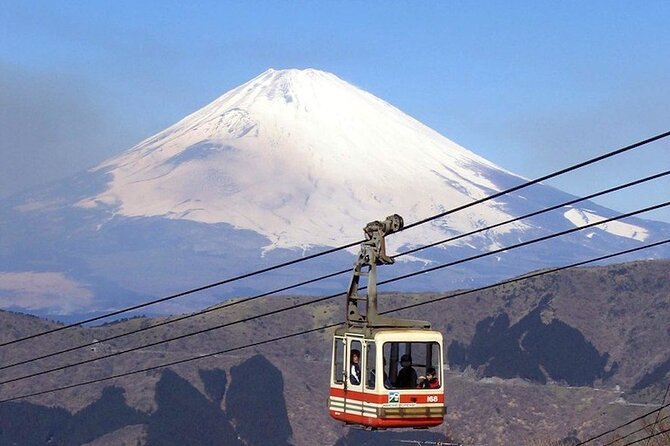
A big chunk of the day is not only scenic. You also get a matcha experience at the Lake Kawaguchiko Konohana Museum, roughly 60 minutes.
This is one of the places where the tour can surprise you in a good way. Matcha in Japan is not just tea. It is a small ritual with a social and sensory element. Even if you are not a hardcore tea person, the format usually makes you slow down and learn something simple you can repeat later.
There’s a practical consideration though. The tour notes that the overall duration of the matcha experience may be shortened if traffic jams happen or due to force majeure situations. Translation: on a bad traffic day, this becomes more “sample and learn” than “sit and savor.”
You also might see the matcha experience location connected to retail. That can mean higher prices than you’d find back in Tokyo. The upside is that you’re not spending extra time searching for a tea stop yourself. The downside is you should go in knowing this area is tourist-heavy.
If you want the cultural value without overpaying, treat any purchases as optional. Focus on the tea moment, the process, and the small experience, not the souvenir shelf.
Oishi Park for Lavender Views, Then Move On
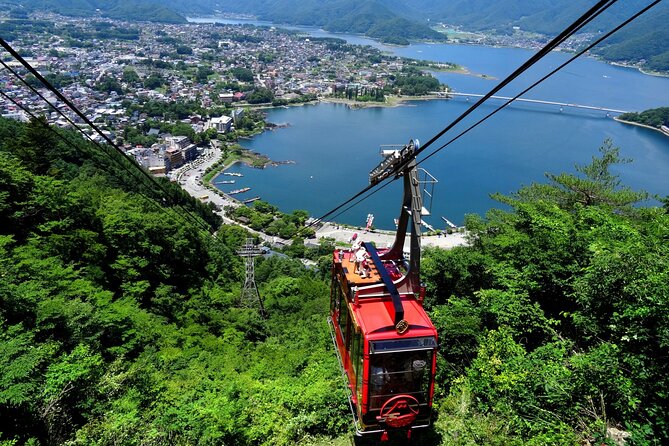
Oishi Park is next, with about 30 minutes on the itinerary. It is a short stop on purpose. The goal is to give you a taste of the area without stretching your day too long.
Why it works: this is the kind of place where even a quick walk can refresh your eyes. When lavender blooms in summer, the park is described as turning purple across the landscape, with views that complement Lake Kawaguchi.
If your visit is not in lavender season, you still get the basic reward: lake views and open space. On clear days, that open view helps you keep a “Fuji memory” forming even when the mountain is not fully exposed from the lower viewpoints.
The short timing is a double-edged sword. On one hand, you are not stuck in a slow line for hours. On the other hand, if you love gardens and you want a longer wander, you might feel nudged along.
This stop is best for you if you like quick, photogenic breaks, and you are comfortable with a guided day that has multiple fixed points.
Oshino Hakkai: The Eight Spring Ponds at Fuji’s Foot
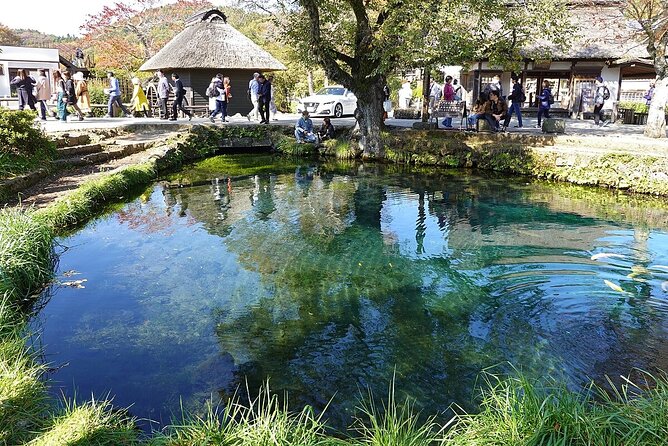
Oshino Hakkai is the cultural and natural finale for many people, and it takes about 60 minutes. This is where the itinerary turns from “views” into “why Fuji’s region matters.”
Oshino Hakkai is known for eight clear springs formed by melted snow from Mount Fuji. Seeing the ponds close up gives you a different kind of appreciation than looking at Fuji from a distance. It is calmer. It is more human-scale. And it feels like a place where the mountain’s presence is not only visual, it is part of the water system.
The time you get is usually enough for a relaxed walk, photos, and a quick look at the small surrounding area. But, like many famous Japanese sites, it is also popular. If it’s busy, plan for a slower pace around the busiest viewpoints.
This is also one of the stops where guided context helps. Even a small amount of explanation makes the spring ponds feel less like scenery and more like a real environmental story.
If you want one “local flavor” moment, this is it. It’s also a solid option on days when Mt. Fuji itself is hidden, because Oshino Hakkai still gives you something meaningful.
Guides Make or Break the Mood, From Sawaki to Erina
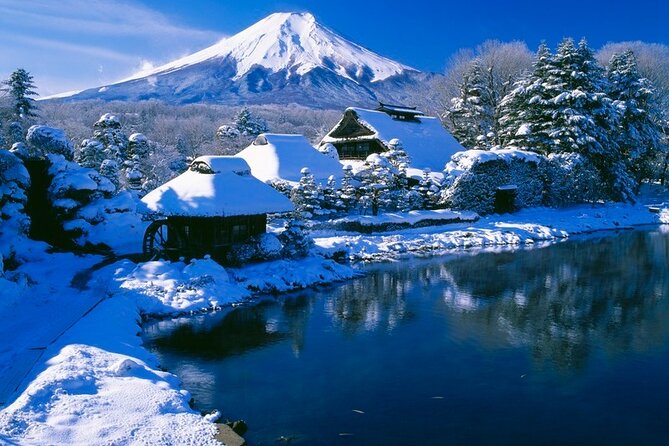
Here is where the reviews show a clear pattern: the guide experience can be excellent. Names that came up often include Sawaki, Erina, Louis, Peter, and Vivienne. People praise their English, their humor, and how clearly they explain what to expect at each stop.
Sawaki, in particular, is repeatedly described as kind, funny, and great at communicating in English. Some guests mention he handled getting people back to the vehicle with step-by-step directions via phone video, which sounds small but is hugely useful when you are in crowded areas.
Erina gets credit for being fluent and organized, with fun, clear communication. Louis and Peter are also praised for being helpful and making the day feel enjoyable rather than robotic.
If you are the type who benefits from a plan and a story, you are likely to love this part. If you hate a bus lecture, you may still appreciate that the guide typically balances explanation with time to walk.
One realistic note: in a couple cases, people complained about loud or annoying bus audio. If that kind of thing bugs you, bring simple earplugs or noise-canceling headphones. It’s an easy fix for a rare problem.
Overall, the guide is a reason this tour is worth more than the sum of its tickets.
Weather, Crowds, and the Real 50-50 Fuji Problem
This is the part I want you to treat like the headline. Mt. Fuji visibility is weather-dependent. Cloudy and rainy days can reduce visibility so much that you might not see the mountain at all.
That uncertainty is why this tour should be booked as a flexible day trip. You can absolutely have a great time even when Fuji is hidden, especially because you still ride scenic transport, drink matcha, and walk Oshino Hakkai. But your goal needs to be realistic.
Crowds are another factor. The tour notes traffic jams on weekends and Japanese public holidays, often called red days. Those days can also bring long queues at scenic areas like ropeway and cable car facilities.
When lines and traffic pile up, the itinerary can feel more rushed because the total bus time is capped under Japanese tour bus rules (noted as 10 hours max usage per bus). Translation: on peak days, you may not linger as long as you would on a quiet weekday.
Practical advice:
- Check the weather and visibility outlook early, ideally a week before you go.
- If you can choose, book a weekday.
- Pack patience for buses, and plan your day around walking in crowds.
Also, remember that the best views often come with early timing. One guest noted that for the strongest view, you might need to be at Mt. Fuji earlier than the tour schedule. I take that as a sign that this is a shared, structured day, not an ultra-early private mission.
What the Tour Price Really Buys (and What to Budget)
The price listed is $81.41 per person for about 10 hours, and the big value is not just “transport.” Your cost covers the vehicle service fees, fuel, tolls, and the driver service fee. It also includes admission for the ropeway and the Kachikachi cable car.
Food is not included, so you need to budget for meals and snacks yourself. Expect to pay for convenience food or sit-down meals along the route. If you are picky or you want healthy options, eat lightly before you go and keep a few snack ideas ready.
A couple places can feel like tourist-shopping zones. Some stops include time near shops where prices can run higher than normal. That doesn’t mean you must buy anything. Think of the shops as optional, and use your time for the walk and the views.
If you compare this to DIY, you are paying for reduced planning stress and a route that hits the major Fuji area highlights efficiently. If you enjoy researching logistics and stitching your own day trip together, DIY can be cheaper. If you want less mental work and more guided pacing, this price can be a fair trade.
When This Tour Is a Great Fit (and When It’s Not)
This tour is a great fit if:
- You want one English-speaking day trip with multiple Fuji-area stops
- You prefer guidance and a set route over independent planning
- You are okay with limited time at each stop and want to see several highlights
- You want ropeway and cable car time without worrying about ticket timing
It may not be ideal if:
- Your top priority is seeing Mt. Fuji perfectly, because weather can block it
- You dislike crowded meeting points or tight scheduling on peak days
- You hate shopping stops or feel annoyed by tourist retail areas
- You need maximum comfort in the vehicle, since there were occasional complaints about van comfort
If you go with the right expectations, it’s one of the more efficient ways to experience the Fuji region from Tokyo without turning your day into a logistics project.
Should You Book This Mt. Fuji Ropeway View Tour?
I think you should book if you want a structured, guided day that gives you multiple opportunities to see Mt. Fuji and Lake Kawaguchi, and you do not want to spend your day planning. The included ropeway and cable car rides, the matcha moment, and the Oshino Hakkai ponds are a solid set of highlights for a single day.
Pick this tour especially if you can avoid weekends and red days, and if you are comfortable with the reality that visibility is out of anyone’s control. Pack layers, plan for crowds, and focus on the fact that the day still has meaning even when Fuji is shy.
If you want the best chance of strong visibility, check conditions before you commit. If Fuji looks doubtful, you might still enjoy the region, but decide based on your personal tolerance for cloudy views.
FAQ
How long is the tour?
The tour runs about 10 hours in total, and travel time is included in that overall duration.
What stops are included on the day trip?
You visit Mt. Fuji Panoramic Ropeway (Lake Kawaguchi), Lake Kawaguchiko (with the Kachikachi Mountain Cable Car), Lake Kawaguchiko Konohana Museum for a matcha experience, Oishi Park, and Oshino Hakkai.
Are the ropeway and cable car tickets included?
Yes. The Mt. Fuji Panoramic Ropeway admission ticket is included, and the Kachikachi Mountain Cable Car fee is also included.
Is food and drinks included?
No. Food and drinks are not included, so you will need to budget for meals and snacks.
Where are the pickup points in Tokyo?
The tour offers two central pickup points in Tokyo, and you receive pickup details by email the night before.
Is there a small-group or hotel pickup option?
Yes. There is a small group package described as a door-to-door transfer from hotels in some Tokyo districts, with fewer people and a more comfortable vehicle.
How large can the group be?
The tour has a maximum of 45 travelers.
Can I bring luggage?
It is not recommended to carry luggage because it is a one-day itinerary. If you do bring luggage, you can register it clearly when booking, and one luggage per person is allowed.
What if the gondola is closed or weather stops the ride?
The Kawaguchiko Gondola is noted as being repaired from Dec. 10 to Dec. 20, and you will take the Sengoku Boat instead. If the cable car cannot operate due to weather, the itinerary will change to a Sengoku Warrior Boat or the ticket fee may be refunded.
What if the weather is poor and Mt. Fuji cannot be seen?
The tour notes that good weather is required, and if it is canceled due to poor weather, you will be offered a different date or a full refund.
Fresh options around Tokyo
- Tokyo: Nagano Snow Monkeys and Zenkoji Tour with Temples★ 4.9 · 19 reviews
- Yokohama Port: Private Customizable Tour with Transfer★ 5.0 · 19 reviews
- Explore Unique Tokyo Streets / Learn with a Pro Photographer★ 5.0 · 19 reviews
- Sushi Making with Interactive Samurai Experience at JIN-ASAKUSA★ 5.0 · 19 reviews
- DAIKOKU excursion by car DRIFT automobile encounter★ 4.5 · 19 reviews
- Official Street Go Kart Tour Akihabara 2nd★ 5.0 · 19 reviews
- Cosplay Experience with Professional Makeup and Photo Shoot!★ 5.0 · 19 reviews
- Tokyo: Name Seal & Pouch or Tote Bag Making Experience★ 4.5 · 19 reviews
Mt Fuji Tours, compared.
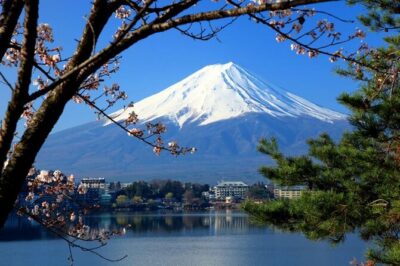
Mt Fuji and Hakone 1-Day Bus Tour Return by Bullet Train
Read our review →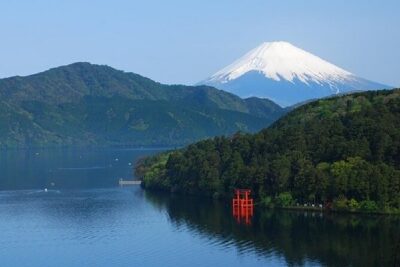
Mt Fuji & Hakone Cruise, Drum Show Bullet Train 1 Day from Tokyo
Read our review →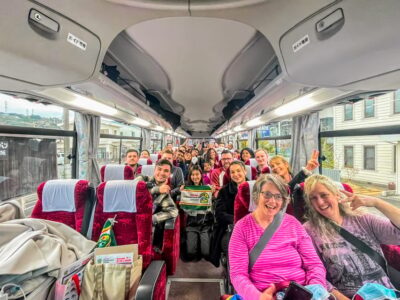
Tokyo Mt Fuji 5th St & Hakone Cruise Bus Tour w/Bullet Train
Read our review →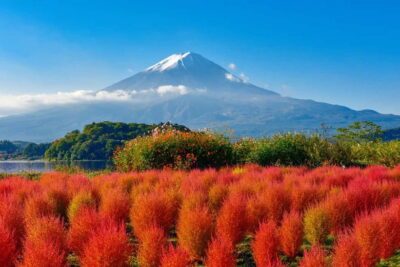
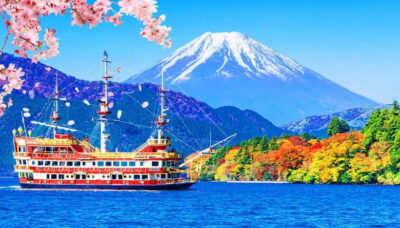
Mt. Fuji Tour, Hakone Ropeway, Owakudani, Lake Ashi
Read our review →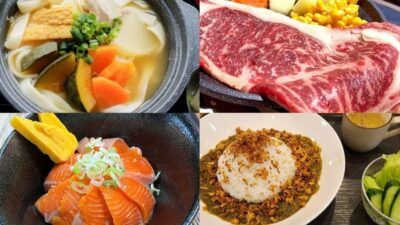
Mt.Fuji,Kawaguchiko Oishi Park,Arakurayama Sengen Park
Read our review →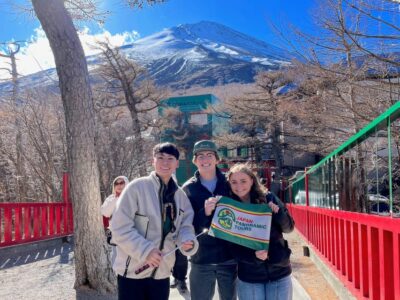
Mt. Fuji 5th Station & Hakone Cruise 1-Day Bus Tour
Read our review →
Mt Fuji Top 5 Spots Day Tour: Arakurayama Park,Oshino Hakkai
Read our review →Browse the lists this tour appears in