Reviewed · SHOW
Traditional Japanese Comedy, Juggling & Magic Live Show in Tokyo
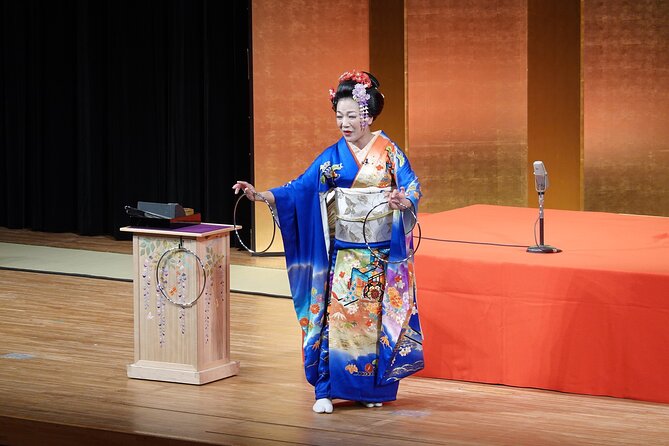
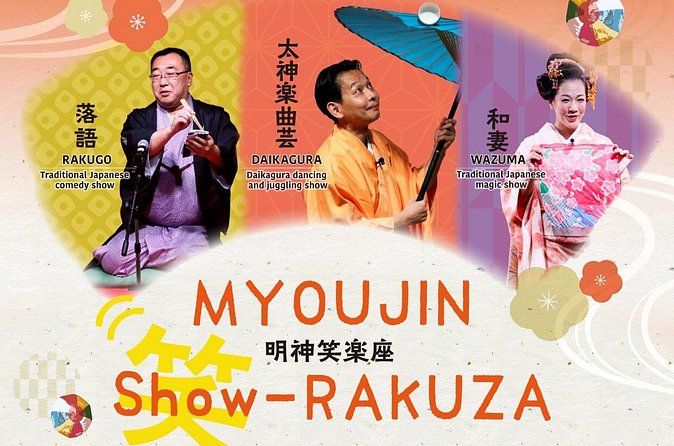
Three traditions, one short theater stop. This show bundles Rakugo, Daikagura, and Wazuma magic in an indoor room by Kanda Myoujin Shrine, a few minutes from Akihabara. I like that you can enjoy three classic styles without needing Japanese, and the pacing stays easy to follow.
Two things I especially like: the interactive format that lets you try parts of the performance, and the take-home props tied to what you just saw. One possible consideration is that seats can be limited, and the show can fill up fast, so booking ahead is smart.
Key highlights to watch for
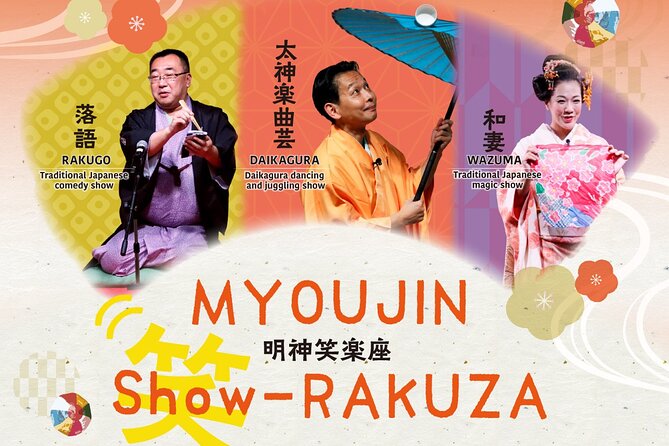
- Three genres in 90 minutes: Rakugo comedy, Daikagura acts, and Wazuma magic in one tight program
- Audience participation that feels natural: you may be invited to try simple bits onstage
- English-friendly support: interpretation makes the humor and instructions easier to catch
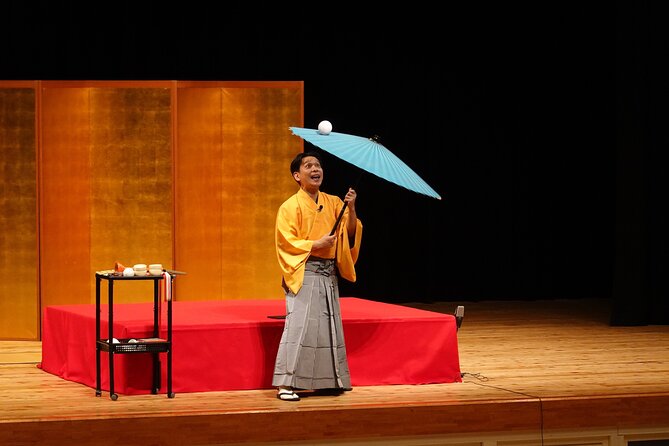
- Umbrella action in the Daikagura segment: it is a crowd-pleaser during the acrobatics portion
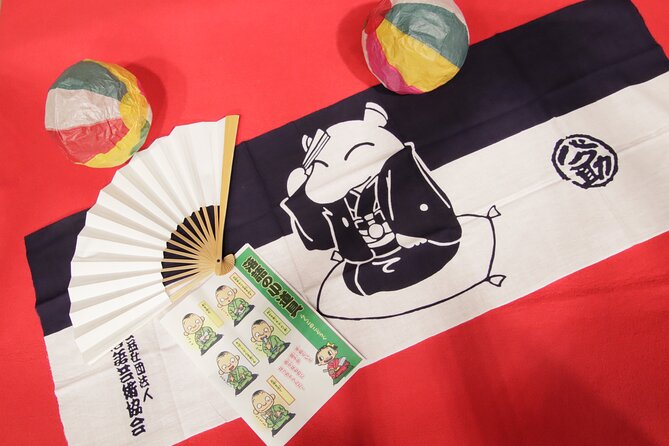
- A mini gift connected to the show: examples include tenugui towels, folding fans, and paper balloons
- Small theater setup: the experience caps at 100 travelers, so it feels closer than big venues
Three Arts, One Short Trip From Akihabara
If you want one evening plan that feels very Japanese but doesn’t require a crash course in language, this show works. You get a combo bill of Rakugo storytelling, Daikagura stage feats, and Wazuma magic, all performed in an intimate indoor theater at EDOCCO STUDIO.
The best part is how practical the format feels for first-time visitors. Rakugo is comedy with timing and wordplay, yet the show includes interpretation support so you are not stuck decoding everything on your own. The juggling and acrobatics style also uses motion and rhythm, so you can follow the action even if you are not familiar with the traditions.
There is also a real hands-on angle. You are not just watching from afar. In multiple segments, you may be coached to try something basic yourself, which turns the performance into something you can remember past the applause.
A few more Tokyo days worth comparing
- Mt Fuji and Hakone 1-Day Bus Tour Return by Bullet Train
★ 5.0 · 26,383 reviews - 1-Day Tokyo Bus Tour
★ 5.0 · 14,250 reviews - Tokyo: TOKYO SKYTREE® Admission ticket
★ 4.5 · 11,192 reviews
Entering Kanda Myoujin Shrine and EDOCCO STUDIO
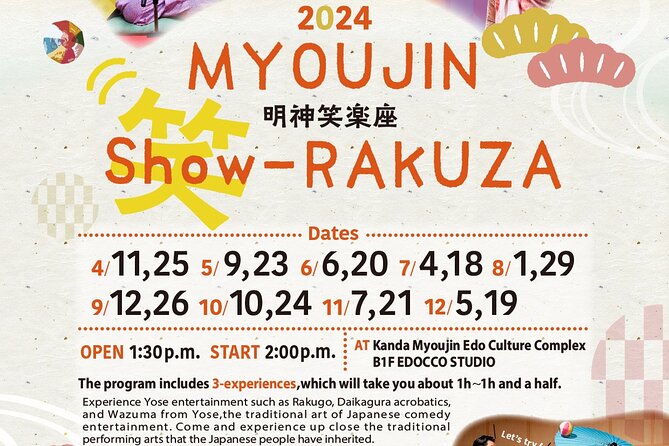
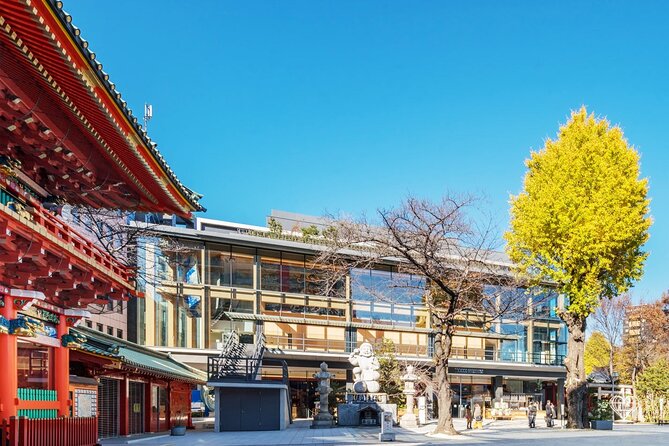
Your base is EDOCCO STUDIO, located within the historic Kanda Myoujin Shrine area in central Tokyo. The meeting point is listed at EDOCCO 2-chōme-16-2 Sotokanda, Chiyoda City, Tokyo 101-0021, Japan, and the activity returns you back to the meeting point after the show.
Timing matters here. For the Thursday performance, doors open around 13:30, with the show starting around 14:00, and the total time is about 1 hour 30 minutes. Arriving near door time helps because you get a calmer start, find your seat, and settle in before the first act begins.
This is also a comfort choice. Even though the location is tied to a shrine area, the performance itself is indoors. That makes it a smart option when Tokyo weather is doing its unpredictable thing. The provider also notes that they require good weather, so if conditions are rough, they may switch dates or refund, but you are still choosing an indoor show over an outdoor performance plan.
Rakugo Comedy: Storytelling, Punchlines, and Simple Participation
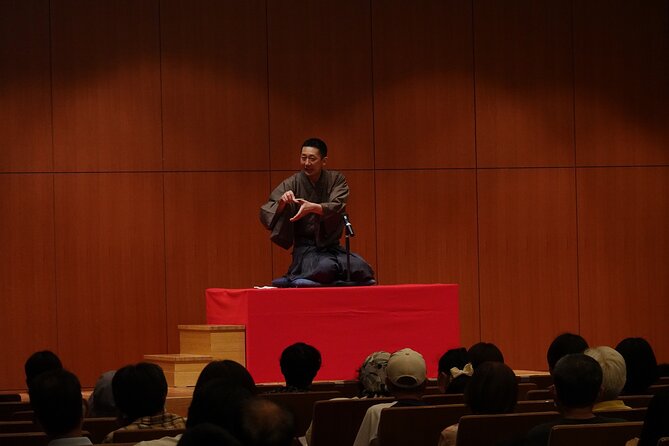
Rakugo is the comedy heartbeat of the program. In classic form, it is a storyteller delivering a humorous tale with expressive acting, often using a small set of cues and dramatic timing. Here, you get the charm of that tradition with interpretation support so the comedy lands even if you do not speak Japanese.
What I like about a Rakugo segment in this format is the built-in structure. You can tell what is happening because the performer’s pacing does the explaining. The physical acting and clear beats make it accessible, even if you are not familiar with Japanese humor.
There is also a learn-by-doing element. In the show format, you may get taught basic Rakugo expressions, and in some cases you can even be invited to try something on the Rakugo stage. That is a fun twist for people traveling solo or couples, because you end up with a more personal memory than simply watching from your seat.
Even if you only catch the gist, you will usually feel the rhythm. Rakugo is as much about delivery as it is about meaning, and this show is designed to help you get the delivery.
Daikagura Acrobatics and the Umbrella Spinning Moment
Daikagura is where the energy spikes. This segment blends traditional performing arts style with agile stage feats, and it is the section that uses physical spectacle to communicate quickly. You do not need vocabulary to appreciate motion, balance, and surprise timing.
One highlight you can look for is the umbrella spinning action. It shows up as a standout memory because it is visual, it looks tricky, and it creates that moment where everyone in the room leans forward together. If you like street-magic style theatrics or cirque-like spectacle, this part is the bridge between comedy and pure wow.
Just as important, the show does not throw you into chaos. The participation tends to be structured and coach-led. You might be asked to try Daikagura-style moves in a simplified way, which is a great way to understand the effort behind what you just watched.
Potential drawback to keep in mind: this section can be the most physically busy visually. If you prefer slow, calm performances, you may find the pacing a bit intense. For most people, though, it is the best “Tokyo night” energy.
Same corner of Japan, a different kind of day:
- Tokyo: teamLab Planets TOKYO Digital Art Museum Entry Ticket
★ 4.6 · 9,779 reviews - Mt Fuji & Hakone Cruise, Drum Show Bullet Train 1 Day from Tokyo
★ 4.0 · 7,413 reviews - Tokyo: Sumo Show Experience with Chicken Hot Pot and a Photo
★ 4.8 · 6,678 reviews - Tokyo: Shinjuku Food Tour (13 Dishes at 4 Local Eateries)
★ 5.0 · 6,603 reviews
Wazuma Magic: The Trick Lesson You Can Actually Use
Magic shows are common in tourist areas, but this one has a more cultural feel because it is part of a broader traditional comedy variety program. Wazuma magic here is not just illusion for illusion’s sake. You get a chance to learn basic tricks and practice them, not just watch them disappear.
I especially like that the magic segment includes coaching for simple tricks. That means you are not walking away with nothing but memories. You can often walk out with souvenirs tied to the magic moments, plus a mini lesson that makes it easier to show friends later.
It also helps that the show is designed for mixed audiences. There is interpretation support, and the performers tend to keep instructions clear through demonstration. If you are the type of traveler who loves to understand how a trick works, this format gives you that satisfying feeling of, Okay, I can do something with what I just saw.
There is also a sweet spot in the interaction style. The show is interactive, but it generally avoids the feeling of being forced into things. If you want to participate, you get chances. If you prefer watching, you still get a strong view of what the performer is doing.
The Take-Home Gift: Tenugui, Fans, and Paper Balloons
This show includes a mini gift as part of the admission. The gift is connected to props used in the performance, with examples like tenugui hand towels, folding fans, and paper balloons.
This matters more than you might think. A lot of paid performances end with a souvenir photo and a vague memory. Here, the gift feels like it belongs to the show, so it becomes part of your own “I was there” kit.
Tenugui towels are small, practical, and easy to pack. Folding fans are great for summer in Japan, and paper balloons are fun for decoration or as a conversation piece. Even if you already have plenty of souvenirs, getting one that is tied to the actual stage acts adds value.
If you are traveling with kids, this kind of take-home prop can keep excitement high even after the show ends. And if you are traveling solo, it gives you something concrete to remind you of the performance story later.
The Venue Feel, the Crowd Size, and the Staff Tone
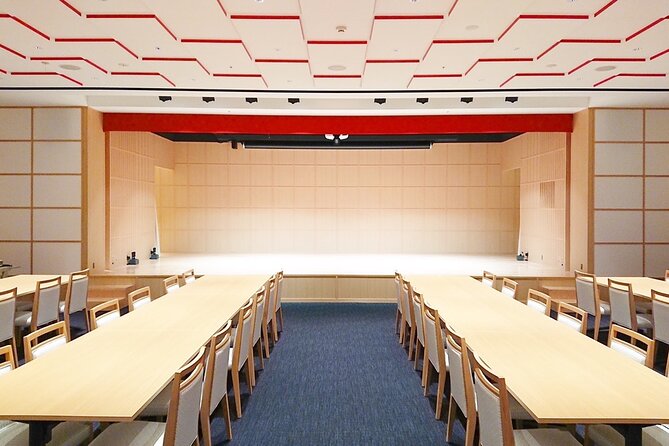
EDOCCO STUDIO is set up to feel approachable. The experience is capped at a maximum of 100 travelers, which is a size that usually helps the show feel personal instead of like a stadium event. That matters for audience participation, and it also makes interpretation easier because the stage presence stays visible.
The staff and performers are welcoming and friendly. You should expect clear communication and a comfortable pace, especially during the parts where you might be invited into the show space. Multiple people note that the interpretation makes it easy to understand what is happening, which is exactly what you want in a comedy-and-magic format.
It is also a family-friendly kind of night. If you are traveling with children, it is one of the safer bets for a fun cultural evening that does not feel stiff or overly formal.
Small practical note: since the show is linked to the shrine area, you will likely walk through a scenic neighborhood before you reach the studio. Wear shoes that work well on city sidewalks, and keep your timing flexible if you are also squeezing in Akihabara shopping beforehand.
Price and Value for 90 Minutes of Traditional Performance
At $36.24 per person, this show is priced like a midrange entertainment experience for Tokyo. The value comes from what you actually get: three performance styles, an indoor setup, interpretation support, and an included mini gift.
For many visitors, the biggest value lever is the mix. You are not paying once for one act. You are getting comedy storytelling, physical stage feats, and magic instruction in a single block of time. That saves you from the common Tokyo problem of choosing between “interesting but confusing” or “easy but not that special.”
Also, the show is not passive. Audience interaction and small lessons make the 90 minutes feel active. That matters if you are trying to turn your trip into memories you can share, not just things you saw.
If you compare this to paying for multiple separate events to cover different traditions, the bundled format can feel like a bargain. You get a sampler that still feels like the real thing, not a watered-down theme park version.
If you are price-sensitive, prioritize the show timing you want, then book quickly since seating can fill. That keeps your cost aligned with your ideal schedule.
Who Should Book This Show, and Who Might Skip It
You should book if you want a compact cultural evening that is easy to follow. It is a good match for first-time Japan visitors, families, and people who like stage comedy and interactive entertainment. It is also ideal if you want something indoors near central areas, without committing to a long tour or complicated logistics.
You might skip it if you dislike participation formats entirely. While the show includes options to watch, the program is built around audience engagement, including moments where you may be invited to try things. If that sounds stressful rather than fun, pick a different type of performance.
You might also reconsider if you only want one strict genre. This is a three-part variety show, so if your heart is set only on Rakugo or only on magic, you will get some mix, not a full standalone version.
Should You Book the Traditional Comedy and Magic Show?
If your goal is a memorable first Tokyo night that feels traditional but stays accessible, I would book this. The combination of Rakugo humor, Daikagura physical spectacle, and Wazuma magic instruction is exactly the kind of cultural contrast that makes a short visit richer.
The take-home props and the chance to learn simple tricks turn it into more than just entertainment. Even if you only catch pieces, the structure and interpretation support help you follow the whole arc.
Just do one thing before you go: lock in your seat early, since the show can fill. Once you have that, you can show up, take your place in a small shrine-adjacent theater, and enjoy a surprisingly hands-on introduction to Japanese performing arts.
FAQ
How long is the Traditional Japanese Comedy, Juggling & Magic Live Show?
The show lasts about 1 hour 30 minutes (approx.).
Where does the show take place?
It takes place at EDOCCO STUDIO, located within the historic Kanda Myoujin Shrine area in central Tokyo. The meeting point address is EDOCCO 2-chōme-16-2 Sotokanda, Chiyoda City, Tokyo 101-0021, Japan.
When does the show start on the scheduled day?
For the Thursday schedule, doors open at about 13:30 and the show starts at about 14:00.
What performances are included?
The program includes Rakugo comedy, Daikagura acts, and Wazuma magic.
Do I need to speak Japanese to enjoy the show?
No. The experience is designed so you do not need Japanese language skills.
Is there a mobile ticket?
Yes, this activity includes a mobile ticket.
What is included with the admission price besides entry?
You receive a special mini gift tied to the show, such as traditional props like tenugui hand towels, folding fans, and paper balloons.
How big is the group?
The show has a maximum of 100 travelers.
What is the cancellation policy?
You can cancel for free up to 24 hours in advance for a full refund.
What happens if it is canceled due to poor weather?
If it is canceled due to poor weather, you will be offered a different date or a full refund.
Fresh options around Tokyo
- Tokyo: Nikko Kegon Falls Lake Chuzenji Toshogu Temple & More★ 4.9 · 12 reviews
- Tokyo: Samurai History Walking Tour★ 5.0 · 12 reviews
- Harajuku: Kawaii Fashion and Pop-Culture Tour★ 4.7 · 12 reviews
- Tokyo: Mt. Fuji & Lake Kawaguchi Instagram Full Day Trip★ 4.1 · 12 reviews
- Shibuya Tokyo: Modern Kintsugi Workshop in Shibuya★ 5.0 · 12 reviews
- Tokyo: GTR Guided Daikoku Experience at Night★ 5.0 · 12 reviews
- Tokyo: Daikoku JDM Car Culture Tour★ 4.6 · 12 reviews
- Mt Fuji Private Day Trip from Tokyo with English speaking driver★ 5.0 · 13 reviews
Show, compared.
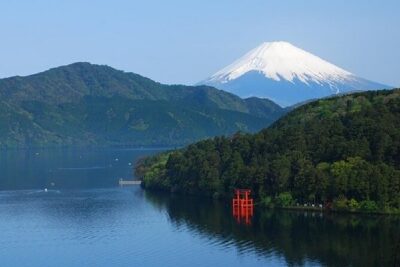
Mt Fuji & Hakone Cruise, Drum Show Bullet Train 1 Day from Tokyo
Read our review →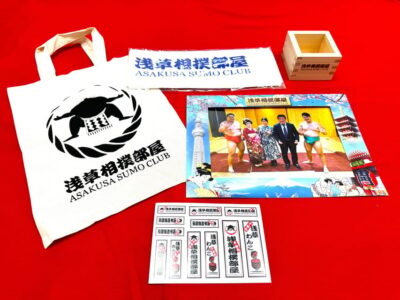
Sumo Show Experience with Chicken Hot Pot and a Photo
Read our review →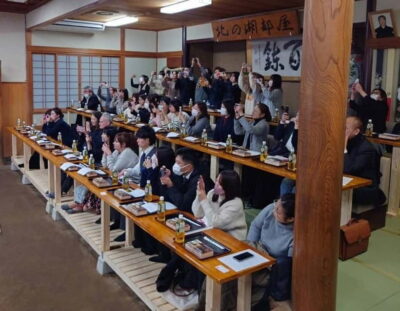
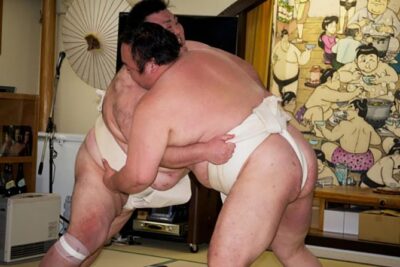
Tokyo Shinjuku Sumo Show & Experience with Photo
Read our review →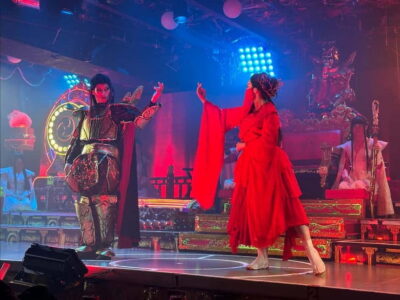
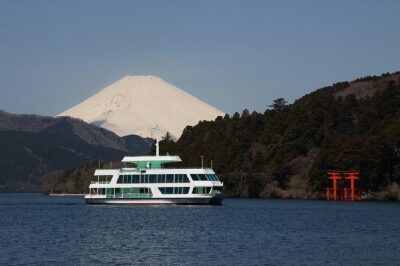
Mt Fuji & Hakone Cruise, Drum Show Bus 1 Day from Tokyo
Read our review →