Reviewed · SHOW
Tokyo: KABUKI Show at Kabukiza Theatre Admission Ticket
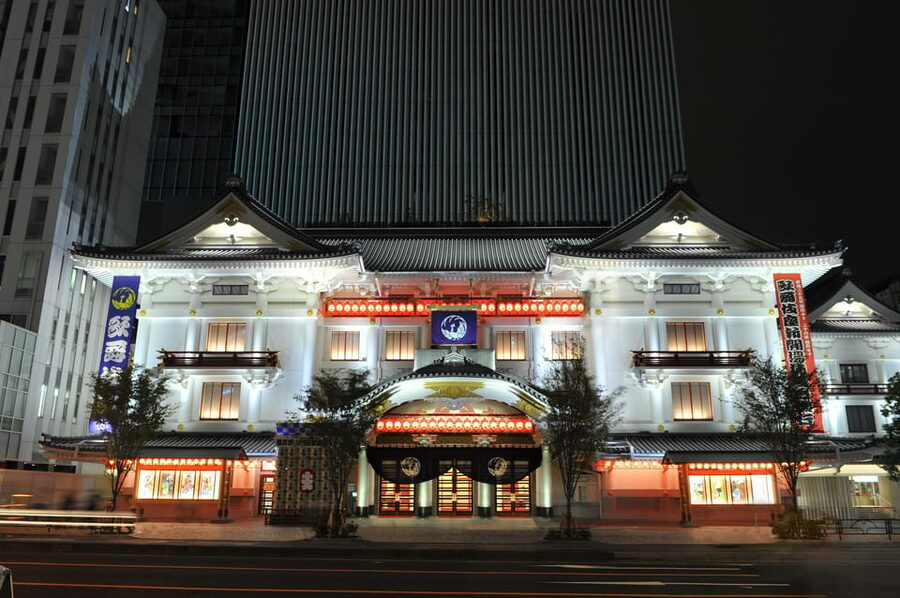
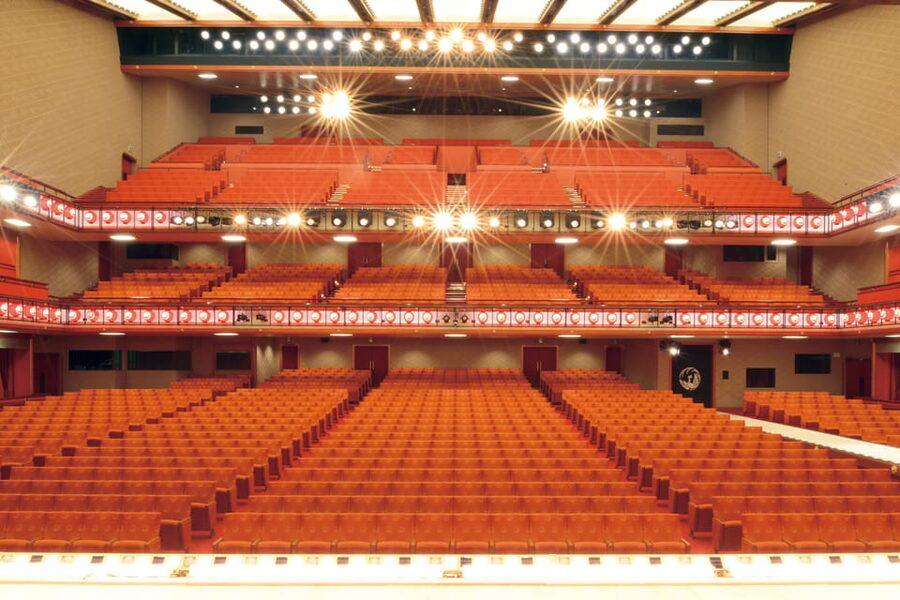
Kabuki feels old and new at the same time, and Kabukiza puts you right in the middle of it. I like that the show is staged in a theatre devoted entirely to Kabuki, with live music and the kind of careful stage design that makes you sit up and pay attention. I also like that you can follow along with an English or 简体中文 caption service, so you are not stuck guessing what is happening. The main drawback to plan for is that the experience is fairly long, and seats can feel tight, so build in comfort for a 4 hour chunk.
Kabukiza is in Ginza, so it is an easy add-on to a Tokyo day, not a remote side quest. Doors open 30 minutes before the performance, and there is a break during the show, plus snacks and alcohol available inside. One more practical note, the program changes monthly, so check the official Kabuki Web schedule before you commit to your exact dates.
Key things I’d zero in on before you go
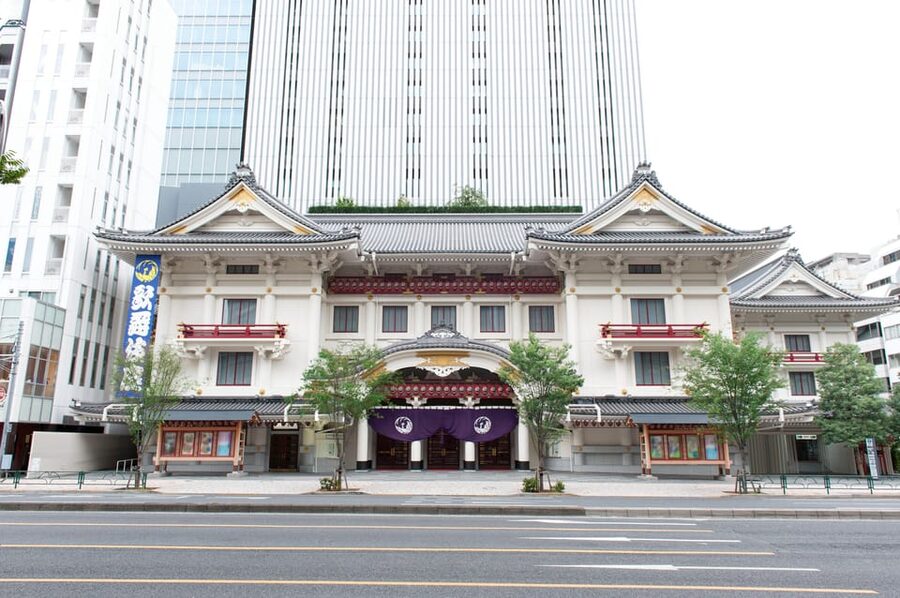
- Kabukiza Theatre dedication: a rare chance to see Kabuki in the one theatre in the world built for it.
- Captions for understanding: English or simplified Chinese caption service included with your ticket.
- Live music and historic stagecraft: the performance is powered by live music and period-style staging.
- Monthly variety: each month brings a new program, with multiple stories and acts.
- Pre-show options nearby: a permanent interactive exhibition and a basement shopping area with Kabuki souvenirs.
Why Kabukiza Theatre is the smart pick for Kabuki in Tokyo
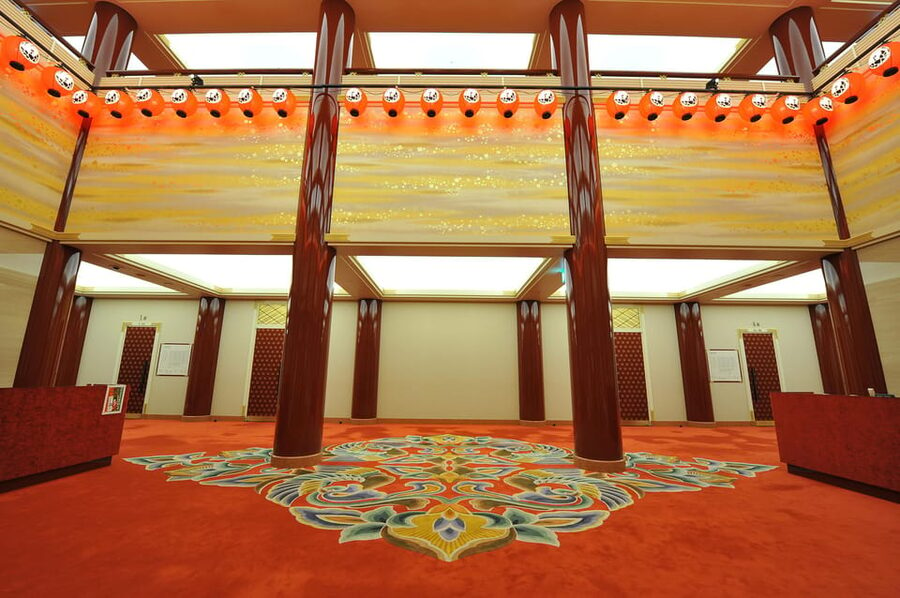
If you want Kabuki that feels authentic, Kabukiza is where I would steer you. This theatre is dedicated exclusively to Kabuki, and that matters. You are not seeing a random stage production dressed up as tradition. You are walking into a room that is built around the rhythms of Kabuki, from the way scenes unfold to the way the theatre itself supports the performance style.
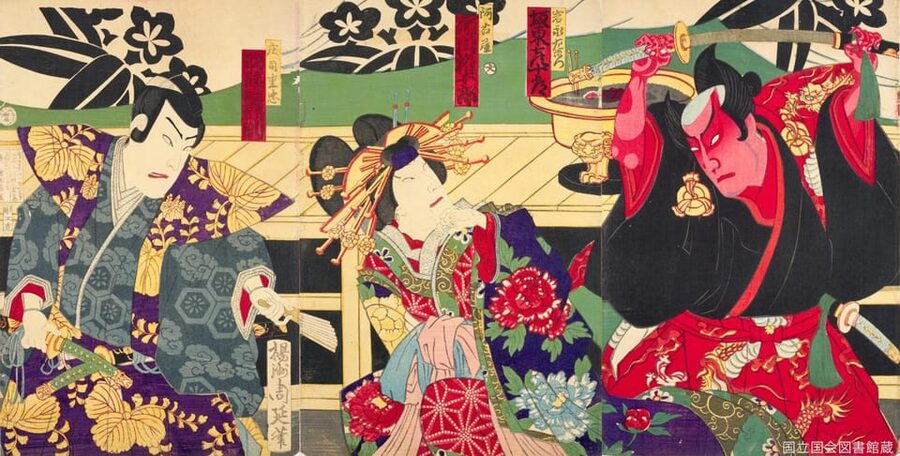
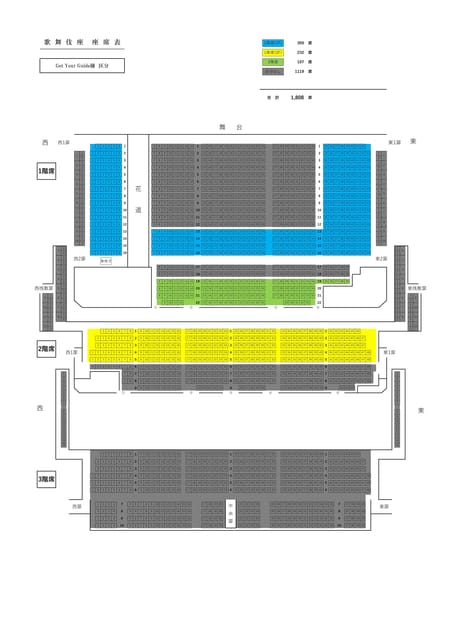
Kabuki is a UNESCO-recognized art form, and it shows in the details. The look is instantly striking, bold costumes, dramatic makeup, and stylized movement. But what makes it click is the structure. Kabuki stories are carried through gesture, music, and repetition, and the live accompaniment gives everything urgency. Even if you only know a few plot points, the energy pulls you forward.
And yes, you will likely notice how different it feels from Western theatre. Some moments play like dance, some like musical theatre, and some land like a drama thriller. That blend is not messy. It is the point, and Kabukiza does it with a serious, professional polish.
A few more Tokyo days worth comparing
- Mt Fuji and Hakone 1-Day Bus Tour Return by Bullet Train
★ 5.0 · 26,383 reviews - 1-Day Tokyo Bus Tour
★ 5.0 · 14,250 reviews - Tokyo: TOKYO SKYTREE® Admission ticket
★ 4.5 · 11,192 reviews
What your ticket includes, and what “4 hours” really feels like
Your ticket includes the show admission plus an English or simplified Chinese caption service. That is a big deal because Kabuki language and cultural references can be hard to catch live. With captions, you can track the action and the story turns without constantly staring at the stage and guessing.
The ticket duration is listed at 4 hours, and the show typically runs with intermissions. In practice, it can feel closer to a 4.5 hour evening depending on pacing and breaks, so plan your night accordingly. I would treat it like a main event, not a side show you fit in between trains.
Also, you get live music as part of the show. That means you are not watching a soundtrack. The music supports the actors through transitions and dramatic emphasis, and you feel it in the theatre. Several highlights you hear from people tend to mention how the staging, curtains, screens, sets, and costumes all work together, and that is exactly what you get when the show is designed for this space.
Price and value: $106 per person, what you are paying for
At $106 per person, this is not a budget activity. The value comes from three things that are hard to replicate cheaply in Tokyo.
First, you are paying for access to a top-tier Kabuki production in the dedicated Kabukiza building. This is not a simplified show. The performances are professional, long-form, and presented as they are meant to be experienced.
Second, you are paying for the included caption service. If you have ever tried to watch a foreign-language show without support, you know the frustration. Here, you have built-in help, which turns the experience from confusing to clear.
Third, you are spending a concentrated block of time experiencing multiple parts of Kabuki in one sitting. The show format includes breaks, and the program can include multiple stories and segments rather than a single short piece. For many people, that means they leave feeling like they got a real overview, not a quick taste.
The main “value caution” is personal. If you hate long seated events, or if you are sensitive to tight seating, you might find the price harder to justify. But if you are excited by performance art, costumes, live music, and storytelling, this is one of the most direct ways to see authentic Kabuki without guessing your way through.
Getting your tickets smoothly at Kabukiza BOX OFFICE
Location is in Ginza, Tokyo, at Ginza 4-12-15, Chuo-ku. The key practical detail is that you pick up your ticket(s) at the venue on the day of the performance.
You exchange your PDF or mobile GYG Voucher at the BOX OFFICE. The box office is on Basement Level 2 and is open 10:00 AM to 6:00 PM. Two rules matter a lot:
- You cannot enter the theatre with a GYG Voucher.
- You need to exchange it into an actual ticket(s) at the BOX OFFICE.
If you arrive after 6:00 PM, you go directly to the theatre entrance, but the assumption is still that you have already exchanged your voucher. I would not plan to solve ticket problems in a rush, because it is better to arrive with time to spare.
Same corner of Japan, a different kind of day:
- Tokyo: teamLab Planets TOKYO Digital Art Museum Entry Ticket
★ 4.6 · 9,779 reviews - Mt Fuji & Hakone Cruise, Drum Show Bullet Train 1 Day from Tokyo
★ 4.0 · 7,413 reviews - Tokyo: Sumo Show Experience with Chicken Hot Pot and a Photo
★ 4.8 · 6,678 reviews - Tokyo: Shinjuku Food Tour (13 Dishes at 4 Local Eateries)
★ 5.0 · 6,603 reviews
Pre-show: exhibition time and the basement souvenir sweep

Kabukiza does a good job rewarding your time before the curtains. The theatre opens 30 minutes before the show starts, and you should use that window well.
Look for the permanent interactive exhibition. This is where you get a calmer, more explanatory entry into Kabuki, with history and the kinds of details that explain why actors move the way they do. It helps a lot because once you understand the basic logic of staging and performance style, you can watch more than just the plot.
Then head down to the shopping center area, located on the second basement floor. This is where you can browse Kabuki-related gifts and souvenirs. People love buying something small that feels connected to what they just saw, like a themed item or a keepsake that references the performance world.
One small consideration: if you plan to shop right after the show, know that timing can be tight. A few visitors found the souvenir shop closed when they exited, so I would aim to browse before you sit down for the performance.
Inside the theatre: how to follow Kabuki with captions
This is where your evening either clicks instantly or becomes a workout. The caption service is included, and for many people it is essential. With the captions available, you can understand dialogue and story turns without relying on prior knowledge.
At the same time, do not treat captions like a replacement for watching. Kabuki is visual. Facial expressions and stylized movement are part of the storytelling. One tip I take from the feedback I heard is that seat position matters more than you might expect. If you can get a closer view, you can catch subtleties in makeup and expression that add meaning.
Your theatre comfort is also a factor. Some seats can feel tight, especially if you are taller or sensitive to long sitting. A practical fix is simple, bring something like a small cushion or plan stretching during breaks. It will not change the theatre, but it can make the experience more enjoyable.
A tech note, one visitor found that subtitle tablets did not update in a way that was easy to track, making it harder to concentrate on stage action between changes. If you are sensitive to that kind of timing, stay mentally flexible. Expect you may need a moment when the caption screen updates.
The monthly program: what February and March might look like
Programs change monthly, so your exact show will depend on the date you pick. But you can get a good idea of the style and length from the example schedules.
For February, the matinee runs from about 11:00 AM to 3:21 PM and includes multiple segments such as:
- O-EDO MIYAGE (Modern Kabuki)
- TONBI YAKKO (Dance)
- IYA SAKAE SHIBAI NO NIGIWAI Saruwakaza Shibai Mae (Domestic play)
- TSUMORU KOI YUKI NO SEKI NO TO (Dance)
The evening show runs from about 4:30 PM to 9:02 PM and includes:
- ICHINOTANI FUTABA GUNKI segments like Jinmon / Kumiuchi (Historical play)
- AMAGOI GITSUNE (Dance)
- UME GOYOMI (Modern Kabuki)
For March, the matinee runs from about 11:00 AM to 3:08 PM and includes a multi-act historical piece such as:
- KAGAMIYAMA GONICHI NO IWAFUJI (with parts of the 1st, 2nd, and 3rd act)
And the evening show runs from about 4:30 PM to 8:21 PM with segments like:
- IWAU HARU KOBIKI NO NIGIWAI (a dance piece tied to spring themes)
- SANNIN KICHISA TOMOE NO SHIRANAMI (Domestic play, with 1st and 2nd act pieces)
What I want you to notice here is not the exact titles. It is the format. You are typically not watching one continuous storyline. You are watching a program that can switch between historical plays, domestic pieces, and dance segments. That variation is part of what people love, because it keeps the evening moving and gives you several flavors of Kabuki rather than one mood.
Intermission strategy: snacks, stretching, and timing
Kabukiza includes an intermission during the performance. If you bring something to eat or drink, you will likely feel more comfortable. Snacks and alcohol are also available for purchase in the theatre.
I recommend treating this break as your reset moment. Stand up, stretch your legs, and give your eyes a rest from the stage. Then when you go back in, you can watch with fresh attention.
Also, plan your bathroom time around intermissions. Because the show is long, you do not want to waste time searching during a critical moment. Use the breaks intentionally.
Choosing your seat without seat picking
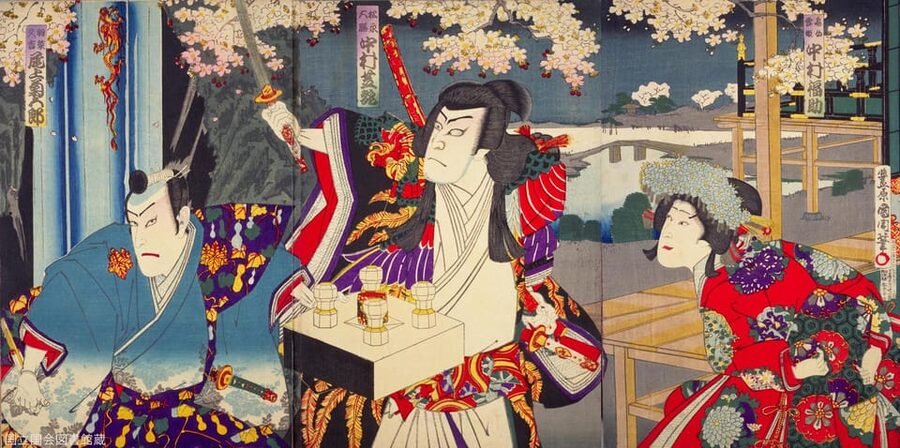
One thing you cannot do with this reservation is specify your seats. That is important because, as noted earlier, close viewing can help you catch expressive details, especially around makeup and face work.
So what can you do?
- Arrive early so you have time to settle without panicking.
- Use the fact that it is a professional theatre, meaning the show is staged for visibility, even if your view is not perfect.
- If you are very focused on facial expressions, consider whether you want to prioritize comfort and visibility over saving time for other activities that night.
Who this Kabukiza experience suits best
This is ideal if you want a real culture experience that is still entertaining, not a museum lecture. Kabuki is performance art, not passive sightseeing. You get live music, highly trained acting, singing, dancing, and stagecraft working together.
It is also a strong match for people who want structure and variety in one night. Multiple segments across different story types mean you are not stuck in one pacing style for hours.
It may be less ideal if you:
- Need lots of movement and hate long seated time
- Are very picky about subtitles or screen timing
- Are traveling with a very young child, since it is not suitable for children under 4 years
Should you book it?
Yes, I think you should book Kabukiza if you want one of the most direct ways to see Kabuki in Tokyo, and you are ready to treat it as a main event. The combination of a Kabuki-dedicated theatre, live music, and included English or 简体中文 caption support makes it a much smoother experience than many international theatre outings.
If your schedule is tight, pick a showtime that fits your day. If you are worried about comfort, plan a small cushion and arrive early. And check the official Kabuki Web program so you know what kind of segments you are walking into that month.
If you want an evening that feels like performance art first and sightseeing second, Kabukiza is a strong choice.
Fresh options around Tokyo
- Private Harajuku Omotesando Architecture Tour★ 4.9 · 18 reviews
- Tokyo Shopping Street Hopping Private Tour with Government Licensed Guide★ 5.0 · 18 reviews
- Tokyo: Private Mount Fuji and Hakone Day Trip with Guide★ 4.5 · 18 reviews
- Small-Group Osaka-Style Okonomiyaki Cooking Class★ 5.0 · 18 reviews
- Hakone Private One Day Tour From Tokyo: Mt Fuji, Lake Ashi, Hakone National Park★ 5.0 · 18 reviews
- PERFECT 1 Day Tokyo Highlights Tour with a Private Car★ 5.0 · 19 reviews
- Shinto Shrine Tour: Explore Japanese Culture in Tokyo★ 5.0 · 18 reviews
- Tokyo: Shinjuku Bar Hopping & Karaoke Night Tour★ 4.9 · 19 reviews
Show, compared.

Mt Fuji & Hakone Cruise, Drum Show Bullet Train 1 Day from Tokyo
Read our review →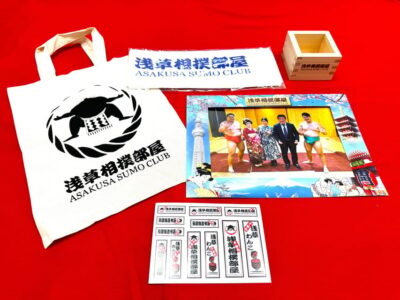
Sumo Show Experience with Chicken Hot Pot and a Photo
Read our review →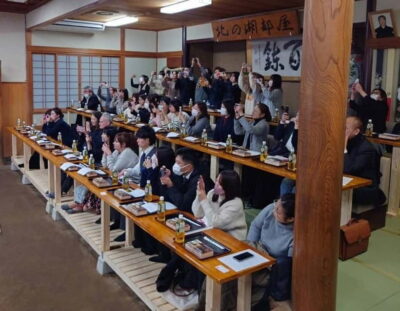
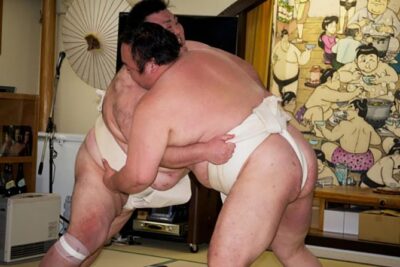
Tokyo Shinjuku Sumo Show & Experience with Photo
Read our review →
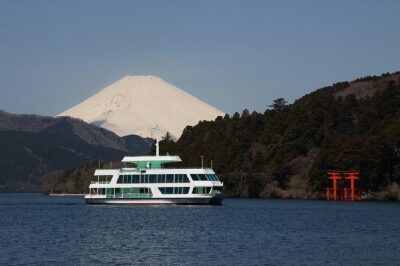
Mt Fuji & Hakone Cruise, Drum Show Bus 1 Day from Tokyo
Read our review →