
Reviewed · SAMURAI & NINJA EXPERIENCES
Best Samurai Experience in Tokyo
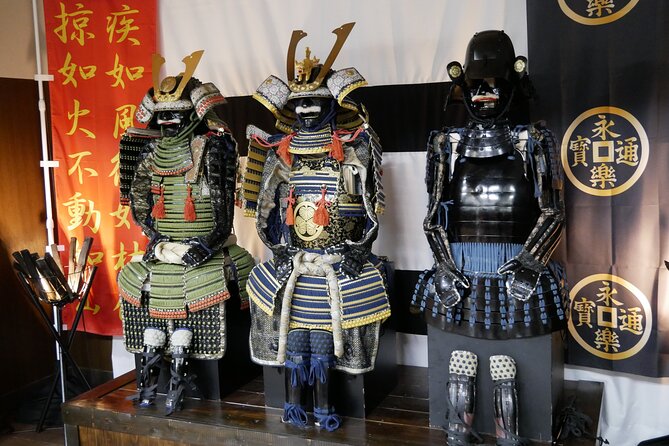
Samurai class in Tokyo, with costumes included. In this Edo-period style dojo, you get to choose your kimono and hakama, practice basic sword moves, and end with a staged sword-fight scene. It is built to feel like stepping into an old-school training hall, complete with armor and weapons all around.
I like the practical, hands-on focus. You do more than watch a demo. You learn how to draw a sword, hold it correctly, swing it, and retract it, then you apply those basics in a simple chambara-style practice.
I also think the setting is great for photos and fun. You can film and take pictures with your smartphone, and the instructors make it easy to look confident even if you have zero martial arts background. One consideration: since the whole experience is about 1 hour, it is best seen as an introduction and performance, not a long-form training session.
Key Things You Should Know Before Going
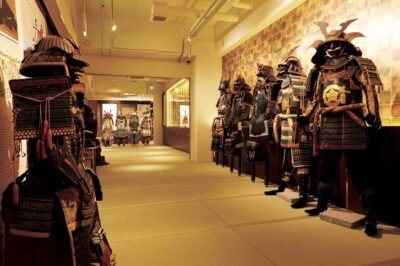
- Edo-style dojo setting with armor and weapons on display, designed to look like an old training space
- Costume time first, because you pick your own kimono and hakama before you touch the sword
- Beginners get a step-by-step katana lesson: draw, grip, swing, retract
- Chambara practice follows the basics, so you get that fight-simulation moment without confusion
- Small group size (max 10) means the instructor can keep an eye on form and safety
- Smartphone video and photos are allowed, so you leave with more than just memories
From Shinjuku To An Edo-Style Dojo: Getting There and What the Space Feels Like
This experience meets in Shinjuku at Samurai Theater Tokyo, 40 Yokoteramachi, Shinjuku City (Tokyo 162-0831). It ends back at the meeting point, and it is near public transportation, which matters in Tokyo where time spent in transit can quietly steal your fun.
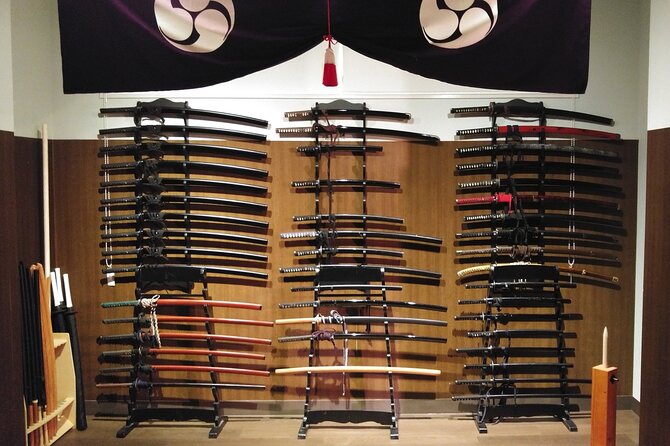
The big draw is the atmosphere. The space is designed to look like an Edo-era dojo, so when you arrive, you do not feel like you are walking into a generic “show.” You are stepping into a museum-like training room with swords and spears on display, plus armor around you. That detail matters because it changes the mindset. You are not just pretending for a minute. The whole room nudges you into the samurai frame of mind.
One practical note: the venue can be a little hidden. If you spot the flag that leads down to the space, follow it. Getting a bit turned around is common in this kind of side-street Tokyo location, and once you find the right entrance, everything usually clicks fast.
More Samurai & Ninja Experiences in Tokyo
- Tokyo: Samurai Restaurant Show Ticket with 2 Drinks
★ 4.5 · 1,307 reviews - Tokyo: Samurai Ninja Museum Guided tour and Experience
★ 4.6 · 1,010 reviews - Tokyo: Samurai Sword & Archery Class from Samurai Descendant
★ 5.0 · 603 reviews
Dress Like a Samurai: Choosing Kimono and Hakama, and Why Comfort Matters
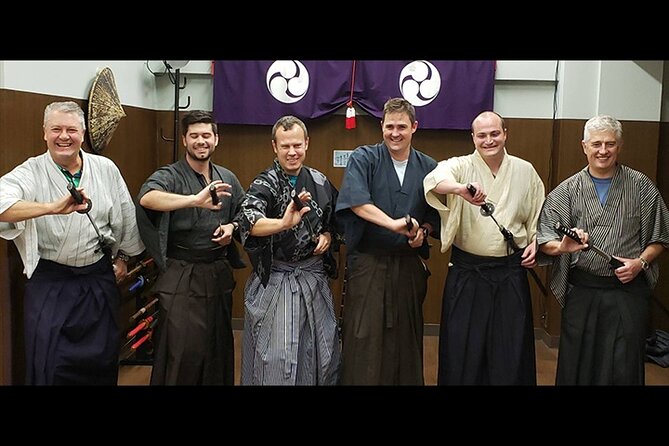
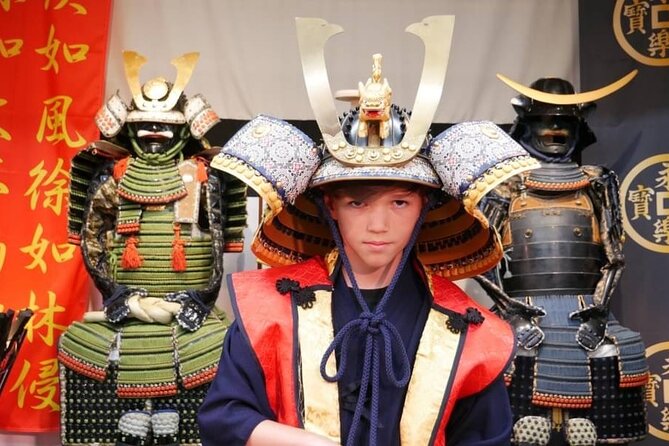
Before any sword practice, you get to dress the part. You select your favorite kimono and hakama, then you change into a samurai costume. This is more than a costume gimmick. The outfit makes the whole experience feel ceremonial, and it helps you take the training seriously because you feel the role immediately.
Comfort is also a real part of the value here. Many people are surprised that the clothing feels manageable once it is on. When you are wearing layers that look dramatic in photos, you want to avoid the “tight and miserable” problem. The way this is run is geared toward making it wearable, even for first-timers.
If you are traveling with family, this step tends to be the emotional peak. Kids and adults alike usually start acting more confident the moment they put the formal attire on. It is also a fun way to engage people who are less interested in sword technique. They still get a big payoff.
Katana Basics You Actually Practice: Draw, Grip, Swing, and Retract
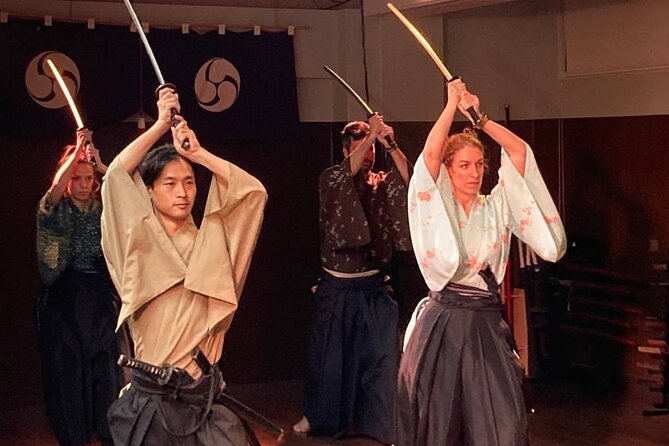
Here is where the experience turns from acting into learning. After you are dressed, you are taught how to use a Japanese sword. The lesson is structured around basic movements, which is what you want when you have never handled a katana before.
You practice:
- How to draw the sword
- How to hold it properly
- How to swing it in a controlled way
- How to retract it safely
A key benefit of this approach is that it gives you muscle memory fast. Even if you forget names of techniques later, you will remember the shape of the motion. That is why the final fight scene feels more than random choreography. The basics you practiced earlier become the building blocks for what you do next.
The instructors also bring credibility. The teaching team is described as authentic instructors who have appeared in major Japanese dramas and movies. Even if you do not care about film history, that detail usually correlates with clear instruction and confident safety guidance.
Chambera Moment: The Simple Sword Fight and the Music-Driven Battle Scene
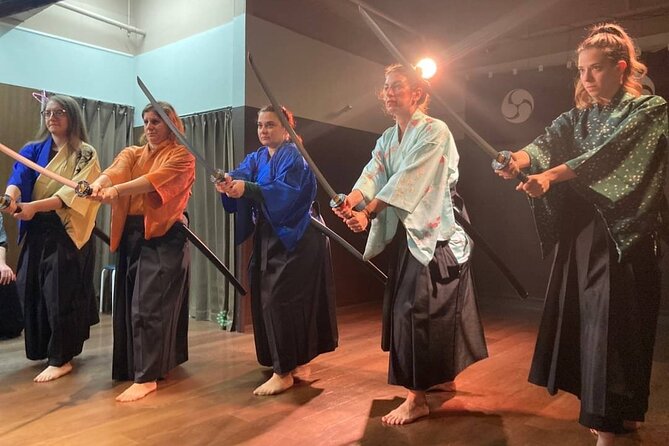
After the foundational movements, you practice a simple chambara (sword fight). This is the moment most people come for because it looks cool, feels interactive, and turns the lesson into an actual performance.
The training is paced so you are not overwhelmed. You learn the basics first, then apply them in a short, structured fight simulation. That sequencing matters because a lot of sword experiences fail by going straight to chaos. Here, you build control before the “battle” part starts.
Then the session shifts into a staged, music-driven sequence where you participate in defeating bad guys to the soundtrack. It is playful, theatrical, and intentionally easy to follow. Think of it as choreography meets role play, not a real duel where you need years of training.
If you want serious martial arts intensity, this is probably not the right match. But if you want a memorable Tokyo moment where you learn basic movements and get to act them out safely, it hits the sweet spot.
More samurai and ninja experiences in Tokyo:
- Ninja Experience (Family Friendly) at Samurai Ninja Museum TOKYO
★ 5.0 · 441 reviews - Tokyo: Samurai Entertainment Night Show in Kanda Shrine
★ 4.6 · 417 reviews - Tokyo Sword Experience – includes Museum Ticket/Ninja Experience
★ 5.0 · 314 reviews - Samurai Ninja Museum Asakusa: Samurai Sword Lesson & Tour
★ 4.8 · 306 reviews
Photos, Video, and the Instructor Style That Keeps It Fun
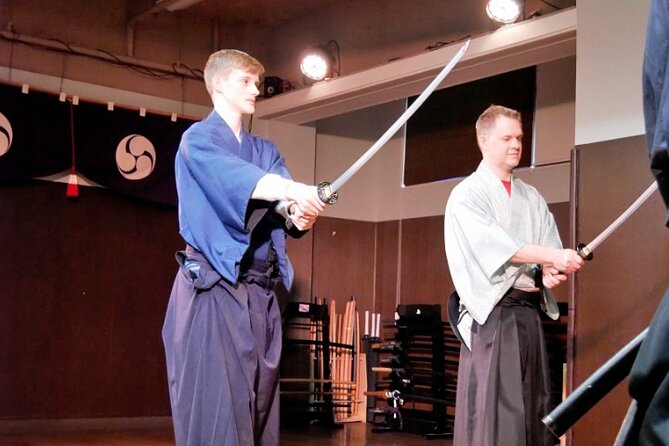
One of the best values is that you are allowed to take videos and photos with your smartphone inside the museum and dojo space. That means you can capture:
- Your costume look
- Your sword moves during practice
- Your short performance moment at the end
This is a big deal in Japan, because the small details in cultural experiences tend to vanish unless you document them. Here, the design of the program supports documentation rather than treating it as an afterthought.
The instructors also make a difference in how the time feels. The teaching style comes across as patient and friendly, especially with families and first-timers. When you are wearing formal attire and learning sword handling, you want someone who can correct without rushing, and who can keep everyone calm when someone is unsure.
The session also runs in a small group format, with a maximum of 10 people. Small-group attention is one of those “quiet” quality signals. You can see more, ask questions more easily, and get corrected before a habit forms.
Price and Timing: Why $65 for an Hour Can Be a Good Deal
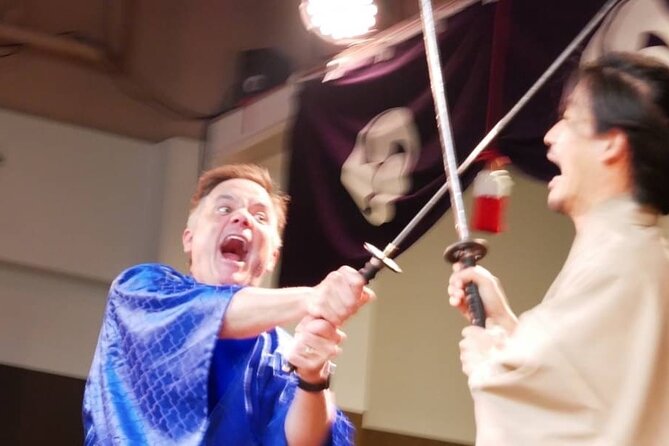
At $65 per person for about 1 hour, the price can look small, but that is not the full story. You are paying for three things that are hard to replicate on your own in Tokyo:
- A guided katana basics lesson
- Samurai costume support (including kimono and hakama time)
- Access to a themed Edo-style training space with weapons and armor displays
If you tried to DIY this, you would still spend money on costume rental, transport time, and finding a reliable instruction setup that teaches safe handling. Here, the program packages it into one clean hour.
Another value point: same-day reservations are possible, and free cancellation is offered. That lowers risk if your Tokyo schedule shifts. In a city where plans get rearranged at the last minute, that flexibility helps.
For timing, treat it like a “high-impact” activity. It is short enough to fit into a day without wrecking your evening plans, but long enough to leave you with real practice and a performance moment. That is why it often works well as a first-timer samurai activity.
Who This Samurai Experience Fits Best (and Who Might Want to Skip)
This experience is a strong fit if you want:
- A hands-on katana basics introduction with clear steps
- A cultural activity that feels like a show, not a lecture
- Costuming and photos in a thematic Edo-style dojo setting
- A fun way to do something interactive with kids or teens
It is also well suited if you are solo. The program notes that one person can join, and the structure is designed so you still get filmed and photographed during the activity rather than being left out.
You might want to think twice if you are chasing something like a deep, long training curriculum. The session is around 1 hour, and the content is framed as basics, choreography, and a staged fight scene. It is not positioned as advanced sword training.
Should You Book This Samurai Theater Tokyo Session?
Yes, if your goal is a memorable, safe, beginner-friendly samurai experience in Tokyo that includes costume time, a guided sword lesson, and a fun performance you can film.
Book it especially if:
- You want an Edo-style setting rather than a generic studio
- You care about photos and video, and want permission to capture the moment
- You are traveling with family and need an activity that grabs attention for both kids and adults
Skip it if:
- You only want serious martial arts instruction
- You dislike structured choreography and role play elements
Overall, for the mix of atmosphere, hands-on practice, and included costume support at $65, this is one of the most practical ways to experience samurai culture in a single hour.
Fresh options around Tokyo
- Tokyo: Nagano Snow Monkeys and Zenkoji Tour with Temples★ 4.9 · 19 reviews
- Yokohama Port: Private Customizable Tour with Transfer★ 5.0 · 19 reviews
- Explore Unique Tokyo Streets / Learn with a Pro Photographer★ 5.0 · 19 reviews
- Sushi Making with Interactive Samurai Experience at JIN-ASAKUSA★ 5.0 · 19 reviews
- DAIKOKU excursion by car DRIFT automobile encounter★ 4.5 · 19 reviews
- Official Street Go Kart Tour Akihabara 2nd★ 5.0 · 19 reviews
- Cosplay Experience with Professional Makeup and Photo Shoot!★ 5.0 · 19 reviews
- Tokyo: Name Seal & Pouch or Tote Bag Making Experience★ 4.5 · 19 reviews
Samurai & Ninja Experiences, compared.
Samurai Ninja Museum Guided tour and Experience
Read our review →
Kendo and Samurai Experience with Uniform and Gear
Read our review →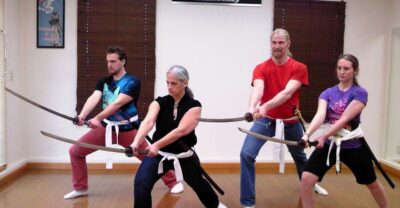
Samurai Sword Class by Experts in Traditional Arts
Read our review →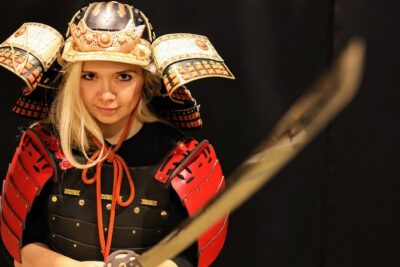
Skip the lines Basic Ticket at SAMURAI NINJA MUSEUM KYOTO
Read our review →
Samurai Sword & Archery Class from Samurai Descendant
Read our review →
Browse the lists this tour appears in