Reviewed · GUIDED
Private Tokyo Tour with Licensed Guide & Vehicle (Max 15 persons)
Tokyo feels easier with a driver. This private 6-hour Tokyo tour focuses on hotel pickup plus a licensed English guide who shapes the day around your interests. I like that you pick the sights (3-4), so you get time at each place instead of hopping trains. One trade-off: six hours goes fast if you try to do too much shopping or linger for long.
The best part is the pacing. You can swap emphasis between history, street food, shopping, or a mix, and your guide will help you decide what is worth your limited time. Guides also tend to bring smart tools for explanations, like flip charts or even a pre-trip itinerary spreadsheet, which makes Tokyo make sense fast.
A final thing to consider is admission. Several stops are listed as free, but Meiji Jingu Shrine, Ueno Park, and Tokyo Tower have admission fees, so plan a little extra cash. Still, door-to-door by private vehicle is a big quality-of-life upgrade.
Key highlights that make this tour work
- Hotel pickup and drop-off so you spend less time figuring out stations
- Private car with licensed English guide for 3-4 chosen stops
- Photo-focused stops at major sights like Shibuya Crossing and Meiji Jingu
- Custom pacing for families and mixed-age groups (including big groups up to 15)
- Practical help with logistics like ticket guidance and precise drop-offs near entrances
- Shopping built in from Harajuku fashion to Ginza department-store browsing
Door-to-door Tokyo: how the private vehicle saves your day
Tokyo’s metro is great, but it can also feel like a game of hopscotch. Streets, station corridors, and transfers add up fast, especially if your group includes kids, older travelers, or anyone who gets annoyed by crowds (valid).
This tour uses a private vehicle, which changes your day in a simple way: you get picked up near your hotel and dropped near each stop. The route is handled for you, and your guide can spend that saved time on what you came for, like pointing out photo angles, explaining what you are looking at, and helping you decide how long to stay.
You also get a built-in buffer for Tokyo’s real-life stuff: traffic, weather, and timing at popular places. In past tours, guides and drivers have been praised for staying on schedule and being punctual, which matters because the “six hours” limit is real. A well-run route can feel calm. A poorly run one can feel like a sprint.
One more plus: private doesn’t just mean quiet. It means your guide can adjust the plan for your comfort level. Some guides have been flexible for families with teenagers and elderly parents, and others have handled large groups (up to 15) with kids while still keeping the day moving.
A few more Tokyo days worth comparing
- Mt Fuji and Hakone 1-Day Bus Tour Return by Bullet Train
★ 5.0 · 26,383 reviews - 1-Day Tokyo Bus Tour
★ 5.0 · 14,250 reviews - Tokyo: TOKYO SKYTREE® Admission ticket
★ 4.5 · 11,192 reviews
Price breakdown for a group of up to four
The price is listed as $553.58 per group (up to 4) for about 6 hours, including a licensed guide and a private vehicle. That sounds steep until you do the math and compare it to what you lose when you go DIY with metro plus taxis plus wasted time.
Here is the value angle:
- If you have 4 people, the cost works out to about $139 per person for a guided day with door-to-door transport.
- If you have 2 people, it is about $277 per person. Still not cheap, but you are buying convenience plus a guide to handle the “what should we do next” decisions.
You are also buying a specific kind of access. Your guide can recommend what fits your interests, and the vehicle helps you actually reach places that are farther apart without turning the day into a transit workout.
What is not included is also part of the value equation. Lunch is not included, and some sites have admission fees. Still, many of the stops on the menu are listed as free admission, so you can keep costs controlled if you plan your meals and tickets smartly.
Pick 3-4 stops, then let your guide handle the timing
The tour is customizable, focused on 3-4 sites picked from the menu. Each chosen stop is usually around 30 minutes, with a couple exceptions (like Ueno Park, which is listed as 10 minutes). That structure is what makes “six hours” realistic.
What you should do before you go:
- Decide your top priority category: history, street food, shopping, or a blend.
- Pick one or two anchor neighborhoods, then let your guide connect the rest.
- If your group includes people who hate crowds, start early when possible, since places like Asakusa can get intense.
Your guide’s job is not just reciting facts. It is helping you avoid time-sinks. For example, some guides have provided pre-trip planning materials or explained routes with visuals like diagrams and charts. That kind of prep helps you get more from each stop because you walk in knowing what matters.
Also, private vehicle logistics can mean less walking between drop-off points and entrances. One theme in guide feedback is “drop-offs at exact locations,” which sounds small until you are standing in Tokyo heat or rain trying to find the right entrance.
Old Tokyo to Shinto calm: Imperial Palace and Meiji Jingu
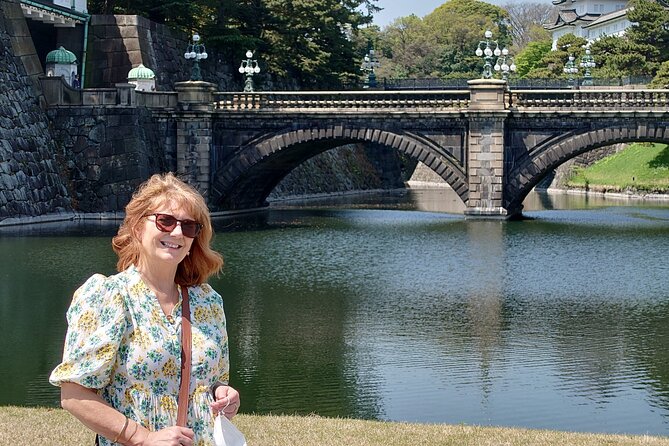
Let’s start with the two biggest “tone change” stops. If you only pick one history slot, I would lean toward Imperial Palace or Meiji Jingu, depending on whether you want Edo-era atmosphere or a quieter Shinto feel.
Same corner of Japan, a different kind of day:
- Tokyo: teamLab Planets TOKYO Digital Art Museum Entry Ticket
★ 4.6 · 9,779 reviews - Mt Fuji & Hakone Cruise, Drum Show Bullet Train 1 Day from Tokyo
★ 4.0 · 7,413 reviews - Tokyo: Sumo Show Experience with Chicken Hot Pot and a Photo
★ 4.8 · 6,678 reviews - Tokyo: Shinjuku Food Tour (13 Dishes at 4 Local Eateries)
★ 5.0 · 6,603 reviews
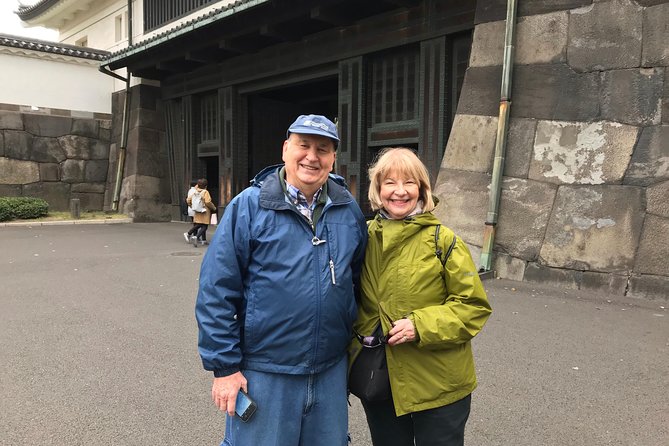
Imperial Palace (about 30 minutes, free admission)
This stop is about stepping into the center of Tokyo’s Edo-period legacy. The grounds bring a sense of place, and the natural surroundings add breathing room. It is listed as free admission, so you can spend your budget elsewhere.
Because you only get about 30 minutes, treat it like an orientation stop. You do not need to “see everything,” which is impossible anyway. Instead, use your time for photos, a short walk, and a quick understanding of why this place matters in Tokyo’s story.
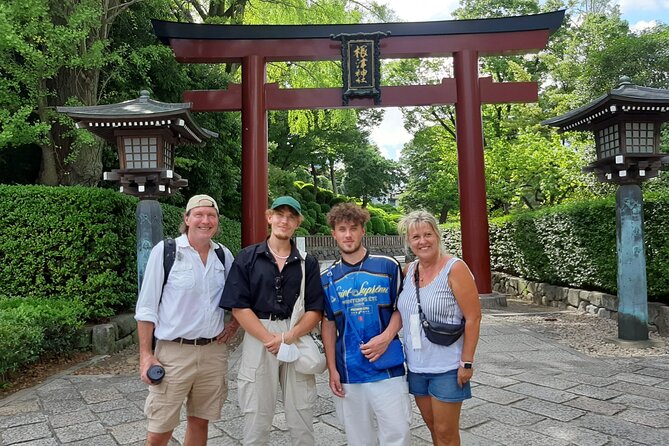
Meiji Jingu Shrine (about 30 minutes, admission not included)
Meiji Jingu is the calm part of the day. You are stepping into Shinto space, surrounded by ancient trees that make central Tokyo feel far away. This is one of those locations where your guide can make a difference, since understanding the cultural background helps you slow down and notice details.
Two practical notes:
- Admission is listed as not included, so plan for it.
- Because this stop is often popular, you want to be mentally ready for queues, even if the atmosphere is peaceful once you get inside.
If your group wants a “reset button” after shopping or temple crowds, Meiji Jingu is a strong pick.
Temples, catwalk streets, and pearl shopping: Harajuku, Asakusa, Ginza
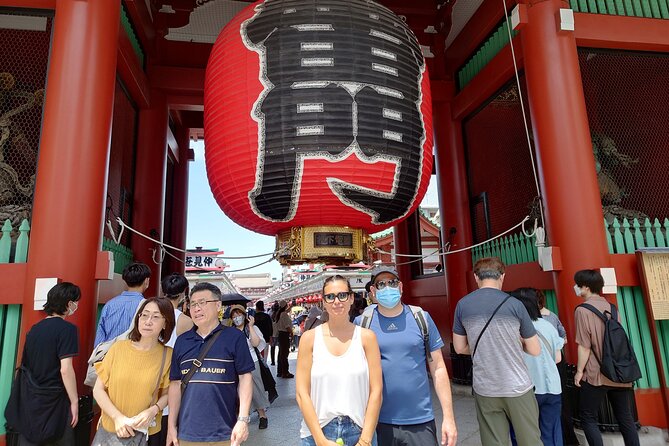
Now the fun part: Tokyo at street level, where you eat, browse, and take photos like you actually planned it.
Takeshita Street in Harajuku (about 30 minutes, free admission)
Takeshita Street is where Harajuku fashion turns into a walking mood board. The goal here is not sightseeing in the museum sense. It is browsing the vibe, spotting style you will not see at home, and finding outfits or accessories that are genuinely Japan-specific.
In a short visit, you want a game plan:
- Pick what you want to buy first, then shop with purpose.
- Take photos early, before you get stuck behind the crowd flow.
Senso-ji Temple in Asakusa (about 30 minutes, free admission)
Senso-ji is one of Tokyo’s most famous temples, and the experience comes with a street-food atmosphere. You can snack on things like dango (mini mochi balls) and agemanju (deep-fried sweet bean filled mochi). This stop is listed as free admission, which helps because you may want to spend money on food and souvenirs anyway.
The crowd reality matters. One practical tip from guide-style advice: if you can choose an early start time (often 8:00 or 9:00 works well), you can get to Asakusa before the heaviest rush. Even if you cannot control the start time, your guide can help you move efficiently so you are not just standing in a line.
Ginza (about 30 minutes, free admission)
Ginza is the opposite mood. Think department stores, polished shopping, and high-end brands. It is also a place for gifts, including pearl shopping at Mikimoto (noted in the itinerary description). If Takeshita is about “look at this!” Ginza is about “buy something nice and keep it.”
A 30-minute slot works best if you choose your target store(s) in advance. Otherwise, Ginza can swallow time fast.
Kitchen toys and market bites: Kappabashi, Tsukishima, Tsukiji
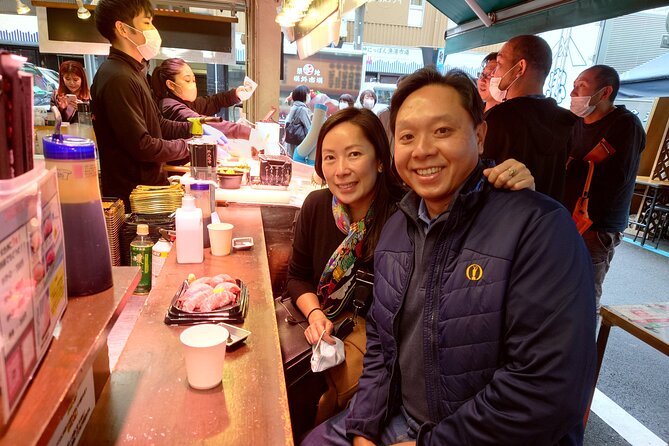
If your idea of a great trip includes food culture and objects you can bring home, these stops are for you.
Kappabashi Street (about 30 minutes, free admission)
Kappabashi is the shopping district for Japanese cooking utensils and display culture. You get to see plastic sample food models, which is fun even if you do not buy anything. It is also a great place for small souvenirs that feel useful, like a miniature food model keychain.
This is one of those stops where a guide can help you avoid buying the wrong “cute but useless” item. You might want kitchen-friendly souvenirs or simple collectibles rather than heavier things that get annoying to pack.
Tsukishima Monjya Street (about 30 minutes, free admission)
Tsukishima is about monjya, a uniquely Tokyo-style savory dish. The itinerary notes many monjya restaurants, so the experience is less about a single sight and more about picking where to eat and what to try.
In a short stop, you may want to plan your expectation: this is likely a tasting and vibe stop rather than a full meal unless you are flexible. Your guide can point you toward places suited to your group.
Tsukiji Fish Market (about 30 minutes, free admission)
Tsukiji is described as Japan’s old fish market, with a wide selection of foods. This stop is also a shopping-and-snacking opportunity. The itinerary emphasis is on purchasing something while you are there, which is great advice if you want an easy souvenir that you actually consume.
In practice, 30 minutes is perfect for:
- a quick walk-through
- one or two tastings
- a food purchase you can eat later
Admission is listed as free for this stop, which makes it easier to fit into a budget.
Anime, retro shopping, parks, and Tokyo Tower photos
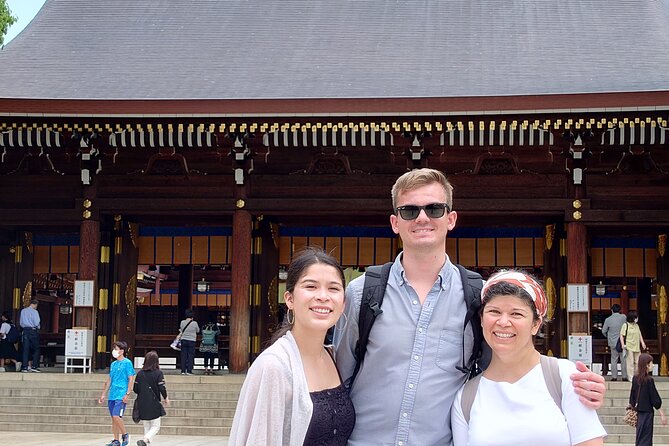
Tokyo is not only temples and seafood. This section covers the modern, the quirky, and the photo ops.
Shibuya Crossing and Hachiko (on the stop list)
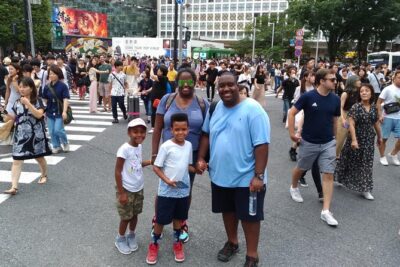
Shibuya Crossing is famous for organized chaos, with people moving in multiple directions at once. The itinerary also notes the statue of Hachiko, the loyal shiba dog. This is a photo-and-watching stop. In a short time, you mainly want one good view point, a few shots, and then move on before it becomes repetitive.
Akihabara (about 30 minutes, free admission)
If you are an anime fan, tech nerd, or collector, Akihabara makes sense. This stop is explicitly described as geek culture country, and the itinerary calls out things like gachapon. You can browse quickly, and it is easy to make this stop “choose your own adventure,” based on what you like (figures, gadgets, pop culture shops).
Yanaka Ginza Shopping Street (about 30 minutes, free admission)
Yanaka Ginza is a retro-style shopping street, plus stray cats. The itinerary notes croquettes as a must-do snack stop here. This one works well if your group wants something less intense than the biggest tourist zones.
A short visit is enough to feel the character and buy one snack, then head out.
Ueno Park (about 10 minutes, admission not included)
Ueno Park is listed as a quick slot. The itinerary mentions museums, a zoo, a Toshogu Shrine, and Shinobazu Pond, plus the fact that it is known for cherry blossom parties. Since admission is not included and the stop is only 10 minutes, treat it like a “taste test,” not a full park day.
Pick a couple visible highlights and keep expectations realistic.
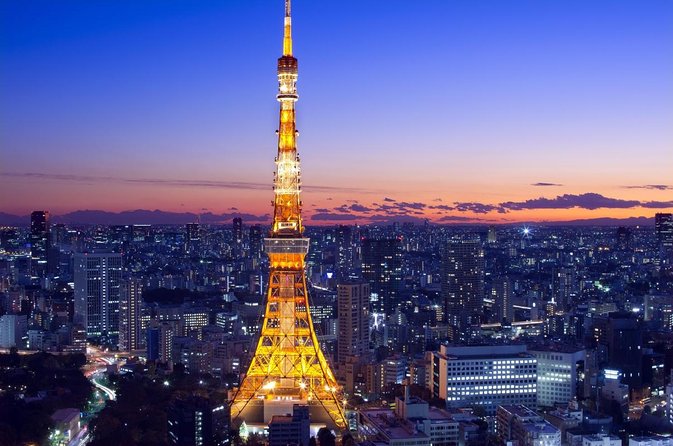
Tokyo Tower (about 30 minutes, admission not included, main deck only)
Tokyo Tower is an observation and communications tower. The itinerary notes that it is up to the main deck only, and the top deck is not included. That matters because view times and lines can be unpredictable. You are not buying the full package here, so make sure the main deck views fit what you want.
If you want a clean photo and an efficient route, Tokyo Tower can be a good capstone.
Should you book this Private Tokyo Tour or not?
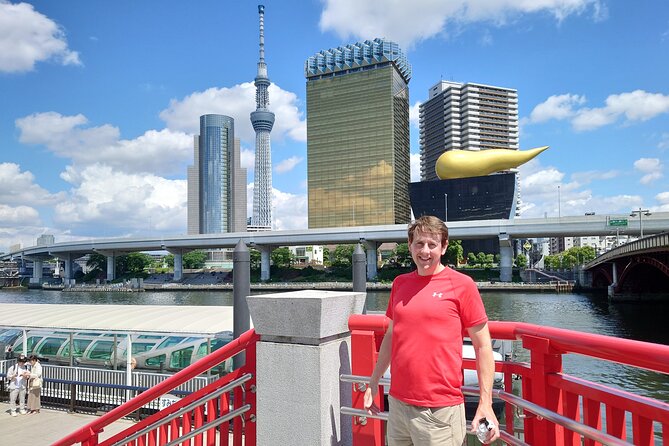
Book it if you want a guided day where you control the priorities, and you do not want Tokyo transit to eat your schedule. This tour shines when you have mixed interests, a short time window, or a group that benefits from precise drop-offs and a guide who can adjust pacing. The strong feedback pattern also points to solid communication and flexibility, like guides who bring planning materials and drivers who keep the day running smoothly.
Skip it if your “must-do” list is huge. The tour is built around 3-4 chosen stops in about six hours, so if you want long museum time plus shopping plus an extra neighborhood, you will likely feel rushed.
A good next step: pick two anchors from the menu (one history stop plus one neighborhood vibe), then let the guide fill the remaining slot(s) around food or shopping.
FAQ
How long is the private Tokyo tour?
It is listed as about 6 hours.
What’s included in the price?
The tour includes a licensed local English-speaking guide and a private vehicle, plus a customizable plan of 3-4 sites from the available stop list. Hotel pickup and drop-off are described as part of the experience. Lunch and personal expenses are not included.
Can we choose which attractions to visit?
Yes. The tour is customizable, and it focuses on selecting 3-4 sites from the stop options provided.
Is admission included for every stop?
Not for every stop. Meiji Jingu Shrine, Ueno Park, and Tokyo Tower are listed as admission not included. The other listed stops are marked as free admission.
Is the tour priced per person or per group?
It is priced per group, listed at $553.58 per group (up to 4).
Are car seats or booster seats available?
There are only a limited number of car seats and booster seats. Rear-facing car seats are not available, and you must contact the provider directly if you need them.
Is cancellation free if plans change?
Yes. Free cancellation is available up to 24 hours in advance for a full refund. If you cancel less than 24 hours before the start time, the amount paid is not refunded.
Fresh options around Tokyo
- Tokyo: Nikko Kegon Falls Lake Chuzenji Toshogu Temple & More★ 4.9 · 12 reviews
- Tokyo: Samurai History Walking Tour★ 5.0 · 12 reviews
- Harajuku: Kawaii Fashion and Pop-Culture Tour★ 4.7 · 12 reviews
- Tokyo: Mt. Fuji & Lake Kawaguchi Instagram Full Day Trip★ 4.1 · 12 reviews
- Shibuya Tokyo: Modern Kintsugi Workshop in Shibuya★ 5.0 · 12 reviews
- Tokyo: GTR Guided Daikoku Experience at Night★ 5.0 · 12 reviews
- Tokyo: Daikoku JDM Car Culture Tour★ 4.6 · 12 reviews
- Mt Fuji Private Day Trip from Tokyo with English speaking driver★ 5.0 · 13 reviews
Guided, compared.
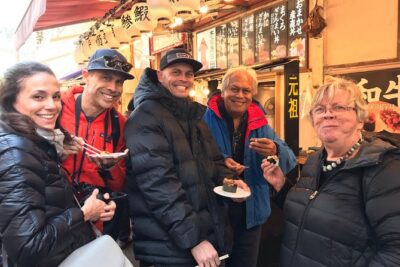
Tokyo 6hr Private Tour with Government-Licensed Guide
Read our review →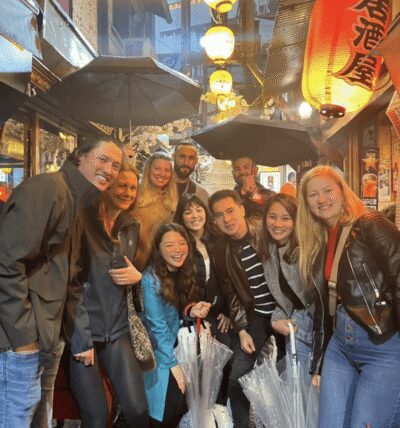
Shinjuku Local Bar and Izakaya Guided Walking Tour
Read our review →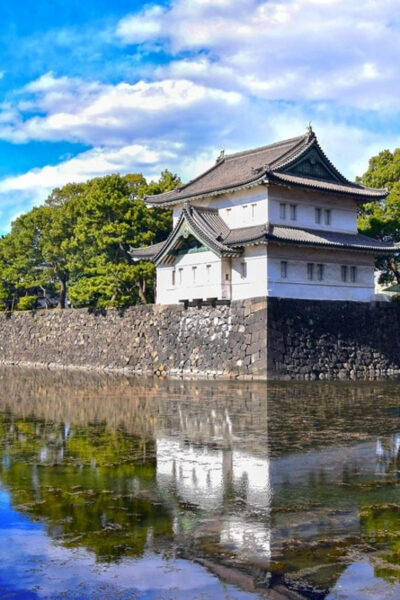
Private City Highlights Tour with Local Guide
Read our review →
Kyoto Early Morning Tour with English-Speaking Guide
Read our review →
Tokyo 4hr Private Tour with Government-Licensed Guide
Read our review →
Kyoto 6hr Private Tour with Government-Licensed Guide
Read our review →