

Did you know that over 80% of travelers in Tokyo miss out on exploring the city’s hidden backstreets?
Imagine discovering the lesser-known gems and experiencing Tokyo like a local on a private half-day cycle tour of Central Tokyo’s backstreets in 2024.
This unique adventure offers a glimpse into the authentic heart of the city, away from the typical tourist spots.
Get ready to pedal through charming neighborhoods, soak in the local culture, and uncover secret spots that even some locals might not know about.
Get a taste of the real Tokyo while cruising through its vibrant streets – an experience not to be missed!
Just The Basics
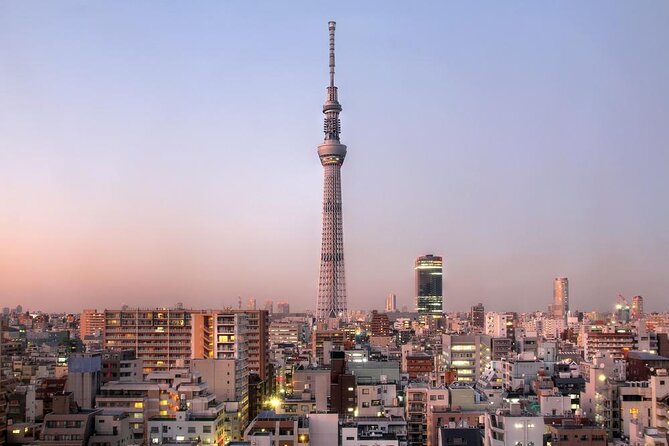
- Customizable half-day cycling tour through Tokyo’s hidden backstreets
- Personalized attention with a professional guide and provided equipment
- Refreshments, admission fees, and a flexible itinerary included
- Book in advance for a unique, immersive exploration of Tokyo’s local culture
Here's some other great tours and experiences nearby we think you'll like.
Tour Details and Inclusions
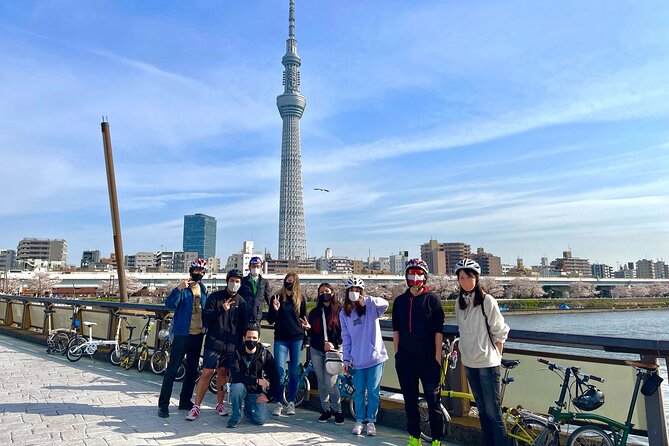
Set out on a private half-day adventure exploring central Tokyo’s hidden backstreets with a guided cycling tour that offers personalized attention and a customizable itinerary. This tour allows you to discover hidden highlights off the main roads while enjoying the flexibility of customizable routes.
Your experience includes a professional guide, bicycle rental, safety equipment, water, snacks, and admission fees. You can pedal through local neighborhoods, uncovering Tokyo’s history and culture at your own pace. The tour provides refreshments along the way, ensuring you stay energized throughout the exploration.
With a focus on personalized attention and hidden gems, this budget-friendly adventure promises an unforgettable experience in the heart of Tokyo.
Meeting and Pickup Information
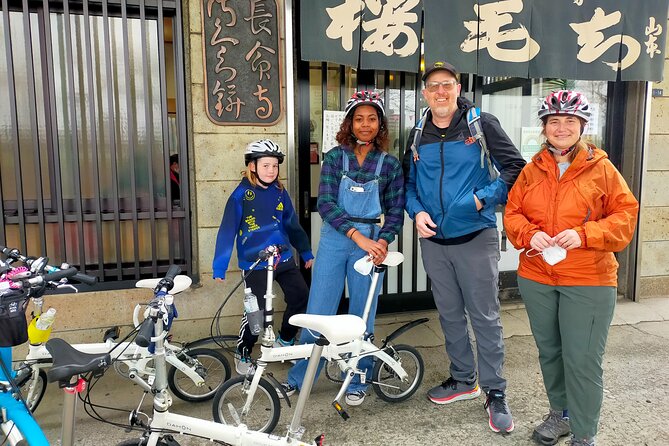
Get ready to meet your guide at the Tokyo Backstreets Bike Tour near Hikifune railway station for the start of your private half-day cycling adventure through central Tokyo’s hidden gems.
Upon arrival, you’ll receive specific instructions for check-in and details on bike sizes if you have any special requests like a tandem bike.
The tour not only offers a chance to explore local neighborhoods and Tokyo’s history but also provides cultural insights and opportunities to savor delicious local cuisine along the way.
Your endpoint will conveniently bring you back to the meeting point, ensuring a seamless experience.
Embrace the unique charm of Tokyo with a knowledgeable guide, personalized attention, and a flexible itinerary tailored to your interests.
Cancellation Policy and Booking Information
When booking your private half-day cycle tour of central Tokyo’s backstreets, ensure to review the cancellation policy for refund options and booking information. If the weather conditions interfere with your plans, there are refund options available. Remember these key points:
- Full refund if canceled 24 hours in advance
- No refund for cancellations less than 24 hours before
- Changes not accepted within 24 hours of the experience
To make the most of your cycling adventure and avoid any inconveniences, it’s essential to plan ahead, especially considering the weather-dependent nature of the experience.
If you have any concerns or want to inquire about group bookings, don’t hesitate to reach out to secure your spot.
Traveler Experience and Reviews
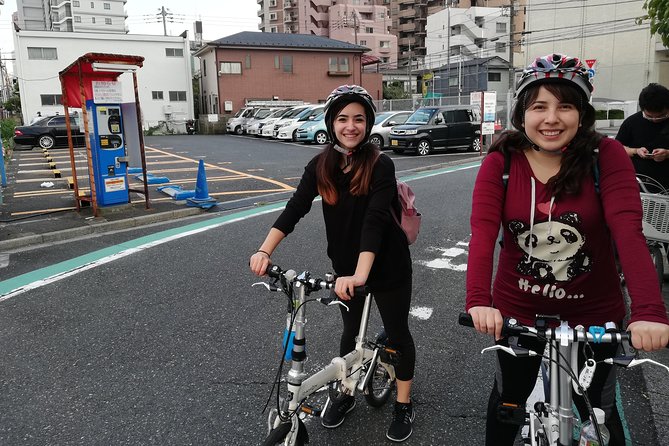
Travelers on the private half-day cycle tour of central Tokyo’s backstreets have shared their exciting adventures and positive feedback on the experience. Customer testimonials highlight the thrill of exploring hidden spots guided by local insights.
Traveler feedback raves about the personalized attention, customizable itinerary, and the professional guide’s expertise. Direct insights from previous participants emphasize the tour’s 5-star rating on Viator and Tripadvisor reviews, showcasing the satisfaction of those who’ve pedaled through Tokyo’s backstreets.
Access to additional photos allows potential visitors to envision the adventure awaiting them, creating buzz around this unique exploration of Tokyo’s culture and history.
Pricing and General Information
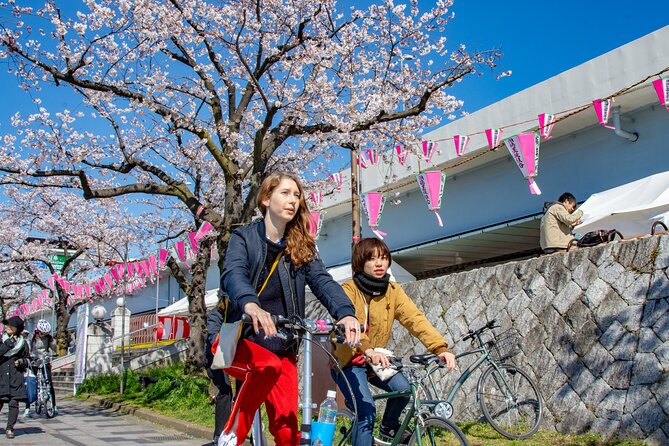
Discover the starting price for the private half-day cycle tour of central Tokyo’s backstreets and explore the tour’s flexible itinerary and local insights. The tour pricing begins at $75.42 per person, with varying rates based on group size. Here are some key points to consider:
- Group discounts available for larger parties
- Cultural insights provided by knowledgeable guides
- Flexible itinerary catering to the group’s interests
Enjoy the local neighborhoods, uncover hidden gems, explore Tokyo’s rich history, and soak up the vibrant culture. The tour offers a half-day exploration filled with unique experiences and memorable moments. For more details and booking information, check out Viator’s website.
Directions
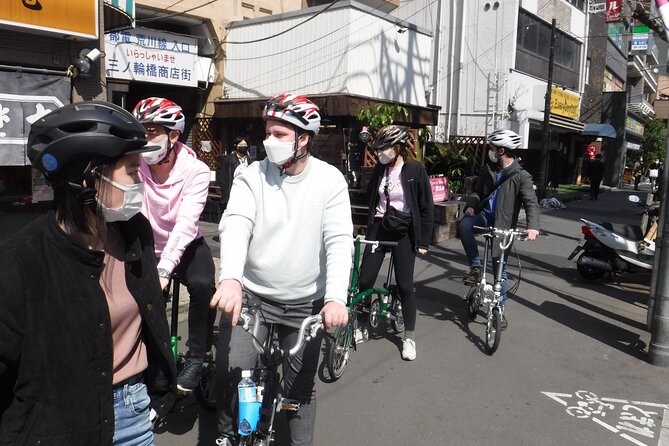
For those eager to embark on the private cycle tour of central Tokyo’s backstreets, the meeting point is conveniently located near Hikifune railway station at Tokyo Backstreets Bike Tour. Once you arrive, the guide will lead you through the best cycling routes, ensuring you explore local neighborhoods and discover hidden gems along the way.
The tour starts with detailed instructions on how to navigate the streets safely and efficiently, allowing you to soak in the beauty of Tokyo’s history and culture. From there, you’ll pedal through charming alleys and lesser-known pathways, enjoying the city’s vibrant atmosphere.
Don’t worry about getting lost; the guide is there to ensure you make the most out of this unique experience.
Frequently Asked Questions
Can Participants Bring Their Own Bikes for the Tour?
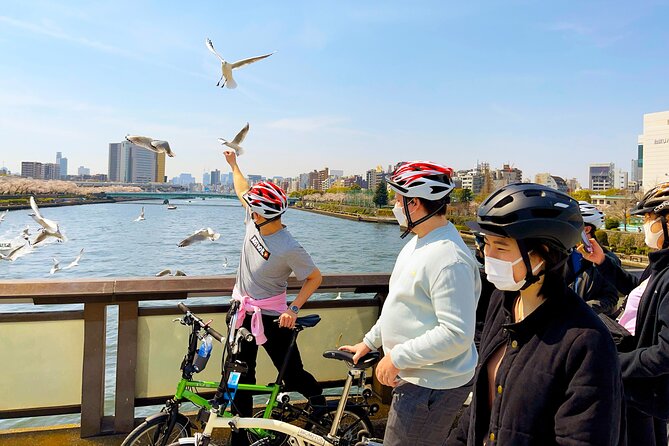
Participants can’t bring their own bikes for the tour. Rental options are available with bike compatibility ensured. The tour provides bikes, helmets, water, and snacks, offering a hassle-free experience. Enjoy cycling through Tokyo’s backstreets without worrying about equipment.
Are There Any Age Restrictions for Participating in the Cycling Tour?
Age restrictions apply for safety reasons, ensuring all participants can enjoy the cycling tour. Safety precautions are in place to provide a secure experience. Contact in advance for specific details and guidelines related to participant age.
Is There a Restroom Break Scheduled During the Half-Day Tour?
During the half-day tour, there is a scheduled restroom break provided for participants. Along With exploring hidden highlights off the main roads, you can enjoy food options and sightseeing opportunities, making the experience both enjoyable and convenient.
Will the Tour Guide Provide Historical and Cultural Insights About the Areas Visited?
Yes, the tour guide will provide engaging historical context and enlightening cultural significance throughout the journey. Participants can expect a personalized experience delving into Tokyo’s rich history and cultural heritage, enhancing their exploration.
Are There Any Special Clothing or Gear Recommendations for the Tour, Aside From Helmets Provided?
For the tour, it’s recommended to wear comfortable clothing and consider applying sunscreen for sun protection. These simple steps can enhance the experience and ensure a pleasant journey exploring Tokyo’s backstreets by bike.
Final Words
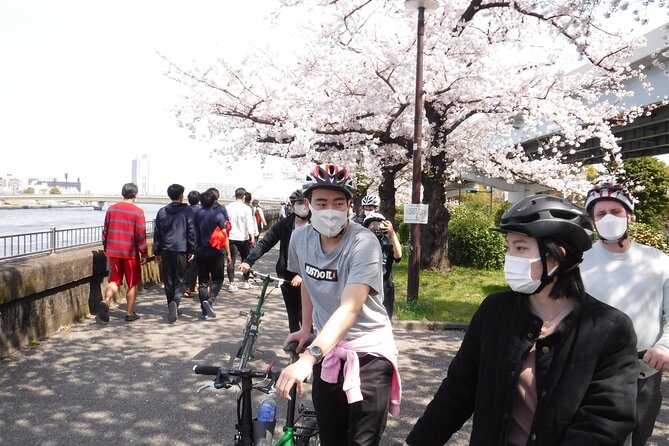
Hop on a bike and discover the hidden gems of Tokyo on this private half-day cycle tour!
With a knowledgeable guide, bikes, helmets, water, and snacks included, you’ll explore the enchanting backstreets of central Tokyo like a local.
Don’t miss out on this unique and immersive experience – book now to secure your spot and get ready for an unforgettable adventure through the heart of the city in 2024!