
Fuji in a single Tokyo day is possible. I like the hassle-free round-trip bus plan, and I like that the day mixes classic viewpoints with culture at a traditional village and old shrines.
One thing to weigh is that this is a 10-hour sightseeing sprint, so time at each stop is limited, and lunch is not included. If you want a long, slow stroll everywhere, you may feel a bit rushed.
Key highlights you should know
- Shibazakura festival photo stop at Motosuko Resort when the pink moss flowers are in bloom
- Saiko Iyashi-no-Sato Nenba gives you a real sense of rural life, not just postcard scenery
- Lake Kawaguchiko + Oishi Park are built for Mount Fuji views with multiple angles
- Chureito Pagoda and Arakura Fuji Sengen Shrine add history and a proper Fuji backdrop
- Tight timing but good organization, helped by guides who communicate clearly and keep the group moving
Why this one-day Mt. Fuji plan feels efficient from Tokyo
If you base yourself in Tokyo, getting to Mount Fuji usually turns into a time puzzle. This tour solves the big parts for you: you get round-trip transportation by air-conditioned vehicle with a guide, and you do not need to piece together trains, transfers, and timetables for a full day.
The other smart move is how the route is built. Instead of doing one viewpoint and calling it a day, the itinerary cycles through the Fuji areas people actually travel for: a festival field for shibazakura, a reconstructed traditional village, the Fuji Five Lakes region at Lake Kawaguchiko, and then the famous shrine and pagoda views. In a single day, you see how the Fuji area changes by location, from flowers to lakeside promenades to spiritual sites.
Now, the “efficient” part comes with a tradeoff. The schedule is packed, and several stops are short. One review summed it up well: each place is beautiful, but some times feel brief. That matters most if you are the type who loves lingering, shopping, or eating a full meal where you stand.
Still, for the price point, the value is in the fact that you are paying for a guided transport-and-view route, plus paid sites where needed. And you get the comfort factor of a coach ride with a guide managing the flow, which is a big deal when you are coming from Tokyo and you want everything to line up.
More Mt Fuji tours from Tokyo:
- Mt Fuji and Hakone 1-Day Bus Tour Return by Bullet Train
★ 5.0 · 26,383 reviews - Mt Fuji & Hakone Cruise, Drum Show Bullet Train 1 Day from Tokyo
★ 4.0 · 7,413 reviews - Tokyo Mt Fuji 5th St & Hakone Cruise Bus Tour w/Bullet Train
★ 4.4 · 5,024 reviews
Fuji Shibazakura Festival: the flower field that gives Fuji photos real impact
The star photo moment here is the Fuji Shibazakura Festival at Motosuko Resort. This event has been running since 2008, and the key point is timing: shibazakura only looks its best when the plants are in bloom. When that lines up, the whole experience becomes a Mount Fuji and pink flowers combo shot that feels very Japan, very seasonal.
In practice, this is where the tour earns its name. You start your Fuji day with a planted viewpoint rather than a random roadside stop. That changes the vibe immediately. You are not just looking at Fuji, you are looking at Fuji framed by a flower landscape that is clearly designed for viewing and photography.
Important detail: the festival ticket is not included. The cost listed is ¥1,200 per person. So if you are price-sensitive, you should decide ahead of time whether you care about the official access. If you are the kind of person who likes once-a-year seasonal highlights, this is the stop to say yes to.
Another real-world note from the tour reviews is that Fuji can be shy. Even on an overcast day, some people got lucky and saw Mount Fuji at early stops. That is a reminder to treat the day like a weather lottery. Your best strategy is mental flexibility. If clouds roll in, stay patient. Keep moving to the next planned view point, because conditions can change.
Saiko Iyashi-no-Sato Nenba: why the traditional village stop is worth the 50 minutes
After the flowers, you shift from seasonal nature to human-scale culture at Saiko Iyashi-no-Sato Nenba, a traditional Japanese village. The highlight here is the setting and what the village represents. It is known as the most beautiful village in Japan, and the backdrop is Mount Fuji when the weather behaves.
There is also a story behind the place that adds weight to the visit. The village was destroyed by a landslide after a typhoon in 1966, which is why this site is tied to rebuilding and memory. That context makes your walking time feel more meaningful than a quick photo stop.
The time on this stop is listed as 50 minutes. That is enough to see the layout, slow down for a few photos, and get a sense of the architecture and village atmosphere without feeling like you missed everything.
One more cost detail: the admission ticket for Saiko Iyashi-no-Sato Nenba is listed as ¥500 per person, and it is not included. If you skip it, you might miss the core reason this stop is in the itinerary. But if you want to experience the rural side of Fuji tourism, this is the place where the tour stops feeling like only scenic lookouts.
If you are traveling with kids or people who get tired of viewpoint hopping, this village can act as a palate cleanser. It gives you something to read, look at closely, and imagine rather than only look at far away.
Lake Kawaguchiko and Oishi Park: the Fuji view circuit that keeps paying off
Once you are in the Lake Kawaguchiko area, the tour shifts into the “classic Fuji angles” mode. This part matters because it is not just one view. It is multiple shorelines and parks where you can catch Mount Fuji from different positions.
Lake Kawaguchiko is one of the Fuji Five Lakes and is described as the most popular. It has the longest shoreline among the five lakes, which is why it has so many natural spots for viewpoints. The itinerary only schedules 20 minutes here, so think of it as a quick shore hit, not a full lake day. Still, even a short stop can work if the sky clears even briefly.
Next comes Oishi Park, with a planned 30 minutes. This is where the tour gives you a little more breathing room. The park is set up so you can enjoy flowers, the lake, and Mount Fuji all in one frame. There is also a lakeside promenade, and the idea is that different flowers bloom at different times of year. If you are visiting when petals and blossoms are active, this can elevate the whole look of the lake shore.
If your goal is photography, I like this sequence. You start with a broad lake view at Kawaguchiko, then you move to a park angle where you can stage your shots more intentionally. You also have a better chance of catching Fuji because you are not relying on one single clearing.
One practical thing to remember: these stops are free. That means your budget stays under control. You can spend money on food however you like, and you can decide whether to pay for the festival and village tickets without feeling trapped.
A few more Tokyo days worth comparing
- 1-Day Tokyo Bus Tour
★ 5.0 · 14,250 reviews - Tokyo: TOKYO SKYTREE® Admission ticket
★ 4.5 · 11,192 reviews - Tokyo: teamLab Planets TOKYO Digital Art Museum Entry Ticket
★ 4.6 · 9,779 reviews - Tokyo: Sumo Show Experience with Chicken Hot Pot and a Photo
★ 4.8 · 6,678 reviews
Kawaguchiko Natural Living Center, Chureito Pagoda, and Arakura Shrine: the iconic finishes
After the lake parks, the itinerary keeps pushing toward the most recognizable Mount Fuji backdrops. Three of the stops are designed for both photos and spiritual or cultural interest.
The Kawaguchiko Natural Living Center stop is short, about 15 minutes. The highlight listed is a perspective from the second floor where you can capture a red torii blending with Mount Fuji. Even if you only have a few minutes, this kind of framed shot is the reason these places make the itinerary at all.
Then comes Chureito Pagoda at Arakurayama Sengen Park. This stop is 50 minutes, which suggests it is a bigger deal in the day’s pacing. The park is famous for panoramic views that include Chureito Pagoda, Mount Fuji, and Fujiyoshida City at the foot of the mountain. For many people, this is the view that ties their entire Fuji day together.
Finally, there is Arakura Fuji Sengen Shrine, with a 15-minute schedule. The shrine was built in 705 and has served as the guardian god of Arakura Village for over 1,300 years. That long timeline matters because it turns your visit into more than scenery. You are stepping into a location with deep local spirituality tied to protection and harmony.
One important scheduling wrinkle: during Japan’s Golden Week (May 1 to May 7), the tour expects heavy traffic. To manage time, the visit to Chureito Pagoda and Arakura Fuji Sengen Shrine is canceled. That is not a small change, so if you are traveling in early May, you should adjust expectations. You can still get plenty of Fuji viewing earlier in the day, but you should know the iconic final pair may not happen.
Guide quality and timing: what makes the day feel smooth
The guide experience is a major reason this tour scores so high. Reviews mention guides like Taiyo, Kishida, and Agnes, and the common themes are clear communication and organization.
In real terms, this shows up in things like meeting-point clarity, helpful guidance about viewing points, and practical information such as where to find bathrooms and how to think about food. One review specifically praised a WhatsApp group chat style communication, and another praised patience in letting everyone enjoy each site. That matters more than you might think. When you are in a group, clear rhythm prevents stress.
The timing is jam-packed, but it is not chaotic. People describe it as organized and direct, with comfortable coach transport. You are still looking at limited stop durations, but the day flows.
Here is the balanced way to plan your own expectations:
- You can expect lots of highlights
- You should expect short photo windows
- You should be ready to move on even if you would like more time
If you are the type who wants to make your own long wandering plan in each town, this tour may feel too structured. But if you want a reliable route, with a guide handling the logistics and the timing, it is exactly the kind of day trip that works well.
Price and value: what you pay for, and what costs extra
The tour price is listed as $58.90 per person, and it runs about 10 hours. Included are an air-conditioned vehicle and a guide. That means you are paying for more than a sightseeing list. You are paying for transportation, grouping, and navigation between Tokyo and the Fuji area, which is the hard part for many visitors.
The paid items are mostly limited to two key experiences:
- Saiko Iyashi-no-Sato Nenba ticket: ¥500 per person (not included)
- Fuji Shibazakura Festival ticket: ¥1,200 per person (not included)
Lunch is also not included.
So you should expect that your total day cost depends on whether you want both paid sites. If you do, you are adding ¥1,700 in tickets on top of the tour price, plus whatever you choose for lunch.
A review comment I agree with in spirit: because the stops are short, it can be smarter to bring your own snacks or lunch rather than rely on food recommendations that may not blow you away. The tour gives you big sights, and you can help the day feel less rushed by handling food on your terms.
Group size is also part of the value picture. The maximum is 45 travelers. That is large enough for a group atmosphere, but small enough that you are not fighting a crowd at every step.
Who this tour suits best, and who should skip it
This is a strong match for you if:
- You are based in Tokyo and want a single-day Fuji hit
- You care about getting to multiple famous view areas without planning transfers
- You want festival flowers plus cultural stops, not only a viewpoint circuit
- You like guided structure and a smooth day with clear communication
You might want to consider a different option if:
- You hate short stop times and want long stays
- You are extremely sensitive to crowds, especially around iconic viewpoints
- You are traveling during Golden Week and you specifically want Chureito Pagoda and Arakura Shrine, since those can be canceled for traffic reasons
Also, you should plan for Fuji weather variability. Even on cloudy days, sometimes Fuji shows up at early stops. That means you should keep your schedule flexible in attitude. If you treat it like a once-in-a-lifetime photo chase, you may feel disappointed. If you treat it like a guided Fuji day with multiple chances, it feels fairer.
Should you book this Mount Fuji and shibazakura day trip?
Book it if you want the best chance of seeing Mount Fuji along with seasonal shibazakura, plus a traditional village and shrine culture, all without the headache of transportation planning from Tokyo. The price is reasonable for a guided, round-trip day, and the tour’s biggest strength is the guided organization plus a route that hits several classic Fuji viewpoints.
Skip it if your priority is slow travel. This is a packed day, and some stop times are short by design. If you are picky about food or want long meals, bring your own food and snacks so the schedule does not control your comfort. And if you are visiting May 1 to May 7, verify your expectations about the final pagoda and shrine stops due to the Golden Week traffic change.
If you want a practical, structured Fuji day with real variety, this one is an easy yes.
FAQ
How long is the Mt. Fuji trip from Tokyo?
The tour runs about 10 hours.
What is included in the tour price?
It includes an air-conditioned vehicle and a guide.
What extra tickets do I need to pay on the day?
Lunch is not included. Also, the Saiko Iyashi-no-Sato Nenba ticket costs ¥500 per person, and the Fuji Shibazakura Festival ticket costs ¥1,200 per person. Lake Kawaguchiko, Oishi Park, Kawaguchiko Natural Living Center, Chureito Pagoda, and Arakura Fuji Sengen Shrine are listed as free.
Are tickets handled digitally?
Yes. You get a mobile ticket.
What languages is the tour available in?
The tour is available in English and Mandarin.
What happens during Golden Week in early May?
From May 1 to May 7, heavy traffic is expected. The tour cancels the visit to Chureito Pagoda and Arakura Fuji Sengen Shrine so there is more time for other attractions.
Can I cancel for a full refund?
Yes. You can cancel up to 24 hours in advance for a full refund.
Fresh options around Tokyo
- Tokyo: Nikko Kegon Falls Lake Chuzenji Toshogu Temple & More★ 4.9 · 12 reviews
- Tokyo: Samurai History Walking Tour★ 5.0 · 12 reviews
- Harajuku: Kawaii Fashion and Pop-Culture Tour★ 4.7 · 12 reviews
- Tokyo: Mt. Fuji & Lake Kawaguchi Instagram Full Day Trip★ 4.1 · 12 reviews
- Shibuya Tokyo: Modern Kintsugi Workshop in Shibuya★ 5.0 · 12 reviews
- Tokyo: GTR Guided Daikoku Experience at Night★ 5.0 · 12 reviews
- Tokyo: Daikoku JDM Car Culture Tour★ 4.6 · 12 reviews
- Mt Fuji Private Day Trip from Tokyo with English speaking driver★ 5.0 · 13 reviews
Mt Fuji Tours, compared.
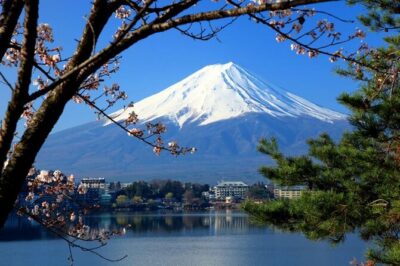
Mt Fuji and Hakone 1-Day Bus Tour Return by Bullet Train
Read our review →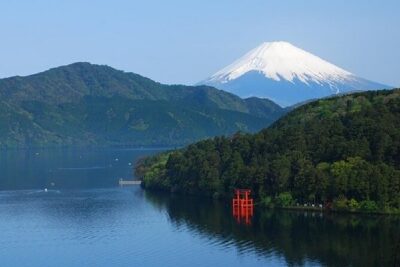
Mt Fuji & Hakone Cruise, Drum Show Bullet Train 1 Day from Tokyo
Read our review →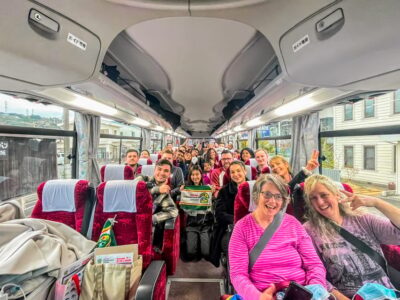
Tokyo Mt Fuji 5th St & Hakone Cruise Bus Tour w/Bullet Train
Read our review →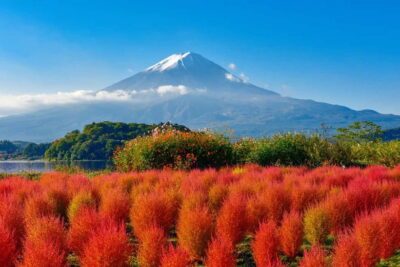
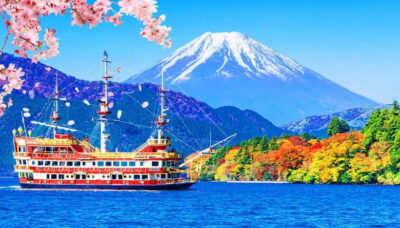
Mt. Fuji Tour, Hakone Ropeway, Owakudani, Lake Ashi
Read our review →
Mt.Fuji,Kawaguchiko Oishi Park,Arakurayama Sengen Park
Read our review →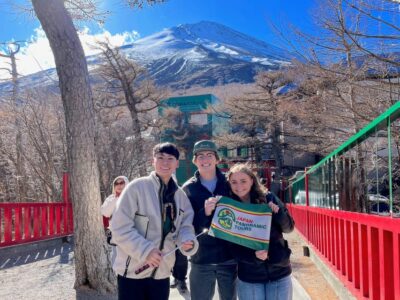
Mt. Fuji 5th Station & Hakone Cruise 1-Day Bus Tour
Read our review →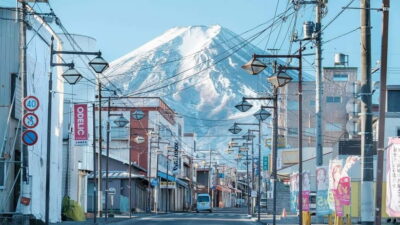
Mt Fuji Top 5 Spots Day Tour: Arakurayama Park,Oshino Hakkai
Read our review →Browse the lists this tour appears in