Reviewed · TOKYO TOURS
Tokyo Ikebana Wellness Art Experience near Shinjuku
Tokyo has enough rush-hour energy to power a small city. This workshop gives you a reset, one stem at a time, with a small group and step-by-step guidance in a calm Japanese-style room. You’ll learn why Ikebana matters, then make your own arrangement to take back with you.
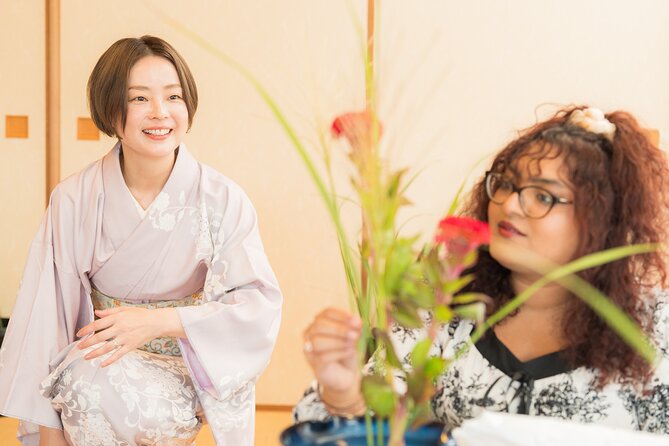
I like that you do not need prior experience. The lesson starts with the history and core ideas of Ikebana, then moves into hands-on practice with clear instruction from Ai-sensei (including English guidance).
One consideration: you’re limited to a max group size of 5, so it can book up, and the fresh flowers you take home mean you’ll want a simple plan for carrying them carefully.
Key things I’d circle before you go
- Beginner format with step-by-step coaching, so you can succeed even on day one
- Ai-sensei’s instruction in English, plus explanations of tools, vases, and styles
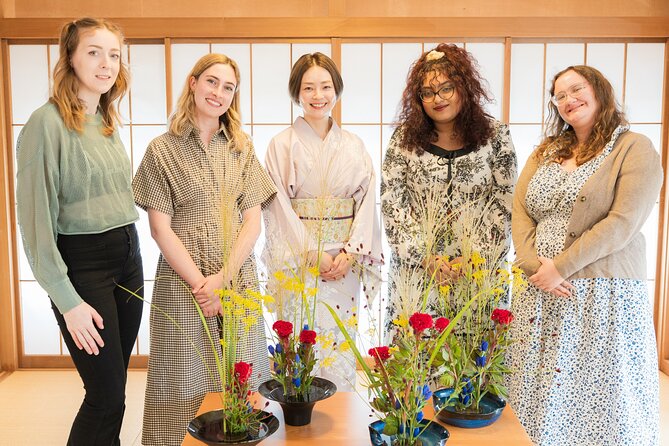
- Small group of up to 5, which means more personal attention as you arrange
- A take-home arrangement, so your Tokyo memory has a real physical keepsake
- Seasonal flower focus, plus small adjustments that dramatically change the final look
Where Ikebana Starts in Tokyo, in a Bright Japanese-Style Room
Ikebana is often described as fancy or hard, but the best part of this experience is how grounded it is for real beginners. You walk in with no preparation required, and the workshop quickly turns into a practical lesson on how to shape space with plants, not just “make a bouquet.”
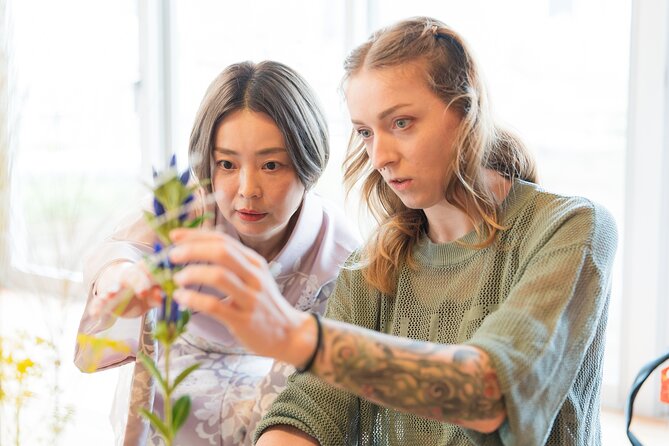
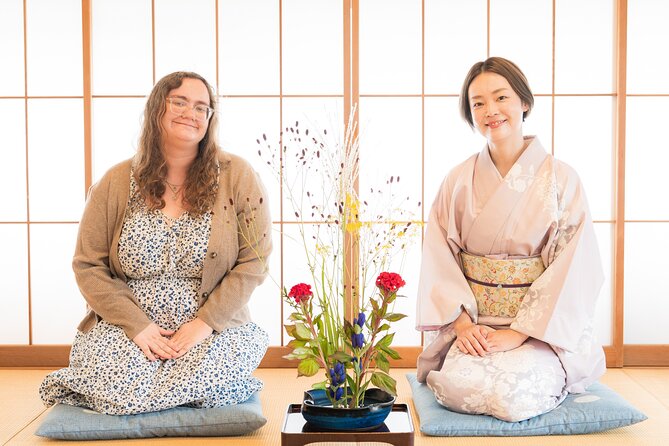
The setting matters more than you’d expect. The room is described as bright and clean, with a Japanese-style feel. That kind of atmosphere helps you concentrate, especially if you’re coming from a day of train stations, signage overload, and convenience-store meals. Here, the goal is focus, calm, and careful choices with your hands.
You also get a short cultural primer before you start cutting. You’ll see photos of the instructor’s works, learn about the 600-year-old background of Ikebana, and get oriented to the main styles and basic rules. If you’ve ever wanted to understand why Japanese flower arranging feels different, this is the point where it clicks.
A few more Tokyo days worth comparing
- Mt Fuji and Hakone 1-Day Bus Tour Return by Bullet Train
★ 5.0 · 26,383 reviews - 1-Day Tokyo Bus Tour
★ 5.0 · 14,250 reviews - Tokyo: TOKYO SKYTREE® Admission ticket
★ 4.5 · 11,192 reviews
Meeting Ai-sensei: History, Tools, and the Rules Behind the Style
The lesson is structured to take you from “I don’t know anything” to “I can make choices.” Ai-sensei’s approach is gentle, and the format seems designed to reduce that first-class intimidation. You’ll get an intro to the art and its ideas, not just a shortcut to finish a project.
Before the arranging gets hands-on, you’ll cover practical basics like:
- what to know about flower containers and vases
- how to handle tools (including careful trimming)
- the main styles of Ikebana and how the fundamentals work
- what to pay attention to when working with seasonal flowers and branches
One pattern in the experience is that the instructor doesn’t treat Ikebana like a single right answer. You learn the basic logic first, then you’re guided to express your own balance and spacing. That’s why people often end up surprised by how different arrangements look, even when everyone starts from similar materials.
If you’re thinking, I want Japanese culture but I do not want a lecture that goes nowhere, you should like this balance. You get explanations, but they are clearly tied to what you’ll do with the stems in your hands.
Your 90 Minutes of Hands-On Arranging: Making It Look Right
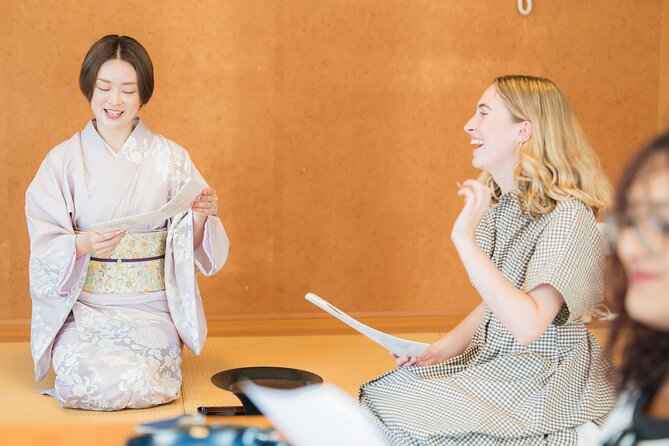
Now the fun part: the workshop becomes a guided making session. You’ll create your own Ikebana arrangement using step-by-step direction, and you’ll likely get real-time feedback as you work.
What I think makes this workshop especially good for first-timers is that the guidance focuses on the small things that create big changes. In Ikebana, the final look often turns on things like height, direction, leaf placement, and the way branches balance around an invisible center.
From what you’ll learn and what people report, you’ll get practical “move-by-move” advice such as:
- where to place elements for proper balance
- how small changes, like adjusting the height of a stem, can reshape the whole piece
- how removing or repositioning a leaf changes the mood and clarity of the arrangement
- how to think about spacing so the arrangement feels intentional, not crowded
You do not just copy a sample. You learn a set of rules, then you’re encouraged to make the arrangement look like what you imagined. That’s why it can feel a little therapeutic. People describe it as a quiet, meaningful time away from Tokyo noise, and it makes sense. When you’re trimming stems and adjusting angles, your mind naturally slows down.
Also, this is not “only for women” or “only for art people.” Multiple participants mention that men enjoyed it too. If you like hands-on activities, you’re in the right place.
Take Your Arrangement Home: A Tokyo Souvenir That Lives
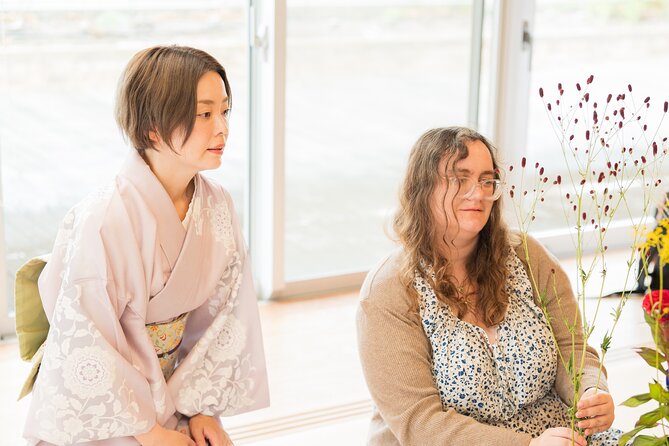
A major value point here is that you’re not just learning a skill for an hour and then leaving your creation behind. You can take your arrangement home, which means you get to keep enjoying the flowers during your stay, including at your hotel room.
That matters because it turns the experience into a lingering memory. Instead of thinking about it once on the way out, you’re reminded each time you notice the arrangement. Fresh flowers also force you to pay attention to seasons. Even without a deeper botanical plan, you’ll start seeing Japan’s seasonal rhythm more clearly.
Practical tip: because the flowers are fresh, plan how you’ll transport them. If you’re taking trains, keep them upright and protected so they don’t get crushed against your bag or jacket. Simple care goes a long way.
If you’re staying in central Tokyo, this is also a nice way to soften your day. You can go straight from the workshop to a quiet evening, with a handmade piece of Japan sitting in your room.
Same corner of Japan, a different kind of day:
- Tokyo: teamLab Planets TOKYO Digital Art Museum Entry Ticket
★ 4.6 · 9,779 reviews - Mt Fuji & Hakone Cruise, Drum Show Bullet Train 1 Day from Tokyo
★ 4.0 · 7,413 reviews - Tokyo: Sumo Show Experience with Chicken Hot Pot and a Photo
★ 4.8 · 6,678 reviews - Tokyo: Shinjuku Food Tour (13 Dishes at 4 Local Eateries)
★ 5.0 · 6,603 reviews
Location and Timing: 1:00 pm in Nakano, Easy to Pair With Shinjuku Plans
The start time is 1:00 pm, and the activity runs about 1 hour 30 minutes. It ends back at the meeting point, so you don’t need to figure out a complicated second location.
The meeting address is in Nakano City, Nakano 3-chome, at M SQUARE. It’s described as near public transportation, so you should be able to reach it without long transfers. If your Tokyo plan includes Shinjuku nearby, this timing can work well. Late morning might be for shopping or museums, then you reset mid-afternoon with a focused activity.
Because the small group is capped at 5 travelers, it’s smart to book early. The typical booking window is around 22 days in advance, which suggests this workshop is popular enough that you shouldn’t wait until the last moment if your schedule is fixed.
Price and Value: $52.71 for a Real Skill, Not Just a Craft
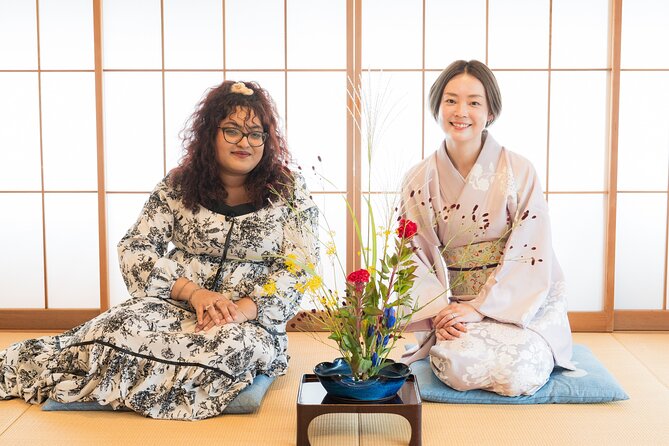
At $52.71 per person, this workshop sits in the “worth it” zone for experiences that include real instruction and a finished take-home result. You’re not paying just for materials. You’re paying for:
- guided teaching of the history and basics
- coaching while you actually build the arrangement
- the convenience of a ready-made class flow, so you do not have to guess where to start
- fresh flowers you take home
When you compare that to buying flowers in a store and trying to recreate a look at home, the value is obvious. Here, you’re learning the decision-making process: how to choose direction, how to think about height, and how to balance leaves and stems so it feels like art rather than a random bunch.
Another hidden value is language support. People mention that Ai-sensei teaches in English and explains procedures in a way beginners can follow. That removes a big barrier for visitors who want cultural experiences but worry about not understanding enough Japanese to keep up.
Who This Workshop Is Perfect For (and Who Might Want Another Option)
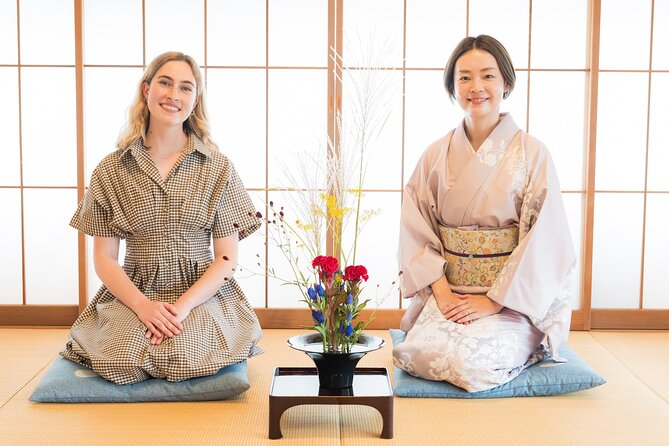
This experience is a strong match if you want a small, meaningful activity that feels distinctly Japanese without needing background knowledge. It’s good for:
- first-time Ikebana learners
- people who like quiet, hands-on creativity
- anyone who wants a cultural experience that also produces something you can bring home
- group trips where you want a shared activity that still feels personal, thanks to small-group attention
It may feel less ideal if you want something that’s fast, loud, and high energy. This class rewards patience and careful attention. Also, if you hate dealing with fresh items in your luggage or you dislike carrying anything delicate, you might find the take-home flowers a little inconvenient. Still, you can usually manage this with basic transport care.
Should You Book This Ikebana Workshop?
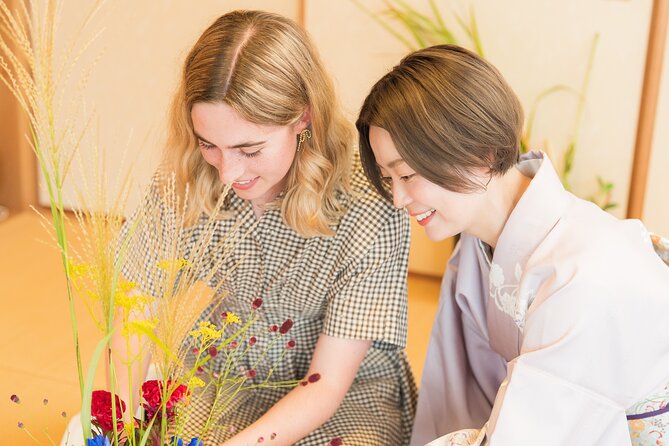
I’d book it if your Tokyo trip includes at least one slot for calm creativity. This is one of those experiences that gives you both context and a tangible outcome. You learn why Ikebana works, then you practice the choices that make an arrangement look balanced and intentional. And because you take your flowers home, the memory lasts longer than the typical one-hour activity.
If your schedule is tight near Shinjuku and you want something beginner-friendly, this workshop is a clean fit: 1:00 pm start, about 1 hour 30 minutes, and a max group size of 5 for real attention.
FAQ
Do I need experience to join the Ikebana workshop?
No. The workshop is designed for beginners, and you’ll get step-by-step guidance while you create your own arrangement.
What exactly is included in the 1 hour 30 minutes?
You’ll get an introduction to Ikebana (history and cultural background), then hands-on practice where you make your own arrangement with coaching. Your finished artwork is something you can take home.
Can I take my arrangement with me?
Yes. You can take your completed arrangement home and enjoy it during your stay.
How many people are in the group?
The experience has a maximum of 5 travelers, which supports more personal attention.
When and where does it start?
The start time is 1:00 pm. The meeting point is in Nakano City, Nakano 3-chome, at M SQUARE, and the activity ends back at the meeting point.
If I already live in Japan, do I need passport and flight information?
No. If the booking form asks for those details, you can enter N/A for passport number and flight information when you are already in Japan.
Should You Book This Ikebana Workshop?
Yes, especially if you want a beginner-friendly cultural activity that produces a take-home result. The small group size, English guidance, and the focus on practical arranging basics make it feel like more than a souvenir craft.
Fresh options around Tokyo
- Airport Shuttle Arrival Transfer : from Haneda Airport to Tokyo City★ 4.5 · 27 reviews
- Tokyo Samurai Experience★ 5.0 · 27 reviews
- Stand-Up Comedy in Shibuya (English)★ 4.2 · 27 reviews
- Tokyo Ultimate Daikoku & JDM Experience (R35 GTR Private Tour)★ 5.0 · 27 reviews
- Experience Tokyo Through the Lens of a Local Artist★ 5.0 · 27 reviews
- MT. FUJI/ Private Tour delivered and guided by a top-tier driver★ 5.0 · 27 reviews
- Private Tokyo Day-Tour by Car with English Speaking Guide.★ 4.5 · 27 reviews
- Tokyo: Kamakura and Yokohama Private Day Trip with Guide★ 4.6 · 27 reviews
Tokyo Tours, compared.

Mt Fuji and Hakone 1-Day Bus Tour Return by Bullet Train
Read our review →


teamLab Planets TOKYO Digital Art Museum Entry Ticket
Read our review →
Mt Fuji & Hakone Cruise, Drum Show Bullet Train 1 Day from Tokyo
Read our review →
Sumo Show Experience with Chicken Hot Pot and a Photo
Read our review →
Shinjuku Food Tour (13 Dishes at 4 Local Eateries)
Read our review →