
Reviewed · MASSAGE & RELAXATION
Osaka Temple :Warm Bamboo Oil Massage – Deep Restore〈90min〉
A calm temple session is a great reset after busy Osaka days. This experience pairs a warm bamboo oil massage with temple rituals, then slows you down further with Zen meditation and a matcha tea ceremony. My favorite parts are the hands-on massage deep restore style, and the way the tea ceremony explains what you are actually seeing, not just reciting it. One thing to consider is privacy, the Zen meditation may be shared with other guests unless you request it.
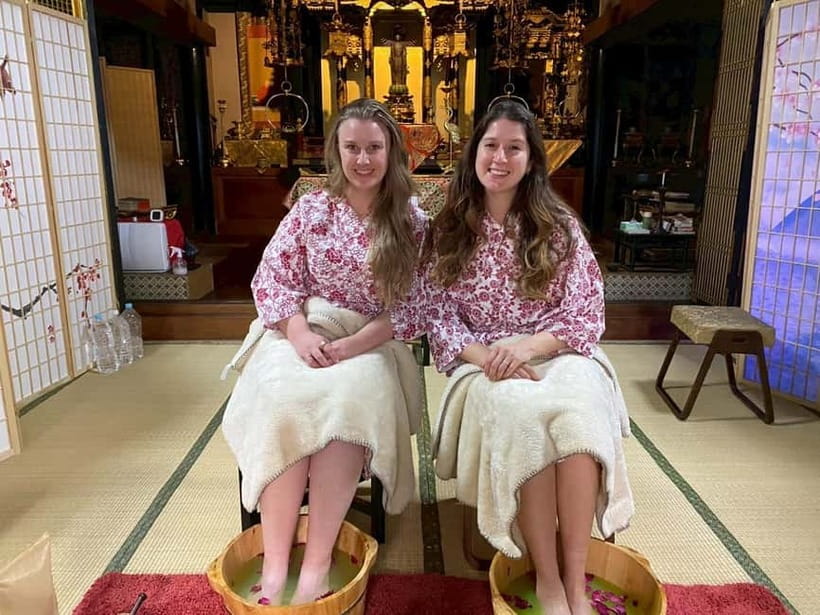
You get dressed in a simple yukata, offer incense, enjoy a foot bath with scrub massage, and finish with sweets and commemorative photos. It is a small-group format, limited to 3 people, and the staff are set up to keep the vibe quiet and respectful. The schedule is only about 2 hours total, so if you want a long spa day, this is more of a focused cultural reset than a full-day retreat.
Key highlights to watch for
- Warm bamboo oil deep restore massage that focuses on relaxation and myofascial release
- Temple incense, prayer, and bell meditation with kneaded incense for a ritual feel
- Matcha tea ceremony with cultural explanation plus original Japanese sweets
- Yukata on-site with a commemorative photo, plus extra smartphone photos to take home
- Small group size of 3 which keeps the pace personal and calm
A temple calm-down session in Osaka: what the 2 hours really include
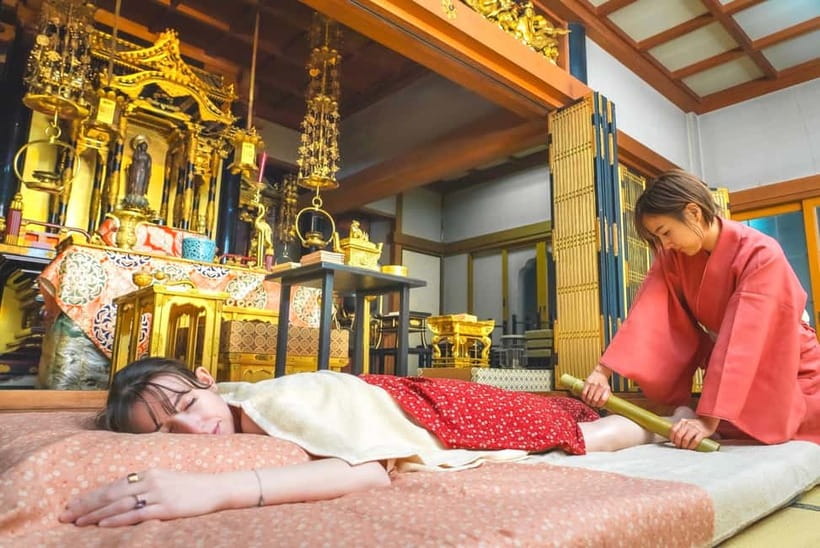
This is built like a sequence of slow, meaningful steps. You start with a welcome drink and get changed into a yukata, then you move through a temple visit, incense offering, Zen meditation, and hands-on bodywork. The massage is the centerpiece, but the ritual framing makes it feel less like a random spa stop and more like a reset.
The deep restore theme is not just marketing. The massage includes warm bamboo and hand oil work, plus myofascial release style technique, which tends to feel more thorough than a basic lotion massage. Before the bamboo oil part, you also get a foot bath and scrub massage, so your body is already loosened up when the main treatment begins.
At the end, you land in the tea ceremony portion. Matcha and Japanese sweets come with a cultural and historical explanation, which helps you slow down again instead of bouncing out right after the massage. If you like experiences that connect the body and the mind, this format does that well.
More Temple & Shrine Tours in Osaka
- Osaka: Minoh, Katsuoji Temple, & Minoh Falls Full-day Tour
★ 4.9 · 172 reviews - Sagano Romantic Train & Arashiyama, Kiyomizudera, Fushimi Inari Taisha Day Tour
★ 4.5 · 171 reviews - Full Day Kyoto Tour : Bamboo Forest, Golden Temple, Fushimi Inari
★ 5.0 · 84 reviews
Finding the right spot near the temple, fast
Logistics are usually where these calm experiences go to die, but this one gives a clear workaround. When you enter the location in Google Maps, use the search text Japanese Massage -the one&only-. If you instead search by the temple name, you might end up at a back entrance and get turned around.
If you are stuck, search for the restaurant Tossa de coracao. The massage location is right next to it. That small tip saves time, and it matters because you want to arrive early enough to settle in before the ritual starts.
Yukata, welcome drink, and incense offering: the respectful warm-up
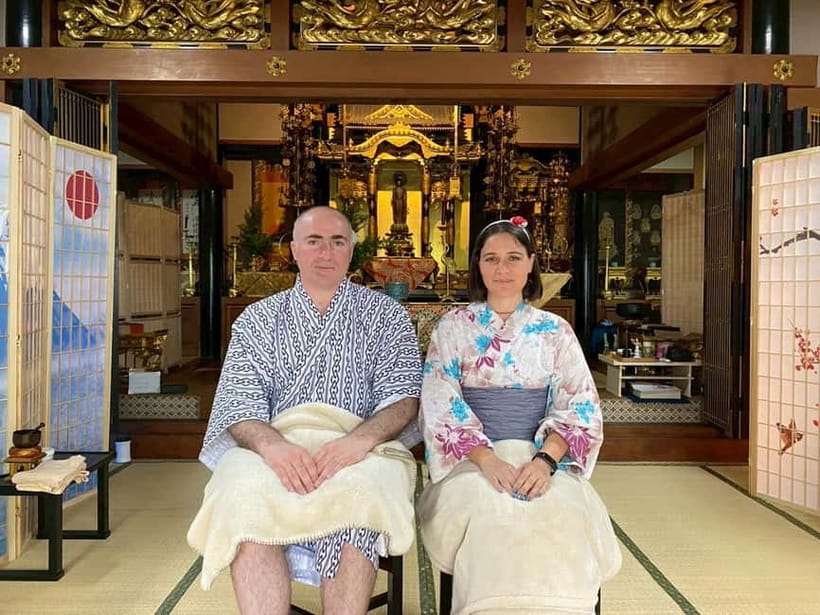
The experience begins with a welcome drink and time to change into a simple yukata. For many people, this is the part that turns the whole day from sightseeing into participation. Wearing a yukata also makes the temple setting feel more natural, you are not just standing there in street clothes taking photos.
Next comes the temple visit with prayer and incense. You will also get an introduction to the temple’s history and Japanese worship culture. That matters because temple incense rituals can look simple, but they carry a lot of meaning, and the explanation helps you understand what you are doing instead of guessing.
You will also do an incense offering portion that includes guided instruction. This helps you avoid common mistakes, like which direction to face or what the timing should feel like. The vibe stays quiet, not performative, and the small group size supports that.
One practical perk: the experience includes skipping the ticket line. If you are trying to keep your Osaka day smooth, that saves you from the time lottery.
Zen meditation with bell and kneaded incense: what you are actually doing
Zen meditation here is not vague breathing instructions. You have bell-based guidance, and there is kneaded incense involved during the meditation portion. That blend sounds unusual at first, but it fits the temple context, incense and sound are part of how the ritual anchors your attention.
The session can be shared with other guests, since the group is small but not guaranteed private. If privacy matters to you, you can request it, which is a smart move if you are visiting with a partner and want a quieter, more personal pace.
What I like about this meditation setup is that it gives you structure. When you know there is bell cueing and a clear ritual flow, it is easier to let your mind stop trying to do everything at once. You are not expected to be a meditation expert, you are guided through a simple sequence.
More Arashiyama tours:
- Katsuo-ji Temple, Arashiyama Forest, & Nara Park
★ 4.0 · 37 reviews - Kyoto: Immersive Arashiyama & Fushimi Inari by Private Car
★ 5.0 · 35 reviews - Kyoto Highlights: Arashiyama & Fushimi Inari by Private Car
★ 5.0 · 35 reviews - From Osaka: Kyoto, Nara, Fushimi Inari & Arashiyama Day Tour
★ 4.4 · 19 reviews
Foot bath, scrub, then warm bamboo oil deep restore
Now we get to the main reason most people book. The treatment includes a warm bamboo and hand oil massage. The style is described as deep restore and myofascial release, so you can expect a deeper focus on loosening tension than a light, surface-only massage.
Before that, there is a foot bath and scrub massage. This part is more important than it looks. Your feet and lower legs hold a lot of daily walking stress in Osaka, and starting with warm water and gentle scrubbing prepares your body to receive the deeper bamboo work without feeling like a shock.
Then the bamboo oil stage begins. Bamboo massage often uses controlled pressure and rhythmic movement, and paired with warm oil it tends to feel soothing while still working muscles and connective tissue. The goal is stress reduction and emotional balance, in a body-focused way you can feel right away.
Also, you will likely notice the overall sequence is designed for comfort. The tempo flows from ritual to relaxation, instead of throwing you into a full-strength massage right when you arrive.
Possible consideration: this is an oil massage. If you have sensitive skin, or you dislike any oil-based treatment, you may want to mention that ahead of time. The experience does not say it is adjustable for sensitivity, so it is worth planning based on your comfort level.
Tea ceremony and matcha: why this part lands after the massage
The tea ceremony is not treated like a filler activity. It is included with a matcha experience and a cultural and historical explanation. You learn while you relax, and that is a big reason the tea portion feels like a continuation instead of a separate show.
You also get original Japanese sweets to go with the matcha. This matters because tea ceremonies in Japan often pair flavor and texture, not just the drink itself. The sweets give you something to focus on after the massage, which can help you come down slowly.
If you have ever done a tea tasting where you just copy motions without understanding, this is built differently. The explanation makes it easier to remember what you did later. It also gives context for the temple atmosphere, so the experience ties together rather than feeling like multiple unrelated stops.
One more detail people tend to love: it keeps the mood relaxed. After massage and meditation, you are ready for a quiet seated moment, and the tea ceremony provides exactly that.
Yukata photo keepsakes and the calm you take home
You wear a yukata during the experience, and there is a commemorative photo taken. You also receive complimentary smartphone photos of your experience in the temple to take home as a keepsake.
This is a practical touch. Temple settings are photo-friendly, but trying to coordinate photos while also participating in rituals is stressful. Here, the photo part is built into the flow, so you can focus on being present during the rest.
If you like having memories that look like more than a random selfie, these includes help. Even better, you leave with images you did not have to scramble to take.
Price and value: is $129 worth it?
At $129 per person for about 2 hours, this is not a cheap add-on. But you are paying for a bundle that usually costs more when booked separately: a 90-minute bamboo oil massage, temple rituals with incense offering and guided context, Zen meditation, a matcha tea ceremony with sweets, and photo keepsakes.
Small group size helps justify the price too. Limited to 3 participants, you are less likely to feel rushed or shoved through a script. In a place where quiet and pacing matter, that smaller group matters more than people expect.
You also get an instructor who can work in English and Japanese, so you are not stuck guessing what is happening during meditation, incense, or tea. That clarity is part of the value, especially if you are not already familiar with Japanese temple customs.
The best way to think about it: you are buying time with guidance, plus a structured decompression session. If your Osaka plan is packed, this is one of the smarter ways to buy an hour of real mental space.
Who should book this Osaka temple massage, and who might skip it
This is a strong match if you want a calm cultural experience in Osaka, not just another activity with photos. You will probably enjoy it if you like hands-on wellness, respect temple rituals, and want the tea ceremony to come with context.
It also fits well if you want an English-friendly guide. The instructor works in English and Japanese, and the flow includes explanations for temple history, worship culture, and the tea ceremony.
You might consider skipping or adjusting your expectations if you want total privacy. Zen meditation may be shared unless you request a private experience. It is also only about 2 hours, so it is not a full spa day if you are craving longer, wandering downtime.
Should you book this Osaka Temple Warm Bamboo Oil Massage?
If you are the kind of traveler who wants your trip to feel like it has a rhythm, book it. The combination is the selling point: bamboo oil deep restore plus incense and bell meditation, then matcha and sweets. That creates a true reset, not just relaxation in a room.
Book it now if you like structure and want someone to guide you through temple customs in a clear way. It is also a great option for couples, since the calm pace supports a togetherness moment without turning awkward.
Before you go, plan around oil comfort and meditation privacy. If either is a concern, ask when you reserve so the experience fits you. If you want a focused cultural wellness stop in Osaka that you can remember for the tea, the temple setting, and the massage feel, this one is worth your time.
FAQ
How long is the experience?
The total duration is about 2 hours, with 90 minutes devoted to the warm bamboo oil massage.
How much does it cost?
The price is $129 per person.
What is included during the 2 hours?
You get a welcome drink and change into a yukata, a temple visit with incense offering and introduction to temple history and worship culture, Zen meditation with bell and kneaded incense, a foot bath and scrub massage, warm bamboo and hand oil massage, and a traditional Japanese tea ceremony with matcha and sweets. You also receive complimentary smartphone photos and a commemorative photo.
Do I get to wear a yukata?
Yes. A simple yukata is provided, and you wear it during the experience.
Is Zen meditation included, or is it optional?
Zen meditation is included, and it uses a bell plus kneaded incense. You can request a private experience if you do not want it shared.
Is the tea ceremony included with matcha?
Yes. You get a matcha tea ceremony experience, with cultural and historical explanation, plus original Japanese sweets.
What massage type is this?
It is a warm bamboo and hand oil massage described as deep restore, including myofascial release style work. The treatment is preceded by a foot bath and scrub massage.
What photos do I get?
You receive a commemorative photo taken during the experience, and complimentary smartphone photos you can take home.
What group size should I expect?
It is a small group limited to 3 participants.
Where do I meet, and how do I find it on Google Maps?
When setting the Google Maps location, search for Japanese Massage -the one&only-. If you cannot find it, search for the restaurant Tossa de coracao, and the massage location is right next to it.
Can I cancel or pay later?
Yes. You can cancel up to 24 hours in advance for a full refund. You can also reserve now and pay later, with pay nothing today.
Fresh options around Osaka
- Make Sushi and Create Unforgettable Memories in Osaka★ 5.0 · 14 reviews
- Osaka Castle Tour – With Optional City Highlights (3 hours)★ 4.5 · 14 reviews
- Traditional Home cooking Experience in Osaka, Japan★ 5.0 · 14 reviews
- Osaka American village Bar hopping tour★ 5.0 · 14 reviews
- Hidden Gems of Osaka Kyoto Nara – Private Car Tour by Local Guide★ 5.0 · 14 reviews
- Osaka 4-Hour Walking Tour: Hotspots and Hidden Gems★ 4.5 · 14 reviews
- Osaka Nights: Ultimate Pub Bar Crawl with an Expert Local Guide★ 5.0 · 14 reviews
- Private arrival Transfer from Osaka Itami Airport(ITM) to central Osaka city★ 4.5 · 14 reviews
Massage & Relaxation, compared.

Japanese Massage – Kangfu Beauty & Body Care Salon
Read our review →
Tokyo Ikebana Wellness Art Experience near Shinjuku
Read our review →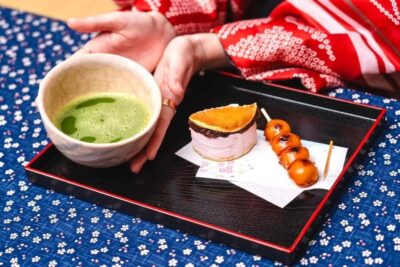
Osaka Temple Head Spa &Matcha Facial – Refresh & Glow〈90min〉
Read our review →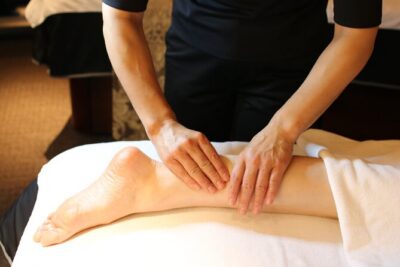
Experience Award-Winning Spa Treatments in Downtown Tokyo
Read our review →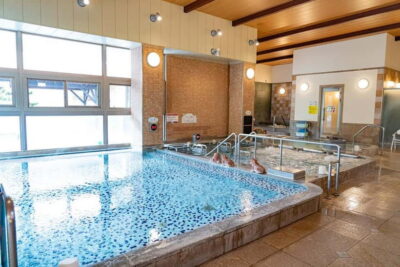
Tennen Onsen Naniwa-no-Yu, the famous hot spring spa
Read our review →Browse the lists this tour appears in