Reviewed · GUIDED
Edo Tokyo & Japanese Culture Tour with Government Licensed Guide
Edo Tokyo comes alive on foot. This government-licensed, English-speaking tour is interesting because you get context while walking Tokyo’s major Edo-era touchpoints, and because your route is customizable to your interests (3 to 4 stops). My favorite part is how the guide connects sites into a story you can actually see, not just read. The main drawback is practical: entrance fees, meals, and transport costs are extra, and you’ll be doing a real amount of walking.
The day runs about 6 hours, with a meeting point in a designated Tokyo area and pickup handled on foot. It’s a private tour, so only your group participates, and a mobile ticket is used for the experience. You may also hop on public transport when needed, which is great because Tokyo is big, and time disappears fast.
Key points I’d bank on for this Edo Tokyo day
- Government-licensed English guide who can translate more than signs, they connect the dots
- 3 to 4 customizable stops chosen from a solid mix of sumo, art, museums, and old-street Tokyo
- Mostly walking, with public transport as backup so the route can keep moving even when distances get tricky
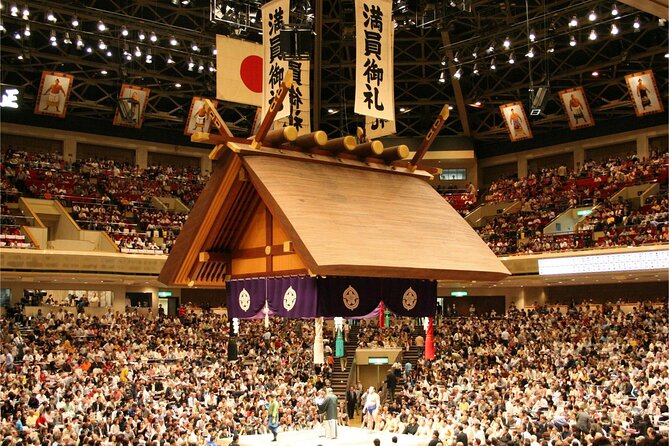
- Ryogoku sumo culture near the stadium area plus a food stop styled like Edo period Tokyo
- Landmarks like Nihonbashi and the Sumida River that anchor Tokyo’s old geography
- Museum options beyond the obvious like the Edo-Tokyo Open Air Architectural Museum and Fukagawa Edo Museum
Why the guide matters more than the checklist
Tokyo’s history is everywhere, but it’s also easy to miss. What makes this tour worthwhile is that you do not just pass by famous names. You get a government-licensed guide who can explain what you’re seeing and why it mattered to the Edo-to-modern Tokyo shift.
I also like that the experience is designed to be customizable. You can choose 3 to 4 sites from the available options, so if you care more about architecture, art, or disasters and rebuilding, the route can reflect that. In the guides I’ve seen praised for this kind of day, communication quality really shows. Names like Shinji and Andy come up for clear explanations and tailoring the plan, while Kei-san is specifically noted for attention to architecture and aesthetics, plus knowledge tied to Japanese history and philosophy.
One more small but real win: this tour can help with the nuts and bolts of getting around. A past guest highlighted that the guide coached them on using an IC card and navigating Japan’s public transport system. Even if you are comfortable, that kind of help can save time and stress.
A few more Tokyo days worth comparing
- Mt Fuji and Hakone 1-Day Bus Tour Return by Bullet Train
★ 5.0 · 26,383 reviews - 1-Day Tokyo Bus Tour
★ 5.0 · 14,250 reviews - Tokyo: TOKYO SKYTREE® Admission ticket
★ 4.5 · 11,192 reviews
Route pacing: walking, public transport, and the money reality
This is primarily a walking tour. Pickup is on foot within a designated area, and the overall time is about 6 hours. You can also take public transport during the day if the distance between stops is too much to do comfortably.
Here’s my practical advice: don’t plan your stop choices like they are all next door. When your selections are spread out, the day can stretch, especially if weather slows things down. That’s not a dealbreaker, but it is the kind of thing you want to plan for.
Also, bring cash. One review warns that transit systems do not accept credit cards the way you might expect, and it can be tricky to withdraw money if you wait until the last minute. So yes, keep some yen on hand. If you need to exchange money, do it early, not after you’ve been walking with empty pockets.
Finally, you cannot combine multiple tour groups. If your plan is to merge with someone else later, build your schedule around staying within your own private group.
Imperial Palace grounds: you’ll see Edo Castle’s legacy, not the interior
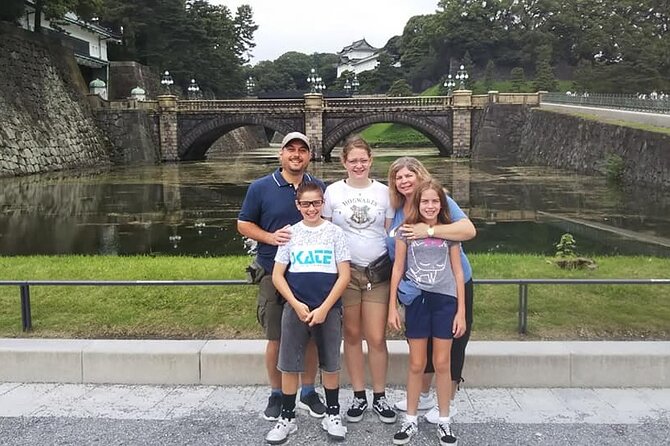
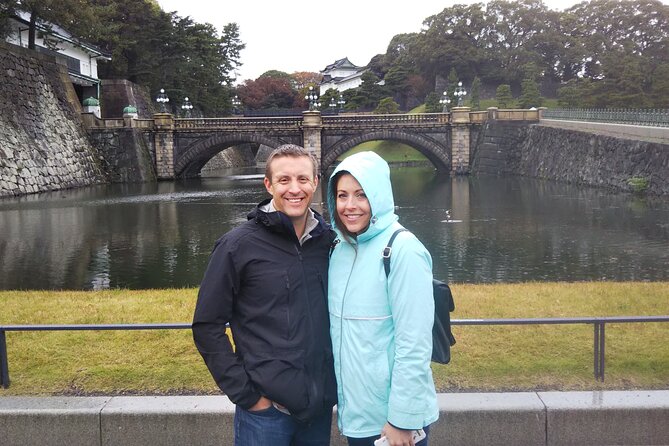
The day can start around the Imperial Palace area, which sits on the former site of Edo Castle. The key point is what you do not get: the tour does not include access to the inside of the Imperial Palace.
That means your payoff is the outside view and the larger setting, like the park grounds surrounded by moats and the scale of the former castle location. Even without interior access, this stop is valuable because it frames the whole Edo-to-Meiji transition. You get the feeling of where power was concentrated, and you can connect that to the later stops focused on Edo-era districts, roads, and culture.
If you’re expecting to tour inside the palace buildings, lower those expectations now. You will still get a strong historical anchor, just not that specific interior access.
Nihonbashi and the Sumida River: the old roads still shape Tokyo
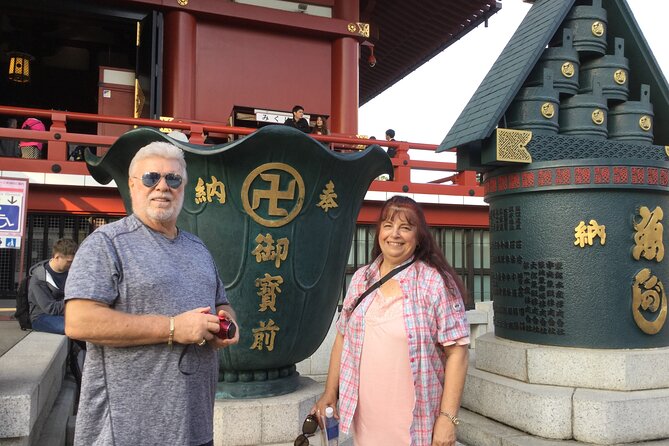
Two of the most rewarding “Tokyo history geography” stops are Nihonbashi and the Sumida River.
Nihonbashi matters because it used to be the starting point of five main roads across Japan. In other words, this was not just a pretty bridge location, it was a transportation hub that helped Tokyo prosper as Edo. You still get an old-traditional Japan feel here, even in today’s city.
Then the Sumida River adds a different kind of understanding. This river is one of Tokyo’s main rivers and is very familiar to visitors. It also helps you visualize how cities and neighborhoods grew in relation to water. If your brain works well with “where things moved,” this stop helps you build that map fast.
A practical tip: if you’re heat-sensitive or it’s a rainy day, treat these river and bridge moments as a chance to pause. They are often easier to enjoy at a slower walking pace than some museum-heavy segments.
Same corner of Japan, a different kind of day:
- Tokyo: teamLab Planets TOKYO Digital Art Museum Entry Ticket
★ 4.6 · 9,779 reviews - Mt Fuji & Hakone Cruise, Drum Show Bullet Train 1 Day from Tokyo
★ 4.0 · 7,413 reviews - Tokyo: Sumo Show Experience with Chicken Hot Pot and a Photo
★ 4.8 · 6,678 reviews - Tokyo: Shinjuku Food Tour (13 Dishes at 4 Local Eateries)
★ 5.0 · 6,603 reviews
Ryogoku: sumo at Kokugikan and Edo-style comfort food
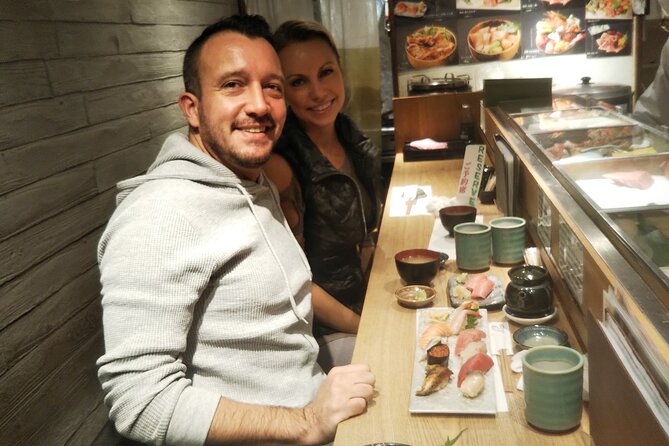
Ryogoku is one of Tokyo’s most specific “Edo culture in one district” experiences, and the short stops you can choose here are effective.
Ryogoku Kokugikan is the sumo stadium area. Your visit is brief, but the payoff is that you are in the center of sumo culture, with nearby stables and chanko restaurants in the broader area. Also, admission is listed as free, which makes it an easy win to include if you want a cultural anchor that feels uniquely Tokyo.
Then you can pair that with Ryogoku Edo Noren, a food spot styled to look like Edo period Japan. The time is typically about 45 minutes, and it’s a good break from museums. Since lunch is not included in the tour, this stop helps you eat in a theme you’re already learning about, instead of hunting for food while your day runs late.
If you like food stops that are more than just convenience, this pairing is one of the better ways to keep an Edo day feeling balanced: culture, then a themed meal setting.
Hokusai and the Great Kanto Earthquake: art plus survival lessons
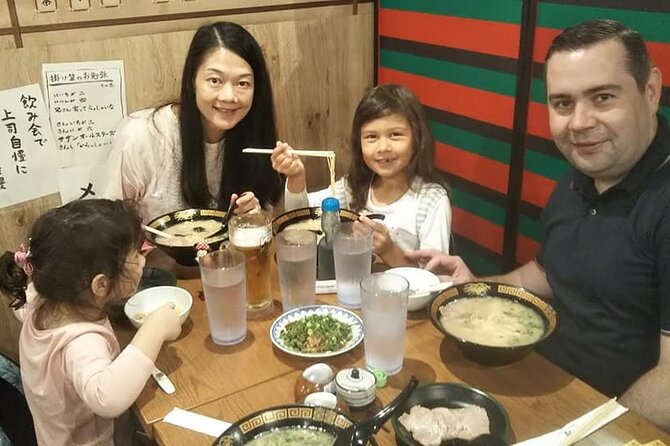
If your interests include art or major historical events, two museum stops fit nicely into a 3 to 4 site selection.
The Sumida Hokusai Museum focuses on Katsushika Hokusai, the ukiyo-e artist most people associate with iconic woodblock prints. Admission is not included, and the visit time is usually around 30 minutes. That short window can still be worthwhile if you want a focused “artist lesson” without turning your day into a museum marathon.
Then there’s the Kanto Earthquake Memorial Museum, which is dedicated to the Great Kanto earthquake and how Tokyo rebuilt afterward. This stop is emotionally heavier than the art option, but it’s also the kind of historical context that makes modern Tokyo feel less random. If you tend to enjoy learning how cities change after disasters, this is a strong pick.
One more practical reason to like these museums: they add structure to your day. Walking Tokyo’s streets is great, but you also need indoor time to rest your feet and reset your thinking, especially if weather is unpredictable.
Edo-Tokyo Open Air and Fukagawa Edo: see Edo as a built place
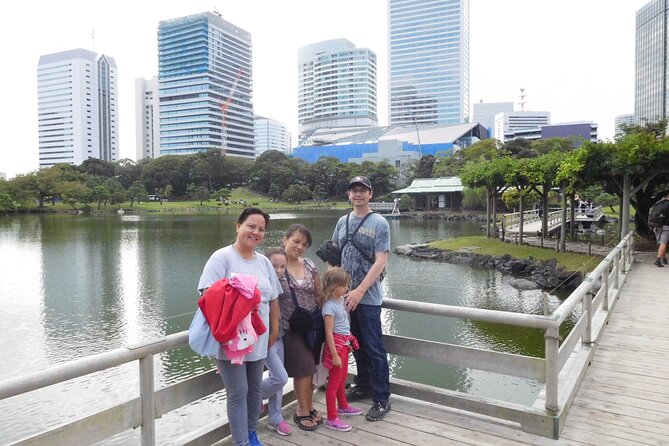
When you want Tokyo history to feel physical, these two options are the best match.
The Edo-Tokyo Open Air Architectural Museum offers an off-the-beaten-path look at Japanese culture with reconstructed architectural settings. It was established in 1993 by the Tokyo Metropolitan Government, and the typical stop time is about 15 minutes if it’s one of your day selections. That short amount of time means you should prioritize: pick the sections you care about most, and use the guide to help you spot what to look for.
Fukagawa Edo Museum is another strong choice because it recreates an entire Edo-era neighborhood, with streets, houses, and shops. It’s described as a recreation rather than a traditional museum display, and the stop time is often about 30 minutes. If you like “walkable history,” this is the stop that can make Edo feel like an actual place you could have lived in.
A smart way to choose between these two: if you want architecture and visual style, lean toward the open-air museum. If you want street-level life and everyday Edo town scenes, choose Fukagawa Edo Museum. You might not be able to fit both in a 6-hour day if you also include sumo and major landmarks, so your customization matters a lot.
Value and cost: is $154.37 worth it for a 6-hour private guide?
At $154.37 per person for about 6 hours, the value comes from one thing: you are buying a licensed guide who can adapt the route to you and keep the day organized. If you tried to do the same combo of sumo culture, bridge geography, and specialized museums on your own, you would lose time figuring out what matters and how to connect it.
The catch is that the big add-ons are not included. Entrance fees, meals, and transportation costs are extra. That’s normal for tours, but it changes the true budget. To avoid surprises, I suggest you estimate admissions for the specific museums you choose and plan on a meal during the day.
Also, the tour is private, so it is a better buy when you are traveling with at least one other person who will use the guide time well. If you are solo, it can still be a good experience, but the value depends more on how much you like guided interpretation.
What makes the price easier to swallow is the guide quality mentioned in the feedback. Guests praise excellent English communication (including Shinji), thoughtful tailoring (Andy), and strong teaching style with architecture focus (Kei-san). That kind of guidance can be worth its weight in saved time.
Should you book this Edo Tokyo & Japanese Culture tour?
Book it if you want Tokyo history explained in a way you can walk through, and you like having a plan flexible enough to match your interests. This tour is especially good if you want a mix of Edo-era landmarks (like Nihonbashi and the Imperial Palace grounds) plus culture stops that feel uniquely Tokyo (sumo at Ryogoku and Hokusai-focused museum time).
Consider skipping or swapping the Imperial Palace start if you expected interior access, because the tour does not include entering the palace. Also plan for walking pace and keep some cash ready for transit.
If you’re deciding right now, my rule is simple: choose the 3 or 4 sites that match your personality, then let the guide handle the connections and the timing.
FAQ
How long is the Edo Tokyo & Japanese Culture Tour?
The tour is about 6 hours.
Is this tour private or shared with other groups?
It is private, and only your group will participate.
How many stops will I visit during the tour?
You can customize the day with 3 to 4 sites from the available options.
Does the tour include entrance fees and lunch?
No. Entrance fees, lunch, and other personal expenses are not included, and transportation fees are extra.
Will I be able to go inside the Imperial Palace?
No. The tour does not include access to the inside of the Imperial Palace.
Is pickup offered?
Pickup is offered on foot, and you meet the guide within a designated area of Tokyo.
Can the tour use public transportation?
Yes. It is primarily a walking tour, but you may take public transport during the day.
Are service animals allowed?
Yes, service animals are allowed.
Can I cancel for a full refund?
Yes. You can cancel up to 24 hours in advance for a full refund.
Fresh options around Tokyo
- Professional Japanese Anime Voice Acting Workshop in Tokyo★ 5.0 · 22 reviews
- Tokyo DisneySea: 1-Day Ticket & Private Transfer★ 4.3 · 22 reviews
- Tokyo: Mount Fuji and Hakone private sightseeing tour★ 4.8 · 23 reviews
- Kid-Friendly Sushi Making Class in Tokyo (English-Led)★ 5.0 · 23 reviews
- Mount Fuji Full Day Private Tour with English Speaking Driver★ 5.0 · 23 reviews
- Small Group Tour Mount Fuji and Lake Kawaguchi from Tokyo★ 5.0 · 23 reviews
- Explore Akihabara The Ultimate Anime & Food Tour Free For Kids★ 5.0 · 23 reviews
- Tokyo : Yanaka and Nezu-Old Traditional Town Cultural Experience★ 5.0 · 23 reviews
Guided, compared.
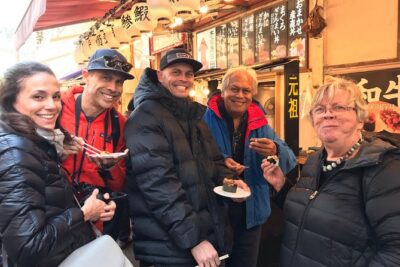
Tokyo 6hr Private Tour with Government-Licensed Guide
Read our review →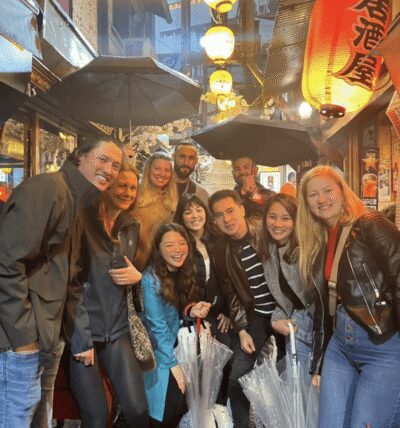
Shinjuku Local Bar and Izakaya Guided Walking Tour
Read our review →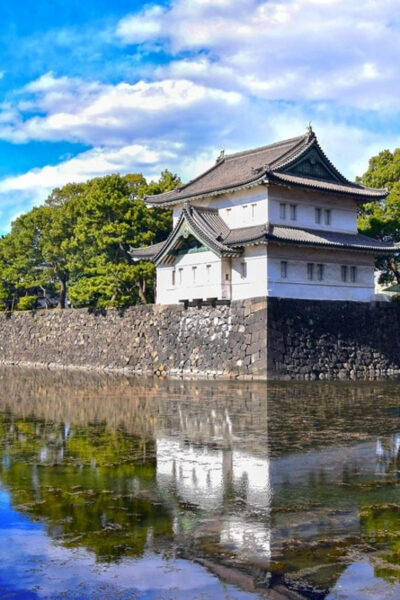
Private City Highlights Tour with Local Guide
Read our review →
Kyoto Early Morning Tour with English-Speaking Guide
Read our review →
Tokyo 4hr Private Tour with Government-Licensed Guide
Read our review →
Kyoto 6hr Private Tour with Government-Licensed Guide
Read our review →