
Reviewed · SUMO EXPERIENCES
the SUMO show
Sumo in Tokyo should be loud and formal. This one is hands-on, with retired wrestlers explaining the sport and then letting you try it yourself. I like the interactive part, and I really like that the meal is made for you by the same people who perform. One thing to consider: the lunch and show run about 1.5 hours, so it moves quickly and the food portion may feel lighter if you’re very hungry.
I’m also a fan of how this experience mixes simple rules and training rituals with real in-ring action. I especially enjoy that you can wear a traditional sumo costume for photos and get a friendly moment with the wrestlers before you go. A possible drawback is visibility, since some seats can put you farther from the ring and you may need to stand to see well.
Key things to know before you go
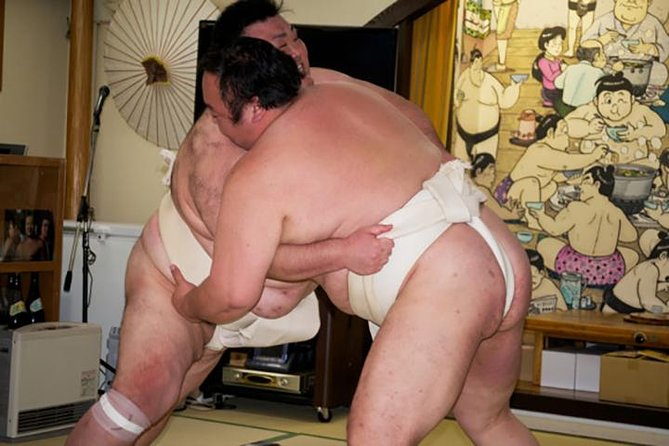
- Retired sumo wrestlers lead it, so you get the sport explained by people who lived it
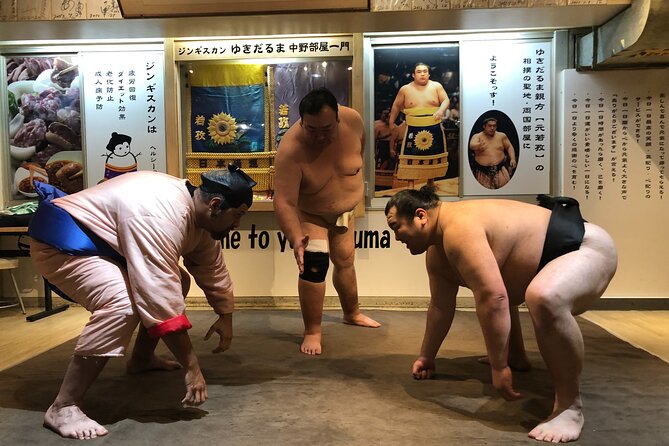
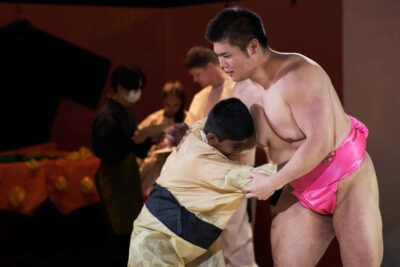
- You can challenge a wrestler for a friendly bout if you’re up for it
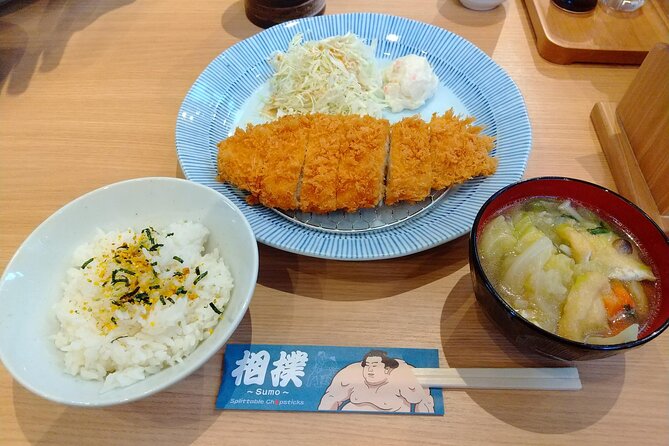
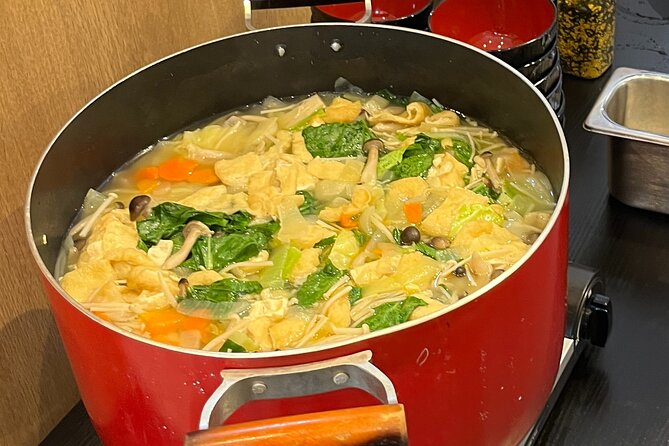
- Tonkatsu and chanko soup lunch is included, and it’s part of the show rhythm
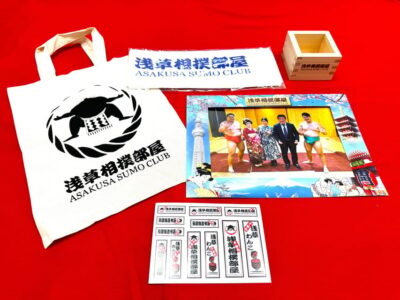
- Photo time is built in, including traditional sumo costume shots
- You might share a table, if the hall needs to fit more groups
- Seating is not first-come free; it’s set by reservation order
Why this sumo show feels more real than a typical performance
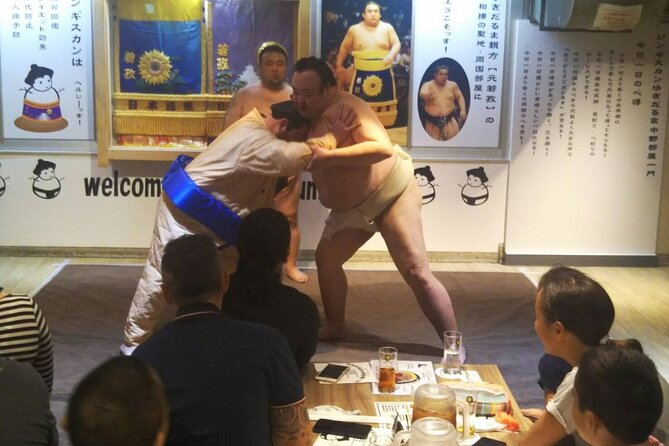
If you want sumo with more personality than a static “watch only” show, this format clicks. Retired wrestlers take the lead, so the explanations have the same tone you’d expect from a long-time training partner, plus the show stays playful instead of stiff.
Two things help right away. First, the sparring demonstration and rule talk come before you’re asked to participate, so you’re not totally lost when the ring action starts. Second, the lunch is part of the experience, not an afterthought. That matters in Tokyo, where a good meal can be the difference between a fun morning and a great one.
The event runs about 1.5 hours, and that’s a sweet spot for most schedules. If you’re planning a full day, it’s easy to plug in around a midday plan.
More sumo experiences in Tokyo:
- Tokyo: Sumo Show Experience with Chicken Hot Pot and a Photo
★ 4.8 · 6,678 reviews - Tokyo: Sumo Show and Dining Experience
★ 4.8 · 2,742 reviews - Tokyo Shinjuku Sumo Show & Experience with Photo
★ 5.0 · 1,750 reviews
The dohyo session: moves, rules, and why sumo is stranger than it looks
Your day starts when you meet your host and the small group. Then the wrestlers bring you through a short intro with a few sumo moves and techniques, along with the basics of sumo history and rules. Some of those rules can sound complicated at first, but you’ll get them in plain language while you can still picture what’s happening on the ring.
Here’s what I’d pay attention to as the explanation happens:
- How wrestlers use balance, grip, and footwork instead of just brute strength
- How the match goals are simple in theory, but tricky in execution
- How training routines and rituals shape daily life in the sport
Even if you don’t plan to compete, this part helps you watch the rest of the show with context. Sumo has a lot of tradition packed into it, and the best way to appreciate it is to understand what makes someone win beyond the obvious “push and fall.”
The friendly bout: how participation really works
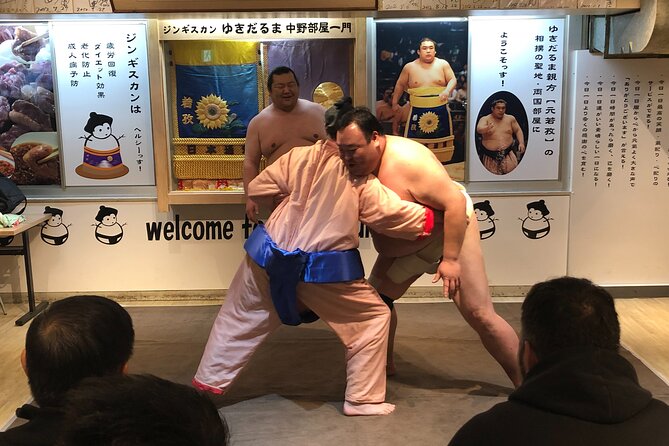
The highlight for many people is the moment they step up to challenge a retired wrestler. If you’re feeling brave, you’ll get instructions and a quick setup, then you can test your muscle (and your balance) against someone who has done this for real.
A few practical thoughts before you raise your hand:
- Don’t treat it like a contest of strength. Sumo style is about leverage and timing.
- Listen closely to staff instructions. Following the rules is part of being safe and keeping the show flowing.
- If you’re nervous, that’s normal. The tone is meant to be friendly, and the wrestlers handle the moment with humor.
This is also where you get the most “I can’t believe this is happening” memories. It’s the kind of activity that turns a normal culture stop into a story you’ll tell for years.
Photos and the sumo costume: the fun part you’ll want to actually plan for
You don’t just watch people. You get time for photos with the wrestlers, plus the chance to wear a traditional sumo costume for pictures. This is a big reason the show scores so highly for families and first-time visitors.
If you want the best photo results, do one simple thing: relax your shoulders and stand in a stable stance before your turn. A small movement can make your photo look awkward, and you’ll be surprised how fast the queue goes.
Also, ask the staff when your photo slot is. The show pace is efficient, so you don’t want to spend the whole hour thinking about when you’ll get your pictures.
A few more Tokyo days worth comparing
- Mt Fuji and Hakone 1-Day Bus Tour Return by Bullet Train
★ 5.0 · 26,383 reviews - 1-Day Tokyo Bus Tour
★ 5.0 · 14,250 reviews - Tokyo: TOKYO SKYTREE® Admission ticket
★ 4.5 · 11,192 reviews - Tokyo: teamLab Planets TOKYO Digital Art Museum Entry Ticket
★ 4.6 · 9,779 reviews
Lunch like a sumo: tonkatsu and chanko soup, served as part of the story
The food is tonkatsu and chanko soup, included in your ticket. And yes, the wrestlers prepare it for you, which is a big part of the value. This isn’t a random restaurant deal attached to a show. It’s integrated into the experience, so you’re eating in the same spirit and atmosphere as the sumo session.
What to expect from the meal:
- A satisfying tonkatsu lunch
- Chanko soup, which is strongly associated with sumo eating habits
- Time to refuel without rushing out immediately afterward
A small caution. Chanko soup is part of the experience, but it may not be a massive bowl depending on how your session runs. If you’re the type who usually gets seconds, go in with that in mind. Drinks are not included, so plan to buy water or something else on site if you need it.
One nice bonus that shows up in past feedback is a possible sweet treat like ice cream. It’s not guaranteed in the basic description, but it’s worth being pleasantly ready for it.
Where you meet, how to plan your timing, and what the neighborhood means
This takes place in Tokyo’s Sumida City. You meet at Yokozuna Tonkatsu / Sumo lunch, at 3-chōme-1-11 Tatekawa, Sumida City, Tokyo 130-0023. The start time is 1:00 pm, and the activity ends back at the meeting point.
A few practical planning tips:
- Build in a little buffer before 1:00 pm. Once the group gets seated and the session begins, it’s hard to catch up.
- Use public transit, since the location is noted as being near transportation options.
- If you’re aiming for photos and participation, arrive with enough time to settle in and not feel rushed.
The day stays compact. That’s good when you’re juggling other Tokyo sights. You get a lot of culture and hands-on fun without losing half your afternoon to commuting.
Seating, tables, and the one visibility trade-off
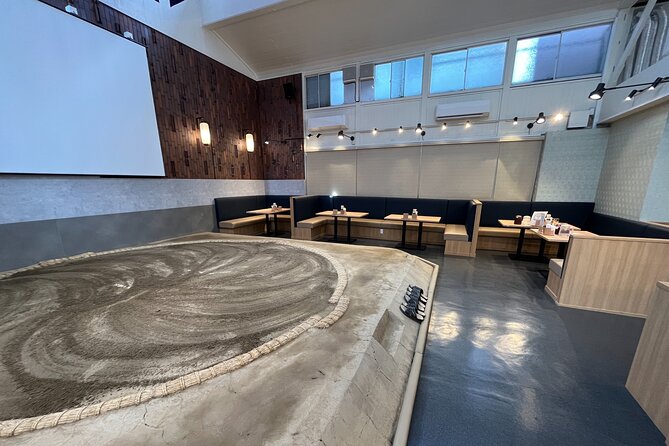
The hall setup can affect how comfortable your viewing experience feels. You may be asked to share a table with another group, which the organizers do to fit everyone efficiently. Seating arrangements are also determined by reservation order, not by simply arriving early.
Here’s the reality: some tables can be farther from the ring, so you may need to stand at times to see the dohyo area clearly. It’s not a dealbreaker, but it is worth factoring in if you’re bringing kids, older family members, or anyone who hates standing for long periods.
If you care about sightlines, arrive with a calm plan, take your best seat when you’re directed, and don’t be afraid to stand when the wrestlers shift into their key moments.
Price and value: what $89.54 buys you in real terms
At $89.54 per person, you’re paying for an hour-and-a-half of instruction, performance, participation time, and a full lunch. That combination is the core value.
Why the math tends to work:
- The meal is included, so you’re not adding a separate restaurant bill for tonkatsu and chanko soup
- The “teacher” factor is real, since retired wrestlers guide you and prepare the food
- The activity includes interaction, photos, and a chance to participate, not just passive viewing
The biggest “value risk” is expecting a long, deep, academic lecture. This is more like an energized cultural sports session with clear basics, then action. If that’s what you want, it’s strong value. If you’re only interested in watching a traditional match with no participation or light training, you might feel the time is short.
Who this sumo experience is perfect for
This show is a great match if:
- You want a fun, easy cultural activity that doesn’t require Japanese language skills
- You like hands-on experiences, even if you’re not an athlete
- You’re traveling with kids. The format is family-friendly, and the crowd participation tends to keep it light and memorable
- You want a sumo intro that helps you understand what you’re seeing
It’s also a good choice for solo visitors who like structured activities. You’ll be grouped, guided, and fed, so you’re not stuck trying to figure everything out on your own.
If you’re the type who gets bored by short shows, look at this differently. The participation angle and the meal integration are what keep the time feeling full.
Small practical tips that make the day smoother
A few habits help you enjoy the show more and keep everything moving:
- Think about your comfort level with participation. You can likely engage more or less, but if you want the bout, tell yourself to commit.
- Wear comfortable clothing and keep your shoes easy to manage. You’ll spend time standing for photos and demonstrations.
- If you have dietary restrictions, add them when you reserve. The description notes that vegetarian and dietary accommodations are available upon request, but requests submitted less than 5 days before the event may not be handled.
And bring the right mindset. This isn’t about perfect technique. It’s about understanding sumo in a playful, friendly way, then trying it once.
Should you book this SUMO show?
Book it if you want an energetic, hands-on sumo experience that includes a real lunch and time for photos, guided by retired wrestlers. The price feels fair for the combination of instruction, participation, and tonkatsu plus chanko soup.
Skip it or consider alternatives if you hate standing for visibility issues or you’re looking for a long, highly detailed training-style seminar. Also, if you’re very sensitive to audio or presentations, be aware that some people find it hard to hear during certain segments, so staying attentive and asking questions when you can helps.
If your goal is a memorable Tokyo experience that feels authentic, funny, and genuinely interactive, this is one of the easiest “yes” calls.
FAQ
What is the duration of the sumo show?
The demo, including the meal, is listed as about 1.5 hours.
What is included in the price?
You get instruction and interaction with retired sumo wrestlers, plus lunch featuring tonkatsu and chanko soup.
Are drinks included with lunch?
No. Drinks are not included.
Where is the meeting point for the experience?
The start point is Yokozuna Tonkatsu / Sumo lunch, 3-chōme-1-11 Tatekawa, Sumida City, Tokyo 130-0023, Japan.
What time does the experience start?
The listed start time is 1:00 pm.
Can I participate in a bout or wrestling challenge?
If you’re feeling brave, you can challenge a wrestler for a friendly bout. You must follow staff instructions.
Is vegetarian or special dietary food available?
Vegetarian and other dietary accommodations are available upon request. You should indicate dietary restrictions or allergies in the special notes when reserving.
How close is the meeting location to public transportation?
The meeting point is described as being near public transportation.
How big is the group?
The experience has a maximum of 60 travelers.
Can I cancel for a full refund?
Yes, you can cancel up to 24 hours in advance of the experience start time for a full refund. Cancellation less than 24 hours before start time is not refunded.
Fresh options around Tokyo
- Tokyo: Nagano Snow Monkeys and Zenkoji Tour with Temples★ 4.9 · 19 reviews
- Yokohama Port: Private Customizable Tour with Transfer★ 5.0 · 19 reviews
- Explore Unique Tokyo Streets / Learn with a Pro Photographer★ 5.0 · 19 reviews
- Sushi Making with Interactive Samurai Experience at JIN-ASAKUSA★ 5.0 · 19 reviews
- DAIKOKU excursion by car DRIFT automobile encounter★ 4.5 · 19 reviews
- Official Street Go Kart Tour Akihabara 2nd★ 5.0 · 19 reviews
- Cosplay Experience with Professional Makeup and Photo Shoot!★ 5.0 · 19 reviews
- Tokyo: Name Seal & Pouch or Tote Bag Making Experience★ 4.5 · 19 reviews
Sumo Experiences, compared.
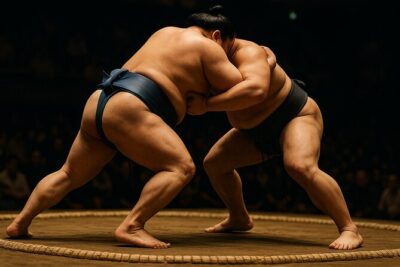
Sumo Show Experience with Chicken Hot Pot and a Photo
Read our review →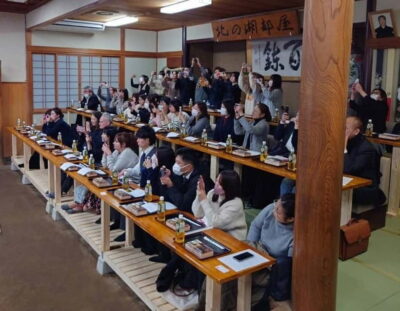
Tokyo Shinjuku Sumo Show & Experience with Photo
Read our review →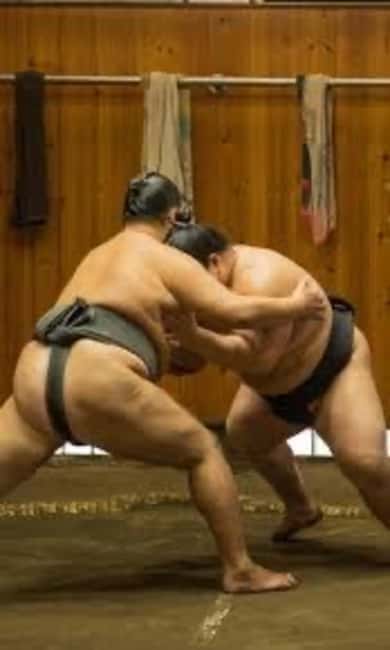
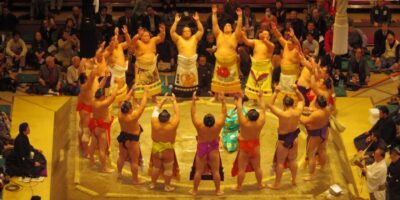
Sumo Show & Experience w/ Optional Kimono & Hot Pot
Read our review →
Authentic Sumo Experience in Tokyo: Enter the Sanctuary
Read our review →
Luxury Sumo Show Experience & Japanese cuisine & Drink
Read our review →Browse the lists this tour appears in