
Reviewed · SAMURAI & NINJA EXPERIENCES
Ninja Lesson in Tokyo – 1 Hour Hands-On with Japanese Master
Ninja training in Tokyo feels surprisingly real. This one-hour hands-on class is built for small groups, so you get real coaching in Japanese ninja arts in English. You’ll watch a short introduction, then step into an authentic uniform, learn meditation basics called Kuji-In, and take photos in full ninja gear for your trip keepsakes.
My favorite part is how practical it feels, not just a show. You practice shuriken (ninja stars) and blow darts with guidance, and you can ask questions while you’re in the action. The one thing to watch is time, one-hour classes can feel tight, and sword work may not be as heavy as you’d expect depending on the flow.
Key highlights at a glance
- Small group size (up to 6) for more attention
- English instruction from a Japanese sensei master
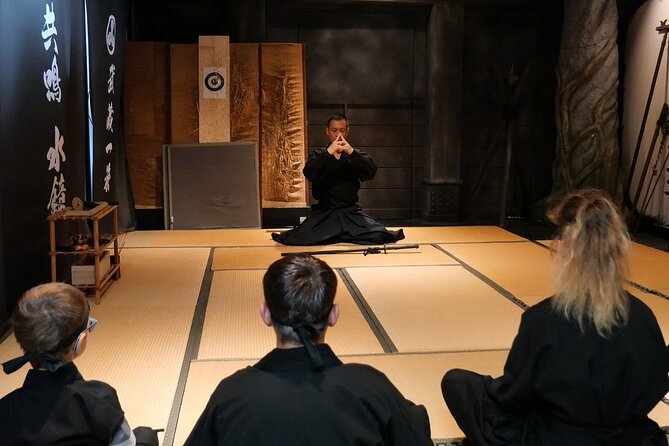
- Kuji-In meditation intro before weapon training
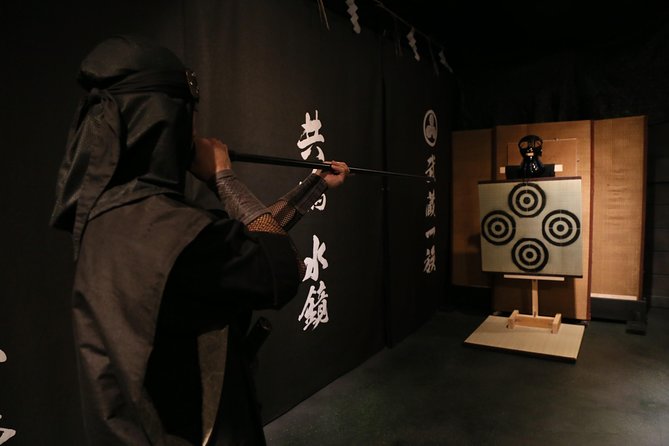
- Hands-on shuriken and blowgun training with safe technique
- Ninja clothes rental plus photo time in costume
- Mobile ticket and you return to the meeting point after the lesson
How This One-Hour Ninja Lesson Works in Tokyo
This is a straightforward, action-first lesson designed for visitors who want something different from the usual museum or food tour. The whole setup is built around learning safe forms and basic combat discipline, with plenty of guidance so you do not just stand around. Since it is a small class, you get more face time with the instructor instead of rotating through a quick demo.
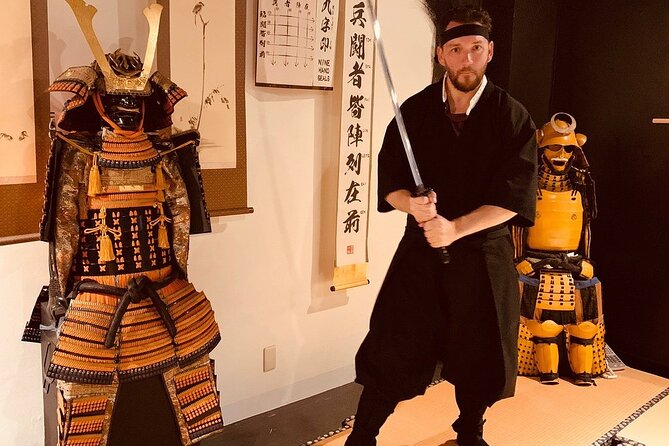
You start at NINJA SAMURAI TOKYO in Shiomi, Koto City, and you keep the pacing of a real training session. After you check in, you get your rental ninja outfit and get briefed before any weapon practice begins. Then the class moves in stages: meditation and mindset, introduction to ninja tools, demonstration, and hands-on training.
One useful thing to know: the session is labeled as 1 hour, which means you should plan your expectations around fundamentals and technique. You will learn a set of skills and movements, but it is not an all-day intensive. If you like the idea of going deeper into every weapon, you may prefer a longer class on a day you have extra time.
More Samurai & Ninja Experiences in Tokyo
- Tokyo: Samurai Restaurant Show Ticket with 2 Drinks
★ 4.5 · 1,307 reviews - Tokyo: Samurai Ninja Museum Guided tour and Experience
★ 4.6 · 1,010 reviews - Tokyo: Samurai Sword & Archery Class from Samurai Descendant
★ 5.0 · 603 reviews
Start at NINJA SAMURAI TOKYO, Shiomi, and Plan Your 4:00 pm Timing
The meeting point is NINJA SAMURAI TOKYO, 2-chōme 39 Bayfrere Shiomi, EAST 4階, Tokyo 135-0052 (Shiomi, Koto City). Your tour starts at 4:00 pm and ends back at the same meeting spot. That makes timing easy to pair with dinner plans afterward, especially if you are staying in or near central Tokyo.
Because it starts mid-afternoon, it can work well after a sightseeing morning or an early lunch. Just remember you will be moving in costume and doing training, so do not schedule this right after something that leaves you exhausted. Also, bottled water is not included, so have a plan to grab something nearby or bring your own if you like.
Another small practical point that helps: this activity is near public transportation. That matters because Shiomi can be a little out of the busiest tourist loops, so having a transit-friendly meeting point keeps your day from turning into a logistics puzzle.
Getting Dressed: Ninja Uniform, Fit, and Photo Time
Right away, the experience shifts from Tokyo street life to training mode. You dress in the provided ninja clothes rental, which is part of the fun and part of the practicality. Costumes are not just for looks here. They help you feel the right posture and movement for the lesson.
You also get time for photos in your gear. That is the kind of souvenir that actually feels like you did something, not like you just bought a postcard. The class is geared toward groups, couples, and solo travelers, and the costume moment tends to be the part people remember when they try to explain the day later.
A tip from past participants that you should take seriously: bring workout clothes to wear under the ninja outfit. The outfit is part costume, part training wear, and being comfortable underneath helps you focus on technique. If you are wearing layers that restrict movement, you will feel it more here than in a standard walking tour.
Kuji-In Meditation: The Mindset Part You Actually Use
Before weapons show up, you learn the mental side of training through a ninja meditation introduction called Kuji-In. This is not presented like a vague spirituality talk. It is used as a practical warm-up that ties into discipline, breathing, and calm control.
I like this part because it makes the rest of the class feel more grounded. Instead of thinking, What am I supposed to do with this star or dart?, you get a simple structure for how to hold yourself, focus, and move with intention. It also gives you a reason to pay attention even when you are not swinging anything yet.
Even if you are not naturally “meditation” inclined, you can still treat this as a technique lesson. Think of it as training your body to react and concentrate. That mindset pays off when you move into the weapon stations.
More samurai and ninja experiences in Tokyo:
- Best Samurai Experience in Tokyo
★ 5.0 · 458 reviews - Ninja Experience (Family Friendly) at Samurai Ninja Museum TOKYO
★ 5.0 · 441 reviews - Tokyo: Samurai Entertainment Night Show in Kanda Shrine
★ 4.6 · 417 reviews - Tokyo Sword Experience – includes Museum Ticket/Ninja Experience
★ 5.0 · 314 reviews
Ninja Tools and the Trick House Introduction
After the meditation intro, the class transitions into ninja equipment and tools. You get an introduction to the tools used in ninja training, and there is also an introduction gimmick at a ninja trick house. The exact format of the trick house piece can vary with the class flow, but the purpose is consistent: it helps you understand how training builds skills step by step, not all at once.
This part is often where first-time visitors relax. It breaks the tension of “I do not know what I’m doing.” You get guided exposure, and you can ask questions while you are still in an easy, non-intimidating stage.
Since your group is capped at six travelers, you are not fighting for a turn or waiting too long between instructions. That matters most during the earlier parts, when the group is learning the rules and handling basics.
Sword, Shuriken, and Blow Darts: The Hands-On Training Flow
The class follows a clear rhythm. You start with a demonstration, then you practice. The emphasis is on proper technique and safe handling, which is exactly what you want when you are working with anything sharp or projectile-based.
Shuriken (Ninja Star) training
Shuriken practice is a highlight because it feels instantly fun. You learn how to throw with control and aim, and you get guidance on the mechanics instead of just “try again.” One of the joys here is that you do not need to be an athlete. You need focus and correct form.
Past participants also noted the fun of aiming from a distance to the target. That detail makes the practice feel more like training, not like you are accidentally doing random arm movements.
Ninja blowgun and blow dart training
Blow darts add a different kind of challenge. Instead of arm throwing, you control breath and pressure. It is a great change of pace after shuriken, because your brain has to switch from timing and release to steadiness and aiming.
You also get feedback during the process. That helps you avoid common mistakes like uneven breath control or rushing the shot. And because it is guided, you can stay safe while still feeling like you are doing real training.
Sword training
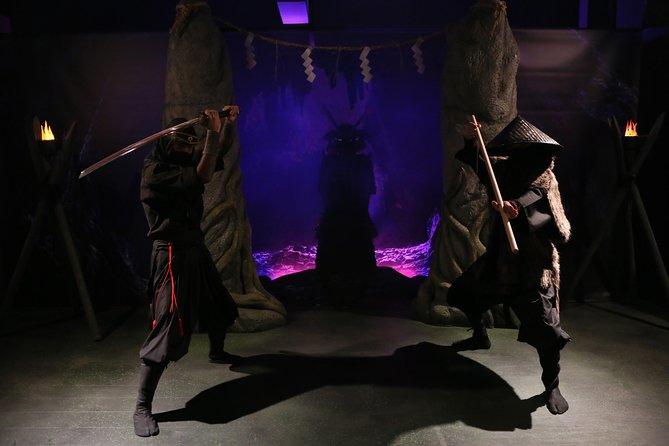
Sword practice is part of the overall program, but here is the practical consideration. A one-hour session can feel like it allocates more time to certain weapons than others, and sword work may not be as deep as you hope for depending on how the lesson is paced. That is the main reason you might consider booking a longer format if you are specifically chasing sword technique.
Still, even if sword time feels shorter, you benefit from seeing and training the basics in a structured way, which is more valuable than watching from the sidelines.
English Instruction and How Much You Can Ask
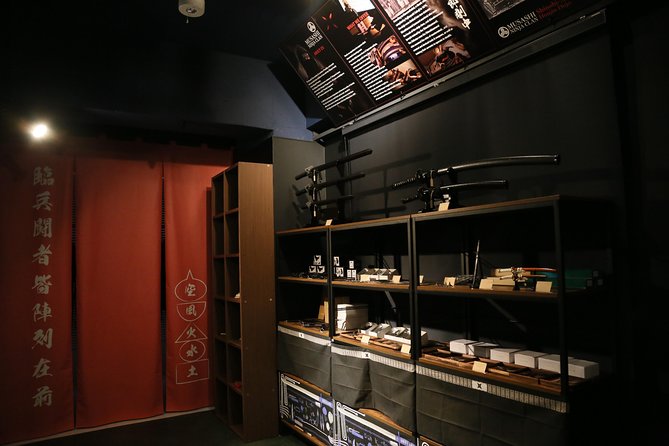
The class is taught in English by a Japanese sensei master. In practice, English quality can vary in any hands-on activity, but this is designed to be understandable for non-Japanese speakers. You get enough explanation to follow the steps, and you also have time to ask questions.
What you want from an instructor is patience, and that shows up in the way the session is structured. With a small group, the instructor can keep track of everyone’s technique and adjust as needed. That is especially useful if you are traveling with kids or you are worried you will be the only beginner.
If you are bringing a family, this is one reason it can work well. The class is active but not chaotic, and kids can see progress quickly because the instructor can correct technique directly.
Group Size, Who This Suits, and Who Might Skip It
This experience caps at maximum 6 travelers, which is the sweet spot for personalized instruction. Couples and friends like it because you can do activities together without the “wait your turn forever” feeling. Solo travelers like it because you are not one person in a crowd, you are part of a small training circle.
It also suits families, and especially kids who enjoy playful challenges. One hour is a good test of interest, because it gives you enough time to learn the vibe and try real skills. For kids who are 6 to 8, this kind of hands-on focus often lands well, especially when they get time to dress up and practice.
The main audience fit issue is expectations. If you want a long, deep, multi-weapon combat course, one hour may feel short. If you want a fun, guided starter lesson with real photos and authentic training elements, it is a great fit.
Price and Value: Is $82.56 Worth It?
At $82.56 per person for about an hour, it is not a budget activity. But it can still feel like good value because you are paying for instructor-led, hands-on training, not a passive experience.
Here is what you are getting for the price, based on what is included:
- Learn ninja arts in English from a Japanese sensei master
- Ninja clothes rental during training
- Admission fee
You are also getting equipment time and guided practice for weapons like shuriken and blow darts, plus a sword segment as part of the broader lesson flow. The small group size is part of the value too. In larger group settings, you might spend more time watching and less time doing. Here, you are more likely to get coached while you practice.
The trade-off is simple: one hour limits how much you can master. So the best value comes if you treat it as a “try real ninja training” experience and not as a full training certification.
What to Bring (and What the Session Does Not Provide)
This tour includes clothes rental, but it does not include bottled water. So plan to hydrate before and after. Since the activity starts at 4:00 pm, it is easy to grab something nearby, but it is still smart to plan ahead rather than assume vending machines are right outside.
Also, wear workout-friendly layers under your rental outfit. The costume is part of the experience, but you will be doing physical movements, throwing practice, and breath-controlled blow darts. Comfort helps you stay focused and enjoy the class.
For shoes, the lesson details do not spell out requirements here. So I recommend wearing footwear you are already comfortable training in, and being ready to adjust once you arrive.
Weather and Timing: The Real-World Stuff
This experience requires good weather. If it gets canceled due to poor weather, you are offered a different date or a full refund. It is a small but important factor, especially if your Tokyo itinerary includes other outdoor plans.
If you are booking, do not schedule it as your only option for that exact afternoon. Give yourself a little flexibility, and you will feel less stress if Tokyo decides to rain.
Should You Book This Ninja Lesson in Tokyo?
Book it if you want hands-on, English-guided ninja training with authentic-feeling structure, small group attention, and real moments like dressing in costume and practicing weapons. It is also a strong pick for families and kids who get excited by do-something activities, not just watching.
Consider skipping or upgrading to a longer session if sword training is your top priority and you are very focused on getting lots of time with it. For a first taste, one hour works. For deeper specialization, more time helps.
If you are the kind of traveler who likes your souvenirs to come from doing, not buying, this class hits that goal in a very Tokyo way.
FAQ
How long is the ninja lesson?
The experience is about 1 hour.
Where does the ninja lesson start?
The meeting point is NINJA SAMURAI TOKYO, 2-chōme 39 Bayfrere Shiomi, EAST 4階, Tokyo 135-0052. The lesson starts at 4:00 pm and ends back at the meeting point.
How many people are in the class?
The activity has a maximum of 6 travelers.
What weapons and skills are included?
You’ll have training that includes ninja sword, shuriken (ninja star), and ninja blowgun (blow darts), plus introductions to ninja weapons and tools. The lesson also includes an introduction gimmick at a ninja trick house and a ninja meditation called Kuji-In.
What is included in the price?
Included are learning ninja arts in English from a Japanese sensei master, ninja clothes rental during training, and the admission fee.
Is bottled water provided, and what should I wear?
Bottled water is not included. A helpful tip is to wear workout clothes underneath your ninja outfit so you can move comfortably during training.
Fresh options around Tokyo
- Tokyo: Nikko Kegon Falls Lake Chuzenji Toshogu Temple & More★ 4.9 · 12 reviews
- Tokyo: Samurai History Walking Tour★ 5.0 · 12 reviews
- Harajuku: Kawaii Fashion and Pop-Culture Tour★ 4.7 · 12 reviews
- Tokyo: Mt. Fuji & Lake Kawaguchi Instagram Full Day Trip★ 4.1 · 12 reviews
- Shibuya Tokyo: Modern Kintsugi Workshop in Shibuya★ 5.0 · 12 reviews
- Tokyo: GTR Guided Daikoku Experience at Night★ 5.0 · 12 reviews
- Tokyo: Daikoku JDM Car Culture Tour★ 4.6 · 12 reviews
- Mt Fuji Private Day Trip from Tokyo with English speaking driver★ 5.0 · 13 reviews
Samurai & Ninja Experiences, compared.
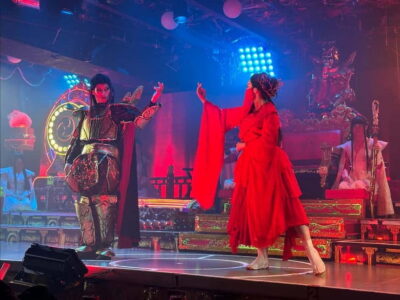
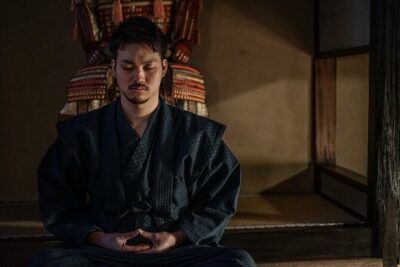
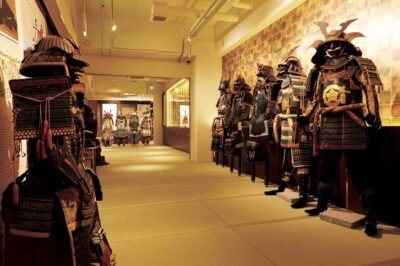
Samurai Ninja Museum Guided tour and Experience
Read our review →
Kendo and Samurai Experience with Uniform and Gear
Read our review →
Samurai Sword Class by Experts in Traditional Arts
Read our review →
Skip the lines Basic Ticket at SAMURAI NINJA MUSEUM KYOTO
Read our review →
Samurai Sword & Archery Class from Samurai Descendant
Read our review →
Browse the lists this tour appears in