
Reviewed · TRAIN EXPERIENCES
Mt. Fuji and Hakone Day Trip From Tokyo with Bullet Train Option
Mt. Fuji and sulfur steam in the same schedule. I like this day trip because it strings together Mt. Fuji, Owakudani, and Lake Ashi without you juggling trains, and because the tour includes the big set pieces like the Hakone Ropeway and the lake cruise. One drawback to expect: the day can feel long on a coach, and if weather or lines slow things down, your time at each stop may tighten.
I also like that you get a real pick between return styles, bullet train from Odawara or coach back to Shinjuku, which changes how you feel after a full day of sights. The group stays fairly small for this kind of tour, up to 45 people, and the guide keeps the flow moving, with English commentary and lots of practical reminders (names you may hear in guides include Happy, Ai, Kenji-san, Ken, and Yuka). Still, you should plan to be flexible since the Mt. Fuji 5th Station road can close, and some rides can swap to alternatives.
Key things I’d want you to know before you go
- Shinjuku meeting is easy to spot, at the Robert Indiana Sculpture LOVE, and it’s a big advantage for first-time visitors.
- Your coach has free Wi-Fi, which helps when you’re crossing the countryside for hours.
- The Mt. Fuji stop is time-limited, and the tour may switch to Fujisan World Heritage Center or Fuji 1st to 4th Stations if the 5th Station route is blocked.
- You’ll see Hakone’s volcanic energy at Owakudani, then ride the Hakone Ropeway.
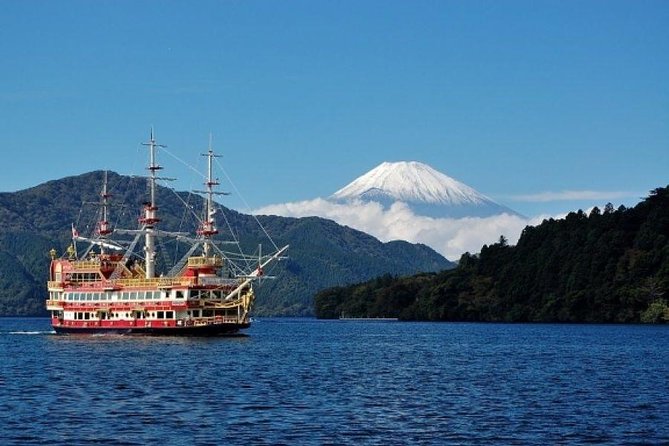
- The Lake Ashi cruise is pirate-themed, and Mt. Fuji views depend on clear weather.
- For the bullet train option, your “fast return” includes a key catch: the guide does not ride, and you navigate the transfer instructions yourself.
Starting in Shinjuku at the LOVE sculpture, then settling into the ride
Most people underestimate how much stress a day trip can save you, and that starts before you even reach the mountains. You meet in central Shinjuku, at the Robert Indiana Sculpture LOVE (6-chōme-5-1 Nishishinjuku). That location is specific enough that you can get oriented fast, especially compared with meeting points that are spread across neighborhoods.
The tour departs at 8:30 am, and it is strict about timing. If you’re late, you likely cannot join midway because the schedule constraints are tight. During the drive, you use the air-conditioned coach and the free Wi-Fi, which turns the long early portion into something more tolerable. You’ll also want to wear shoes that can handle walking that comes in small chunks throughout the day.
One practical rule: Japan requires a seat belt on the bus, and you should plan to keep it on. Also, the day runs rain or shine, and the operator says it departs regardless of weather or traffic unless you’re notified otherwise.
More Mt Fuji tours from Tokyo:
- Mt Fuji and Hakone 1-Day Bus Tour Return by Bullet Train
★ 5.0 · 26,383 reviews - Mt Fuji & Hakone Cruise, Drum Show Bullet Train 1 Day from Tokyo
★ 4.0 · 7,413 reviews - Tokyo Mt Fuji 5th St & Hakone Cruise Bus Tour w/Bullet Train
★ 4.4 · 5,024 reviews
Mt. Fuji 5th Station: what you’re really getting (and what can change)
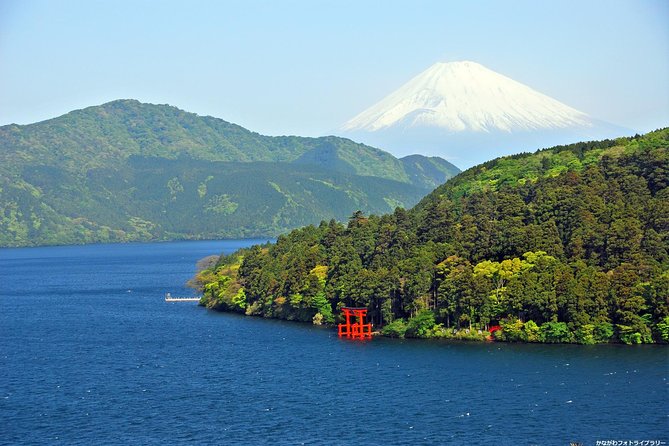
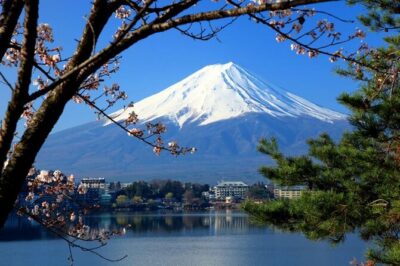
The headline stop is Mt. Fuji 5th Station. The time you spend there is about 30 minutes, so you should treat it like a scenic break plus a chance for photos, not a long hike day. Even with limited time, this is usually where you get your first real sense of scale: panoramic views when visibility cooperates, and a “sacred ambiance” that makes the place feel more than just a viewpoint.
Here’s the honest part. The tour data makes it clear that the road to 5th Station can close due to weather or conditions. If that happens, the tour visits the highest station possible, and if the 5th Station route cannot be reached, the itinerary may pivot to Fujisan World Heritage Center or sightseeing at Fuji 1st to 4th Stations. That means you’re not only buying a view of Mt. Fuji, you’re buying an organized plan that still gets you to a meaningful Fuji-related spot even when 5th Station is off-limits.
If fog rolls in, visibility can drop hard. Mt. Fuji visibility is not guaranteed, and the tour does not cancel or refund on weather-based disappointment. That’s the biggest “consideration” for anyone booking with the expectation of a perfect summit silhouette.
A real-life timing note from the overall experience style: in some cases, the Fuji portion can feel brief. So if you care a lot about time at Fuji itself, you should go in with flexibility and a willingness to savor the quick moments.
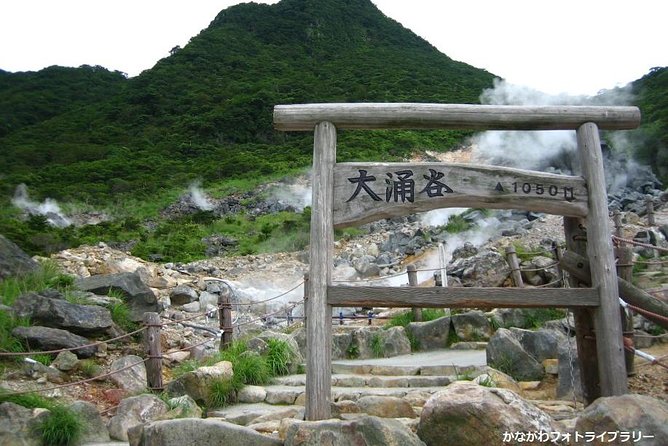
Owakudani volcanic valley: sulfur vents, steam, and strong guide storytelling
After Fuji, you head into Hakone’s volcanic heart at Owakudani Valley. This stop is around 30 minutes, and it’s built for sensory impact: sulfuric vapors, fumaroles, and the feeling that the ground is still alive. The tour guide explains the volcanic landscape before you move on, and that kind of on-the-bus context matters here, because Owakudani can look like “just steam” if you don’t know what you’re seeing.
You’ll also notice that this portion of the day is where the atmosphere shifts. You move from the high-altitude wonder of Fuji to the geothermal drama of Hakone. It’s a good contrast, and it helps the tour feel like more than repeating scenic viewpoints.
From a practical standpoint, bring patience for small waits and pedestrian flow. Hakone’s popular spots can get crowded, and Owakudani is usually high on the list.
Hakone Ropeway from Owakudani to Togendai: one of the most scenic segments
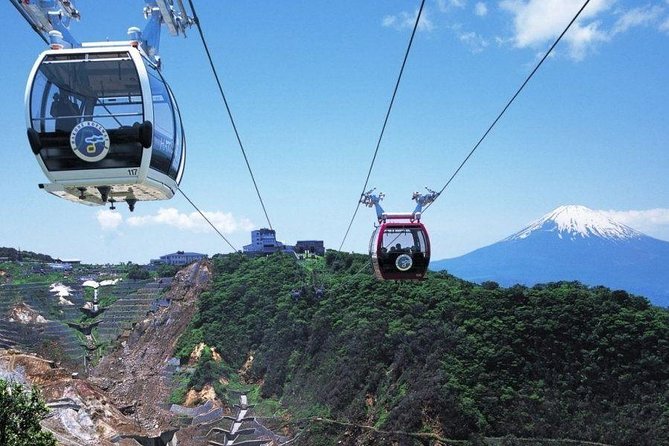
Next up is the Hakone Ropeway, running from Owakudani to Togendai (with a ride time of about 25 minutes). This is one of the better parts of the day because the views are active. You’re not standing still for long; you’re moving above the volcanic area, and you get the chance to see vents and dramatic terrain from a different angle than you get on the ground.
This ride is included in the tour, and in clear conditions it can feel like a “reset button” for your camera roll. If conditions or operations disrupt things, the tour notes that there can be alternative ropeway routes or substitutions. So if you hit delays, remember that the tour is designed not to shut down entirely.
A few more Tokyo days worth comparing
- 1-Day Tokyo Bus Tour
★ 5.0 · 14,250 reviews - Tokyo: TOKYO SKYTREE® Admission ticket
★ 4.5 · 11,192 reviews - Tokyo: teamLab Planets TOKYO Digital Art Museum Entry Ticket
★ 4.6 · 9,779 reviews - Tokyo: Sumo Show Experience with Chicken Hot Pot and a Photo
★ 4.8 · 6,678 reviews
Lake Ashi cruise from Togendai area: Mt. Fuji views are the bonus
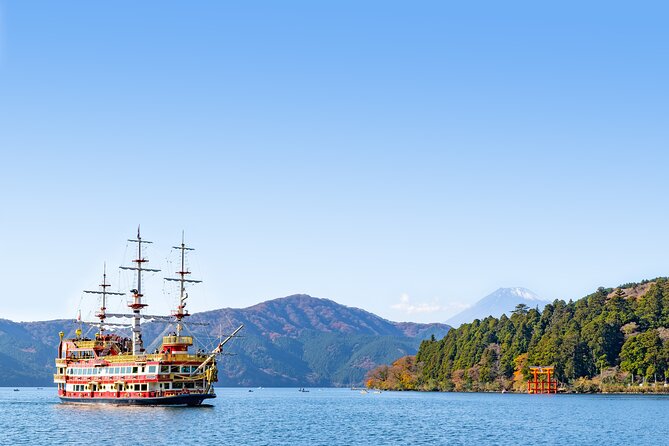
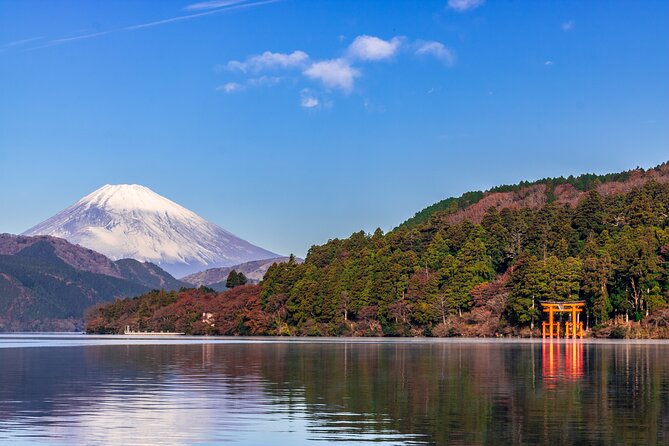
Then you get to Lake Ashinoko, with a cruise that lasts about 30 minutes. The tour describes it as a pirate-themed pleasure cruise, which is fun even if you’re traveling as an adult. The cruise also can deliver one of the day trip’s best photo moments: if it’s clear, you can spot Mt. Fuji peeking from behind the hills.
Wind can be a factor, and there is a clear note that the pirate ship may be canceled depending on circumstances. If that happens, you’ll be redirected for sightseeing at Hakone Machi. If the boat is operating, this segment is a strong “Hakone identity” experience. It’s scenic in a slower, more restful way than the ropeway.
One more timing reality: if you arrive during busier periods, your time on each ride can be affected by how fast lines move. Some people found the ropeway system required changes and that created long standing time. That’s not unique to this operator, it’s just how popular these nodes can be on a single-day loop.
Lunch with the +Lunch option: convenient, but check your expectations
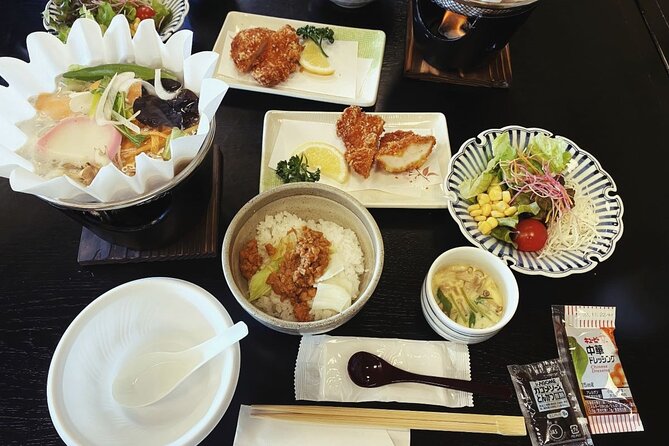
Lunch is available as an option, described as a Japanese-style meal, included when you choose +Lunch. That matters because otherwise you’re responsible for finding food on a tight schedule, and the tour specifically suggests that if you skip lunch, you prepare something before departure since lunch places may not be available.
In how the day is structured, lunch tends to be a buffer that keeps the tour moving. Many participants describe the lunch as good or decent. But there are also outlier comments about lunch quality in some settings, including one unhappy experience. So for balance, treat lunch as a practical included meal, not a culinary highlight you’re traveling across Japan for.
If you have gluten-free needs, note this explicitly: gluten-free meals are not provided, though the operator says it can accommodate most allergy requests. Alcohol is not included.
Return to Tokyo: Shinkansen from Odawara vs. coach back to Shinjuku
This is where the tour’s “value math” really changes. Your options affect how tired you feel at the end.
Bullet train option: faster finish, more self-navigation
If you pick bullet train return, the tour splits you at Odawara Station Tourist Information Center. The idea is to save time, and the tour provides a non-reserved seat ticket from Odawara to Tokyo. The data says there are about two trains per hour on average, so missing one train still usually means you can take another.
Two key practical points:
- If you miss your bullet train after disembarking at Odawara due to delay, there is no refund, and you should take the next train in the non-reserved section.
- The tour guide will not board the Shinkansen from Odawara to Tokyo for operation reasons. They will notify you how to get back to your hotel from Tokyo Station before boarding.
So you’re buying speed, but not a fully escorted return through the final metro steps. One helpful caution from the experience style of the tour: stations are huge, and signage can be confusing. Plan extra time and keep your transfer plan simple.
Coach option: simpler, but you’ll ride longer
If you return by coach, the day ends back in Shinjuku around 19:30, sometimes later depending on traffic. The tour data says you’ll end near Mode Gakuen Cocoon Tower and return to the Shinjuku West Exit area.
This option keeps you with the group and usually feels less stressful on the last mile, but you will spend more time on the road after a long day.
Long day reality check: timing pressure and bus time
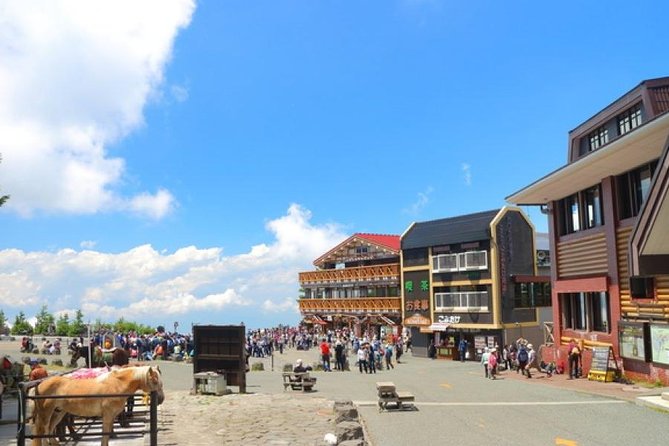
This tour is about ticking multiple major sights into one day: Mt. Fuji, Owakudani, Hakone Ropeway, and Lake Ashi. That’s convenient, but it has a price. You should expect a lot of “between stops” time, especially early. Some people felt the schedule included long stretches on the coach with fewer meaningful stops before lunch.
Other timing issues can come from operational changes. When the ropeway system needs switching, you may have to line up longer than expected. And if Mount Fuji visibility is poor, the scenic pay-off feels smaller even if the itinerary still executes.
The upside is that the tour is structured to keep you busy and not stranded. The itinerary also includes specific “fallback” options if the 5th Station route or rides cannot run, with a list of alternative destinations like Oshino Hakkai, Lake Kawaguchi Oishi Park, Lake Yamanakako Hana no Miyako Park, and other Hakone attractions such as Odawara Castle or the Hakone Venetian Glass Museum. The tour won’t cancel for these changes.
Who should book this day trip, and who should look elsewhere
This is a great fit if you:
- Want to see Mt. Fuji and Hakone without planning train connections and switching tickets.
- Like guided context, especially for Owakudani, where explanations help you understand what you’re seeing.
- Prefer a structured day with an English speaking guide and built-in admissions.
It may not be the best fit if you:
- Hate long coach rides and want a more relaxed pace.
- Book only for maximum Mt. Fuji visibility. Fog can ruin plans, and the tour does not cancel or refund on weather-based visibility.
- Want a fully assisted end-to-end Tokyo transfer if you choose the bullet train return. You get instructions, but you still navigate.
If you’re traveling with family, this can work well because it’s activity-rich and includes major transit. One key tip: bring snacks if you’re sensitive to schedule shifts, because the day is long and time at each spot is limited.
Should you book this Mt. Fuji and Hakone day trip from Tokyo?
If you want maximum iconic sightseeing per day and you value the convenience of a single organized plan, I’d say this is worth booking. The included ropeway and Lake Ashi cruise, the Wi-Fi coach, the English speaking guide, and the optional lunch combine to make the $97.52 price feel reasonable for people who would otherwise spend real time coordinating.
But book with the right mindset. You are buying structure, not a guarantee of a perfect Mt. Fuji photo. Wear good walking shoes, plan to be on time at Shinjuku, and choose your return option based on how you want to feel at the end of the day. If you like speed and don’t mind navigating the last steps on your own, the Shinkansen option is a strong choice. If you want to stay with the group and avoid station complexity, the coach return is calmer.
Fresh options around Tokyo
- Tokyo: Nagano Snow Monkeys and Zenkoji Tour with Temples★ 4.9 · 19 reviews
- Yokohama Port: Private Customizable Tour with Transfer★ 5.0 · 19 reviews
- Explore Unique Tokyo Streets / Learn with a Pro Photographer★ 5.0 · 19 reviews
- Sushi Making with Interactive Samurai Experience at JIN-ASAKUSA★ 5.0 · 19 reviews
- DAIKOKU excursion by car DRIFT automobile encounter★ 4.5 · 19 reviews
- Official Street Go Kart Tour Akihabara 2nd★ 5.0 · 19 reviews
- Cosplay Experience with Professional Makeup and Photo Shoot!★ 5.0 · 19 reviews
- Tokyo: Name Seal & Pouch or Tote Bag Making Experience★ 4.5 · 19 reviews
Train Experiences, compared.
Mt Fuji and Hakone 1-Day Bus Tour Return by Bullet Train
Read our review →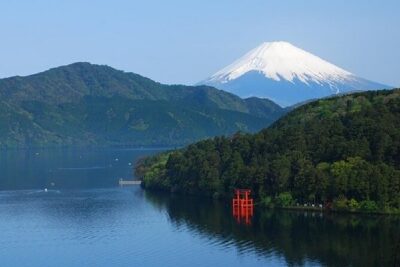
Mt Fuji & Hakone Cruise, Drum Show Bullet Train 1 Day from Tokyo
Read our review →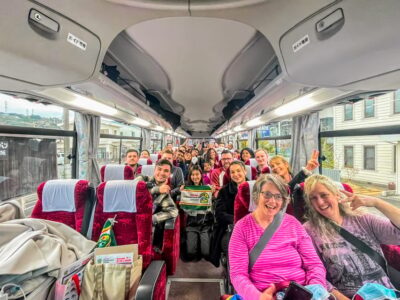
Tokyo Mt Fuji 5th St & Hakone Cruise Bus Tour w/Bullet Train
Read our review →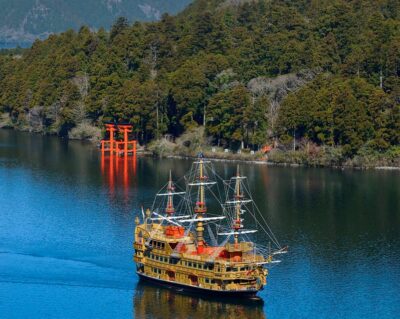
Mt. Fuji & Hakone Tour w/ Return by Bullet Train
Read our review →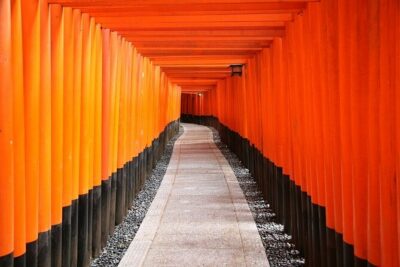
From Tokyo 1-Day Kyoto English-guided Tour by Bullet Train
Read our review →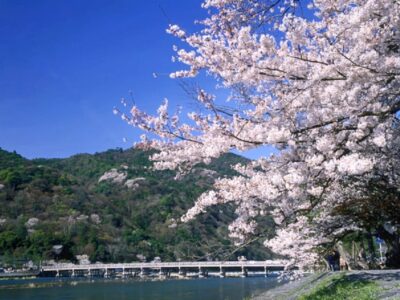
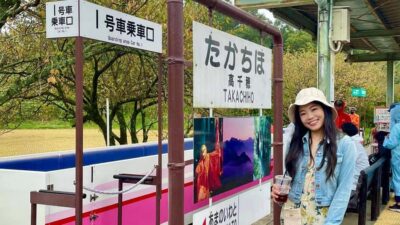
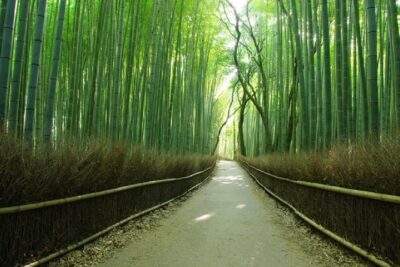
Sagano Romantic Train & Arashiyama, Kiyomizudera, Fushimi Inari Taisha Day Tour
Read our review →Browse the lists this tour appears in