
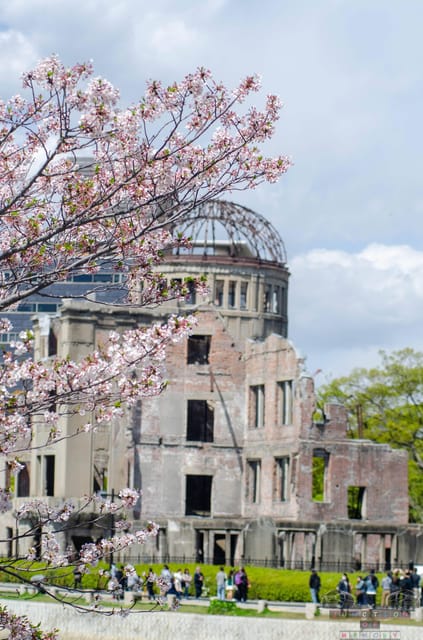
Reviewed · CITY TOURS
Amazing Hiroshima: Private City Tour with a Local Guide
One day in Hiroshima can feel weighty and beautiful. A private, English-led route links Peace Memorial Park with Miyajima’s Itsukushima Shrine, so you get context and time to pause at the places that matter.
What I love most is the emotionally careful way guides frame the atomic-bomb sites, especially the A-Bomb Dome and the Children’s Peace Monument, and I love the natural contrast that follows in Miyajima, where the torii gate and shrine feel calm after the city’s heavier history. One consideration: most guides are English-speaking, but the tour notes that many are not Japanese-licensed city guides, so the storytelling style and depth can vary by guide.
Quick hits before you go
- Private pacing across both Hiroshima and Miyajima, with breaks and photo time built into the day
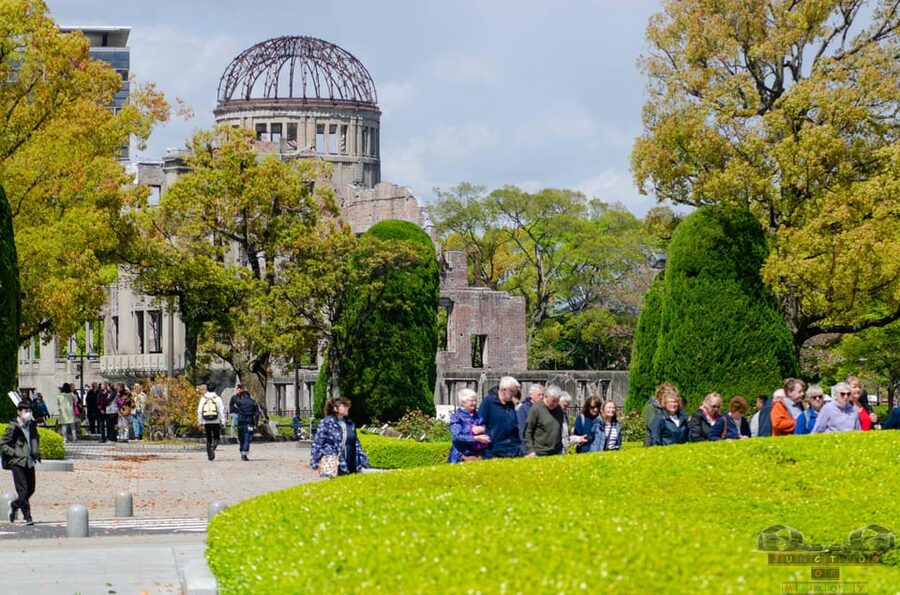
- A-Bomb Dome plus Peace Museum as the core of the morning, including guided time and free time to reflect
- Hondōri, Hiroshima Castle, and Shukkei-en for a fuller sense of the city beyond the memorial sites
- Ferry-based Miyajima with time for the shrine, the torii gate, and optional Mount Misen views
- Local food stops you can work in during free time, like grilled oysters and momiji manju
- Guide names in the wild like Kazuko, Zun, Nick, and John show up in strong ratings, especially for logistics and thoughtful interpretation
A Hiroshima and Miyajima day that balances grief and beauty
Hiroshima hits in a very specific way. This tour is designed for that, with a morning built around remembrance and an afternoon that shifts toward quiet, spiritual scenery on Miyajima Island. The private format matters here, because you can ask questions, slow down when you need to, and move on when you are ready.
I also like that the day does not treat Hiroshima as just a sad stop on a list. You still get Hiroshima Castle, Shukkei-en Garden, and the downtown street atmosphere around Hondōri. Then Miyajima brings in the UNESCO site at Itsukushima Shrine, plus the option to climb or ride up toward Mount Misen for bigger views.
The result is a route that feels purposeful, not random. Still, it is a lot packed into one outing, so if you hate schedules, plan to be flexible with timing.
A few more Hiroshima days worth comparing
- Peaceful Hiroshima & Miyajima UNESCO 1 Day Bus Tour
★ 5.0 · 5,309 reviews - Hiroshima: Hiroshima and Miyajima UNESCO Sites 1-Day Tour
★ 4.9 · 2,330 reviews - Hiroshima / Miyajima Full-day Private Tour with Government Licensed Guide
★ 5.0 · 1,298 reviews
Peace Memorial Park, where your guide sets the tone
The day starts at Hiroshima, with a short transfer before you reach Peace Memorial Park. Expect about an hour for the park itself, with a mix of guided time, free time, and shopping along the way. This is where the tour earns its keep: a private guide can help you understand what you are looking at, instead of you just scanning plaques.
You will also get your photo stops and breaks, which matters because this area is not like a typical sightseeing loop. You are likely to want a moment to stand, read carefully, and then move again. A guide can keep that flow human, not frantic.
Two small details I think improve the experience:
- The itinerary puts Peace Memorial Park first, so your eyes learn the story before you go deeper into the museum.
- You get free time inside the park, not just a fast guided walk-through.
If you are traveling with kids, this can work well too, since the day later includes the Children’s Peace Monument. In practice, younger visitors may need extra patience here, so a good guide who can match your family’s pace is a real advantage.
Peace Memorial Museum and the A-Bomb Dome, how to see without getting overwhelmed
After the park, the tour heads to the Peace Memorial Museum, typically about an hour with guided time plus room to wander. A museum like this can be intense. The private guide piece is what helps you pace it, too, because you can focus on the parts that hit for you and skip the rest without feeling like you are doing it wrong.
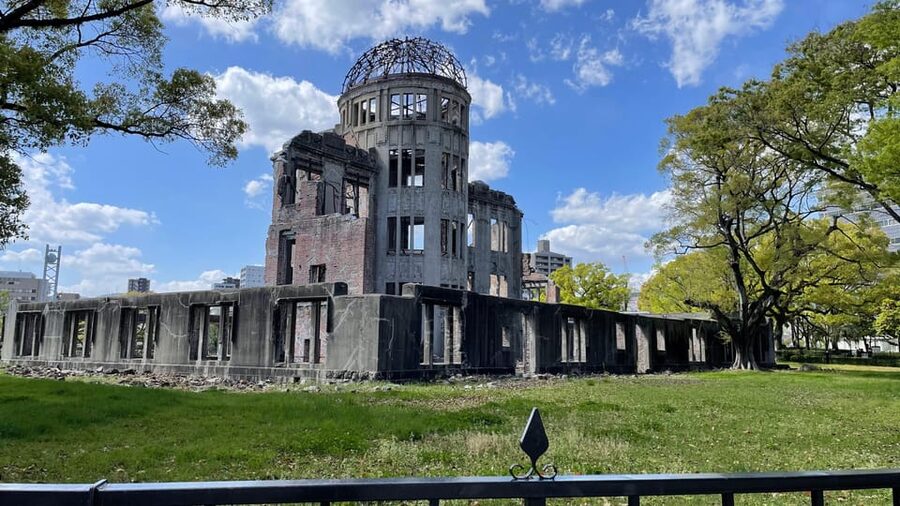
Then comes the A-Bomb Dome, with a shorter stop (around 30 minutes) that still includes guided time and free time. This is one of those places where it is worth standing still for a while. The shape and position are powerful, but the story gives it weight.
Also included in the morning is the Children’s Peace Monument, passed and visited within about a 15-minute segment. Even though it is brief, it fits the emotional arc of the day. It is a reminder that the message of peace is not only about the past, it is about the future.
Based on how guides are described in top-rated experiences, the best sessions here come from guides who combine history with empathy. You will see that pattern mentioned with guides such as Kazuko and Nick, with compliments for personal, human framing rather than pure facts.
Hondōri and the switch to everyday Hiroshima
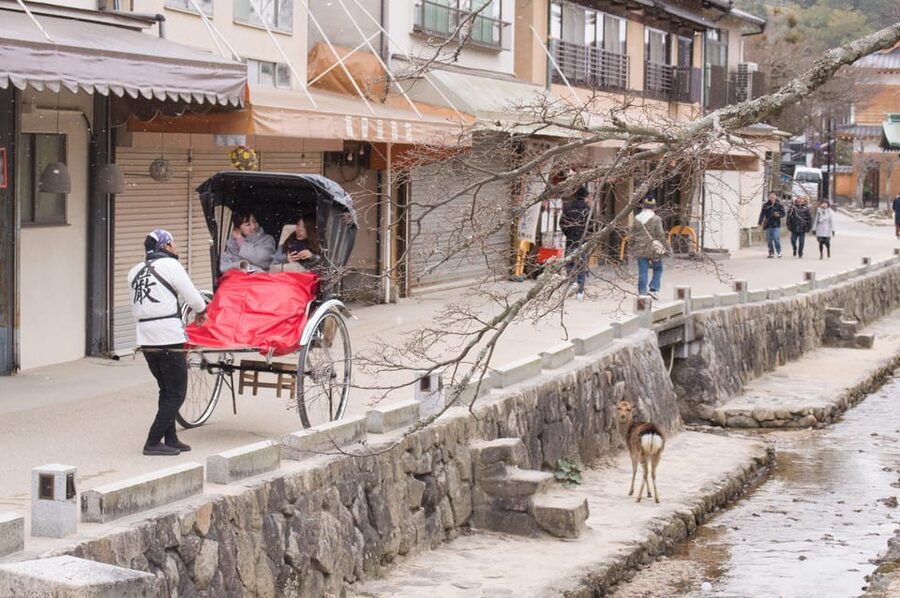
Midday brings a different rhythm. You will pass through Hondōri, a lively central street area, with about an hour set aside that includes guided time, photo stops, and free time. This is more than a “walk by” moment. It helps you reset your brain after the memorial focus.
Hondōri also gives you a chance to get a feel for current Hiroshima: the city’s energy, shopfronts, and the simple reality that life continued after the bombing years. It is an important contrast, even if you are mainly here for history.
What to do with your free time here: use it to take a snack break or plan your next movement. If you notice you are mentally tired, do not try to force a perfect route. Take a few slow minutes, then come back.
Same corner of Japan, a different kind of day:
- Hiroshima Historical Walking Tour – Why A-Bomb was Dropped
★ 4.8 · 893 reviews - Hiroshima Peace (Heiwa) Walking Tour at World Heritage Sites
★ 5.0 · 872 reviews - Hiroshima in a Nutshell: Morning Bike Adventure
★ 5.0 · 524 reviews - Hiroshima City 4hr Private Walking Tour with Licensed Guide
★ 5.0 · 437 reviews
Hiroshima Castle and Shukkei-en Garden for context and calm
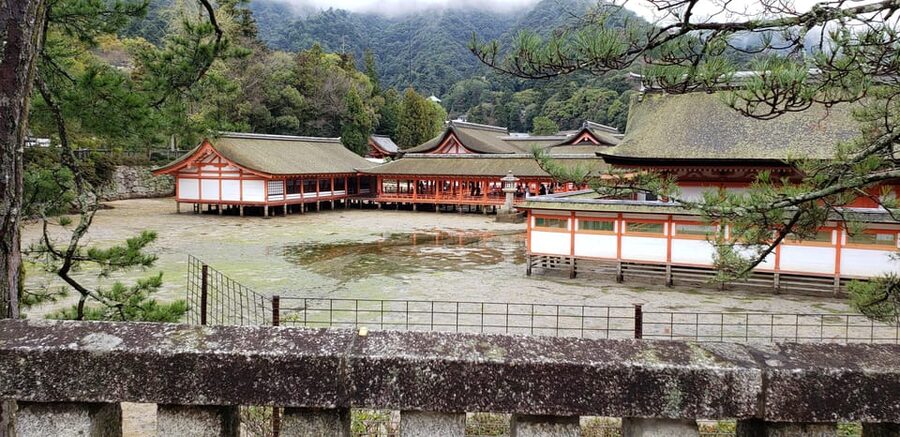
The next stop is Hiroshima Castle, with about an hour for photos, guided time, and browsing. The tour notes it as a reconstructed castle, and it is also a chance to learn about samurai-era links in the region. For many people, this is the first moment the day starts to feel like “normal sightseeing,” even though the history is still present in the background.
From there, you shift into Shukkei-en Garden, typically another hour. This part is valuable for balance. After memorial sites and a busy shopping street, a traditional garden gives your senses a rest. The tour describes it as a restored Japanese garden, and that restoration detail matters because it helps you see design choices rather than just random greenery.
My practical advice: in a garden stop, do not try to see everything. Choose a few viewpoints, then slow down. The best photo is often the one you take after you stop chasing the perfect angle.
The ferry moment to Miyajima, and why timing matters
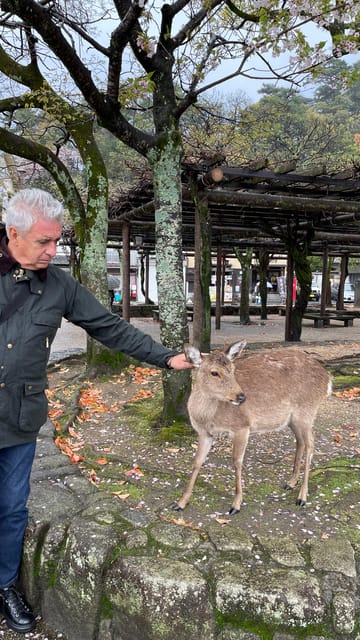
In the afternoon, you transfer toward the Miyajima side of the day. The tour includes ferry travel as part of public transportation fares, and your time on the island is typically around two hours, plus guided time at the shrine.
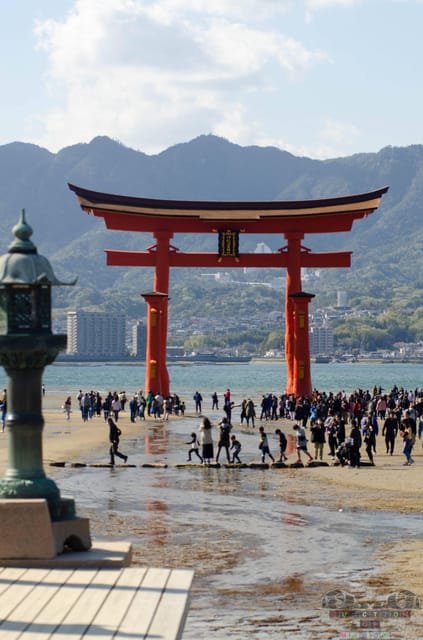
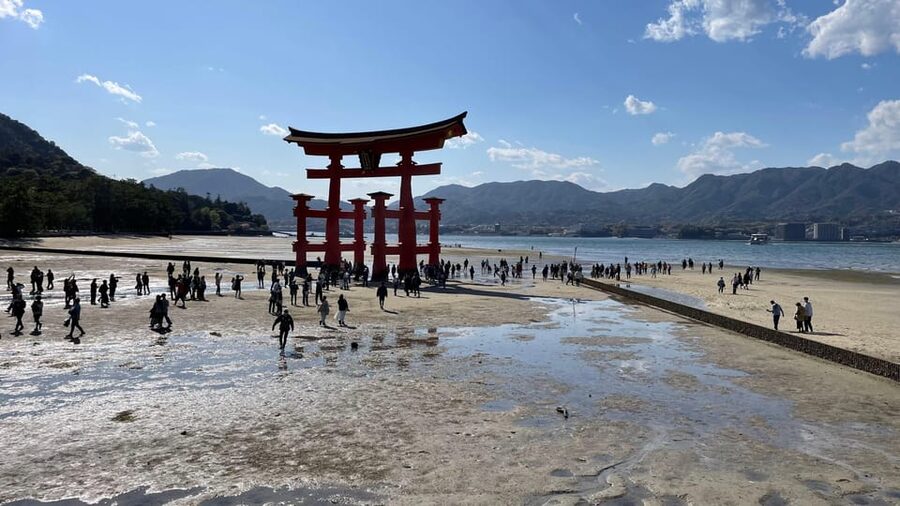
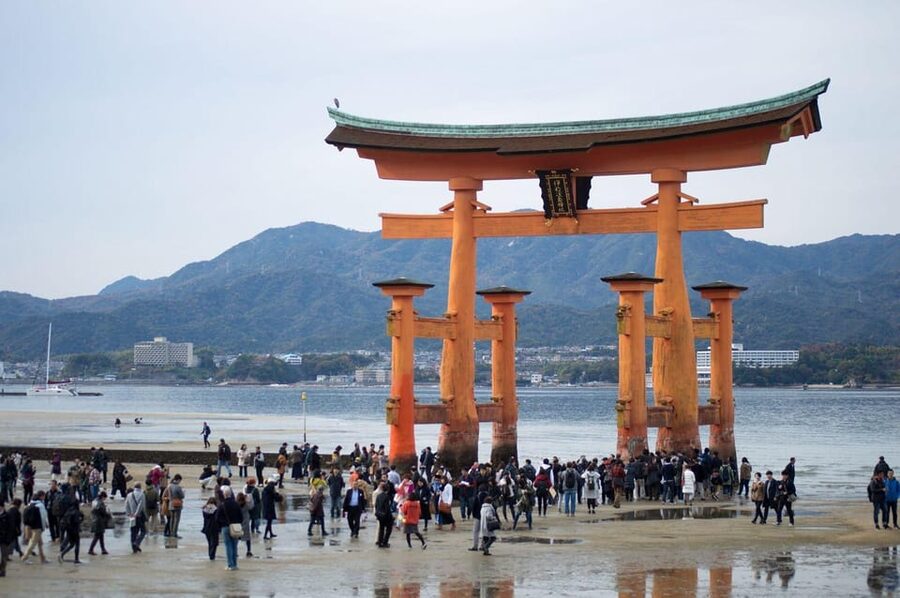
Here is the key thing about Miyajima timing: the torii gate is famous for appearing to float at high tide. The highlights specifically call out that effect. That means your best pictures depend on the tide schedule and the time your plan reaches the waterline.
You should also understand the boat options. The tour listing notes that boats connecting Miyajima directly with Hiroshima Peace Park are not included, and gives prices and timing for that direct connection (45 minutes, with a range of departure frequency). In other words, depending on how your day is set up, you might pay extra if you choose a faster or more direct route than the standard included ferry plan.
If you are the type who wants to control costs and routes, ask your guide or coordinator what boat option you are using that day. If you just want the plan to run smoothly, the included ferry should be enough.
Itsukushima Shrine and the floating torii, what to look for
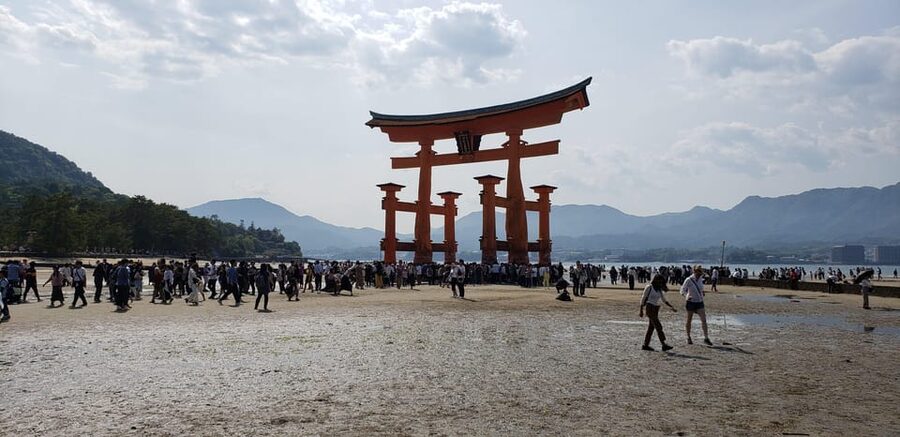
Once you arrive at Miyajima, the itinerary focuses on the icon: Itsukushima’s Floating Torii Gate and the shrine complex nearby. The walking segments are about an hour for the torii gate area and another hour for the Itsukushima Shrine itself, with guided time plus breaks and free time.
The torii gate is the main event. When it looks like it is floating, it is not just a cool visual, it changes how you interpret the whole site. The shrine feels connected to the water, not sitting above it. You will get guided context, which helps because the site is spiritual first, scenic second.
At the shrine, you will also get time that includes a guided class segment noted in the schedule. Even if you only catch parts of what is being explained, it helps you see why people come here beyond photography.
This is also where the private tour format shines. You are not herded at a pace you dislike. You can linger where the view hits best and then move on when you are ready.
Daisho-in and optional Mount Misen, plus island time for food
Daisho-in Temple is part of the plan, described as a significant Shingon Buddhism site. Even with limited time, having a guided stop at Daisho-in helps you understand Miyajima as more than a torii postcard.
If time permits, the tour also offers the chance to head toward Mount Misen by hike or ropeway. The reward is big views over the Seto Inland Sea. Whether you do this depends on your energy and the time left after the shrine and walking. The itinerary is built to keep options open, which is exactly what you want in a day that already carries heavy emotional weight.
Then there is the best kind of free time: the kind where you can wander slowly, shop a little, and eat what you actually want. The tour specifically mentions you can pick up local treats such as grilled oysters and momiji manju. If you are doing only a quick pass through Miyajima, this is your chance to make it memorable in a way no museum can.
One word of caution from real-world pacing: if your schedule feels tight, choose one “mission” on Miyajima and stick to it. The torii and shrine are the core. Mount Misen and temple extras are bonuses, not obligations.
Price and logistics: does $129 per person feel fair?
At $129 per person, you are paying for more than “a guide.” You are paying for a full, structured route that crosses two major zones: central Hiroshima and Miyajima Island.
Here is what the tour says is included:
- Tour guide
- Public transportation fares, including tram and ferry
- Entrance fees to Peace Memorial Park and Itsukushima Shrine
Not included:
- Lunch
- Boats connecting Miyajima directly with Hiroshima Peace Park, with prices and timing listed
So the value is in the bundle: guide interpretation plus transport plus the specific entry fees for the biggest anchor sites. If you plan to do Peace Memorial Park and Itsukushima Shrine on your own, you still have to stitch together transit and figure out what to prioritize. A private guide reduces the mental workload, especially on a day where the subject matter can be heavy.
Also, the tour is offered for 3 to 8 hours depending on availability. That flexibility can be great if you are planning around other parts of your trip. If you only have a half-day, you might choose a tighter version and protect your time on Miyajima.
If you care about getting the most out of the emotional sites, the guide quality becomes part of the value. In the high-rated feedback, people repeatedly mention guides such as Kazuko and Zun for thoughtful engagement and smooth handling of transport. That kind of skill is hard to DIY.
Who should book this private Hiroshima and Miyajima tour
This is a strong fit if you want:
- A private or small-group day with an English-speaking guide
- A single-day route that covers Peace Memorial Park, the A-Bomb Dome, Hiroshima Castle, and Miyajima’s shrine
- Someone to help connect the story dots, especially at the atomic-bomb sites
- A plan that is structured but still includes breaks and free time
It is also workable for families. One review mentioned a guide working well with children ages 9 and 12, and another described guides adapting and staying on schedule without feeling rushed. Still, if your kids need highly interactive storytelling the whole time, ask about guide style ahead of time.
Who might be less satisfied:
- You hate schedules and want a slow, days-long exploration of either Hiroshima or Miyajima
- You prefer fully independent planning and do not want to rely on someone else’s route order
- You want a very specific type of Japanese-English guide, because the tour notes you should request this when communicating with the coordinator
Should you book this tour?
If you have limited time in Hiroshima and you want the big sites handled with thoughtful interpretation, I think this is a good bet. The mix of Peace Memorial Park, the Peace Museum, the A-Bomb Dome, and then Itsukushima Shrine with the torii gate is exactly the combination most people come for. And the inclusion of tram and ferry fares plus key entrance tickets makes the price feel more grounded than a “just a guide” rate.
I would book if you want a one-day plan that balances reflection with scenic and spiritual contrast. I would think twice if you want to linger for hours at the memorials or you dislike anything that depends on tide timing for the torii gate effect.
FAQ
How long is the tour?
The duration is listed as 3 to 8 hours. You will need to check availability to see starting times.
What is included in the $129 per person price?
The tour includes the tour guide, public transportation fares (tram and ferry), and entrance fees to Peace Memorial Park and Itsukushima Shrine.
Is lunch included?
No. Lunch is not included.
Can I choose a different pickup point in Hiroshima?
Yes. Pickup is optional, and after booking you can change the pickup point to anywhere within Hiroshima city at no additional cost.
Is the guide English-speaking, and can I request Japanese-English support?
The tour lists an English live tour guide. If you require a Japanese-English speaking guide or a specialized historical guide, you should mention this to the tour coordinator.
Is the tour wheelchair accessible?
Yes. The tour is listed as wheelchair accessible.
What is the cancellation policy?
The tour offers free cancellation up to 24 hours in advance for a full refund.
Fresh options around Hiroshima
- Hiroshima and Miyajima Full Day Private Tour★ 4.5 · 19 reviews
- 4 Hour Miyajima PRIVATE Tour★ 5.0 · 19 reviews
- Hiroshima Private Walking Tour with a Local★ 4.5 · 19 reviews
- Hiroshima Scenic Cycling Guided Tour★ 5.0 · 19 reviews
- Miyajima Guided Tour and Fresh Oyster Farm Tour★ 5.0 · 20 reviews
- Hiroshima: Atomic Bomb Dome and Peace Memorial Museum 3 hours★ 5.0 · 20 reviews
- Hiroshima: Tour of Atomic Bomb Dome & Peace Memorial Museum★ 5.0 · 20 reviews
- Hiroshima: City and Miyajima Bike and Boat Tour★ 5.0 · 20 reviews
City Tours, compared.
Private City Highlights Tour with Local Guide
Read our review →
Asakusa, Skytree & Akhihabara Go-Kart City Experience
Read our review →
Hiroshima City 4hr Private Walking Tour with Licensed Guide
Read our review →

Private Haneda Airport (HND) to Central Tokyo City Transfer
Read our review →
3-hour Guided E-Bike Tour of the City’s Hidden Gems
Read our review →
Shibuya City: Daikoku PA GT-R R35, R34, R33 or R32 Tour
Read our review →Browse the lists this tour appears in