
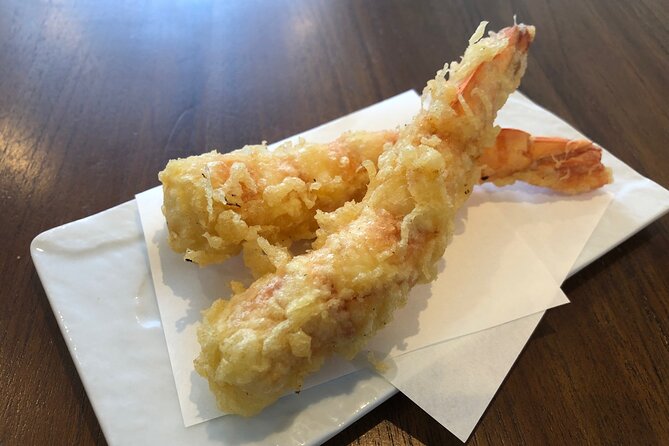
Reviewed · SAPPORO & HOKKAIDO TOURS
Mondo’s most popular plan! Experience making soba noodles and the king of Japanese cuisine, tempura, in Sapporo!
To me, this class turns lunch into a hands-on craft. You’ll make soba noodles from buckwheat dough and finish by eating them with tempura, plus learn how Japanese people actually eat soba. It is a focused, small-shop experience in Sapporo that shows how Edo-period comfort food became daily food culture.
I love the practical lesson, you physically mix, stretch, and cut the dough instead of just watching. I also like that you get a guided tasting right after, with two soba sauce options (cold and warm) and the finishing pour of soba-yu. One thing to consider: while tempura is included in your meal, some people said they did not feel like they got a full hands-on tempura lesson, so set your expectations for what you will actually cook.
Key highlights to know before you go
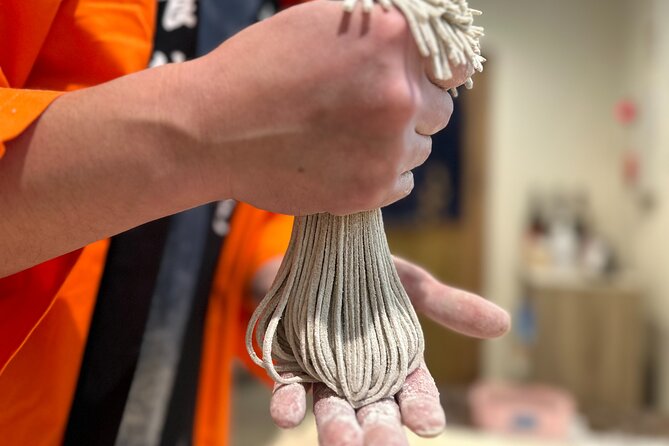
- Hands-on soba craft: mix buckwheat flour dough, stretch, then cut noodles the traditional way
- Real pairing: you eat your soba with restaurant-made tempura, the classic crispy complement
- Two sauce styles: cold and warm dipping sauces, plus soba-yu at the end
- English experience: the class runs in English, but you get fewer phone details, use email if needed
- Small, private group: it is private for your group, and the format is friendly for kids
Why this Sapporo soba class feels different than a cooking show
Sapporo is a great base for food experiences, but this one goes beyond eating. You learn the real process behind soba, Japan’s buckwheat noodle, then you taste what you made right away. That combo matters. Watching food happen is nice, but making the dough and cutting noodles gives you an instant new appreciation for why good soba tastes the way it does.
What makes it especially interesting is the theme. The shop presents soba alongside tempura, a pairing you’ll see again and again in Japan. Tempura is all about crisp batter and warm fried seafood and vegetables, while soba has a chew and savory buckwheat flavor. Together, you get contrast in texture and temperature, which is exactly the kind of eating logic that makes Japanese meals feel so intentional.
There is also a cultural angle baked into the flow. The class aims to show how people eat soba, not just how to make it. You’ll learn the basic method and what to do at the end, when you finish with soba-yu. That last step is small, but it’s one of those details that makes the meal feel complete instead of like a snack break.
A few more Sapporo days worth comparing
- Sapporo Bar Hopping Food Tour
★ 5.0 · 232 reviews - Hokkaido Seasonal: Lake Toya & Noboribetsu Jigokudani Valley
★ 4.7 · 173 reviews - Sapporo Private Tour with a Local – Highlights & Hidden Gems
★ 5.0 · 91 reviews
Step-by-step: what you actually do during the soba workshop
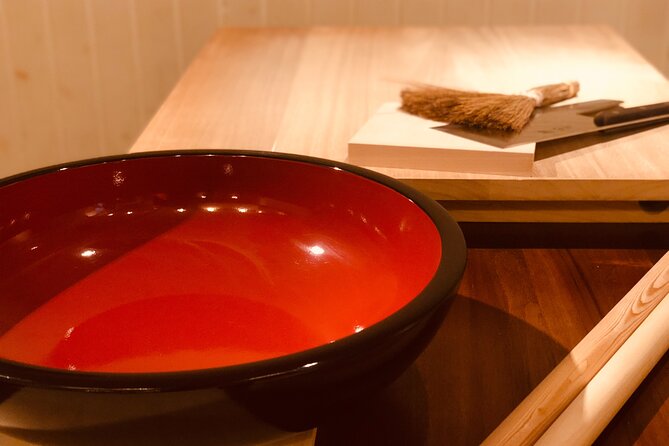
The hands-on part runs about 30 minutes, and it’s the heart of the experience. You will not just stir ingredients and call it a day. You move through a clear set of steps, and you’ll see how buckwheat dough behaves as you work with it.
Here’s the typical flow, and what it means in real life:
1) Mix buckwheat flour
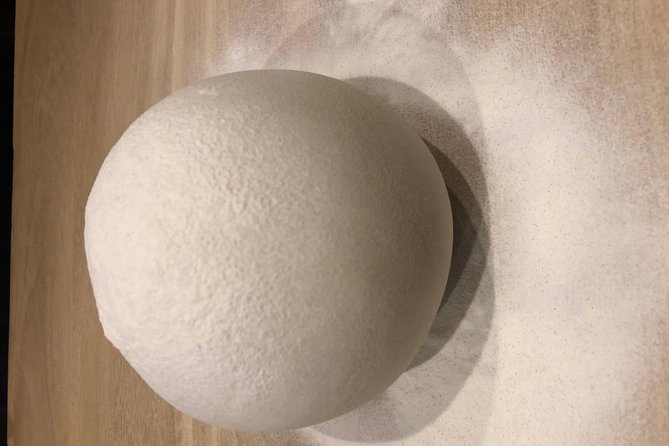
You start with buckwheat flour and water. This is where you learn that soba dough is not like wheat bread dough. Buckwheat has different properties, so the texture and how it comes together is part of the lesson. Expect your dough to feel workable but also a bit unique compared to more familiar flours.
2) Stretch the soba noodles
This step is where the class gets fun. Stretching takes controlled pressure and timing. You’re learning technique, not brute force. Even if you have never handled dough before, the instructor guides you through what to do so you can actually see how thin strands come together.
3) Cut the soba noodles
Cutting is often the moment people remember. The noodle width affects how the finished soba feels when you eat it. You’ll also get the chance to cut in a way that the shop considers traditional, which is part of why this class feels authentic.
4) Sample your soba noodles and artisan-made tempura
Once the noodles are ready, you eat what you made. This is not a distant tasting after a long wait. You get it as part of the same session, so your brain connects technique to taste.
You’ll have two types of soba sauce, cold and warm. That’s useful because it changes how the buckwheat flavor comes through, and it gives you a choice depending on your comfort level with temperature.
5) Finish with soba-yu
This is a traditional closing step where you add the soba cooking water, called soba-yu, to finish the experience. It’s simple, but it also acts like a palate-cleanser and a final reminder that soba is more than noodles. It is a whole eating ritual.
The class runs with English instruction. Reviews and the experience description both point to clear, friendly teaching. One review highlighted how the instructor, Taku, guided the group with humor and patience, especially for kids.
Tempura: the crispy partner to your buckwheat noodles
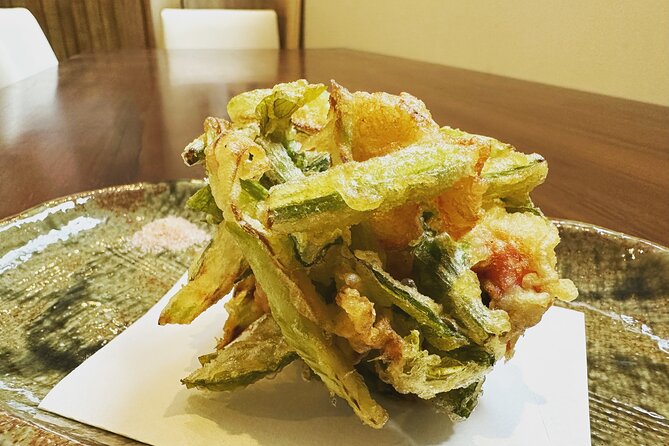
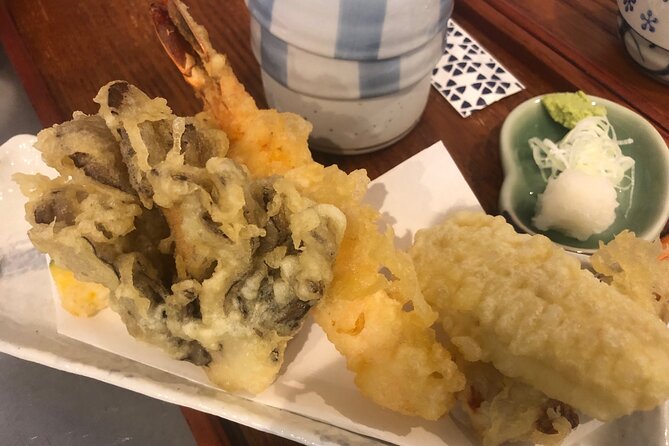
Tempura is included with your meal, and it’s a big part of why this experience works. When you eat soba with tempura, you get a texture swap in every few bites. The tempura batter adds crunch, while the soba brings chew and a nutty, savory note.
The tempura is described as battered and deep-fried vegetables and seafood, which commonly includes shrimp and seasonal vegetables. In practice, what you receive can vary based on availability and the shop’s menu planning, but the core idea stays the same: you are eating classic Japanese ingredients dressed in crisp batter.
One practical consideration, based on what people have experienced: while tempura is definitely part of your course, some participants felt the tempura was not taught in the same hands-on way as the soba noodles. In other words, you may not do a full batter-and-fry workflow. If you want a strict cooking-by-you tempura lesson, you might want to message ahead to confirm what is hands-on during your session.
Still, most impressions are positive on flavor and portion satisfaction. People call the tempura delicious and pair it with the soba like it is supposed to be, not like a random side dish.
The meal flow and what it feels like after lunch
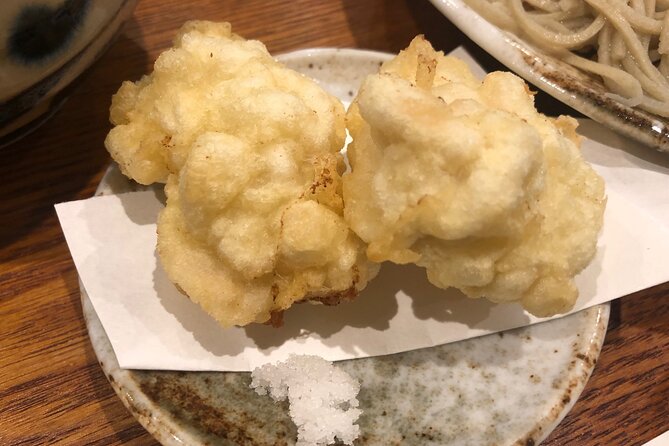
This is scheduled after lunch. The lesson time itself is around 30 minutes for soba making, then you shift into tasting. Total time is commonly described as about 1 hour and 15 minutes end to end. That timing matters because it’s easy to fit into a travel day without burning your whole afternoon.
You also get learning time while you eat. The shop plans to explain how Japanese people eat soba, so you’re not just chewing silently. Expect a simple guidance style: what to dip, how to think about temperature (cold vs warm sauce), and how to use the finishing soba-yu.
If you are traveling with kids, this format helps. It keeps moving and gives tangible results quickly. Reviews mention that even younger kids could enjoy the process, which is the best kind of family activity: you get a real task, not just a coloring sheet.
Same corner of Japan, a different kind of day:
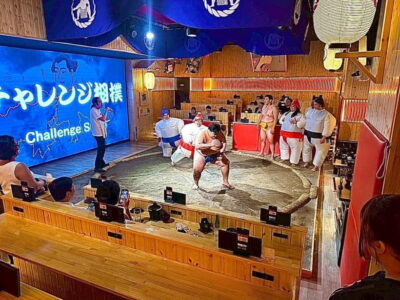
- Sapporo: Sumo Show Experience with Japanese food & Photo
★ 4.9 · 81 reviews - Popular in SapporoExperience authentic hand-made soba at a real soba shop!
★ 5.0 · 77 reviews - 【Private Car】Asahiyama Zoo, Blue Pond, Shirahige Falls, Ningle Terrace (from Sapporo)
★ 5.0 · 60 reviews - Sapporo 6hr Private Tour with Government Licensed Guide
★ 5.0 · 57 reviews
Where it is in Sapporo, and how not to lose time finding it
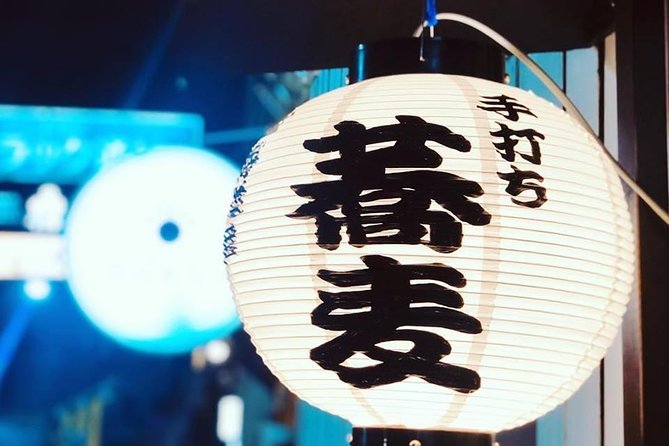
You meet at 9-chōme-17-28 Hassamu 6 Jō, Nishi Ward, Sapporo. For transit, it’s a five-minute walk from Miyanosawa Station on the Sapporo Subway Tozai Line. That is a big plus. You can plan around a subway ride and then walk a short distance, which beats long taxi hunts in a city you are still learning.
If you drive, the shop has four parking spaces in front. That’s not a giant parking lot, so if you come at a busy time, you might find spaces limited.
One small heads-up: some people found the location a little tricky to spot. My advice is simple. Save the meeting point on your map app, then walk directly from the station and double-check you have the right entrance before the class start time.
Pricing and value: is $85.79 worth it?
At $85.79 per person, this is not a budget snack. The value comes from three things you rarely get together in one deal.
First, you get a real hands-on soba class. Mixing dough, stretching noodles, and cutting them is the main labor you are paying for. It is also the kind of skill that instantly changes how you judge restaurant soba back home.
Second, your price includes the meal component. You eat your soba plus tempura, with sauce variety and a traditional finish. Even if you are not doing a hands-on tempura lesson, the fact that the pairing is served as a coordinated course helps justify the cost.
Third, the experience is structured for a group, and it is private for your group. It runs as an activity for two or more people. That means you are not sharing the space with strangers from multiple tours at the same time, which helps the instruction feel personal.
On value alone, the key question for you is expectation. If you want a full two-part cooking session where you make everything from scratch, you might feel a little let down. If you want a guided craft lesson centered on soba, with tempura as the classic partner, it usually feels worth it. Most reviews land on fun, informative, and genuinely delicious.
Who this works best for in real travel life
This is ideal if you like hands-on food learning, and if you are curious about how Japanese meals are built around technique and timing. It’s also a great fit for families because the lesson is doable, and it is described as enjoyable even for small children.
It is also a strong choice if you want something off the typical tourist checklist. Sapporo has plenty of food to eat, but making soba is a different kind of memory. You’ll leave with a story you can actually explain, not just photos.
Dietary needs are another reason to consider it. The experience notes that halal, vegan, and other needs can be accommodated if you contact in advance. That is worth doing early, because the kitchen needs time to plan substitutions.
English support is also a factor. The experience is conducted in English, but phone support is not available. If you need special arrangements, email is your path. The shop confirms you will receive booking confirmation at the time of booking, which helps reduce uncertainty.
Practical tips so you get the best experience
- Arrive a little early. The start time matters. If you are late, it can inconvenience other guests. If you cannot come before the start time, the session is treated as a no-show.
- Ask about tempura hands-on upfront if that’s your priority. The description guarantees tempura in your course, but the degree of hands-on instruction may vary by class flow.
- Be clear about dietary needs early. Vegan or halal changes are mentioned as possible, but you need to contact in advance so the shop can plan.
- Use subway directions to avoid stress. Miyanosawa Station is a short walk, and it is the easiest way to anchor your schedule.
So should you book it?
I recommend booking this experience if you want a hands-on skill in soba making, plus a proper Japanese meal pairing with tempura. It’s the kind of activity that gives you both technique and taste, and that is rare. Also, if you travel with kids, this format is one of the better family-friendly food classes because it moves step by step.
I would think twice if your main goal is to learn how to fry and batter tempura yourself. Based on the experience description and how people describe the class, you should expect the soba craft to be the focus, with tempura included in your meal. It’s still great food, just not necessarily a tempura cooking workshop.
If you want a memorable Hokkaido food experience that feels more like training than entertainment, this Sapporo soba class is a strong pick.
FAQ
How long is the soba and tempura experience?
Soba making is about 30 minutes, and the full experience takes around 1 hour and 15 minutes to finish everything.
Where is the meeting point?
You start at 9-chōme-17-28 Hassamu 6 Jō, Nishi Ward, Sapporo, Hokkaido 063-0826, Japan, and it ends back at the meeting point.
Is the experience available in English?
Yes. The experience is conducted in English, but the shop cannot provide English support over the phone. If you have questions, you should email via VIRTOR.
Do I need to bring anything or prepare?
No. You do not need to bring anything or prepare.
Is it suitable for children?
Yes. Even small children can enjoy it, and children under 2 years old are free.
Can dietary restrictions like halal or vegan be accommodated?
Halal, vegan, and other dietary needs can be accommodated if you contact in advance.
How close is it to public transportation?
It is a five-minute walk from Miyanosawa Station on the Sapporo Subway Tozai Line.
FAQ
What is the cancellation policy?
You can cancel for a full refund up to 24 hours before the experience start time. If you cancel within 24 hours of the start time, the amount you paid is not refunded.
Fresh options around Sapporo
- Sapporo: Furano Lavender & Biei Blue Pond Tour with Lunch★ 4.6 · 13 reviews
- Authentic Sapporo: Nijo Market Seafood Lunch & Local History Tour★ 5.0 · 13 reviews
- Penguin Fun & Snowmobile : Sapporo Winter (Asahiyama Zoo)★ 4.8 · 14 reviews
- Sapporo Highlights: Golden Route Morning Walking Tour★ 4.5 · 14 reviews
- Hokkaido Asahiyama Zoo Ningle Terrace Day trip★ 5.0 · 14 reviews
- Lake Toya and Noboribatsu Hell Valley Private Day Trip★ 5.0 · 15 reviews
- Snowshoe Hike Tour from Sapporo include hotel p/up & drop off★ 5.0 · 16 reviews
- Nopporo Forest Mountain Bike Tour from Sapporo, presenting a retro Cycle cap★ 5.0 · 16 reviews
Sapporo & Hokkaido Tours, compared.
Hokkaido Seasonal: Lake Toya & Noboribetsu Jigokudani Valley
Read our review →
Sapporo Private Tour with a Local – Highlights & Hidden Gems
Read our review →
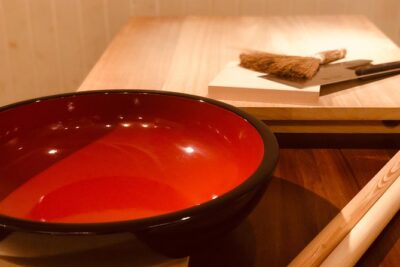
Popular in SapporoExperience authentic hand-made soba at a real soba shop!
Read our review →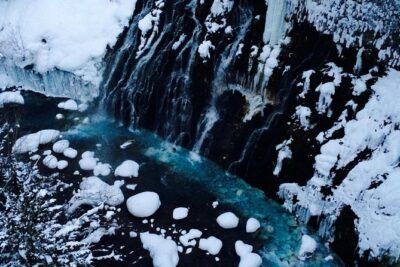
【Private Car】Asahiyama Zoo, Blue Pond, Shirahige Falls, Ningle Terrace (from Sapporo)
Read our review →
Sapporo 6hr Private Tour with Government Licensed Guide
Read our review →Browse the lists this tour appears in