
Reviewed · COOKING CLASSES
Cooking Ramen&Gyoza/KatsuCurry/Bento/Okonomiyaki+Store Tour@Osaka
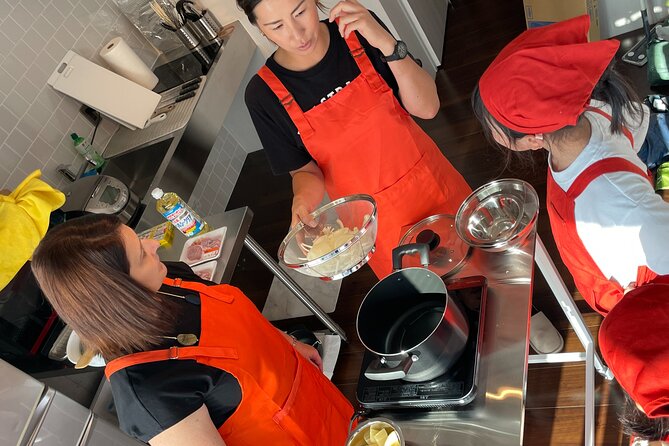
Cooking in Osaka beats another meal out. This experience mixes a guided shop walk near Osaka Tenmangu Shrine with a hands-on cooking class taught in English, so you learn how the food gets made, not just what to order. I like the way you get friendly, real conversations with shop owners while picking up ideas about seasonal ingredients, and I like that you can choose your dish instead of being stuck with a fixed menu. One drawback to keep in mind, though, is that you should not expect free-form shopping time, the ingredient side is more tightly planned than a full market expedition.
With about 3 hours total, it fits neatly between big Osaka sights, and it ends back where it starts. The best part is that you leave with practical techniques and recipes you can realistically recreate at home, even if you are a beginner. If you have food allergies or dietary restrictions, plan ahead and check with the organizers before you go.
Key highlights that matter
- Tenmangu Shrine area street-level shopping with local shop owners and seasonal ingredient talk
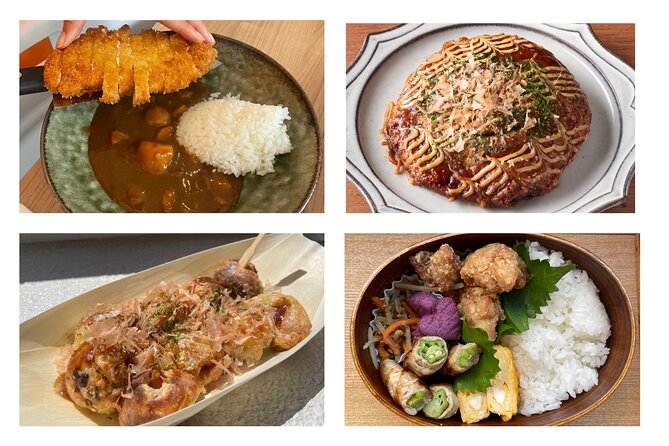
- Choose your dish from the lesson options like katsu curry, bento, okonomiyaki, or ramen & gyoza
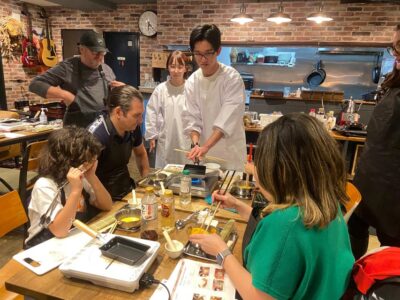
- English instruction with step-by-step feedback in a small group setting
- A warm, shared food atmosphere that includes travelers, families, and locals
- More than cooking, less than a museum because the walk and class connect to everyday Osaka food culture
Tenmangu Shrine shop walk: the part that makes it feel local
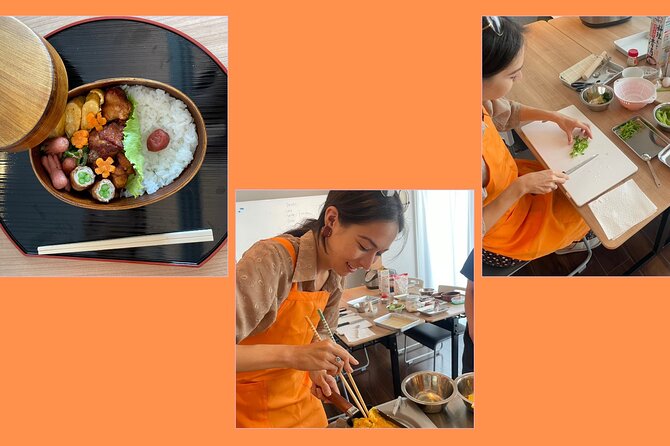
The experience starts with a guided walk through smaller, everyday shops near Osaka Tenmangu Shrine, in the Tenjinbashi area. This matters because Osaka food culture is not just noodles and signage, it is the rhythm of how locals buy ingredients, then cook them at home or in small neighborhood kitchens.
On the walk, you meet shop owners and you can ask questions. You also get a sense of what seasonal ingredients are showing up, and why those choices affect flavor. It is the kind of background that makes the later cooking class make more sense, because you understand what you are using and why it matters.
One consideration: this is not set up like a long, open-ended shopping spree. If you want hours of wandering and comparison shopping, you might feel the ingredient part is more structured than you hoped. Still, the upside is that the walk stays focused, so you can actually carry what you learn into what you cook next.
More Cooking Classes in Osaka
- Osaka: Ramen and Gyoza Cooking Class in Dotonbori
★ 5.0 · 378 reviews - Osaka Cooking Class: Okonomiyaki &Japanese cuisines experience
★ 5.0 · 261 reviews - Ramen and Gyoza Cooking Class in Osaka
★ 5.0 · 202 reviews
Choose your dish: katsu curry, bento, okonomiyaki, ramen & gyoza
After the shop walk, you head back to the kitchen for the cooking portion, usually around 2.5 to 3 hours total for the whole experience. The key promise here is choice, you pick the dish you want to make from the options offered for your session. That flexibility is a big deal in Osaka, because different people come with different cravings, and beginners often learn faster when they are cooking something they already love.
Here is what each option typically means for your experience.
Katsu curry: comfort food with technique
Katsu curry is all about balancing crunch and sauce. You get hands-on practice that goes beyond ordering, you learn how to time the cooking and how to build flavor so it feels like it belongs on a plate, not just a bowl of sauce.
If you are cooking with kids or teens, this option is often a crowd-pleaser because it feels fun and rewarding fast. In classes like this, you also tend to get support from the instructor while you handle the parts that need attention.
Bento: learn the logic of a prepared meal
Bento teaches you how Japanese meals get planned for both taste and portioning. Even if you are not trying to recreate a fancy lunch box at home, you will come away with a practical approach to assembling components so everything works together.
Bento is a strong choice if you want something you can repeat later without needing every rare ingredient. You also get a sense of how everyday Japanese cooking can be “organized” without being complicated.
More Ramen Tours in Osaka
- Osaka: Five Must-See Highlights Walking Tour & Ramen Lunch
★ 4.7 · 411 reviews - Walking Tour of Osaka’s 5 Must-See Sights, with Ramen for Lunch
★ 5.0 · 158 reviews - Three Types of Ramen Cooking Class in Osaka
★ 5.0 · 119 reviews - Osaka: Cooking Class Ramen & Gyoza Course in Nanba
★ 4.9 · 86 reviews
Okonomiyaki: learn the build, not just the topping
Okonomiyaki is a skillet dish where technique matters because your texture depends on timing and assembly. This is one of the reasons this class approach works so well, you are learning how to put the batter and toppings together correctly, then cook it so it sets up right.
If you have eaten okonomiyaki in a restaurant and wondered why yours never looks or tastes the same, this is the kind of hands-on lesson that addresses the gap.
Ramen & gyoza: flavor practice with dumpling confidence
Ramen and gyoza are a great pairing if you want two familiar comfort foods. You will be practicing cooking skills that help you get more consistent results at home, especially with the parts that require close attention.
Even if you are nervous about dumplings or broth, beginner-friendly recipes make the process more approachable. You leave knowing what to focus on, so you can troubleshoot your next attempt instead of starting over blindly.
The kitchen class: English teaching, real feedback, and a friendly team
The cooking class is taught in English, and the format is small group, which is where you actually get help. That feedback is the difference between “I cooked something” and “I improved how I cook it.”
Instructors are welcoming, and you can expect a warm teaching style. Some sessions are led by instructors such as Rie, and it is also common to get extra guidance from an obachan, the elder support figure who helps keep things running smoothly and makes the room feel like a shared kitchen rather than a classroom.
Because it is a small group, you get more time to ask questions when something is unclear, like ingredient substitutions or what consistency should look like. And since the recipes are designed to be beginner-friendly, you are not drowning in complex steps.
You also get the satisfaction of making something from start to finish. That sounds simple, but in practice it changes the whole experience. Instead of relying on a restaurant’s magic, you start understanding how flavors connect.
What you eat, and why it feels worth the money
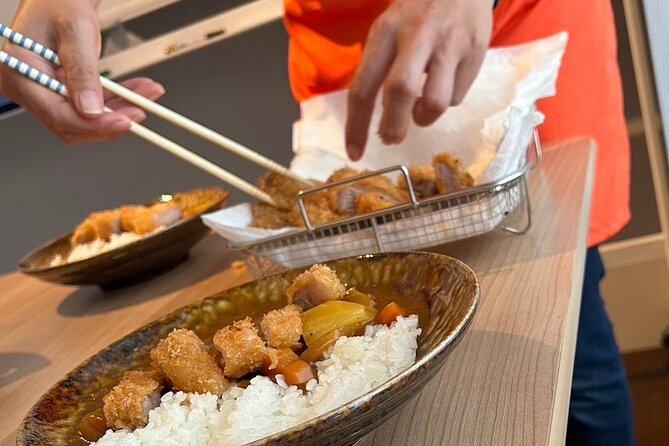
You do not just cook, you also eat what you make. The class has an easy, comfortable vibe, and the food tends to be filling, the kind that makes you leave satisfied instead of hungry again an hour later.
This is also where the shopping walk pays off. When you have seen what seasonal ingredients look like and heard how shop owners think about them, your meal feels more intentional. You are not just following a recipe, you understand the ingredients behind it.
One more practical point: you are learning dishes that are easy to find in Osaka restaurants, but not every restaurant will explain the “why.” A cooking lesson fills that gap. When you recreate it later, you are not starting from scratch, you have a method you can trust.
Price and value: $85.89 for a 3-hour food lesson that sticks
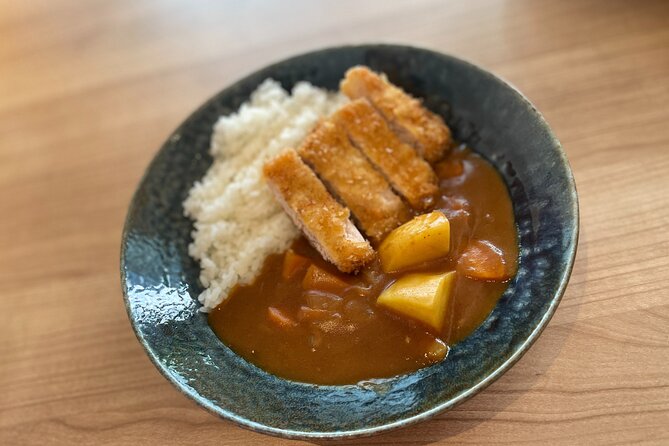
At $85.89 per person for roughly 3 hours, this is not the cheapest thing you can do in Osaka. But it is also not just a short tasting. You are paying for two connected parts: a guided walk near Tenmangu Shrine plus a hands-on cooking class in English.
For many people, the value comes from what you can repeat at home. If you are the type who wants a souvenir you can actually use, this checks that box. You will also get more personal attention than you would in a large demo-style class.
If you are a solo traveler, this can be a good pick because you get structure and guidance, not just an open-ended “food tour.” If you are traveling as a family, this can work especially well for teenagers and older kids, since it is hands-on and gives them something to feel proud of when the food is done.
The biggest value signal is the consistent feedback that the experience feels personalized and that the instructors take time with you. That is what turns a cooking class into a memory, not just a meal.
Logistics that keep it simple, including weather reality
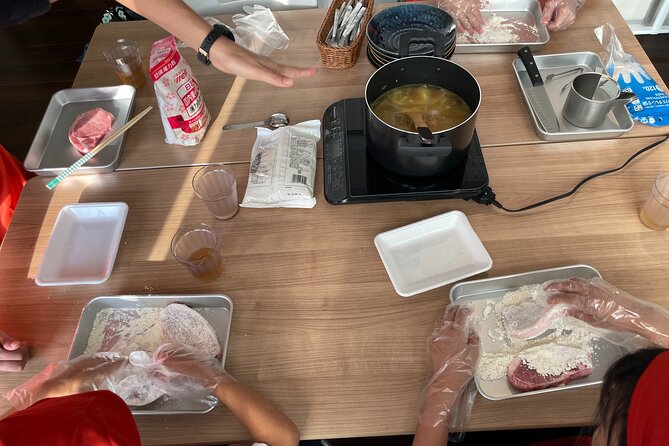
This activity uses a mobile ticket, and it is near public transportation. The meeting point is at 1-chōme-17-10 Tenjinbashi, Kita Ward, Osaka, 530-0041, Japan, and it ends back at the meeting point.
Because it includes a store walk component, the experience requires good weather. If it gets canceled due to poor weather, you are offered a different date or a full refund. That matters because you are planning a half-day around it.
Also, this is set up as a private tour/activity, so only your group participates. If you are traveling with a larger group, the provider can accommodate it for an additional cost. That flexibility is useful if you are planning something around family gatherings or multi-family trips.
Finally, the class is taught in English, and you can consult in advance if you have allergies or dietary restrictions. Do not wait until the day of, because ingredient choices are part of the lesson.
Who this is best for in real life
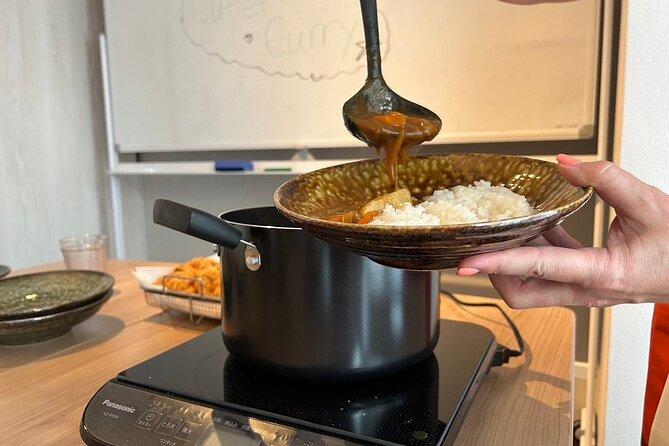
This is a strong match if you want Osaka food culture plus practical skills. It suits adults who love food and want to understand technique, and it suits families because the format is social and hands-on.
Families with teenagers often like this because it is not a slow museum-style activity. Kids and younger travelers can also thrive here when they enjoy cooking, and the structure makes it easier for them to stay engaged. The dishes themselves are also approachable and familiar, which helps confidence build quickly.
If you are someone who prefers restaurant meals but hates “tour boredom,” this is a nice middle ground. You still get to eat a lot, but you also learn how to make it.
If you are expecting a wide, self-directed market shopping trip, set your expectations accordingly. The shop walk is guided and purposeful, not a free-for-all. Still, it gives you exactly what you need to connect the shopping experience to what you cook.
Should you book this Osaka Cooking Base experience?
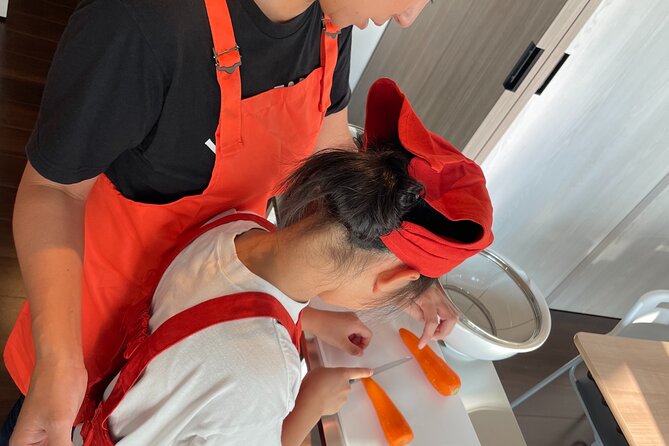
Book it if you want a hands-on Osaka food lesson that goes beyond ordering. The combination of a guided shop walk near Tenmangu Shrine plus an English cooking class where you can choose between dishes like katsu curry, bento, okonomiyaki, or ramen & gyoza is a smart use of time. It is also a good value when you factor in that you get both the cultural context and the practical “how to.”
Skip it or think twice if your main goal is maximum shopping freedom. If your dream is wandering markets for hours and comparing ingredients on your own, this experience may feel too structured. Also, if you have special dietary needs, contact the provider early, because allergies and restrictions are something you need to plan for in advance.
Overall, this is the kind of Osaka activity that leaves you with something more useful than photos: a method and a dish you can make at home.
FAQ
How long is the cooking experience?
It runs for about 3 hours total.
What dishes can I cook?
You can choose from options such as katsu curry, bento, okonomiyaki, or ramen and gyoza, depending on the session.
Is the cooking class taught in English?
Yes, the class is taught in English.
Where does the experience start?
The meeting point is 1-chōme-17-10 Tenjinbashi, Kita Ward, Osaka, 530-0041, Japan.
Is this a private tour?
Yes. Only your group participates.
Do I need good weather?
Good weather is required. If it is canceled due to poor weather, you will be offered a different date or a full refund.
Is there free cancellation?
Yes. You can cancel up to 24 hours in advance for a full refund.
What if I have allergies or dietary restrictions?
Consult with the provider in advance if you have allergies or dietary restrictions. Confirmation is received at booking, so planning ahead helps.
More Shopping Tours in Osaka
- Kuromon Market Food Walking Tour in Osaka (6 stops, 6 tastes)
★ 5.0 · 550 reviews - Osaka: Kuromon Market Food Walking Tour (6 stops, 6 tastes)
★ 4.6 · 272 reviews - Kuromon Market Tour: All inclusive 6~8 Dishes & 3~4 samplings
★ 5.0 · 103 reviews - Osaka: Cooking Class & Sake Tasting with Local Market Visit
★ 4.8 · 31 reviews
More Ramen Experiences in Osaka
- Ramen Craftsman Experience in Osaka
★ 5.0 · 81 reviews - Ramen and Gyoza Cooking Class in Osaka Dotonbori
★ 5.0 · 73 reviews - Osaka: Gluten-Free Ramen and Gyoza Cooking Class
★ 5.0 · 42 reviews - Ramen-Making Experience in the Osaka Castle Area with Souvenir
★ 5.0 · 22 reviews
Fresh options around Osaka
- Osaka Dotonbori Night Photoshoot – Private | Pro Photographer★ 5.0 · 19 reviews
- Osaka: Tennen Onsen Naniwa-no-Yu, the famous hot spring spa★ 4.7 · 19 reviews
- Osaka Private Walking Tour with a Local★ 4.5 · 19 reviews
- Osaka: HEP FIVE Ferris Wheel E-Ticket in Umeda★ 4.7 · 19 reviews
- Kansai/KIX Airport to or from Osaka/Kyoto Private Transfer★ 5.0 · 20 reviews
- Guided Photography Tour in Osaka: Capturing Memories★ 4.5 · 20 reviews
- Osaka: Food Tour at Night with Tastings★ 4.9 · 20 reviews
- Osaka Private Tour with Government-Licensed Guide★ 4.8 · 20 reviews
Cooking Classes, compared.
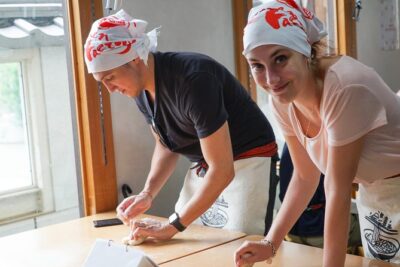
Ramen Cooking Class at Ramen Factory in Kyoto
Read our review →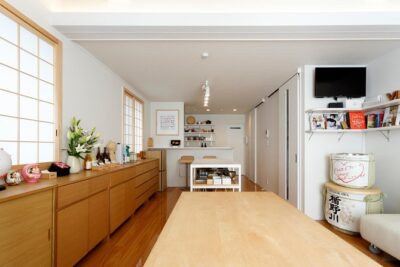
Ramen & Gyoza Cooking Class in Tokyo with Local Supermarket Visit
Read our review →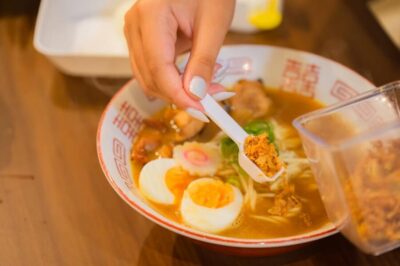
Ramen Cooking Class at a Ramen Factory with Souvenir
Read our review →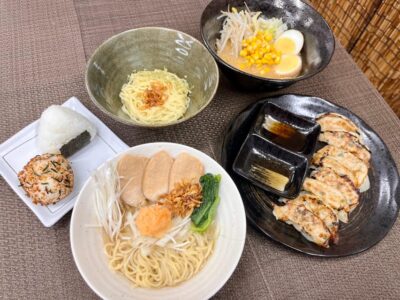
Japanese Washoku Bento Small Group Cooking Class
Read our review →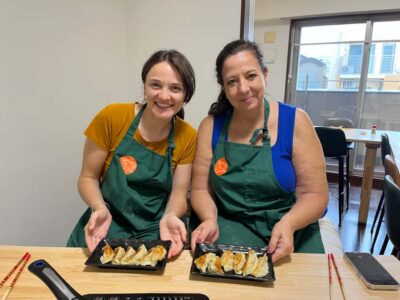
Easy Ramen Cooking Experience in Kabukicho, Shinjuku
Read our review →
Ramen and Sushi Cooking Class with Sake Pairing Set in Tokyo
Read our review →Browse the lists this tour appears in