
Reviewed · FOOD & DRINK
【For adult】Traditional Mochi Pounding Experience with Tasting
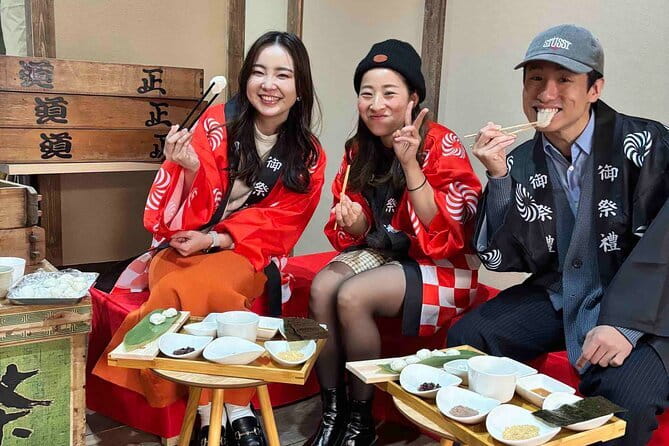
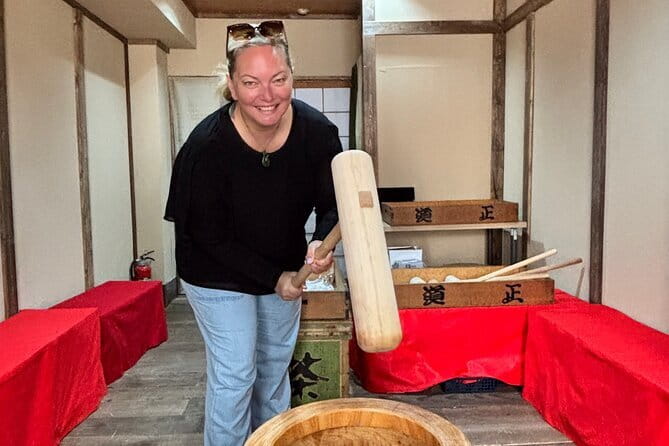
Mochi pounding turns dessert into teamwork. In central Dotonbori, you learn the meaning behind mochi and then get your hands on the traditional mortar and pestle, ending with freshly pounded bites and tea. I love that it is truly hands-on, not a sit-and-watch experience.
I also like the tasting payoff, with mochi served with classic toppings such as kinako and sweet red bean paste. One consideration is that mochi is sticky and chewy, so elderly people should eat rice cakes in small portions as there can be a choking risk with larger bites.
Key Highlights You’ll Notice Right Away
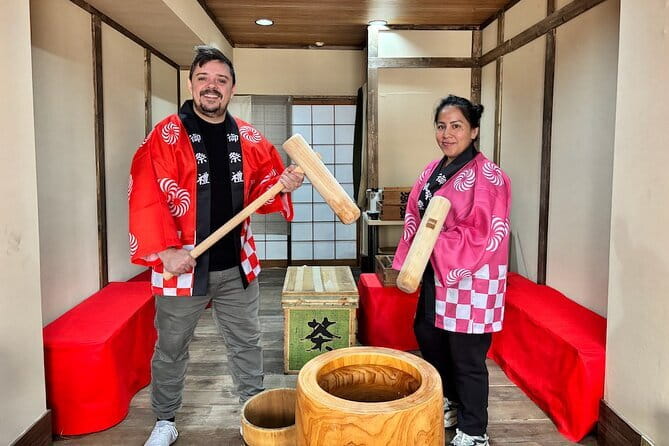
- Small group (max 10), so you get real turns with the pounding tools
- Traditional tools and pounding technique, guided step by step from steamed rice
- A built-in history talk (about 10 minutes) that gives context to the ritual
- Fresh mochi tastings with multiple Japanese toppings, plus tea
- English and Chinese support, so you can follow what’s happening throughout
- Kid-friendly pacing, with support like smaller mallets for younger participants
Mochi Pounding in Dotonbori: Where the Class Lives and What the Hour Feels Like
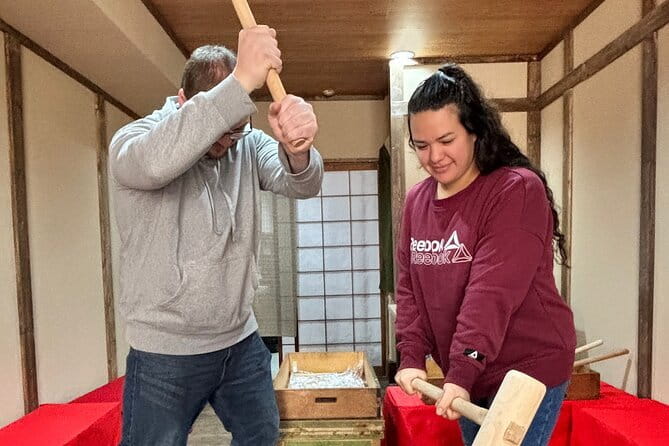
This experience takes place right in Osaka’s famous Dotonbori area, at Mochi Pounding Experience Osaka “Oh Mochi” (2-chōme-4-11 Dōtonbori, Chuo Ward, Osaka, 542-0071). It’s convenient in a practical way: you’ll find it near public transportation, and you start and finish at the same meeting spot.
The timing is also travel-friendly. You’re looking at about 1 hour, and you can usually choose a morning or afternoon session. That makes it easy to plug into a day that already includes sightseeing, shopping, and street-food stops.
Inside, the vibe is hands-on and upbeat. Many people come for the novelty, then stay because you get small, concrete tasks to do. You’ll also likely see staff helping with photos and videos so you’re not fumbling your phone while trying to pound rice.
One small heads-up from what I gathered: the room can run warm if the weather is hot outside. I’d wear something light and breathable, so the pounding feels fun instead of sticky and sweaty.
More Food Tours in Osaka
- Osaka: Shinsekai Food Tour with 13-15 Dishes at 5 Eateries
★ 4.8 · 2,204 reviews - Osaka Food Tour: 13 Dishes at 5 Local Eateries
★ 5.0 · 2,149 reviews - Hungry Osaka Street Food Tour:15 Tastings & 3 Drinks with a Local
★ 5.0 · 1,727 reviews
The 10-Minute History Talk: Why Mochi Matters Before You Pound
Before rice ever hits the mortar, you get a short talk, about 10 minutes, on the tradition of mochi pounding and its cultural significance. This isn’t meant to be academic. It’s just enough background to make the rest of the hour feel connected to Japanese life, not like a random cooking stunt.
In practice, that quick orientation helps you understand what you’re doing while you do it. When someone explains why the technique matters, you tend to take the steps more seriously, and you’re more likely to enjoy the whole process instead of feeling clumsy.
You might also hear staff introductions and gentle coaching as they set expectations for sharing time and taking turns. Many classes are led by instructors with strong English delivery, and you may meet names like Aiko, Grace, Seina, Runa, Mao, or Riki, depending on the session.
From Steamed Glutinous Rice to Mochi Dough: The Core Hands-On Steps
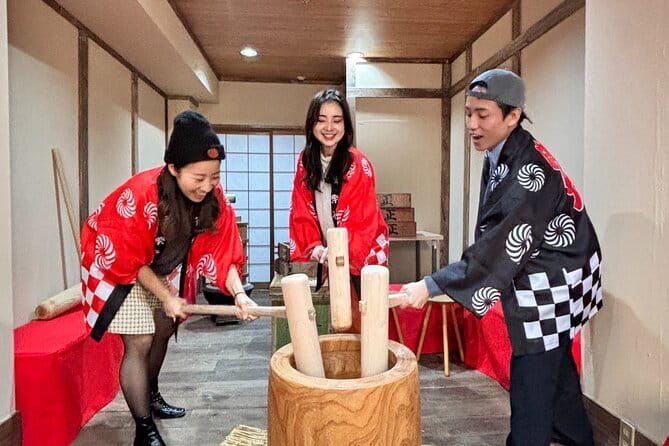
After the talk, the class moves into the practical part: you’ll participate in steaming glutinous rice and then pounding it into mochi.
1) Steaming the rice
Steaming is the foundation. You’re not just learning the final texture, you’re seeing how the rice transforms. Expect the instructor to guide you on when the rice is ready and how to handle it safely and confidently once it’s warm and sticky.
Same corner of Japan, a different kind of day:
- Osaka Go Karting Tour with Funny Costume
★ 5.0 · 2,658 reviews - Osaka Castle: Museum and Tower Entry Ticket
★ 4.5 · 2,380 reviews - Osaka: teamLab Botanical Garden Entry Ticket
★ 4.5 · 1,710 reviews - Osaka: Tea Ceremony Experience
★ 4.9 · 1,426 reviews
2) Pounding with traditional tools
Then comes the part most people actually came for: using traditional tools to pound the steamed rice. You’ll take turns. That turn-taking matters because it keeps the process moving and prevents everyone from trying to pound at the same moment.
This is physical in a light-but-real way. Reviews and real-world experience point to it as a fun arm workout. If you’ve been walking Osaka all day, you may feel this in your shoulders after, but it’s the good kind of tired that matches the laughter and the teamwork.
3) Shaping and handling the finished mochi
Once the rice becomes mochi, you’ll also get to portion and shape it by hand. That step is where the class turns from food demo to skill practice. You learn the feel of mochi, which is different from most desserts you may already know.
A quick safety note for picky eaters and brave beginners
Mo c hi is chewy and sticky, so don’t expect a crunchy snack texture. If you’re worried about texture, it helps to know you’ll get serving guidance and you can try smaller bites during the tasting.
Toppings and Tea: How the Tasting Actually Works
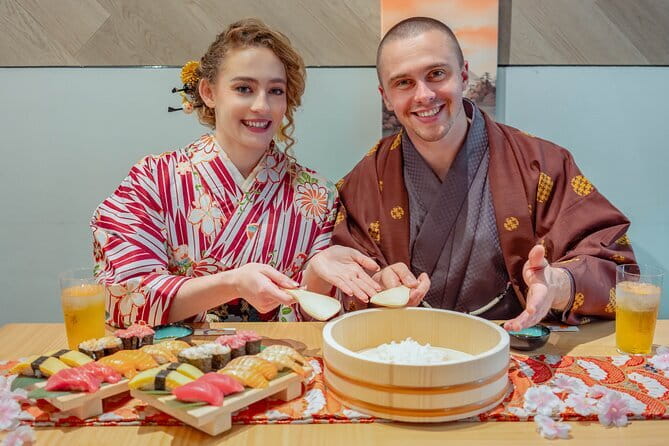
The end of the class is a tasting with freshly pounded mochi served with five Japanese seasonings and ingredients, alongside a cup of tea. This part is where you cash in on the “I made this” feeling.
Classic options include:
- Kinako (toasted soybean flour)
- Sweet red bean paste
And in many sessions, you’ll likely see a wider spread of tasting styles beyond just those two. Some groups report trying more topping variations than you might expect from a simple “five and done” description. Either way, the point is the same: you’ll learn how different flavors completely change the mochi experience.
The tea also matters. It helps cut the sweetness and balances the chewy richness. If you’re the type who loves comparing food styles, this tasting portion is where you’ll get your best “now I get it” moment.
Portion satisfaction is real here too. Mochi can feel filling, so come with some room in your day. You’re not just doing a quick taste, you’re leaving with the feeling that you actually ate a proper snack.
Small-Group Dynamics: Why Max 10 Travelers Makes It Worth the Time
With a maximum group size of 10 travelers, the class avoids the problem of being lost in a crowd. You’re more likely to:
- get a turn with the pounding
- have time to ask questions
- receive hands-on corrections without feeling rushed
This also tends to make the class feel welcoming rather than instructional. Staff often do a great job keeping explanations simple and moving smoothly, and several people highlight the friendly energy of the instructors.
If you’re traveling solo, the small group means you’re still part of something. If you’re traveling with friends or family, the small group keeps it from feeling chaotic.
Language Support: English Plus Chinese So You Can Follow Without Stress
The class offers English and Chinese. Chinese support may come through slides or interpretation. In either case, it’s designed so you’re not stranded during the history talk or while someone is explaining technique.
In real terms, language support is what makes the difference between:
- a fun hour you mostly guess at
- and a fun hour where you actually understand what you’re doing
If you can read a little Chinese, you may find the slides helpful even if you rely mostly on English.
Dietary Preferences and Family-Friendly Details That Matter
This activity explicitly accommodates dietary preferences, including vegan and vegetarian options. That’s a big deal because mochi toppings in Japan can include items you might not expect, like dairy or specific ingredients. Here, you can participate without needing to sit out.
It’s also family-friendly. Children are welcome, and staff can provide options like a smaller mallet for kids, so younger participants can join in rather than just watching.
One more practical consideration: if you’re traveling with elderly family members, plan for smaller portions. Mochi is delicious, but it’s also chewy and sticky, and the class notes that elderly guests should eat rice cakes in small portions due to choking risk.
Price and Value in Osaka: What $32.37 Buys You
At $32.37 per person for about 1 hour, this sits in the category of affordable cultural activities with a real payoff. You’re not only paying for ingredients. You’re paying for:
- instruction (including a guided history segment)
- traditional tools and a hands-on format
- freshly pounded mochi rather than store-bought samples
- a tasting spread with tea
- small-group time, capped at 10 people
When you compare it to the cost of a lot of “food experiences” that mostly give you a plate and a short explanation, this one gives you the making process. That extra involvement is what usually makes it feel like better value, especially if you’re the type who enjoys learning with your hands.
Weather, Clothing, and Practical Tips for a Smooth Experience
This experience requires good weather. If it’s canceled due to poor weather, you’ll be offered a different date or a full refund.
For clothing, keep it simple:
- Wear lightweight clothes if it’s hot out, since the room can run warm during pounding.
- Be ready for sticky moments. Mochi is part of the fun, and hands-on means you’ll likely get a little contact with dough textures.
Also, because this is centered in Dotonbori, it can be easy to plan around it. Aim to arrive a little early so you’re not stressed. It’s the kind of class where calm helps you enjoy every step.
Should You Book This Mochi Pounding Class in Osaka?
Book it if you want a short, hands-on Japanese food experience that ends with you eating what you made. The hour format works well for most Osaka days, and the small group size keeps the experience personal.
You should also book if you like food comparison. The tasting with kinako, sweet red bean paste, and tea lets you experience mochi in multiple flavor directions, and that makes the whole thing more memorable.
Skip it if you hate getting your hands a bit messy or if chewy/sticky textures are a deal breaker for you. And if you’re traveling with elderly guests, plan for small bites.
If you’re still deciding, choose the session time that fits your day and go in hungry. This is one of those Osaka activities where the fun comes from teamwork, technique, and the final warm, freshly made mochi.
FAQ
How long is the mochi pounding experience?
It’s listed as about 1 hour.
How much does it cost?
The price is $32.37 per person.
Where is the meeting point?
You’ll meet at Mochi Pounding Experience Osaka “Oh Mochi”, 2-chōme-4-11 Dōtonbori, Chuo Ward, Osaka, 542-0071, Japan, and it ends back at the meeting point.
What’s included in the experience?
You can expect a history talk (about 10 minutes), steaming glutinous rice, using traditional tools to pound the rice into mochi, and then enjoying freshly pounded mochi with five seasonings and ingredients plus a cup of tea.
What toppings are used for the tasting?
Toppings can include kinako and sweet red bean paste, along with other Japanese seasonings and ingredients.
Are there morning and afternoon sessions?
Yes, you can choose from morning or afternoon sessions to fit your schedule.
What languages are supported?
The experience offers English and Chinese, with Chinese supported through slides or interpretation.
Is the class suitable for kids and families?
Yes. Families with children are welcome, and the activity notes that kids are more than welcome.
Does it work for vegetarians or vegans?
Yes. The activity states it can accommodate vegan and vegetarian dietary preferences.
Fresh options around Osaka
- Osaka Winery Tour with Wine Tasting & Vineyard Walk★ 4.9 · 12 reviews
- Osaka: Early Morning Osaka Castle Guided Tour, Avoid Crowds★ 4.9 · 12 reviews
- Kyoto Day Trip from Osaka Port – Private Shore Excursion★ 5.0 · 13 reviews
- Osaka Private Pop Culture Tour: Historic Tenma to Dotonbori★ 4.5 · 13 reviews
- Osaka Castle Admission Ticket★ 4.0 · 13 reviews
- Hidden Osaka Foodie Tour: Nishinari Backstreets & Local Dining★ 5.0 · 13 reviews
- Discover Real Osaka: A Cultural Walk with Food & Drink★ 5.0 · 13 reviews
- Nara private tour (Shore excursion available from Osaka or Kobe port)★ 5.0 · 13 reviews
Food & Drink, compared.
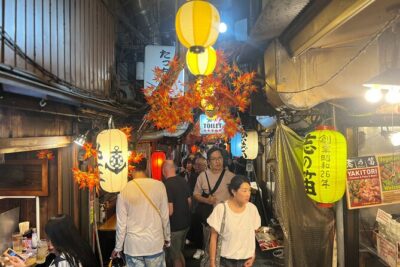
Shinjuku Food Tour (13 Dishes at 4 Local Eateries)
Read our review →
Tokyo Tsukiji Fish Market Food and Culture Walking Tour
Read our review →
Shinsekai Food Tour with 13-15 Dishes at 5 Eateries
Read our review →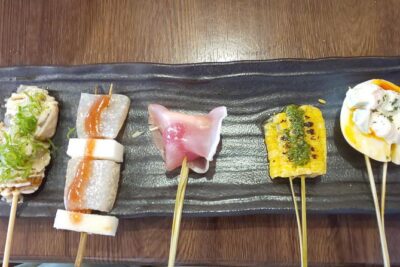
Osaka Food Tour: 13 Dishes at 5 Local Eateries
Read our review →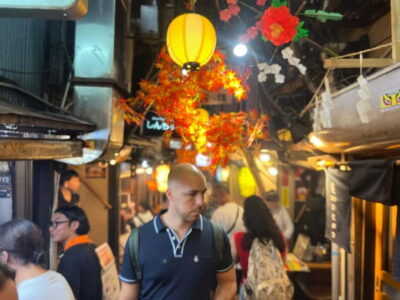
Shinjuku Food Tour (15 Dishes and 4 Eateries)
Read our review →
Best of Shinjuku: Izakaya Food Tour (4 Stops, 14+ Tastings)
Read our review →
Kyoto Night Foodie Tour in Gion (9+ dishes + 6 Sake tastings)
Read our review →
Hungry Osaka Street Food Tour:15 Tastings & 3 Drinks with a Local
Read our review →Browse the lists this tour appears in