
Reviewed · FULL-DAY
Kyoto Full Day Tour from Osaka with Licensed Guide and Vehicle
Kyoto, without the crowd stress. This private day tour from Osaka pairs a licensed English guide with a private vehicle, so you can bounce between the city’s top sights without wrestling trains or buses. I like the hotel pickup and drop-off, and I really like the fact that you can customize your day by choosing 3-4 stops that match your interests. The main trade-off is simple: you cannot see everything, and you’ll still pay for entrance fees and lunch yourself.
What makes this work in practice is how guides think about time. For instance, guides like Haru and Kaeko Tanigawa have a reputation for arranging the order of stops to help groups move through big-name areas faster. Tomy is also noted for planning an efficient route when time is tight, like when a ship calls at Osaka for only a day.
Price-wise, it’s $1,060.40 per group up to 4 people. That’s not cheap, but it often becomes good value when you compare what you’re getting: a private car plus a licensed local English guide for about 8 hours.
Key highlights you should care about
- Hotel pickup and drop-off from Osaka means you start and end the day with less friction.
- A licensed local English-speaking guide who can explain what you’re seeing, not just point.
- Choose 3-4 sites from a big Kyoto menu, so you avoid the all-burnout, see-everything trap.
- Crowd-smart routing is a recurring theme in guide feedback, including managing the flow at Fushimi Inari and Gion.
- Entrance fees and lunch are not included, so you plan your budget knowing what’s extra.
- Comfort and flexibility in the vehicle, with mention of special help like a wheelchair carried in the car for one guest who needed it.
Private Kyoto from Osaka, and why it feels smoother
If you’ve ever tried to do Kyoto in a rush, you already know the pain point: travel time plus walking time plus crowd time. A private vehicle changes that math. You get to spend your energy on the sights, not on figuring out which train, which platform, and which stair you can actually find while holding your bags.
Pickup is offered, and in the examples shared by past groups, the coordination can be smooth even when people are starting from places like Osaka Port. You also avoid the awkward moment where everyone’s on schedule until someone misses the transfer and the whole day gets stretched.
Another practical win is comfort. You’re not crammed into public transit with sightseeing knees and a dead phone battery. You’re in a car for the travel segments, and that makes a huge difference once you choose temples that involve real stairs and uneven stone paths.
A few more Osaka days worth comparing
- Osaka Go Karting Tour with Funny Costume
★ 5.0 · 2,658 reviews - Osaka Castle: Museum and Tower Entry Ticket
★ 4.5 · 2,380 reviews - Osaka: Shinsekai Food Tour with 13-15 Dishes at 5 Eateries
★ 4.8 · 2,204 reviews
Custom 3-4 stops: how to pick wisely
This tour lets you customize your day by selecting 3-4 sites from a menu. That’s the whole key. Kyoto rewards focus, not speed-running. If you try to cover too many places, the day turns into “look, take a photo, shuffle, repeat.”
Guides tend to solve the big problem, which is crowd timing. Haru and others are specifically praised for knowing where to go and in what order to keep things moving. Kaeko Tanigawa is also mentioned for organizing the visit sequence so groups can see multiple highlights without constantly backtracking.
A quick strategy that works well for first-timers:
- Pick one “icon” temple or shrine (something you can recognize instantly).
- Pick one cultural street or market area for atmosphere and shopping.
- Pick one Zen garden or architectural masterpiece.
- If you have time and energy, add one “local-feeling” hillside or quieter temple.
Remember: entrance fees are not included, and lunch is not included. The upside is your guide can steer you toward places that fit the area you’re standing in, like stopping near Nishiki for a bite instead of making you chase a reservation across town.
Morning to early afternoon: Fushimi Inari, Kiyomizu-dera, and the big sights
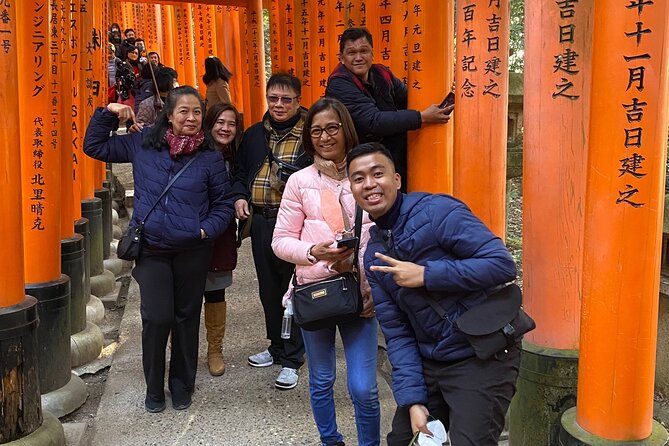
If you want Kyoto’s most recognizable start, Fushimi Inari-taisha Shrine is the move. It’s famous for its thousands of torii gates and for the walk that slowly turns from simple sightseeing into a full sensory experience. The drawback is crowd density, especially around peak hours. A guide helps by managing timing and flow, so you spend more time walking and less time stuck.
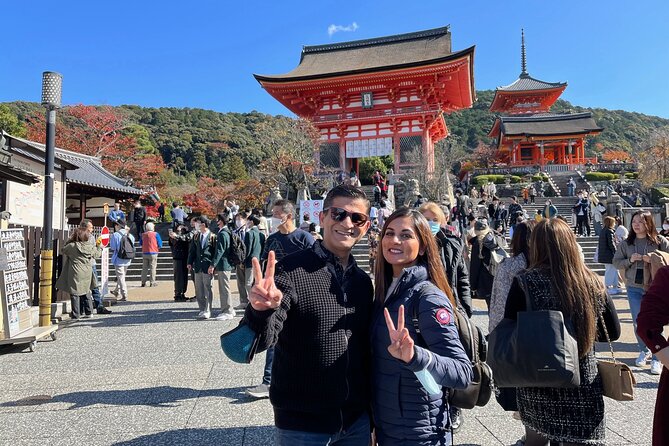
Kiyomizu-dera Temple is another iconic pick. In the tour format, it can include a guided 1-hour tour, which is useful because this temple is more than a single view. You’ll get the story behind the complex and the layout, which makes your photos more meaningful because you understand what you’re looking at.
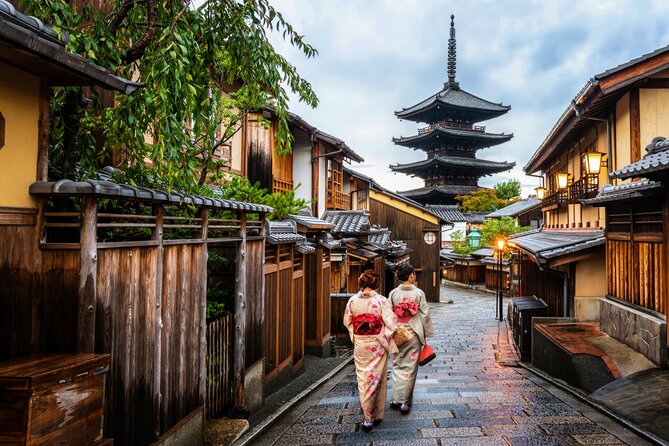
Then comes a classic pairing: Gion plus the nearby lanes around Pontocho. Gion’s narrow alleys can feel confusing if it’s your first time in Kyoto, and it’s easy to “wander the wrong way” while looking for the famous corners. With a guide, you can focus on the right streets, and you can also connect the area to what it represents historically.
In this same general zone, Higashiyama Ward is a strong choice if you want traditional Kyoto vibes and pedestrian-friendly wandering. The drawback is that it’s popular for a reason, so you’ll still need patience. Your best friend here is selecting the right site mix, not trying to do every street at once.
Nijo Castle, Kyoto Imperial Palace, and the feel of old power
For a change of pace from temple viewing, Nijo Castle is a smart option. It was built in 1603 as the Kyoto residence of Tokugawa Ieyasu, the first shogun of the Edo period. The main value is context: it helps you understand Kyoto not only as a spiritual city, but also as a political stage.
Kyoto Imperial Palace (Kyoto Gosho) shifts the mood again. It used to be the imperial residence until 1868, when the emperor and capital moved to Tokyo. The palace grounds are spacious, which is great when you want your photos to have breathing room instead of tight lanes and packed sidewalks.
Practical note: both of these are listed with admission not included. So you’ll want to check your budget for ticket costs, then let your guide handle the route and timing.
Same corner of Japan, a different kind of day:
- Osaka Food Tour: 13 Dishes at 5 Local Eateries
★ 5.0 · 2,149 reviews - Hungry Osaka Street Food Tour:15 Tastings & 3 Drinks with a Local
★ 5.0 · 1,727 reviews - Osaka: teamLab Botanical Garden Entry Ticket
★ 4.5 · 1,710 reviews - Osaka: Tea Ceremony Experience
★ 4.9 · 1,426 reviews
Nishiki Market: the best use of 45 minutes you might not think of
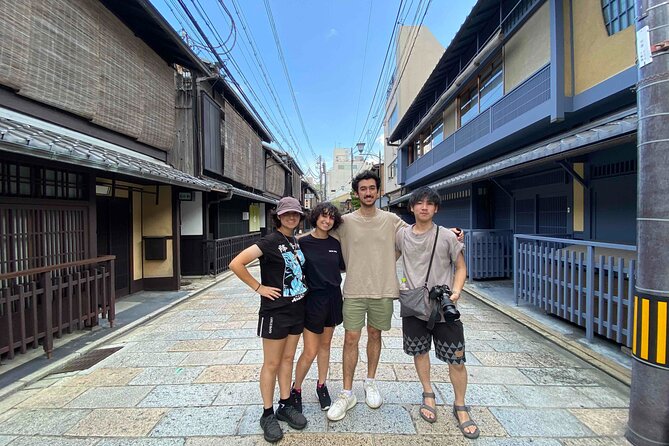
Nishiki Market is known as Kyoto’s Kitchen, and that nickname is not subtle. It’s a narrow stretch lined with shops and restaurants, and it’s perfect for quick snacks and browsing. The practical advantage on a guided day is that you don’t just stand in front of stalls. You can ask what’s worth trying and what to skip based on what kind of food you actually like.
Nishiki is listed as admission free, so it’s a good place to spend time without adding ticket overhead. The drawback is that it’s lively and narrow, so it can get crowded. This is where crowd-smart planning helps. If you arrive at a smarter time, you’ll enjoy it instead of fighting shoulder-to-shoulder flow.
Kennin-ji Temple is a nice pairing nearby if you want to swap “shopping energy” for a calmer walk. It’s close to the bustle of Hanamikoji and Shijo streets, and its grounds are described as pleasant to walk. The drawback is that it’s not the kind of place you rush through for one perfect photo. Give it time, and don’t treat it as a five-minute pit stop.
Zen temple choices that actually help you decide
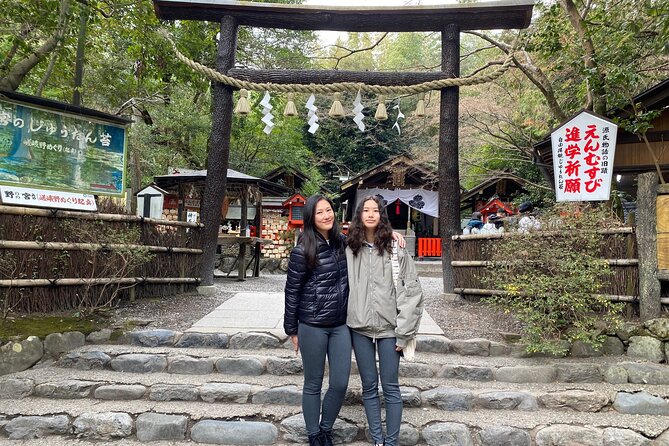
Kyoto’s Zen temples can blur together if you don’t pick with intention. Here’s a way to keep your day clear: choose one temple for the gardens, one for the architecture or scale, and one for the quiet mood.
Ginkakuji Temple, also called the Silver Pavilion, is a classic. It’s tied to shogun Ashikaga Yoshimasa and was built as a retirement villa modeled after Kin. The appeal is the refined, contemplative atmosphere. The drawback is that it’s popular, so you should expect steady foot traffic.
Nanzenji Suirokaku is another strong Zen-era stop. The temple grounds sit at the base of Higashiyama mountains, and Suirokaku itself is often a standout structure. The value here is the sense of space around you. The drawback is that it’s easy to forget to slow down, because you’re watching for “the best spot.” Take a minute and look beyond the landmark.
Tofuku-ji Temple is particularly famous for autumn colors, and it can also be a great crowd choice depending on the day. One guide tip that really lands: the rock gardens at Tofuku-ji can feel calmer than the busiest shrine areas, which means you get to actually focus on details instead of waiting for space.
Toji Temple is a useful contrast. It’s a large Heian-period era temple, and it carries weight because it’s tied to the capital moving to Kyoto in the late 700s. It’s not always the first name people think of, which can be a plus if you want some variety.
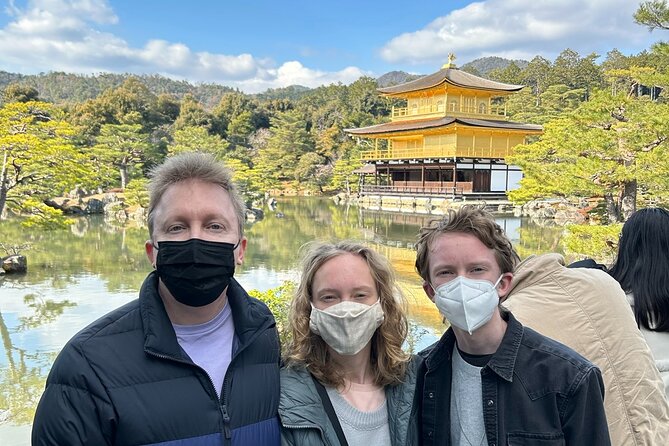
Kinkakuji Temple, the Golden Pavilion, is the showstopper for many people. Its top floors are covered in gold leaf, so it’s instantly recognizable. The drawback is crowding and the temptation to treat it like a quick photo stop. If your guide times it well, you’ll spend more time understanding the setting and less time in the “line shape.”
Ryoan-ji Temple is famous for Japan’s most well-known rock garden. It’s the kind of place where the experience is about how you look, not what you can photograph. The drawback is that people tend to rush for a quick glance. If you slow your pace, you’ll get more out of it.
Ninna-ji Temple is another World Heritage-listed Zen site. It’s described as the head temple of the Omuro School of the Shingon sect, founded in 888. The value is the religious depth and historical importance. The drawback is that it’s not as instantly dramatic as Golden or Silver Pavilion, so you’ll want to be in the right mood.
Shugakuin Imperial Villa is a different category again. It’s an imperial villa complex managed by the Imperial Household Agency, with Upper, Middle, and Lower Villa areas. If you like garden design and controlled views, this can be a satisfying pick. The drawback is that it’s not a one-minute wow stop, so it rewards patience.
Arashiyama: bamboo, bridge views, and the “walk it” payoff
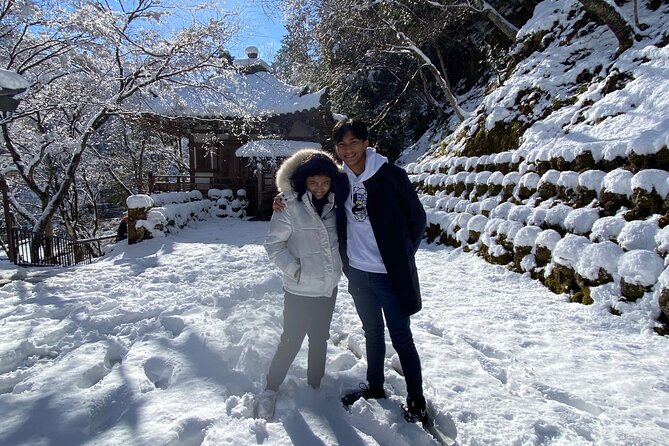
Arashiyama is popular for a reason. It’s scenic, it’s walkable in segments, and it has enough variety to match different energy levels.
Arashiyama itself is the base idea: a district in western Kyoto that has been a destination since the Heian period. The drawback is that the area is touristy, so you’ll need to plan your time to avoid feeling like you’re just part of a crowd flow.
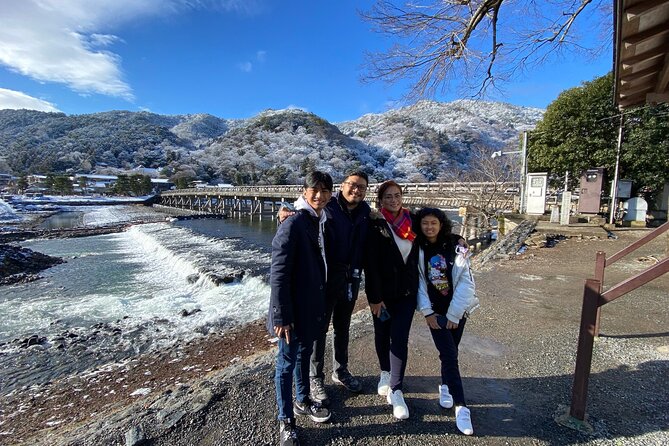
Togetsukyo Bridge is the most iconic landmark in Arashiyama. It’s been reconstructed more recently, and its look is strongly tied to the area’s identity. The value is that you get a signature Kyoto view quickly. The drawback is that it can be photogenic and crowded at the same time.
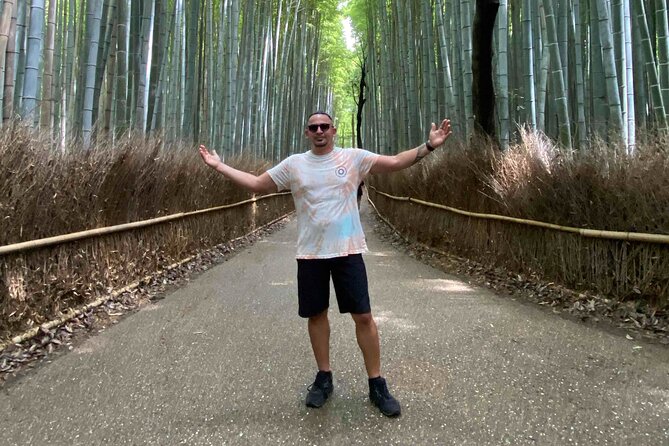
Bamboo Forest Street is where you go when you want the classic visual rhythm of bamboo, paths, and shifting light. It’s great when there’s a light wind because the bamboo moves. The drawback is simple: it’s also where many people want to stop. If traffic or timing gets tricky, a driver and guide can help you keep the day on track.
Tenryu-ji Temple is described as the most important Zen temple in Arashiyama and is registered as a world heritage site. It’s listed as one of Kyoto’s five great Zen temples, and the temple’s scale can feel impressive. The practical value is that it gives your Arashiyama day a deeper cultural anchor beyond scenery.
Daikaku-ji is a calmer counterpoint. It was originally built as the detached palace of Emperor Saga, and today it’s known for being a large temple in the Sagano district. If you’re tired of the busiest zones, it’s a good “step away” choice.
Katsura Imperial Villa is a big architecture and garden design reference. It was completed in 1645 as the residence in its present form, and it’s considered one of the finest examples of Japanese garden design. The drawback is that you need to like gardens to fully enjoy it, because it’s not a shrine that hits you with one single icon.
Okochi Sanso Garden is another garden-minded option, and it’s specifically the former villa of actor Okochi Denjiro. It sits in the back of Arashiyama’s bamboo groves, and it’s made up of several different gardens and buildings. The value is contrast, too, because you’re not just looking at bamboo. You’re stepping into an estate mood.
Tenryu-ji appears twice in the list, but you can treat it as one choice. Jojakkoji, Nisonin, and Gio-ji are a trio of hillside temple vibes. Each is tucked into the mountain setting, and you’ll hear about features like moss gardens, maple trees, overhanging trees, and understated atmosphere. The drawback across these: they’re quieter, but that means you have to be willing to walk and take your time to appreciate the setting.
Adashino Nenbutsu-ji and Otagi Nenbutsu-ji are stone statue experiences. Adashino is at the end of the Saga-Toriimoto preserved street and is associated with Kobo Daishi placing stone statues for souls of the departed. Otagi is famous for its 1200 stone statues of rakan, each with a different face. The value is that it feels unusual and memorable. The drawback is that it’s easy to miss the details if you rush.
Northern Kyoto options: Kibune River, Kurama, and Yoshimine-dera
If your goal is less crowds and more forest atmosphere, Kyoto’s northern mountain options are worth considering.
Kibune River is described as a small town in a forested valley in northern Kyoto City, developed around Kifune Shrine. There’s also a legend about a goddess traveling by boat all the way from Osaka. The value is atmosphere. The drawback is that it’s more dependent on the day’s weather and your willingness to travel beyond the central tourist zones.
Kurama-dera is tied to Kurama, a rural town less than an hour from the city center. It’s known for Kurama-dera and a hot spring. The value is that it feels like you’re stepping out of the main Kyoto postcard loop. The drawback is that you may have less time for the big icons if you spend your limited stops here.
Yoshimine-dera is another mountain temple option in western mountains, of the Tendai sect. It’s built along the side of the hill, which means it’s less of a quick flat visit and more of a walking experience. The value is the mood. The drawback is you’ll want comfortable shoes and a pace that matches hillside terrain.
Transportation, comfort, and fit for families or mixed ages
The private vehicle is a real advantage for groups with different walking speeds. In the experiences shared with this tour, guides have been patient with families traveling with kids, and there’s even an example of a driver providing mobility help using a wheelchair stored in the car.
That said, there are practical limits. Only limited car seats and booster seats are available, rear-facing car seats are not provided, and you must contact the company directly if you need them. If this matters for your family, plan ahead early.
Service animals are allowed, and the tour is private, meaning you do not share the vehicle or guide with other groups. That matters for comfort and for keeping your schedule intact.
Price and value, is $1,060.40 per group worth it?
Let’s do the honest math. The price is $1,060.40 per group up to 4. If you fill all four seats, it’s about $265 per person. If it’s just two of you, it’s about $530 per person.
So when does it feel like a win?
- When you have a small group and you want a full-day experience without train transfers.
- When you want a guide to shape the day, especially for crowd-heavy areas like Fushimi Inari and Gion.
- When you’re on a tight schedule, like a cruise port call, and you need the day to function as a coherent plan instead of a guess-and-check puzzle.
What’s not included matters too. Entrance fees, lunch, and personal expenses are extra. The tour also covers guide entry fees only for listed stops you choose. In other words, you’ll budget for tickets and food, but you’re paying for guide time and transport.
Given the strong overall rating and the pattern of praise for planning and crowd management, the value tends to show up most for people who want Kyoto’s highlights with less stress.
Should you book this Kyoto day from Osaka tour?
Book it if you want a smooth, guided Kyoto day with private door-to-door transport, and you’re ready to choose 3-4 stops rather than trying to “see it all.” This is especially smart for first-timers who feel overwhelmed by Kyoto’s layout or for families and mixed-age groups who would lose time to wayfinding.
Skip it, or at least rethink your plan, if you want to roam freely at your own pace for many hours without a structured route. Also be realistic about costs: entrance fees and lunch add up, and you’ll only get the best results if you pick stops that fit your interests.
My advice: pick one icon, one market or street moment, and one Zen-garden or temple experience. Then let the guide handle the order so you spend your energy on Kyoto, not on logistics.
FAQ
How long is the Kyoto tour from Osaka?
The duration is about 8 hours.
How many people are included in a group?
The price is per group for up to 4 people.
Can I customize which Kyoto sites we visit?
Yes. You can customize the day by choosing 3-4 sites from the available options.
Is hotel pickup and drop-off included?
Pickup is offered, and you’ll have hassle-free pickup and drop-off.
Does the tour include a licensed English-speaking guide?
Yes. The tour includes a licensed local English-speaking guide.
Are entrance fees included?
No. Entrance fees are not included.
Is lunch included?
No. Lunch is not included.
Is it a private tour or shared with other groups?
It’s a private tour. Only your group participates.
What payment or ticket method is used?
A mobile ticket is offered.
Fresh options around Osaka
- Osaka Castle Walking Tour★ 5.0 · 29 reviews
- Osaka & Kyoto & Nara Top Hightlights English Speaking Tour★ 4.0 · 29 reviews
- Kyoto Full Day Sightseeing Tour from Osaka or Kyoto★ 4.0 · 29 reviews
- Osaka: Kamigata Ukiyo-e Museum Admission Ticket★ 4.7 · 30 reviews
- Osaka Shinsaibashi Pearl extraction experience★ 4.3 · 30 reviews
- Deep Dive: Osaka Food Markets from Local to Luxurious!★ 5.0 · 31 reviews
- Osaka: Cooking Class & Sake Tasting with Local Market Visit★ 4.8 · 31 reviews
- Ninja Experience in Osaka★ 5.0 · 31 reviews
Full-Day, compared.
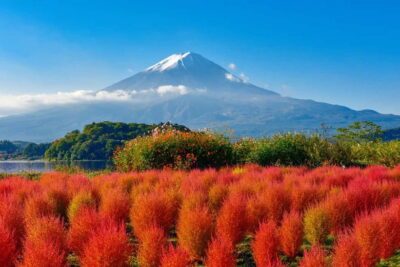
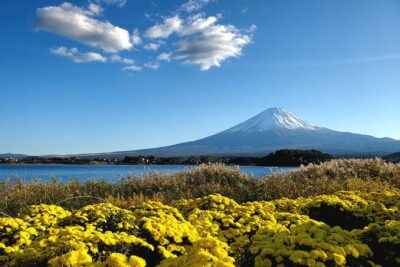
Mount Fuji Full-Day Private Tour from Tokyo (Customizable)
Read our review →
Hiroshima / Miyajima Full-day Private Tour with Government Licensed Guide
Read our review →
Tokyo Private Full-Day Tour by Car or Van
Read our review →

5 Top Highlights of Kyoto Full Day Bike Tour (E-bike option)
Read our review →
Full Day Biking Tour Exploring the Best of Kyoto
Read our review →
Mt. Fuji, Hakone Full-Day Private Tour with English Driver Guide
Read our review →Browse the lists this tour appears in