
Reviewed · MT FUJI TOURS
3 Day Japan Highlights Tour: Tokyo, Mt.Fuji, Nara, Kyoto, Osaka
Three days, big Japan energy. This Tokyo to Osaka highlights tour strings together top sights with comfort and timing, from the Great Buddha views in Kamakura to Kyoto’s temples and Osaka’s Dotonbori lights. I like that it runs in a small group with an English speaking guide, so you get answers on the spot, not after you get home.
I also really like the variety built into the pacing. You get sea views at Enoshima, crater scenery in Hakone, classic Fuji photo stops, and then world class heritage days in Nara and Kyoto, with Nagoya and Osaka for contrast. One consideration: the schedule is full, and many temple and ropeway items cost extra, so you’ll want a realistic daily budget for admissions and snacks.
Key things I found especially useful
- Small group flow with an English speaking guide helps you move fast without feeling rushed or lost
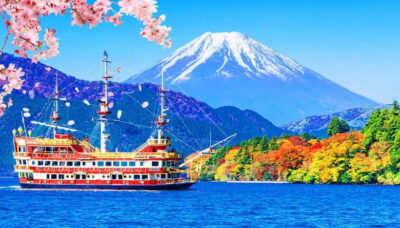
- Hakone crater lake day pairs Owakudani black eggs with a pirate ship cruise for a true wow factor
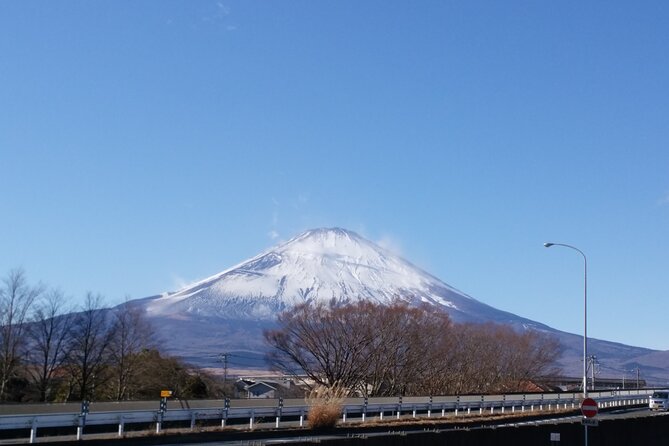
- Mt. Fuji viewpoints depend on weather, so you should plan to enjoy the stops even on hazier days
- Nara to Kyoto jump with guided stops keeps big sites manageable in a short time window
- Evening time in Nagoya and Osaka lets you taste Japan after dark, not just see temples
Why this route works: Tokyo to Osaka in 3 days without the chaos
This tour is built for people who want the headline sights but still care about comfort and context. The big win is that you’re not doing the whole thing as a DIY scramble. An air-conditioned vehicle, road tolls, and parking fees are handled, so your day stays focused on sightseeing instead of logistics.
The second win is the guide. With an English speaking guide, you can actually understand what you’re seeing. That matters most at places like Todai-ji in Nara, where the scale can feel abstract until someone explains what you’re looking at. Same with Fushimi Inari-taisha, where the torii tunnel looks simple, but the meaning and layout make more sense when you have a quick map and guidance in real time.
The third win is that it’s structured like a highlights tour, not a marathon. Each day has a theme. Day 1 is coastal and volcanic scenery (Kamakura to Hakone). Day 2 is the Fuji region and traditional village atmosphere (plus a Nagoya evening). Day 3 is heritage and nightlife (Nara, Kyoto, Osaka).
More Mt Fuji tours from Tokyo:
- Mt Fuji and Hakone 1-Day Bus Tour Return by Bullet Train
★ 5.0 · 26,383 reviews - Mt Fuji & Hakone Cruise, Drum Show Bullet Train 1 Day from Tokyo
★ 4.0 · 7,413 reviews - Tokyo Mt Fuji 5th St & Hakone Cruise Bus Tour w/Bullet Train
★ 4.4 · 5,024 reviews
Price and value: what $1,310.55 covers, and what you’ll budget for
At $1,310.55 per person, you’re paying for more than tickets. This price includes:
- 3 star accommodation
- 2 breakfasts
- WiFi on board and an air-conditioned vehicle
- Parking fees and road tolls
- Mobile ticket
That’s meaningful on this route because the distances between Hakone, Fuji area, Nagoya, Nara, Kyoto, and Osaka are not small. If you tried to “wing it” across all of it, transportation costs and time loss add up fast. Here, you trade that DIY hassle for a set plan and a guide-led rhythm.
What’s not included is also clear. Lunch and dinner are not included, and many site admissions are not included in the day-by-day list. Some costs you should expect include:
- Hakone Ropeway: 2,000 yen
- Hakone Pirate Ship: 1,700 yen
- Todai-ji: 800 yen
- Kiyomizu-dera: 500 yen
- Saiko Iyashi no Sato Nemba village: 500 yen
- Fugaku Wind Cave: 300 yen
- Tea ceremony at Entoku-in: 1,300 yen (optional)
Add those up and you’ll feel the difference between “free stops” and “ticket stops.” My practical advice is to budget for admissions and a couple of snacks, even if you plan to keep meals simple. The tour includes breakfast only, so you’ll likely want lunch most days.
How pickup, mobile tickets, and timing actually feel on the ground
The tour starts at Narita Airport Terminal 2 and 3 Station in Chiba, with pickup offered (your exact pickup experience depends on where you’re staying and what the operator confirms). The activity service window listed is 8:00 AM to 8:00 PM, so you should expect long sightseeing days rather than a relaxed half-day rhythm.
You’ll also have mobile ticket access and WiFi on board, which helps for navigation and quick planning during breaks. With a group size capped at 23 travelers, you get the benefit of guidance and pacing without the crush you see on the biggest bus tours.
Here’s the mindset that makes this work: treat each day as a “see and understand” day. You’ll get focused time at major sights, then move on. If you go in expecting hours and hours to linger, you’ll feel the pace.
Day 1: Kamakura’s Great Buddha and Hasedera, then Hakone’s ropeway and crater lake
Day 1 is the coastal-to-volcanic sweep. You start in Kamakura, a spot that feels historic but still relaxed compared to some mega-cities. The first stop is Kotoku-in (Great Buddha of Kamakura), a bronze statue about 11 meters high, dating back to 1252. It’s quick, but it sets the tone. Even in a short visit, you get the feeling of an ancient place with real weight.
Next is Hasedera Temple, known for a giant wooden sculpture of the goddess of mercy, around 9 meters. This stop is not just about photos. The gardens and the ocean views help you slow down. If you like temples where you can walk and look around, this is one of your better chances to breathe.
Then you head to Enoshima Island. This is one of the more “vacation” stops on the route, with a shrine complex, sea caves, and a public bath option. You can also eat seafood nearby, and if you’re watching surfers, you’ll see the coast come alive.
After that, the day shifts fully into Hakone mode. You board the Hakone Ropeway (with an included Lake Ashinoko Sky Line drive segment afterward). The ropeway is a sightseeing tool, not just transport, and you’ll get strong views down over the valley.
At Owaku-dani (Hell Valley), you’ll see sulfur steam vents. If you want the iconic local snack, this is where you’ll find kuro-tamago (black eggs) boiled in the volcanic springs. It’s a simple experience, but it’s also very “Hakone,” and it’s fun to pair it with the crater scenery.
Then you ride the Hakone Pirate Ship from Tōgendai Port over the extinct volcano crater lake. On clear days, Mt. Fuji can show up. Even if Fuji hides, the water-and-hills mix gives you that classic Hakone crater-lake mood.
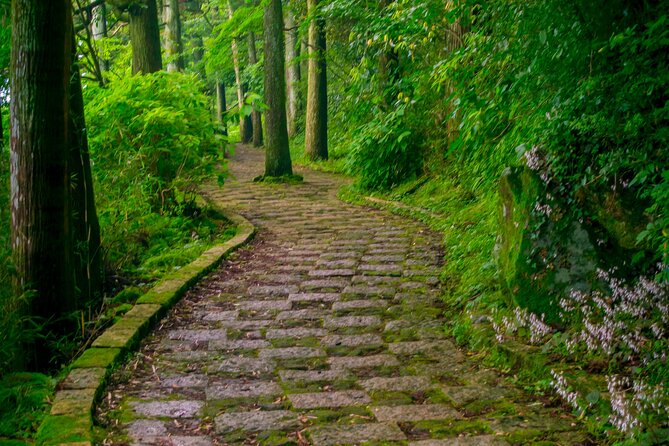
The day finishes with Hakone Jinja (shrines in cedar forest and the torii gate perspective depending on where you focus) and Lake Ashinoko Sky Line, where mountain and lake views are the point.
Drawback to keep in mind for Day 1: it’s a lot of moving. You do get a break between stops, but you shouldn’t plan on deep rest. If you’re sensitive to busy days, pack a light day bag with water and a snack you like.
A few more Tokyo days worth comparing
- 1-Day Tokyo Bus Tour
★ 5.0 · 14,250 reviews - Tokyo: TOKYO SKYTREE® Admission ticket
★ 4.5 · 11,192 reviews - Tokyo: teamLab Planets TOKYO Digital Art Museum Entry Ticket
★ 4.6 · 9,779 reviews - Tokyo: Sumo Show Experience with Chicken Hot Pot and a Photo
★ 4.8 · 6,678 reviews
Day 2: Mt. Fuji area stops that balance views, villages, caves, and a forest walk
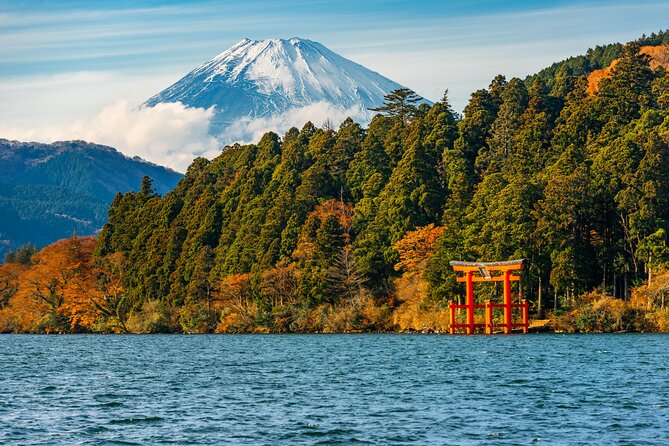
Day 2 is the most “Fuji and culture” concentrated day. You start with time for local specialties at Fuji and then head to Oshino Hakkai, a folk village built around eight crystal clear ponds. The ponds are the star, and the setting feels pleasantly grounded, like you’ve stepped out of a postcard and into a real village.
Then you visit Kitaguchi Hongu Fuji Sengen Jinja, an ancient shrine dating back to 100 A.D., located in a cedar forest at the foot of Mt. Fuji. Even if you’re not deep into shrine history, the atmosphere gives you a strong sense of why people start mountain climbs here.
For views, Oishi Park is a classic stop for Mt. Fuji on clear mornings. Another photo-and-walk choice is Shiraito Falls, where you’ll take a short walk to two waterfalls and grab local snacks.
You also get a more immersive cultural stop at Saiko Iyashi no Sato Nemba, where you can explore a traditional thatched-roof village. You may be able to dress up in kimono or samurai armor here. That’s optional, but it’s one of those experiences that turns into real memory instead of just another temple stamp.
If you like natural curiosities, Fugaku Wind Cave is your switch. Lava tube caves and the idea of a natural “refrigerator” full of ice most of the year is unusual in a good way. It’s small compared to some caves, but it’s memorable.
Then there’s Aokigahara Forest at the foot of Mt. Fuji. The tour lists it as a short walk, and that’s probably wise. It’s known for darker stories, so keep your expectations realistic. You’re there briefly and it functions as a mood shift after all the scenic villages and waterfalls.
In the evening, the tour moves to Nagoya, and you spend time in the Sakae district, with lots of shops and restaurants. This is a smart pivot. It’s not all sightseeing. It’s a chance to eat well and feel the everyday city rhythm.
Potential drawback for Day 2: weather. Mt. Fuji viewing is never guaranteed, and some of the most “Fuji forward” stops depend on visibility. Still, even on hazy days, you’ll get gardens, ponds, waterfalls, shrines, and caves, which keeps the day worth it.
Day 3: Nara deer and Todai-ji, then Kyoto’s Kiyomizu and Fushimi, ending in Osaka at Dotonbori
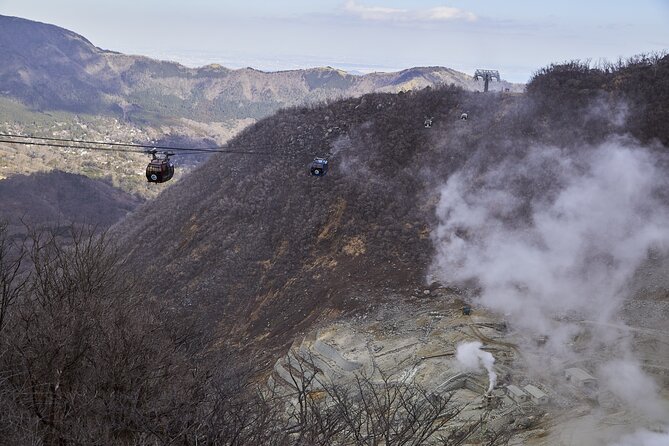
Day 3 is heritage and icons. You start with Nara Park, with a guided walk through the park and its deer. The tour gives you a longer walk here, about 2 hours, which is a good sign. Deer encounters can feel chaotic if you’re rushing, so guided pacing helps keep it fun and respectful.
Next is Todai-ji Temple, founded in 738 and famous for housing the world’s largest bronze statue of Buddha inside an enormous wooden temple. The size is the headline, but the value is seeing how the space is designed to support that scale. The visit runs about an hour, and you should plan to watch your time in the main hall.
You then head to Kiyomizu-dera, a World Heritage site. The key advantage here is the tour’s plan to help you take routes that avoid the worst of the crowds. You’ll also get the traditional shopping area feel nearby, which is one reason Kiyomizu works as a half temple, half “old street” experience.
A standout cultural touch is Entoku-in, the family home and garden of Toyotomi Hideyoshi’s wife Nene, built in 1605. The tour also offers a tea ceremony option there, with an extra fee of 1,300 yen. I like this kind of stop because it shifts you from major landmarks to something quieter and more intimate. If you’re curious about how tea is presented, this is a good way to slow down in Kyoto without losing time.
Then you visit Arashiyama Bamboo Forest. It’s a must-see for many first-timers, but it can get crowded. The tour also notes an alternative if you’re short of time, a less crowded bamboo grove at Kotoku-in temple. That flexibility is exactly what makes a short tour feel smoother.
After bamboo, you head to Fushimi Inari-taisha, famous for its over 10,000 orange torii gates forming tunnels up the mountain. The trick with this stop is to pace yourself. You’ll likely spend about 40 minutes, so focus on the sections that give you the tunnel effect without trying to climb to the farthest points.
Finally, the day ends in Osaka’s Dotonbori. This is where the tone changes from sacred and historical to fun and food-focused. Even with only an hour, you’ll get the neon entertainment district energy. It’s a great finale because it feels different from everything you’ve done earlier.
Season reality check: when Mt. Fuji shows up, and when it doesn’t
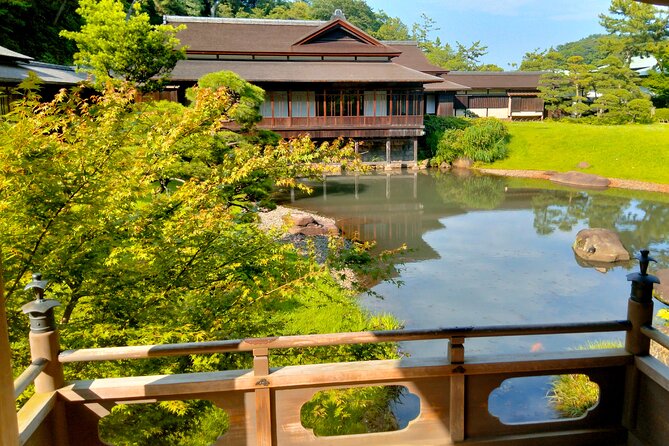
Mt. Fuji is the star in this itinerary, and it also depends heavily on weather. Stops like Oishi Park, the Hakone cruise area, and general drive viewpoints have clear-day emphasis. If you’re traveling in a season where haze and clouds are common, you might not get the crisp “Fuji photo” moments.
But here’s why I still think this tour is worth it: even when Fuji hides, you still have a packed mix of places that don’t require a perfect view. Oshino Hakkai, Shiraito Falls, the Hakone crater scenery, Todai-ji, Kiyomizu-dera, and Fushimi Inari-taisha are still strong experiences without a blue-sky backdrop.
My advice is to go in planning to enjoy the day rather than chasing a single outcome.
Practical tips so you enjoy every stop instead of just collecting stamps
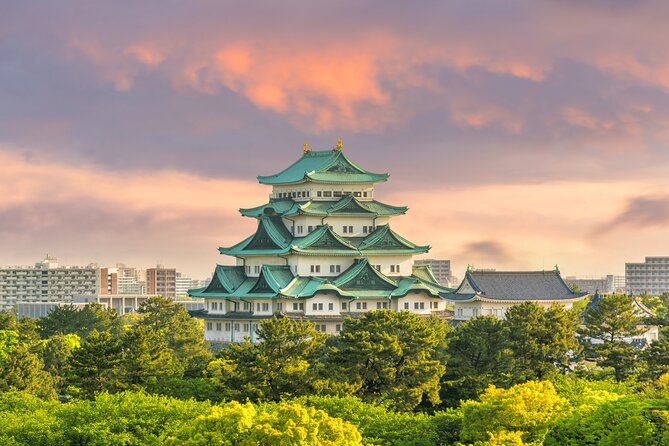
First, manage expectations for time. This is a “see a lot” route. To make it feel enjoyable, plan your priorities before you go. If you want more nature time, you’ll probably enjoy Enoshima, Owaku-dani, and Arashiyama. If you want more heritage, your focus should lean toward Todai-ji, Kiyomizu-dera, and Fushimi Inari.
Second, budget for extras even if you keep meals simple. Lunch and dinner are not included, and several sights have separate admission fees. Bring a small amount of cash for quick snack stops and any add-ons.
Third, carry light layers. Temples and coastal stops can feel cooler, and crater areas can be windy. A compact jacket saves you.
Fourth, be ready for crowd rhythm. The tour explicitly mentions routes to avoid the worst crowds near Kiyomizu-dera. Still, you should expect that classic Kyoto and Nara flow will bring people through at similar times. Your best move is to follow your guide’s timing.
Finally, if you want the cultural angle, ask questions. One reason this tour works is that Matt, the guide, is strong at helping you make sense of where you are and why it matters. Even simple questions about shrine meaning, temple layout, or what volcanic areas do to the local landscape can turn a stop into something you remember later.
Who should book this tour, and who might want to customize
This fits best if you:
- want Tokyo to Osaka highlights in just 3 days
- prefer a guided small group with an English speaking guide
- like mixing big-ticket sights with hands-on culture, like tea ceremony and village atmosphere
- don’t want to build a complex transport plan across multiple regions
It’s less ideal if you:
- hate busy days and prefer slow travel
- want meals fully included, since lunch and dinner are not part of the package
- need tons of free time at each site
You can also tailor the route to interests, and the overview suggests adding days in Tokyo or continuing on toward Hiroshima or back via the Japan Alps. If you’re on a longer trip, this tour can act like a structured backbone.
Should you book this 3 day Japan highlights tour?
I’d book it if you want a high-impact route with comfort and context, and you’re okay paying some extra admissions along the way. The value is in how the days are stitched together: Kamakura to Hakone in a single packed day, Fuji region stops that hit several different styles of sightseeing, and then heritage and nightlife on Day 3.
If you’re sensitive to tight timing, I’d still consider it but treat it as a whirlwind plan. Plan your must-sees ahead of time, bring a realistic budget for fees and meals, and you’ll come away with Japan’s best-known experiences plus a sense of how they connect.
Fresh options around Tokyo
- Tokyo: Nagano Snow Monkeys and Zenkoji Tour with Temples★ 4.9 · 19 reviews
- Yokohama Port: Private Customizable Tour with Transfer★ 5.0 · 19 reviews
- Sushi Making with Interactive Samurai Experience at JIN-ASAKUSA★ 5.0 · 19 reviews
- Explore Unique Tokyo Streets / Learn with a Pro Photographer★ 5.0 · 19 reviews
- DAIKOKU excursion by car DRIFT automobile encounter★ 4.5 · 19 reviews
- Official Street Go Kart Tour Akihabara 2nd★ 5.0 · 19 reviews
- Cosplay Experience with Professional Makeup and Photo Shoot!★ 5.0 · 19 reviews
- Tokyo: Name Seal & Pouch or Tote Bag Making Experience★ 4.5 · 19 reviews
Mt Fuji Tours, compared.
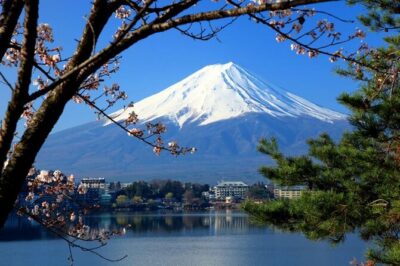
Mt Fuji and Hakone 1-Day Bus Tour Return by Bullet Train
Read our review →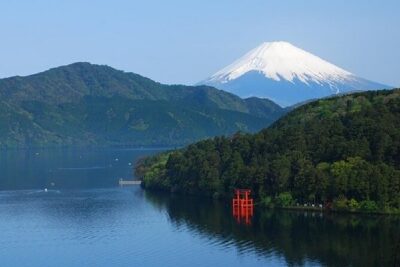
Mt Fuji & Hakone Cruise, Drum Show Bullet Train 1 Day from Tokyo
Read our review →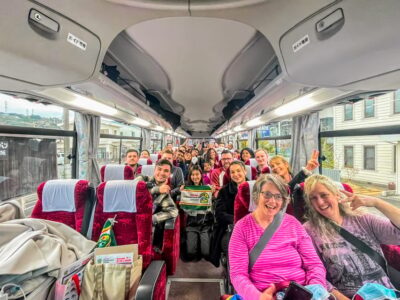
Tokyo Mt Fuji 5th St & Hakone Cruise Bus Tour w/Bullet Train
Read our review →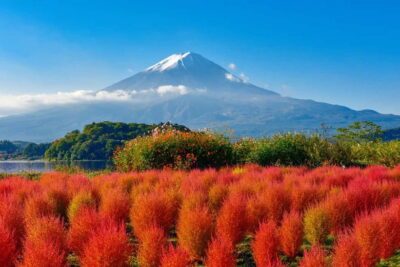
Mt. Fuji Tour, Hakone Ropeway, Owakudani, Lake Ashi
Read our review →
Mt.Fuji,Kawaguchiko Oishi Park,Arakurayama Sengen Park
Read our review →
Mt. Fuji 5th Station & Hakone Cruise 1-Day Bus Tour
Read our review →
Mt Fuji Top 5 Spots Day Tour: Arakurayama Park,Oshino Hakkai
Read our review →Browse the lists this tour appears in