
Reviewed · SAMURAI & NINJA EXPERIENCES
Okinawa 2-Hours Genuine Kendo/Samurai Experience in Japan
Kendo in Okinawa is equal parts discipline and fun. This 2-hour kendo armor session in Naha lets you train like a samurai, guided by a kendo instructor with long experience, while learning manners and the mindset behind the practice.
I really like two things here. First, the coaching style: you get hands-on instruction while you try strikes and basic bouts in full gear. Second, the class talks through kendo values like Unify your spirits, Manners, and Lifelong Kendo, so you understand what you are doing and why, not just how to swing.
One consideration: there is no hotel pickup, so you need to get yourself to the meeting spot. Also, while it is beginner-friendly, you should expect moderate physical activity because you will stand, move, and practice in armor for about two hours.
Key highlights and practical wins
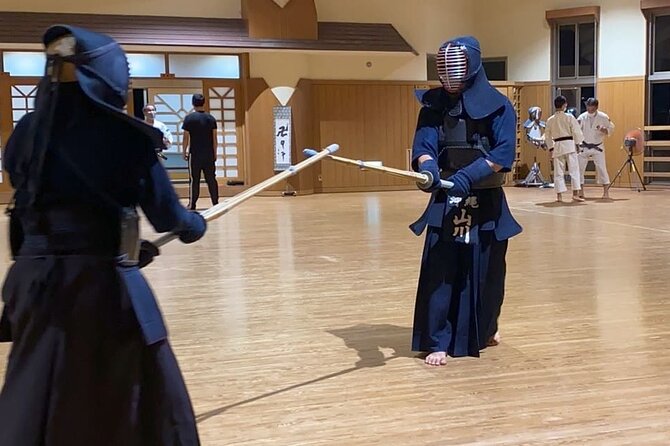
- Small group (max 5 travelers) means you get more time and correction.
- Kendo armor included so you can try the real feel without hunting gear.
- English guidance with long kendo experience helps you connect the steps to the culture.
- Kendo etiquette is part of the lesson, not an afterthought.
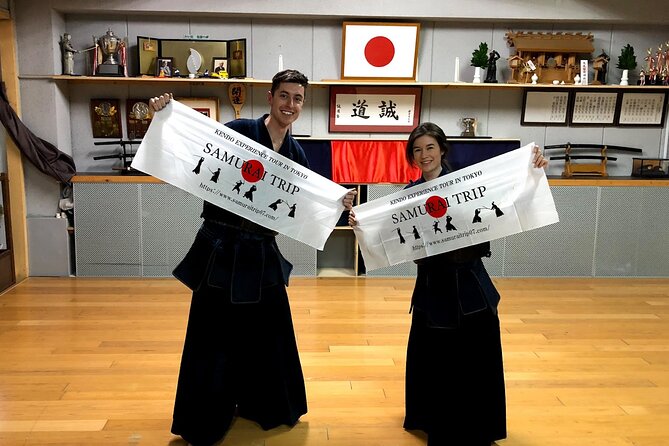
- Complimentary kendo towel gift is a nice take-home.
- Bottled water included, helpful after training.
Samurai-style Kendo in Naha: What makes it feel authentic
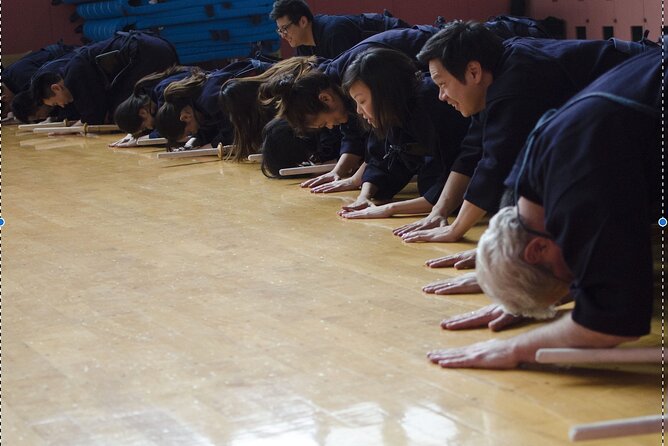
Okinawa has its own identity, so it is smart to experience Japanese martial culture in a setting that still feels local rather than like a theme park show. This class is built around kendo, a Japanese fencing tradition that grew out of the samurai era, and it is taught as both physical practice and cultural etiquette.
The biggest authenticity boost is simple: you do the movement. You do not just hear a story about samurai. You learn how to hold yourself, how to interact with the space, and how to take turns with control. In a sport like kendo, those “invisible” parts are half the battle, and they are exactly what you work on.
More samurai and ninja experiences in Naha:
- Tokyo: Samurai Restaurant Show Ticket with 2 Drinks
★ 4.5 · 1,307 reviews - Kyoto Samurai Experience
★ 5.0 · 1,294 reviews - Tokyo: Samurai Ninja Museum Guided tour and Experience
★ 4.6 · 1,010 reviews
Price and value: Is $118.60 worth a 2-hour class?
At $118.60 per person for about two hours, you are paying for three things that usually cost extra on other activities: equipment access, expert instruction, and a small-group training environment. Here, you get rental all kendo equipment, bottled water, and a free kendo towel gift.
For me, the best value signal is the gear. Kendo equipment is not something most visitors can improvise. Wearing the armor changes how the training feels, including your posture and how you commit to footwork. If the equipment is included, you can focus on learning instead of figuring out logistics.
The other value factor is the group size cap at 5 travelers. With a bigger class, you might get “watch and maybe hit a few times” energy. In a small group, you get more coaching moments, which makes a short 2-hour experience feel much longer and more satisfying.
Getting there at 1:00 pm: Meeting point you can actually find
The class meets at 52 Ōnoyamachō, Naha, Okinawa 900-0026, Japan. The start time is 1:00 pm, and the activity ends back at the meeting point.
There is no hotel pickup or drop-off, so plan to arrive a few minutes early. Since it is near public transportation, you should have an easy time getting in. Still, map it before you go. Okinawa streets can be straightforward, but a minor wrong turn is enough to make you late to something time-based.
Also note the time is about 2 hours. That is a nice length for a single afternoon slot, but you will want to plan around it. There is no lunch included, so either eat beforehand or have a simple snack ready.
What you do during the class, step by step
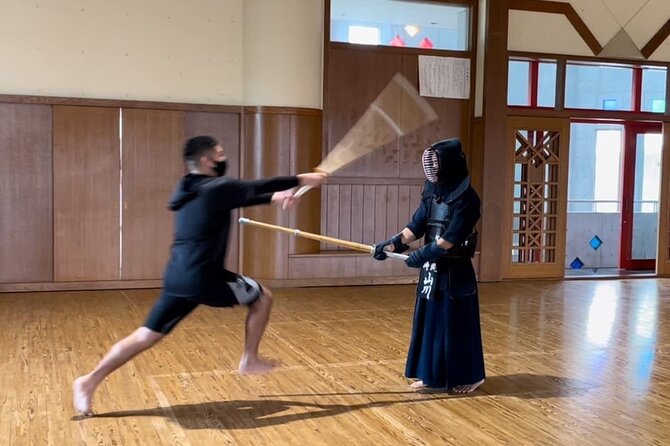
While the schedule can flex a bit with the group, the flow is consistent: you get instruction, learn the etiquette basics, then practice in armor. Expect the session to be structured enough that first-timers can follow, but interactive enough that you are not just standing around.
A few more Naha days worth comparing
- Official Street Go-Kart Tour – Okinawa Shop
★ 5.0 · 699 reviews - Naha: North Okinawa Sightseeing Tour & Churaumi Aquarium
★ 4.4 · 472 reviews - Okinawa: From Naha: Kerama Islands 1-day snorkeling tour
★ 4.4 · 423 reviews - From Naha: Tokashiki Island Day Trip by Boat
★ 4.3 · 385 reviews
1) Welcome and kendo basics (the why before the swing)
You start with an introduction to kendo as Japanese fencing and as samurai-era culture. The instructor’s goal is to connect technique to discipline and mindset. You learn not only what to do, but how to do it with manners and focus.
This part matters because kendo has a lot of “rules” that are more about respect than bureaucracy. Things like how you prepare, how you face your partner, and how you reset between attempts set the tone for the rest of the session.
2) Kendo etiquette and the three kendo ideas
A central theme is kendo’s three concepts: Unify your spirits, Manners, and Lifelong Kendo. I like that the lesson names these values out loud, because then you can judge your own progress during practice.
Unify your spirits is basically about alignment, focus, and intent. Manners is about respect, safe movement, and controlled behavior. Lifelong Kendo reminds you that skill grows through repetition and learning, not through one flashy moment.
3) Dress in armor and learn how to move safely
Then comes the hands-on part: you try your kendo skills while wearing kendo armor, with rental equipment provided. If you have never worn full training gear, give yourself a moment to adjust your posture and breathing. The armor can feel bulky at first, but that is part of the experience, and it makes training more realistic.
You will be shown how to hold and move with the equipment, and you will practice with guidance so you can participate without guessing. This is where the small group size helps.
4) Practice bouts or partner work (controlled, beginner-friendly)
You get to apply what you learned in practice. Even if you are new, you should expect a chance to spar or do partner-style drills in a way that keeps things safe and fun.
The tone stays instructional. Several past participants highlighted that the instructors are patient and attentive, which is exactly what you want on your first try. If you feel awkward, that is normal. Your job is to follow cues and stay relaxed enough to move well.
The samurai culture lesson you will actually remember
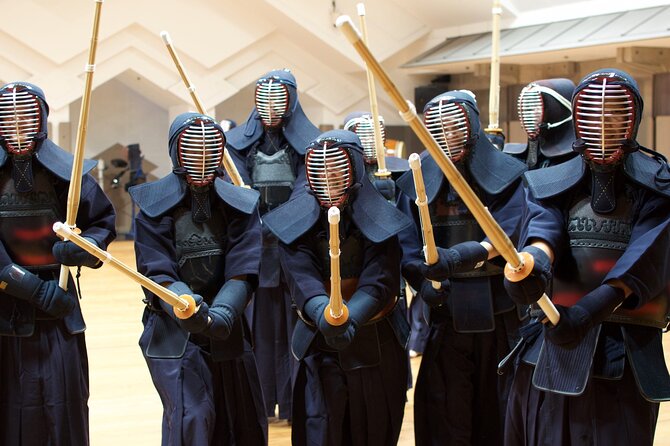
A lot of “culture” experiences stop at facts. This one tries to connect facts to behavior. When you practice kendo, you are learning a way of training that treats mindset and manners as skills.
You also get an English-speaking instructor with 20 years of kendo experience. In one described class, the instructor was referenced as Taiji Sensei, and another name you may hear is Taiji Yamakawa. Either way, the consistent point from feedback is that the teaching style is patient, sometimes even funny, and designed to keep beginners comfortable.
That combination is practical. You are not just learning vocabulary about samurai. You are learning how to show respect while wearing armor, how to focus your attention during practice, and how to keep your energy controlled. Those are the kinds of details that stick after you leave the training space.
Instructor style: English clarity, patience, and corrections that help
What makes or breaks a beginner kendo class is how instruction lands in real time. Here, the experience is built around an English-speaking instructor with long experience, and the feedback trends toward very supportive teaching.
Some notes you can use to set expectations:
- Directions can be very clear even if spoken English is not perfect.
- The instructor may slow things down and repeat steps.
- You should be ready for gentle corrections, especially about posture, stance, and controlled movement.
If you are an active learner, you will likely enjoy this. If you freeze when you feel watched, do not worry. The group is small, and you are doing structured practice. The goal is to help you improve within the 2 hours, not grade you.
Equipment, comfort, and what to wear
The tour includes rental all kendo equipment, plus bottled water and a free kendo towel. That means you do not need to bring gear, which is a huge relief when you are traveling.
What you should think about:
- Clothing should let you move. You will be standing and practicing footwork.
- You might want to wear something that feels comfortable if you sweat, because training in armor can get warm.
- Plan to be on your feet for the session.
The armor is the headline. It is also the reason this experience feels different from generic “try a martial art” demos. When you wear the gear, you understand the sport’s physical demands and the seriousness behind its etiquette.
Who this fits best in your Okinawa itinerary
This is best for visitors who want a hands-on cultural activity that still feels athletic. You do not need prior kendo experience. In fact, the class seems designed for beginners, as long as you can handle moderate physical activity.
It is also a good choice if you want something different from beach time and sightseeing, but you still want it to connect to Japan’s deeper themes. Kendo is not only about fighting. It is about manners, discipline, and lifelong learning.
I think it also works well for:
- Couples or friends who want a shared challenge
- First-time martial arts visitors
- Travelers who like small-group instruction
If you strongly prefer low-physical-effort activities, then this might feel too active. You will be moving and training for about two hours in gear, so consider your comfort level.
A quick reality check: What you should not expect
This is a short lesson, not a full course or tournament training. You are going to learn the basics and try practice, not become a kendo expert by day’s end.
But that is also the point. In two hours, the experience can teach you how kendo training works, how etiquette shows up in real behavior, and how it feels to wear the armor. Then you can leave with actual memories and respect for the discipline behind the sport.
Should you book this Okinawa kendo experience?
Yes, if you want a meaningful, active intro to Japanese martial culture. The combination of included kendo equipment, expert instruction with 20 years of experience, and a small max group size at 5 makes it hard to beat for value and hands-on learning.
Book it if you like structured practice, clear coaching, and cultural lessons you can feel in your body. Skip it if you want something purely observational, or if you cannot commit to moderate movement.
If you are in Naha with an afternoon free around 1:00 pm, this is the kind of activity that turns your trip into a story you can tell later, not just photos you forgot to caption.
FAQ
Where is the kendo experience meeting point in Naha?
The meeting point is at 52 Ōnoyamachō, Naha, Okinawa 900-0026, Japan.
What time does the experience start, and how long is it?
It starts at 1:00 pm and runs for about 2 hours.
Is hotel pickup or drop-off included?
No. Hotel pickup and drop-off are not included. The activity ends back at the meeting point.
What is included in the price?
You get rental all kendo equipment, bottled water, and a free kendo towel.
Is lunch included?
No, lunch is not included.
Do I need prior kendo experience?
The experience is suitable for people with moderate physical fitness, and it is set up as a try-it experience with instructor guidance. Prior experience is not listed as required.
Is the instructor English-speaking?
The tour is described as being guided by an English-speaking kendo instructor with 20 years of kendo experience. You can also rely on clear directions from the instructor.
Can I cancel for a full refund?
Yes. You can cancel for free up to 24 hours in advance for a full refund, based on local time.
Is there a limit on group size?
Yes, this activity has a maximum of 5 travelers.
Fresh options around Naha
- Kintsugi Experience in Naha, Okinawa – Art from Broken Pieces!★ 5.0 · 28 reviews
- Naha: Full-Day Introductory diving & Snorkeling in the Kerama Islands, Okinawa★ 4.5 · 28 reviews
- Okinawa Hip-Hop Bus C Course Tour to Northern Island★ 4.0 · 29 reviews
- Zodiac Shrines and Naha Backstreets Cycling Tour★ 5.0 · 29 reviews
- Okinawa Whale Watching From Naha★ 4.5 · 35 reviews
- Sushi Making Experience Class in Naha Makishi Public Market★ 5.0 · 35 reviews
- Original Street Kart Experience in Naha, Okinawa★ 4.9 · 39 reviews
- Karate History Tour in Okinawa★ 5.0 · 42 reviews
Samurai & Ninja Experiences, compared.

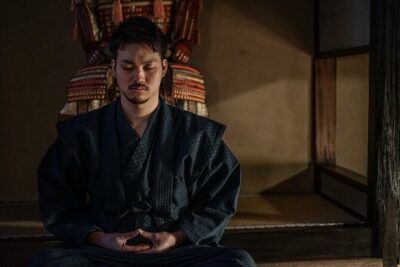
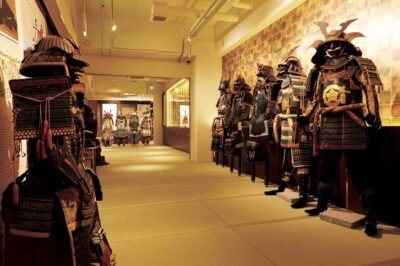
Samurai Ninja Museum Guided tour and Experience
Read our review →
Kendo and Samurai Experience with Uniform and Gear
Read our review →
Samurai Sword Class by Experts in Traditional Arts
Read our review →
Skip the lines Basic Ticket at SAMURAI NINJA MUSEUM KYOTO
Read our review →
Samurai Sword & Archery Class from Samurai Descendant
Read our review →
Browse the lists this tour appears in