
Reviewed · SAKE TASTING
Private Pewter Sake Cup Experience with a Kyoto Artisan
Hammering pewter feels oddly calming. This private Kyoto class lets you make a handmade pewter sake cup with your own strikes, guided closely by Kanako, then personalize it with stamped letters and numbers. I also love that the result is genuinely useful, not just decorative, with shaping work done for a comfy drinking rim. The main drawback is location, it sits outside central Kyoto, so you’ll trade some commute time for a quiet workshop setting.
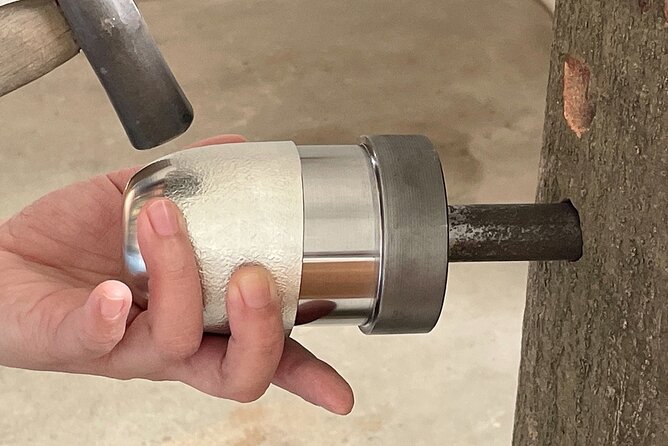
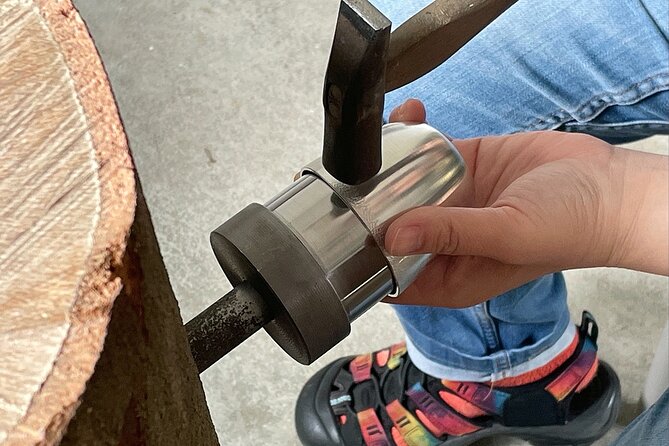
You’ll start with a blank pewter cup and a choice of different hammers. You’ll set the metal on the anvil, strike while rotating for the pattern, then finish with filing and rim beveling done to make the cup feel good in hand. If you want your own message, you can add a date, initials, or a little string of characters on the base. Expect a relaxed pace, with a calm studio vibe and plenty of patience for beginners, but you do need enough time in your day to get there and back.
Key takeaways before you go
- Private, small-group class with an artisan, so you get real attention while you learn hammering basics
- Hand-formed patterns created by your hammer choices and how you rotate and strike
- Optional personalization with letters, numbers, initials, or a date stamped on the base
- Comfort-first finishing includes filing and rim beveling, with final polishing handled by the craftsman
- Useful keepsake you can drink from, not a fragile souvenir you treat like museum art
Why a pewter sake cup class beats another souvenir run
If you’ve already done the Kyoto cookie-cutter shopping circuit, this activity scratches a different itch. You’re not buying a likeness of Japanese craft culture. You’re making something that uses traditional techniques in your hands, with your own pattern choices becoming the design.
I like that the class aims for a finished object you can actually use. Your cup is sized for real pours, and it ends with shaping work for a comfortable rim angle. That matters because the “best souvenir” is the one you don’t just photograph and forget.
At $144.96 per person for a private experience, it’s not cheap compared with mass-market trinkets. But value is about what you’re paying for: guided artisan time, workshop materials, and a finished pewter cup you keep. Also, this isn’t something most people can see or do easily, since access to the workshop is typically limited.
More Food Tours in Kyoto
- Kyoto Night Foodie Tour in Gion (9+ dishes + 6 Sake tastings)
★ 5.0 · 1,762 reviews - 3-Hour Kyoto Insider Sake Brewery Tour with Tastings & Pairings
★ 5.0 · 917 reviews - Arashiyama Bamboo, Temple, Monkeys, or Secret Sake Brewery
★ 4.8 · 886 reviews
Craft Gallery SALUK, Kyoto: the quiet workshop side trip
The meeting point is Craft Gallery SALUK, Shizuichinonakachō, Sakyo Ward, Kyoto, 601-1122. The studio is described as peaceful and calm, away from the center. In practical terms, you’re choosing a small commute for a big change in atmosphere.
One of the best parts is how the experience feels when you arrive. People talk about tea and snacks at the start, and a studio environment that makes you slow down. You’re not standing in a busy line. You’re getting set up like you’re visiting someone’s workshop, not running through a checklist.
You can reach the area with public transportation, and you’ll want to plan for extra travel time compared with a downtown activity. If you’re building your day around it, I suggest going early enough that you don’t feel rushed once your class starts. Also, wear something you can concentrate in. You’ll be working with your hands, and you’ll want to move comfortably.
Hammering pewter 101: patterns, anvil work, and what you control
Here’s the core craft action. You choose a hammer from several types. You place the pewter cup on the anvil. Then you strike and rotate to create patterns.
The clever part is that the design is not random luck. It’s a mix of:
- which hammer you pick
- how you strike
- how you rotate the cup during the work
If you want a cleaner, more uniform texture, you’ll use one hammer and keep a steady rhythm. If you like contrast, you can combine hammers to create different surface effects. Either way, the cup’s final expression expands as you work, meaning your decisions actually show up in the metal.
This section is also where the class earns its beginner-friendly reputation. You’re learning a physical skill, not memorizing a lecture. With the artisan guiding the process, you should be able to follow along even if your previous “crafting” experience is assembling flat-pack furniture.
A small safety note matters here. You do the hammering yourself, but for safety and finishing quality, some of the final polishing work is handled by the craftsman using a rotary machine. That keeps the class approachable while still producing a polished outcome.
Shaping the rim: why filing and beveling matter
After hammering, the process shifts from pattern to function. You’ll adjust the height and bevel the rim at an angle using a file. The goal is that the cup feels pleasant when you drink.
This part can be easier to appreciate once you understand the cup’s job. Sake cups are not just decorative. If the rim is too sharp or the angle is off, drinking is awkward. The way the cup is finished is what turns your hammered surface into a usable object.
You should know the final cup size ahead of time:
- about 64 mm diameter
- about 53 mm height
- about 90 ml capacity, or about 115 ml when filled to the rim
So you can picture the result as a compact drinking cup, sized more like a classic sake format than a large mug. It also explains why it’s good for other drinks. The finished cup can be used for sake, whiskey, chilled green tea, and other occasions. That gives you a real-life reason to keep it on hand.
More Sake Tastings in Kyoto
- Kyoto: Insider Sake Brewery Tour with Sake and Food Pairing
★ 5.0 · 704 reviews - Kyoto Sake Brewery & Tasting Walking Tour
★ 5.0 · 623 reviews - 1.5-Hour Kyoto Insider Sake Experience with 7 Tastings & Pairings
★ 5.0 · 297 reviews - Kyoto: Insider Sake Experience with 7 Tastings and Snacks
★ 5.0 · 266 reviews
Personalize it with stamped initials, numbers, and dates
One of the most satisfying parts is making it yours. If you want, you can stamp letters, numbers, initials, or a date on the base.
This is one of those details that sounds small until you hold the finished piece. A hammered pattern is personal, but a stamped message turns it into a souvenir with intent. It can be a date from your trip, a gift recipient’s initials, or your own short note.
Plan your personalization before you start. Decide what you want, and keep it simple if you’re unsure how the stamp will look on metal. You’re not just making a cup. You’re making a memory you can read years later.
Tea, tasting, and actually drinking from your own cup
The class centers on crafting, but the experience isn’t just stop at the workshop bench. Some participants describe drinking from the cups after they’re finished. Green tea is mentioned in a review, and sake tasting is also mentioned in the context of enjoying the cups afterward.
So if you’re hoping for the full sensory experience, this workshop tends to deliver. Even if you’re not a sake drinker, green tea or other beverages still feel special when the cup is yours. It’s the difference between, I made something, and I made something and used it right away.
How long the class takes and when to book in Kyoto
The duration is about 2 hours 30 minutes. That’s long enough to learn the hammering steps and get a finished result, but it’s short enough that you can usually still fit it into a trip day without losing everything else you wanted to see.
There’s another timing detail worth respecting. On average, this gets booked about 37 days in advance. If your Kyoto dates are set, don’t wait until the last week to request it, especially if you’re traveling in peak season.
Also, private means it’s only your group. That matters for timing because you won’t be squeezed into the middle of a conveyor-belt schedule. You can arrive, settle in, and work at your own pace, which is exactly how you want to learn a hands-on craft.
Getting there: the commute trade-off for peace and craft focus
This experience is in Kyoto, but it’s not in the busiest core area. People describe it as about an hour by train from Kyoto Station when using a more scenic route.
The payoff is the workshop feel. When you leave the city stress behind, you’re more likely to enjoy the craft without feeling rushed or distracted. If you hate transit time, this may not be your first pick. But if you enjoy the idea of a calm side trip with a scenic approach, you’ll likely feel it was worth the extra minutes.
If you’re planning your day, I’d think about it like this: you’re buying time outside the crowd, plus a once-in-a-while craft skill you can show off when you get home.
Value check: what you pay for, and why it is reasonable
At $144.96 per person, the price is higher than most activity tickets in Kyoto. The key question is, what exactly are you buying?
You’re paying for:
- a private artisan-led workshop experience
- provided materials, so you don’t need to bring anything
- step-by-step guidance through hammering, then finishing
- a finished pewter cup with a functional rim
- optional personalization
The “souvenir value” is real here. This isn’t a cheap object you replace after the photos. You’ll likely use the cup for something at home, like whiskey, chilled green tea, or an occasional ceremonial pour.
Also, the studio environment is part of the value. A calmer setting means you can focus on the process instead of treating the workshop like another task. For many people, that difference is what makes the class feel like a highlight rather than a checkbox.
Who this workshop suits best
This is a great fit if:
- you like hands-on crafts more than guided sightseeing
- you want a souvenir that feels personal and usable
- you like learning from a real artisan with clear instructions
- you’re traveling as a couple or small group who wants private time
It’s also a good activity if you’re visiting Kyoto with someone who needs a break from temples and shopping. Hammering pewter gives you a different kind of cultural connection.
Most travelers can participate. Service animals are allowed. If you’re bringing a service animal, it’s a good idea to confirm any specific comfort needs when you book, but the listing does explicitly state service animals are allowed.
Should you book it? A simple decision guide
Book this private pewter sake cup experience if you want a Kyoto memory you can hold, use, and customize. The combination of hand-hammered patterns, artisan guidance from Kanako, and a cup that’s finished for comfortable drinking makes it feel like something you earned, not something you bought.
Skip it, or at least think hard before booking, if your day plan depends on staying strictly in central Kyoto with zero extra commute. The peace of the workshop is part of the appeal, so the travel time is not an accident.
If you do book, set aside the full 2 hours 30 minutes, plan for a calm start with tea and snacks, and go in with a simple personalization idea. You’ll leave with a one-of-a-kind pewter cup, plus a small craft story you’ll keep telling long after Kyoto fades into your photo archive.
FAQ
Is this experience private?
Yes. It is a private tour or activity, and only your group participates.
How long does the workshop take?
The experience is about 2 hours 30 minutes.
Where is the meeting point in Kyoto?
The start location is Craft Gallery SALUK, 35-2 Shizuichinonakachō, Sakyo Ward, Kyoto 601-1122, Japan.
What does it cost?
The price is listed as $144.96 per person.
Do I need to bring anything for the workshop?
You do not need to bring anything. Materials are provided.
Can I personalize the pewter cup?
Yes. You can stamp letters, numbers, initials, or a date on the base if you choose.
How big is the finished pewter cup?
It is about 64 mm in diameter and 53 mm in height. It holds about 90 ml, or about 115 ml when filled to the rim.
What can I drink from the finished cup?
The finished cup can be used for sake, whiskey, chilled green tea, and other occasions.
Is there public transportation nearby?
Yes. The meeting point is near public transportation.
Are service animals allowed?
Yes, service animals are allowed.
What is the cancellation policy?
Free cancellation is available up to 24 hours in advance for a full refund. If you cancel less than 24 hours before the start time, the amount paid will not be refunded.
More Drinking Tours in Kyoto
- Kyoto: Izakaya Bars Guided Walking Tour
★ 4.9 · 815 reviews - Kyoto Bar Hopping Night Tour
★ 5.0 · 613 reviews - Kyoto Local Bar Crawl in Kawaramachi Area
★ 5.0 · 378 reviews - Kyoto: Afternoon Japanese Izakaya Cooking Class
★ 4.9 · 241 reviews
Fresh options around Kyoto
- Kyoto: Beyond the Insider Sake Tasting Experience★ 5.0 · 30 reviews
- Kyoto: Japanese Koto & Shamisen Concert and Koto Class★ 4.9 · 31 reviews
- Kyoto: Arashiyama Bamboo, Togetsukyo bridge, Sanso, and more★ 4.6 · 31 reviews
- Kyoto Home Cooking Class &Supermarket tour near Fushimiinari★ 5.0 · 31 reviews
- Kyoto Private & Personalized Full-Day Tour with a Local Guide★ 4.5 · 31 reviews
- Kyoto: Casual Pontocho Evening Food Tour★ 4.8 · 31 reviews
- Kyoto: Maiko, Samurai, or Kimono Rental and Tea Ceremony★ 4.3 · 31 reviews
- Kyoto: Fushimi Inari Hidden Hike (Private)★ 5.0 · 31 reviews
Sake Tasting, compared.

Kyoto Night Foodie Tour in Gion (9+ dishes + 6 Sake tastings)
Read our review →
1-Day Snow Monkeys, Zenko-ji Temple & Sake in Nagano
Read our review →
3-Hour Kyoto Insider Sake Brewery Tour with Tastings & Pairings
Read our review →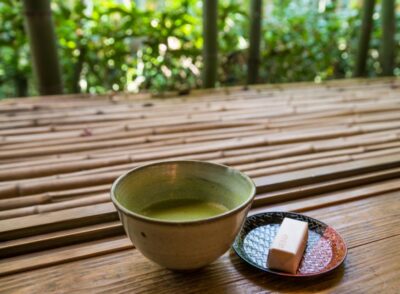
Arashiyama Bamboo, Temple, Monkeys, or Secret Sake Brewery
Read our review →
Nagano: Snow Monkeys, Zenkoji Temple & Sake Day Trip
Read our review →
Insider Sake Brewery Tour with Sake and Food Pairing
Read our review →
1.5-Hour Kyoto Insider Sake Experience with 7 Tastings & Pairings
Read our review →Browse the lists this tour appears in