
Reviewed · 1-DAY TOURS
10 Must-see Spots in Kyoto One Day Private Tour (up to 7 people)
Kyoto in one day can feel like a sprint, but this private route turns it into a smart, doable plan. You get an English-speaking guide who handles transit, timing, and the story behind each stop, so you can focus on the sights and photos. You will hit the big classics like Kinkaku-ji and Fushimi Inari, plus the fun extras like Kimono Forest and traditional street scenes.
I especially like the pacing for a “10 stops in 1 day” itinerary. You get real time at the heavy hitters, then short, well-placed photo windows for the rest, so the day stays moving without feeling rushed. I also like the flexibility of a private group, you travel as your own party instead of merging with large tour crowds.
The main drawback is obvious once you see the list: you must accept a fixed itinerary. You cannot change the stops or lunch timing, and you will be walking a lot, so come ready with comfortable shoes and yen for tickets and transit.
Key highlights worth planning for
- 10 major Kyoto sights in one day with a guide who manages the route
- Photo-heavy stops like Fushimi Inari Torii gates, Togetsu-kyo Bridge, and Kimono Forest
- UNESCO sites included on the route, including Kinkaku-ji, Tenryu-ji, and Kiyomizu-dera
- A private group up to 7 people, so you are not stuck in a big crush
- Time-saving transport strategy using public transit and taxis as needed
- A hot-day Plan B that swaps to Chishakuin Temple and Sanjusangendo Temple
The real value of a private 10-stop Kyoto day
This tour is built for travelers who want the most famous Kyoto highlights in the least number of days. It runs about 8 hours starting at 9:00 am, and it is designed around efficient movement between far-flung neighborhoods. Since it is private, your party stays together and your guide can keep the day organized.
At $179.07 per person for up to 7 people, the price can look high if you only compare it to buying a few train tickets. But the value is in what you are buying: an English-speaking guide, route planning, and help with navigating a city that can be confusing on your first day. Also, the tour includes a mobile ticket, which cuts down on paper shuffle.
Two practical notes to keep your expectations grounded. First, entrance fees and transit are not included. Plan on paying for temple entry and local transportation during the day. Second, your itinerary is basically set, so if you want to linger somewhere beyond the planned time, you will need to negotiate it on the spot with your guide.
A few more Kyoto days worth comparing
- PERFECT KYOTO 1-Day Bus Tour
★ 5.0 · 13,518 reviews - Kyoto: Fushimi Inari, Kinkakuji, Bamboo Grove 1 Day Bus Tour
★ 4.8 · 4,316 reviews - Kyoto: Tea Ceremony in a Traditional Tea House in Kiyomizu
★ 4.9 · 3,519 reviews
Stop 1: Kinkaku-ji Golden Pavilion and the shogun connection
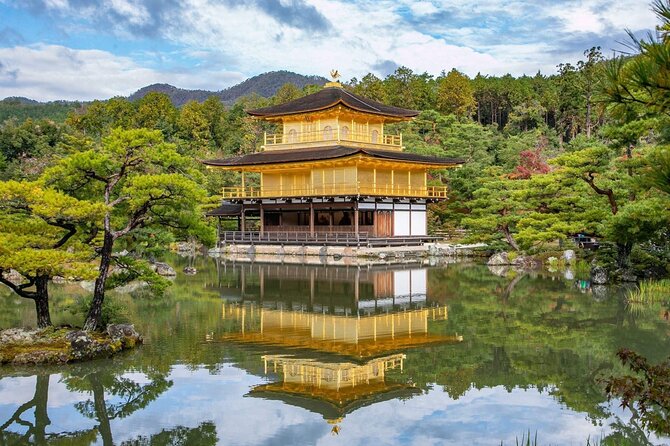
Kinkaku-ji, the Golden Pavilion, is where Kyoto shows off its dramatic side. The highlight is the gleaming pavilion view, and your guide will also connect it to the shogun era, when it functioned as a political center. It is one of Kyoto’s UNESCO World Cultural Heritage sites, which helps explain why it draws so many eyes even outside peak hours.
You will have about 40 minutes here. That is usually enough time to see the pavilion from the main viewpoints and take photos without feeling like you are standing in one spot all day. The main consideration is that entrance is not included, and you will be paying in yen.
My tip: if you care about photos, arrive ready to aim quickly. The best angles can shift as foot traffic moves, so use your first minutes to find your shot and then slow down.
Stop 2: Arashiyama Bamboo Grove Street for classic Kyoto photos
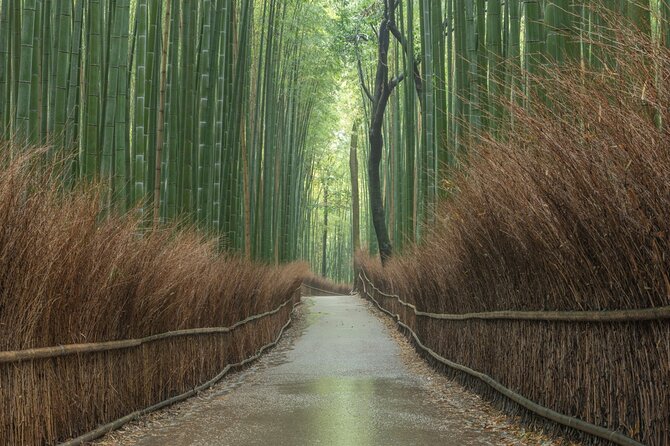
Next you move into Arashiyama, and the bamboo grove is the shortcut to that instantly recognizable Kyoto look. Expect a 20-minute walk through the Bamboo Forest Street area, and yes, it is the kind of scene you have probably seen on posters and postcards.
This stop works best as a “see it, shoot it, enjoy it” moment. You do not need a long time here to understand the visual impact. The drawback is also part of the deal: it can be crowded because it is famous, and the visit is short so you will want to keep your pace steady.
Entrance is free for this section, so you are mostly paying in time and energy, not ticket cost.
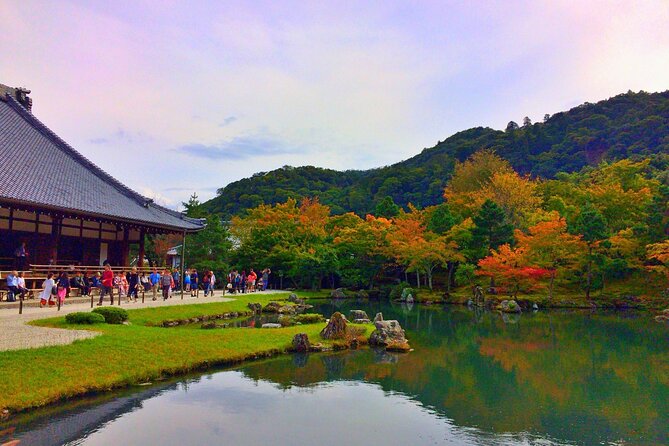
Stop 3: Tenryu-ji Temple and its pond garden focus
Tenryu-ji is where the tour slows down just enough to feel meaningful. The big reason to come is the temple’s pond garden, described as having been made by one of Japan’s greatest gardeners. Like Kinkaku-ji, it is also a UNESCO World Cultural Heritage site.
You get about 30 minutes here, which is a good balance for most people. You will likely spend time soaking in the garden views and reading the signs with your guide’s context filling in the gaps. Entrance is not included, so again, keep yen ready.
My take: this is a nice reset after the bamboo photos. It gives your brain a quiet moment, and your guide’s explanations help the garden feel more than just pretty scenery.
Same corner of Japan, a different kind of day:
- Kyoto Geisha Walking Tour: Gion District & Hidden Gems
★ 4.7 · 3,273 reviews - Kyoto: Tea Ceremony Ju-An at Jotokuji Temple
★ 4.9 · 3,207 reviews - Kyoto: Gion Magical Night Walking Tour with Geisha Trivia
★ 4.9 · 2,393 reviews - Kyoto: 45-Minute Tea Ceremony Lesson Experience
★ 4.3 · 2,378 reviews
Stop 4: Togetsu-kyo Bridge for a fast, high-impact view
Togetsu-kyo Bridge is one of the signature Arashiyama scenes. The tour gives you a short 10 minutes to appreciate it and take photos, with the goal being the classic bridge-and-river view.
This stop is light on tickets because it is free, but heavy on usefulness. A quick bridge stop is smart here because you want to preserve daylight and energy for the bigger attractions later, especially Fushimi Inari and Kiyomizu-dera.
Practical note: treat this like a photo window. If you try to turn it into a long stroll, you may feel tight later in the day.
Stop 5: Arashiyama Kimono Forest, 600 cylinder art
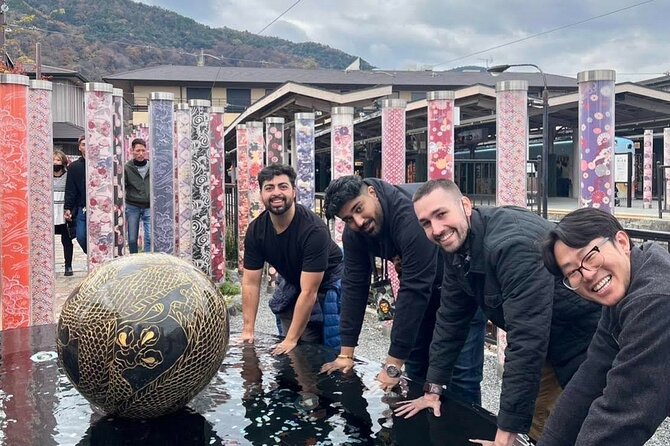
Then comes one of the more unusual, fun detours: Arashiyama Kimono Forest. It is described as an art installation of 600 cylinders decorated with kimono designs, which is exactly why it performs so well on camera.
You only have 10 minutes, and that is enough. People come here to take photos from a few angles and move on. It is free, and it adds variety so the day does not feel like only temples and shrines.
My tip: if your group includes anyone who loves Instagram-style shots, this is your easy win. After this stop, the day shifts back into major religious and historic sites.
Stop 6: Fushimi Inari-taisha and the Torii gate walk
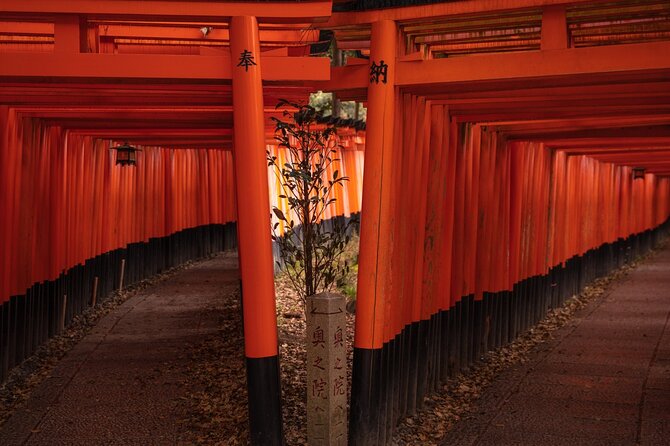
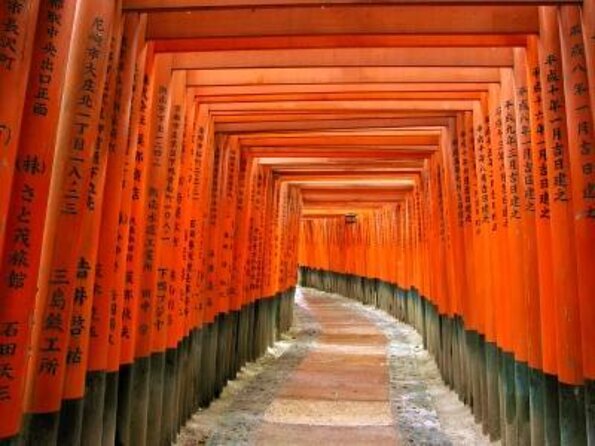
Fushimi Inari-taisha is the big Kyoto shrine everyone talks about, and it is for a reason. You will walk through the thousand Torii gates, one of the most iconic scenes in Japan. The tour gives you about 1 hour, and it is the right amount of time for seeing enough without trying to climb every path to the far end.
The entrance for this stop is free. The “cost” is your feet. Fushimi Inari is not a sit-and-look place, and your guide will help you keep the walk comfortable and efficient.
What I like about placing it here: this is mid-tour, when most people are warmed up and ready to work for views. If you go too late in the day, crowds can tighten up and photos get harder. With a guide moving you through the route, you spend less time guessing and more time enjoying the gates.
Stop 7: Kiyomizu-dera and the balcony viewpoint
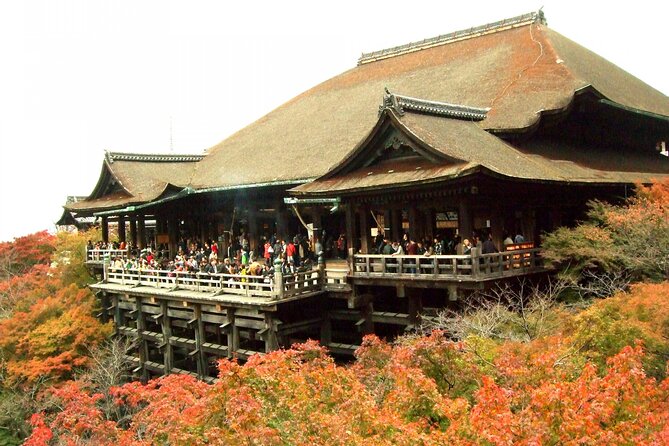
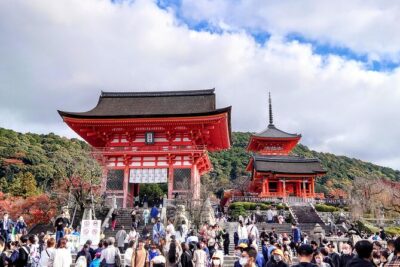
Kiyomizu-dera is one of Kyoto’s defining temples. The main feature people remember is the famous balcony and the panoramic views it offers. It is also registered as a World Heritage Site, which is another clue this place has global gravity.
You get about 1 hour here, and the tour uses that time wisely. This is not only a quick photo stop. You will want time to understand the temple’s layout, feel the scale, and take in the viewpoint from the balcony area.
Entrance is not included, so budget for it. Also, Kiyomizu-dera sits in a busy area, so your guide’s timing matters when you are trying to see key angles without losing your whole time slot to a slow-moving crowd.
Stops 8 and 9: Sannenzaka and Ninenzaka slopes, then Yasakanoto outside views
After Kiyomizu-dera, you step into the old-street Kyoto vibe. Sannenzaka and Ninenzaka are lined with traditional wooden buildings, and yes, they are full of souvenir shops. The tour gives you about 1 hour here, and it is mostly your chance to wander, shop lightly, and take in the atmosphere.
This portion is free, but it costs something else: attention. It is easy to lose track of time when streets are this photogenic. Your guide’s job is to keep you moving so you can still finish strong later in Gion.
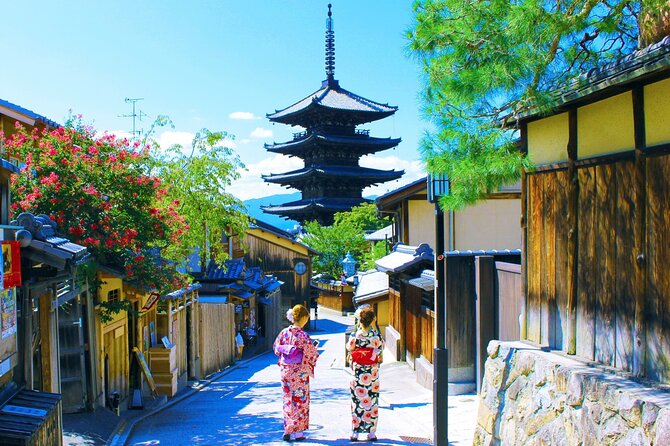
Then there is a quick stop at Yasakanoto, the landmark with a five-story pagoda look. It is only about 5 minutes and the tour notes that you mainly look at it from outside.
This is an efficient way to add another Kyoto icon without stealing time from the bigger stops.
Stop 10: Gion finish, where you end in geisha district streets
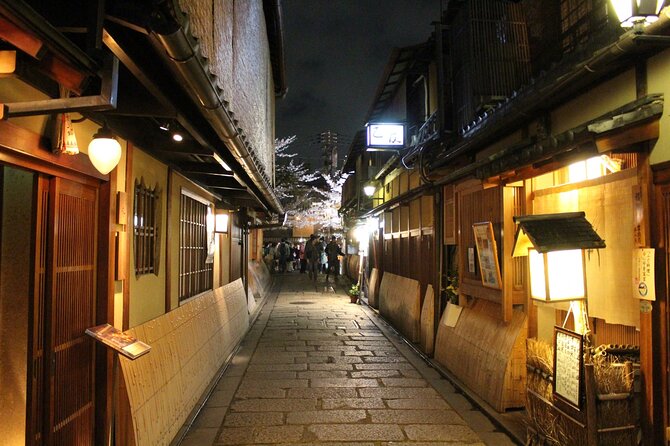
Your day ends in Gion at about 20 minutes of sightseeing. Gion is Kyoto’s geisha district, with streets where you might spot Maiko or Geiko. Even if you do not see anyone, the alleyways and traditional lanes are still a satisfying finish.
This stop is free, and it is intentionally positioned at the end so you can keep exploring afterward on your own terms. Since the tour ends at 571 Gionmachi Minamigawa in the Gion area, it is a convenient launch point for evening plans.
My advice: if you want dinner nearby or you want to browse without rushing, Gion is a great place to land. Your guide will also inform you how to reach your next spot after the tour.
Price and the real logistics you should plan for
The base tour price is $179.07 per person, and it includes an English-speaking professional guide. What it does not include is where your real spending planning starts.
Not included items you should budget for:
- Temple entrance fees: listed as ¥1,500 per person
- Public transportation: listed as ¥1,000 per person
- Taxi costs: listed as ¥7,000 to ¥9,000 per cab for all rides, and if you have 4 or more people you need two cabs (noted as ¥8,000 per booking)
- Pick-up service (none), plus no mention of lunch being included
Credit cards can be a hassle. Many temples and taxis do not accept them, so the tour advises having Japanese yen ready. If you use an IC card, that is fine for transit, but still plan for cash for places that do not take card payments.
What I’d do to make the day smooth: carry a mix of cash and an IC card. One reviewer’s advice matched what the math suggests, keep at least 10,000 yen on hand plus an IC card with around ¥1,500 if you plan to use it.
Also, the day is active. It is one of those tours that adds up quickly. Plan for a lot of walking, and bring shoes that can handle uneven sidewalks and steep bits around temple areas.
How the tour handles transport between far-apart neighborhoods
This is a Kyoto challenge: major sights are spread out. Your guide handles the switching between areas, using public transit and taxis when it makes sense. The tour description also hints at a practical taxi reality: a cab fits four people including the guide, so for a group of 4 guests you will need two taxis.
That matters for cost, but also for timing. You do not want to waste time trying to solve transport mid-day while everyone is hungry and tired.
If you are a first-time visitor, this is the part that feels like relief. You show up, follow the guide, and you stop spending energy on schedules, station exits, and last-minute route changes.
Weather, hot-day Plan B, and what to tell your guide
Kyoto can swing from chilly to brutally warm. The tour notes it requires good weather, and if it is canceled due to poor weather you will be offered a different date or a full refund.
It also includes a hot-day Plan B. On very hot summer days, your course can switch to fewer steps, including Chishakuin Temple and Sanjusangendo Temple. Sanjusangendo is famous for its forest of Buddhist statues, and that is the kind of indoor-heavy stop that makes heat feel more manageable.
If you have food restrictions, tell them at booking. The description explicitly asks you to inform them of foods you cannot eat, which is useful if you plan to stop for snacks or lunch during the day.
Who should book this Kyoto tour, and who might not
This tour is a great fit if:
- You have limited time and want a one-day highlights plan
- You prefer a private experience over being grouped into a large crowd flow
- You want a guide who can explain the why behind major sites like Kinkaku-ji, Fushimi Inari, and Kiyomizu-dera
- Your group can handle lots of walking and a fixed route
You might think twice if:
- You hate set itineraries and want total freedom to linger
- Your group wants a slow, cafe-heavy day
- Your budget cannot handle the extra spend for entrances, transit, and possible taxi rides
One more booking-specific detail to keep in mind: the tour is restricted to cruise ship guests who can reach Kyoto Station independently. If that applies to you, double-check you can comfortably make your own way to the meeting area.
Should you book this 10-stop Kyoto day tour?
If you want a clean, organized way to hit Kyoto’s headline sights in a single day, I think this is a strong choice. The biggest strength is the combination of 10 stops, an English-speaking guide, and a route that balances big icons with a few fun surprises like Kimono Forest. For first-day visitors, it is one of the easiest ways to get your bearings fast and leave with photos and context.
Book it if your priority is efficiency plus storytelling, and you are comfortable planning for extra costs like entrance fees and transit in yen. Skip it if you want flexibility, or if you want to spend your day drifting without time boxes.
In short, this is a well-built “see Kyoto fast” option, and with good shoes and cash in your pocket, it can turn a tight schedule into a memorable day.
FAQ
What is the duration and start time of the Kyoto private tour?
The tour lasts about 8 hours and starts at 9:00 am.
Is this tour private, and how many people can join?
Yes, it is private, and it is listed as up to 7 people for the group.
What does the tour include?
It includes an English speaking professional guide. Infants under 3 years old are free of charge.
Are entrance fees and transportation included in the price?
No. Entrance fees are listed as ¥1,500 per person for temples. Public transportation is listed as ¥1,000 per person. Taxi costs are also listed separately if needed.
Where do we meet, and where does the tour end?
You meet at Kitaoji Station (Kita Ward) and the tour ends in the Gion area at 571 Gionmachi Minamigawa, Higashiyama Ward.
Do I need cash in Kyoto for this tour?
Yes. The tour notes that many temples and taxis do not accept credit cards, so you should have Japanese yen ready.
What happens if the weather is extremely hot?
The tour may switch to a Plan B with fewer steps, including Chishakuin Temple and Sanjusangendo Temple.
What if the tour is canceled due to weather?
The tour requires good weather. If it is canceled due to poor weather, you will be offered a different date or a full refund.
Fresh options around Kyoto
- Kyoto: Quiet and Graceful Tea Ceremony★ 4.5 · 19 reviews
- Oboro | Mindful Tea Ceremony in a 100-Year-Old Kyoto Teahouse★ 5.0 · 19 reviews
- Ikebana Traditional Japanese Art of Flower Arranging★ 4.5 · 19 reviews
- Kyoto Satoyama Cycling with Lunch and English Guide★ 5.0 · 19 reviews
- Tea Ceremony Experience in Traditional Kyoto Townhouse★ 5.0 · 19 reviews
- Kyoto International Party Solo Friendly Expats and Locals★ 5.0 · 19 reviews
- Kyoto: Amanohashidate Ine Funaya Tour★ 4.4 · 19 reviews
- Kyoto Private Food Tours with a Local Foodie: 100% Personalized★ 4.5 · 19 reviews
1-Day Tours, compared.
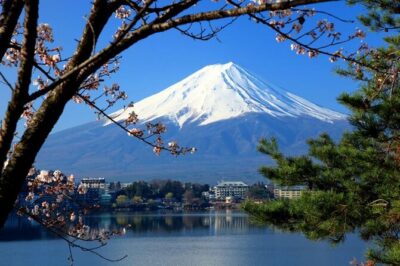
Mt Fuji and Hakone 1-Day Bus Tour Return by Bullet Train
Read our review →
Mt Fuji & Hakone Cruise, Drum Show Bullet Train 1 Day from Tokyo
Read our review →
Peaceful Hiroshima & Miyajima UNESCO 1 Day Bus Tour
Read our review →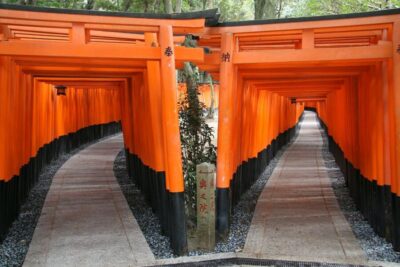
Fushimi Inari, Kinkakuji, Bamboo Grove 1 Day Bus Tour
Read our review →
Browse the lists this tour appears in