
Reviewed · SAMURAI & NINJA EXPERIENCES
Kyoto Samurai Experience
Sword practice in a Kyoto samurai house. This small-group class turns big ideas like Bushido into hands-on sword basics, plus a traditional kimono fitting and a Zen meditation close. You get the full package in about 1 hour 45, with an expert instructor guiding the pace.
Two things I really liked were the mix of real cultural context (Bushido philosophy, the house, and Zen) with practical training, and the care for comfort, including weather check-ins and refreshments in some sessions. One thing to consider is the physical side of sword drills, so wear athletic shoes and plan for moderate effort.
Key highlights
- Small-group size (max 14): easier Q&A and more time at the training blade
- Kimono try-on: dress the part before you start moving
- Bushido + Zen: philosophy and calm, not just posing with a sword
- Hands-on sword basics: hold and practice with a training blade under instruction
- Weather-friendly touches: reports of hot tea or water and cooling cloths on different days
- Photos included: staff photo-taking is part of the experience
Kyoto Samurai Experience at Waraku: A real-feeling samurai class in 1 hour 45
If you’ve ever wanted to understand samurai culture beyond movie scenes, this is a practical way to do it. You’ll start in a traditional Kyoto setting where the experience is built around three things in sequence: what it meant to be a warrior (Bushido), what it takes to train a sword (basic technique), and how samurai life connected discipline with stillness (Zen meditation).
The best part for me is how the class keeps bouncing between mindset and motion. You don’t just hear history, then pick up a sword at the end. You get the philosophy first, then you practice, and then you slow down. That rhythm helps the whole thing feel less like a performance and more like learning.
You’ll be in a small group (up to 14), and the staff focuses on keeping the session clear and paced. Reviews rate this highly, with a 5-star average and a 99% recommendation rate, which lines up with what you’d hope for in a hands-on class.
The one caution: this isn’t a sit-and-watch museum tour. You’ll do athletic movements with a training sword, so moderate fitness matters. If you have mobility limits, ask ahead before booking so you can confirm what the practice portion will look like.
More Samurai & Ninja Experiences in Kyoto
- Kyoto: Kendo and Samurai Experience with Uniform and Gear
★ 4.9 · 815 reviews - Kyoto: Samurai Sword Class by Experts in Traditional Arts
★ 4.9 · 657 reviews - Skip the lines Basic Ticket at SAMURAI NINJA MUSEUM KYOTO
★ 4.5 · 632 reviews
Where it starts at Kyoto Samurai Experience / Waraku
Your tour meets at Kyoto Samurai Experience / Waraku, 111 Inabachō, Nakagyo Ward, Kyoto (604-8803). The activity ends back at the same meeting point, so you’re not zigzagging across town after sword practice.
A couple of practical notes help you show up ready:
- Bring your mobile ticket. You’ll use it on-site.
- Plan to arrive a few minutes early so you can get settled before the kimono part starts.
- It’s near public transportation, so you should be able to plug it into a Kyoto day without too much stress.
If you’re timing your day, I’d treat this as a dedicated block. The class includes wardrobe changes and a structured flow, so skipping it for a quick stop usually won’t work well. Put it somewhere you can focus on it for those couple hours.
The kimono try-on: more than a costume moment
The session begins with meeting your guide and group at the departure point, then changing into a traditional kimono. This isn’t just for photos. Wearing the kimono sets your body and attention in a different mode. Even if you’ve never worn one before, the staff helps you get into it and keeps the process simple enough that you can concentrate on what comes next.
From there, the class moves into the culture piece. You’ll learn about samurai life basics, including what Bushido emphasized and how that mindset shaped training. You also hear about Zen meditation and why it fits into warrior discipline.
One of the best benefits of the kimono step is that it forces you to slow down a bit and pay attention to details. You notice your posture. You notice how you move your arms and hands. That becomes useful later, when sword drills start.
What you should bring into the room, mentally: think of the kimono as training gear for awareness, not just a “look at me” outfit.
Bushido before the blade: why the philosophy matters
This class is built around Bushido, described as the Way of the Warrior. The guide explains the ideas behind it and connects them to training, mindset, and restraint. You’re not expected to memorize a code, but you are guided to understand what the philosophy is trying to teach.
Here’s the practical value for you: Bushido helps explain why sword practice is more than swinging an object. It’s about control, focus, and learning how to stay calm in motion. When the class later breaks down sword basics, the philosophy gives the drills meaning.
This is also where the class avoids feeling like a stunt. Since Bushido is covered before you handle a blade, you’re more likely to understand what you’re doing and why the instructor cares about form.
If you’ve watched Japanese sword training on video, you already know that technique has a lot of small details. This is your chance to learn the basics in a guided way, with the context that makes the practice feel respectful rather than random.
More samurai and ninja experiences in Kyoto:
- Ninja 1-hour Hands-on Lesson by Japanese master in Kyoto -Entry
★ 5.0 · 489 reviews - Kyoto: Ninja Weapon Forging Experience
★ 4.8 · 478 reviews - Kyoto: Samurai Kenbu Traditional Sword Dancing Show
★ 4.5 · 426 reviews - Samurai Training with Modern day Musashi in Kyoto
★ 5.0 · 256 reviews
Sword basics with a training blade: what you actually practice
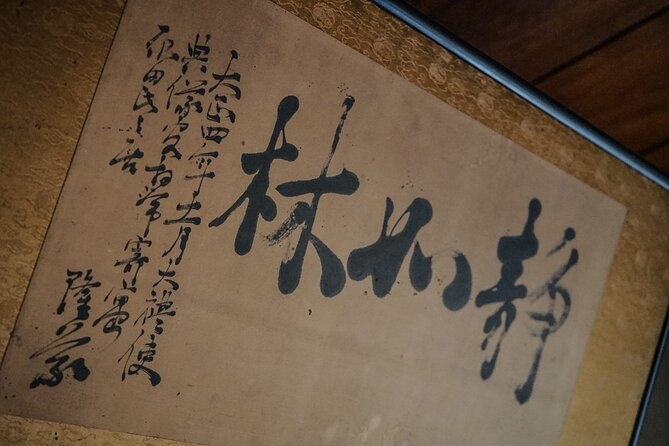
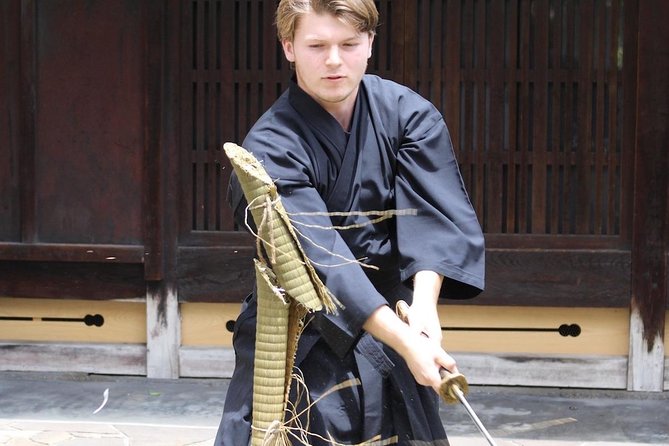
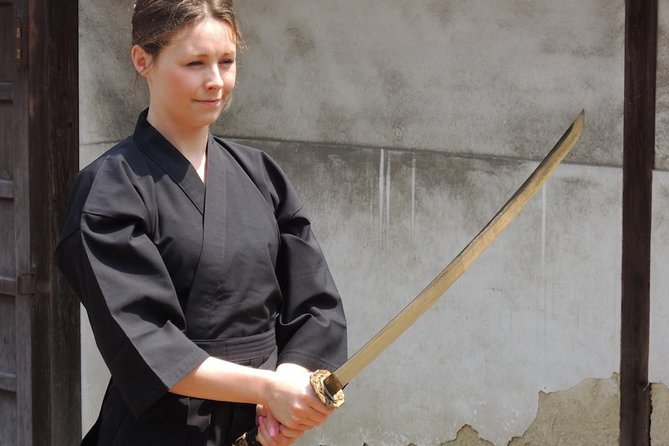
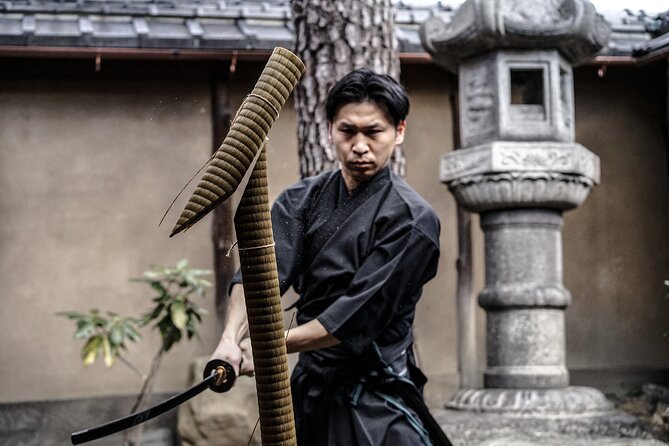
Next comes the hands-on portion. You’ll handle a real martial arts training sword and practice the fundamentals with guidance from an expert sword instructor. The goal is not to turn you into a swordsman by the end. The goal is to learn how to hold the blade correctly, understand basic movement, and build some confidence under supervision.
Expect instruction that is structured, clear, and paced for your group size. Since the max group size is 14, you should get enough attention to correct obvious issues and keep the learning steady.
A few tips that make this section easier:
- Wear comfortable clothes and appropriate footwear for athletic movement.
- If you tend to get cold, dress in layers. Some sessions have had weather discomfort, and staff has handled it with comfort touches like warm items and hot tea in cold conditions.
- Keep your expectations realistic. You’re learning fundamentals and practicing drills, not staging a movie duel.
One small but important detail: the staff also supports translations, with help from staff members and translators who can communicate well in English and Japanese. That matters because sword technique is hard to learn if you’re guessing which instruction you heard.
If you leave the sword section thinking, I get what I should be doing, then the class succeeded.
Zen meditation and the calm-down close
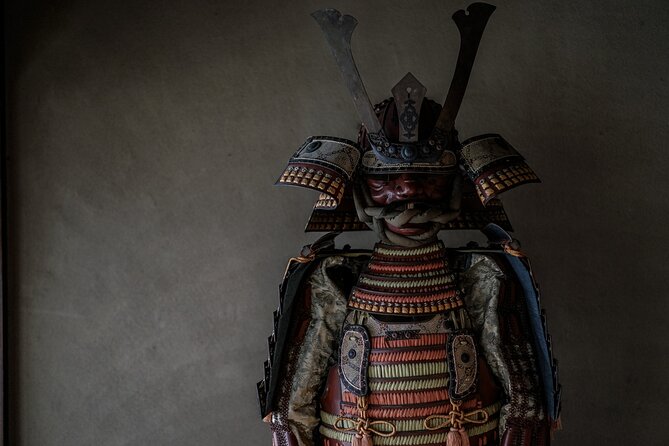
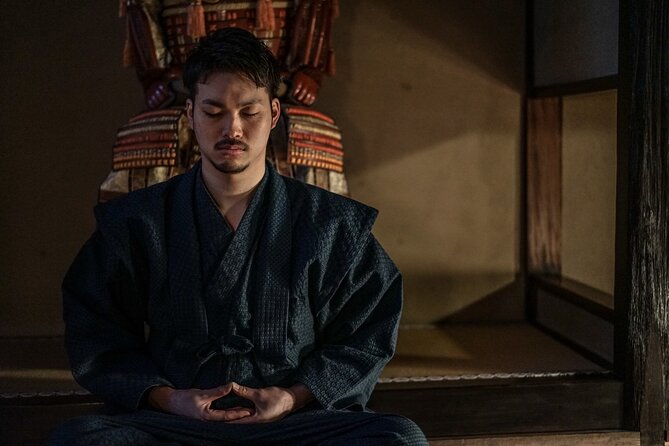
After the physical portion, the session shifts to Zen meditation. This is a big part of why I’d pick this over a purely performative sword experience. The class gives you a chance to slow down and reset mentally, which also helps the whole experience stick in your mind.
In practical terms, this means you go from focused movement to stillness. That contrast is one of the reasons samurai culture feels so different from what most people experience on vacation.
You might also be offered tea and a sweet as part of the flow. Staff members have mentioned these refreshment details in past sessions, and it fits the pacing: tea helps you cool down after practice, and the sweet gives a small reward without turning the class into a gimmick.
If you’re prone to leaving tours feeling rushed, this ending helps. The meditation portion is where the energy drops, and you can actually absorb what you learned about discipline and calm.
The samurai house setting: Kyoto’s past you can stand inside
Even if you only care about the sword practice, the location adds value. The lesson takes place in a beautifully preserved samurai house in Kyoto. That matters because you’re not learning in a generic studio. You’re inside a space with the right atmosphere, and that changes how your brain treats the experience.
You’ll also learn about the house itself during the session. People have found the structure and setting part of the “worth it” feeling, because it gives your learning a backdrop instead of just a briefing room.
Some experiences also include small cultural extras tied to the house and tradition, like short performances by staff or other period touches. That isn’t something I would count on every day, but it’s been part of some sessions, and it supports the overall tone.
My advice: look around during the slower moments. When your eyes are busy, you take in more detail. And when you understand where you are, the sword and philosophy feel less like a costume and more like a lesson tied to place.
Price and value: Is $119.38 worth it?
At $119.38 per person for about 1 hour 45, this isn’t a cheap add-on. So the real question is what you get for your money.
Here’s what you’re paying for, in a way that matters:
- A real instructor-led sword practice with hands-on guidance, not just photos.
- A traditional kimono try-on that sets the cultural tone.
- Bushido teaching and Zen meditation, which gives meaning to the training.
- Small-group limits (max 14), which usually improves the learning experience.
- Staff photo-taking, with photos shared quickly after, based on past session reports.
When sword experiences are overpriced, it’s often because you spend most of the time waiting or posing. This one is different because the structure is built around learning steps: set-up, kimono, philosophy, practice, then meditation. That makes the time feel used.
Should you compare it to other Kyoto activities? Yes. If you just want photos, you could do something cheaper. If you want a lesson with real instruction plus culture and calm, the price starts to make sense.
For best value, go when you can fully focus. If you’re exhausted, then sword drills and concentration may feel harder than they should. But if you show up rested, it’s one of those “this is why I travel” moments.
Who should book this Kyoto samurai class
This fits best if you like hands-on learning and you want a structured cultural experience that doesn’t turn into a drive-by photo stop.
It’s also a good family option. Past participants have described the class as working well for both adults and children, including father and son sessions. That’s a strong sign the staff can keep the instruction understandable and engaging across ages, as long as minors are accompanied by an adult.
You should also book if:
- You want samurai culture explained in plain language, not only in theoretical terms.
- You enjoy rhythm, structure, and guided pacing.
- You want something active but not extreme.
You might want to think twice if:
- You have mobility limitations or expect to avoid any athletic movement.
- You hate changing clothes, even with staff assistance.
- You only want a quick photo moment and nothing else.
My quick decision guide: book it or skip it
Book it if you want a small-group class where you practice the basics of sword handling, wear a kimono, learn Bushido before you swing, and end with Zen meditation. The best part is that the session is built to connect philosophy, technique, and calm, rather than treating samurai as a costume theme.
Skip it if your priority is purely sightseeing, or if you’re hoping for a passive experience with zero physical demands. With sword basics and moderate fitness expectations, this is best for people who are ready to participate.
If you’re on the fence, think about this simple test: would you rather leave with a sense of what sword training feels like and why it matters, or just leave with a few photos? If you pick the first option, Kyoto Samurai Experience is a strong call.
FAQ
Is this a small-group tour?
Yes. The tour has a maximum of 14 travelers, and you meet your guide and group at the departure point.
How long is the Kyoto Samurai Experience?
It runs about 1 hour 45 minutes.
What is included in the experience?
The experience includes kimono try-on, swordsmanship basics with a martial arts training sword, instruction on samurai and Bushido, and a Zen meditation session. The staff also takes photos, shared quickly after.
Do I need prior sword experience?
No. You learn sword basics with guidance from an expert sword instructor.
What should I wear?
Wear comfortable clothes and appropriate footwear for an athletic activity.
Are there morning and afternoon options?
Yes. You can choose either a morning or an afternoon session based on your itinerary.
Is the location easy to reach?
The meeting point is near public transportation, and the activity ends back at the meeting point.
Can children join?
Minors must be accompanied by an adult.
Can I get a refund if I cancel?
Free cancellation is available up to 24 hours in advance for a full refund. If you cancel less than 24 hours before the start time, the amount you paid is not refunded.
Fresh options around Kyoto
- Kyoto: Quiet and Graceful Tea Ceremony★ 4.5 · 19 reviews
- Oboro | Mindful Tea Ceremony in a 100-Year-Old Kyoto Teahouse★ 5.0 · 19 reviews
- Ikebana Traditional Japanese Art of Flower Arranging★ 4.5 · 19 reviews
- Kyoto Satoyama Cycling with Lunch and English Guide★ 5.0 · 19 reviews
- Tea Ceremony Experience in Traditional Kyoto Townhouse★ 5.0 · 19 reviews
- Kyoto International Party Solo Friendly Expats and Locals★ 5.0 · 19 reviews
- Kyoto: Amanohashidate Ine Funaya Tour★ 4.4 · 19 reviews
- Kyoto Private Food Tours with a Local Foodie: 100% Personalized★ 4.5 · 19 reviews
Samurai & Ninja Experiences, compared.

Samurai Ninja Museum Guided tour and Experience
Read our review →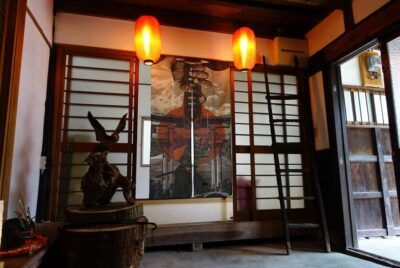
Kendo and Samurai Experience with Uniform and Gear
Read our review →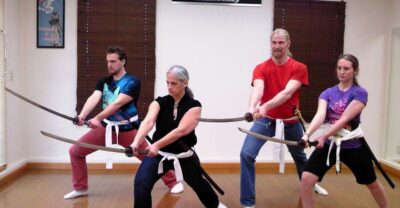
Samurai Sword Class by Experts in Traditional Arts
Read our review →
Skip the lines Basic Ticket at SAMURAI NINJA MUSEUM KYOTO
Read our review →
Samurai Sword & Archery Class from Samurai Descendant
Read our review →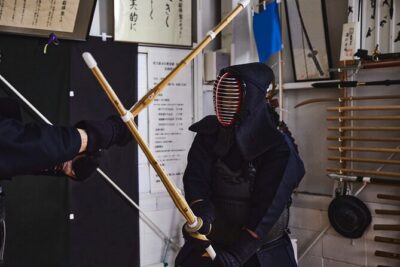
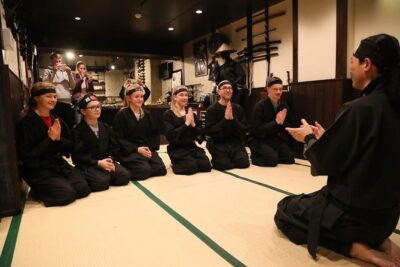
Ninja 1-hour Hands-on Lesson by Japanese master in Kyoto -Entry
Read our review →Browse the lists this tour appears in