Reviewed · KYOTO TOURS
Private Kyoto Tour: Explore the Most Iconic Sights
Kyoto gets easier with a private plan. This tour strings together the big-name sights people come for, then gives you the freedom to steer the day. I like the private pacing (you are not stuck with a fixed group rhythm) and the convenience of a mobile ticket for smooth entry where included. One thing to consider, lunch is not included, and some temple charges can be added depending on which fees apply to your stops.
A big part of the value here is the guide. One guide name that comes up is Riku, and the common thread is excellent English, a friendly manner, and an ability to answer questions clearly. If you want a guide who matches your native language, that is possible for an additional fee, so you are not forced to manage everything in a second language.
Logistics also matter in Kyoto. This is set up with pickup offered and an air-conditioned vehicle, and taxis are used when it helps you move faster or more comfortably. A small but smart detail is that there is no blanket car charge, you pay for transportation actually used.
Key points to know before you go
- Private, flexible day so you can adjust the order or add small extras based on what you care about most
- English-first guidance, plus the option to arrange a different language for a fee
- Taxi help when needed to cut through the friction of Kyoto traffic and crowd timing
- Included temple time at Kinkaku-ji and Kiyomizu-dera, with Arashiyama and Fushimi listed as included in parts of the package
- Arashiyama adds more than photos, including the Togetsukyo Bridge crossing and a boat ride across the lake
Why This 8 to 10 Hour Kyoto Route Works
Kyoto is famous for its temples, but the real challenge is the day. Distances add up, lines form, and crowds change the feel block by block. This private format is built for the way you actually travel, you cover four iconic zones and still have room to ask questions and slow down when something grabs your attention.
The timing is realistic, about 8 to 10 hours with travel time built in. That matters because you do not want a tour that spends half the day in transit and the other half sprinting through ticket gates. Here, the plan is long enough to see the major highlights without turning into a blur.
You also get an on-the-ground translator of sorts, even when language is not the issue. A good guide helps you understand what you are looking at, where to stand for the best angles, and how to move efficiently so you spend your energy on the sights, not on guesswork.
A few more Kyoto days worth comparing
- PERFECT KYOTO 1-Day Bus Tour
★ 5.0 · 13,518 reviews - Kyoto: Fushimi Inari, Kinkakuji, Bamboo Grove 1 Day Bus Tour
★ 4.8 · 4,316 reviews - Kyoto: Tea Ceremony in a Traditional Tea House in Kiyomizu
★ 4.9 · 3,519 reviews
Kinkaku-ji, the Golden Pavilion, and Rokuon-ji Zen Details
Your first major stop is Kinkaku-ji, also known as the Golden Pavilion, officially Rokuon-ji. It is a renowned Zen Buddhist temple in Kyoto, and the structure’s top two floors are famous enough that people come from all over the world specifically to see that look in person.
What I like about starting here is momentum. After a pickup and ride, Kinkaku-ji feels like a clean opening statement. You can take in the temple’s signature style, then settle into the day with a sense of place. Since this stop includes admission in the tour notes, you avoid the annoying add-on feeling that sometimes hits when the first ticket line is your first surprise cost.
Practical tip: plan to take it slower than your photo instincts. Even when you think you have the shot, there are angles and viewpoints around the grounds that change how the building reads. With a private guide, you can ask where to go next instead of wandering.
Kiyomizu-dera and Its 1,200-Year UNESCO Presence
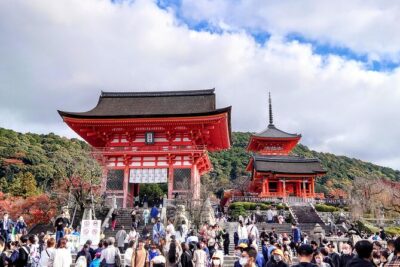
Next up is Kiyomizu-dera, a Buddhist temple with a history spanning about 1,200 years and UNESCO World Heritage status. It is one of Kyoto’s most iconic temples, and the tour includes admission here as well, so you can focus on the experience instead of calculating costs mid-day.
The draw at Kiyomizu-dera is how much it can feel like a world inside a city. You get that strong sense of tradition and continuity because it is not a modern showpiece. It is old, still active in spirit, and designed to be visited at a walking pace.
The private part helps in a simple way: you are not stuck behind a fast-moving group. If you want to linger for a different view point or you have questions about what you are seeing, you can do it without disrupting anyone’s schedule. That is also where your guide can add context that you would not get from reading a sign alone.
Fushimi Inari Taisha and the Torii Gate Trail Plan
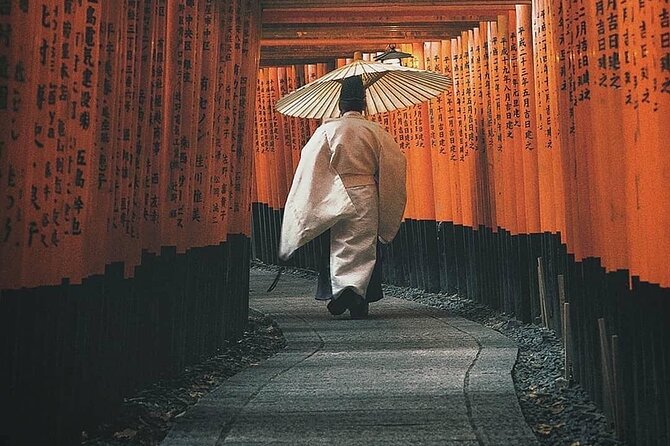
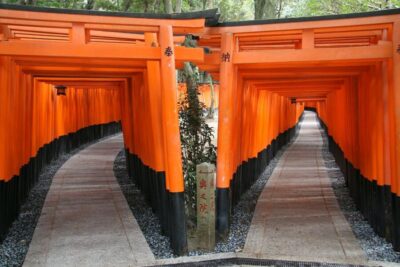
Fushimi Inari Taisha is the shrine stop that most people remember for one thing, the thousands of vermilion torii gates that form trails up Mount Inari. It is dedicated to Inari, the Shinto god of rice. The result is a walk-through landmark that looks like it was built for slow exploring.
This stop is also where your planning matters. The gates make for an easy photo start, but the deeper you go, the more it becomes about pacing and comfort. If you are short on energy, you can still get a satisfying experience without pushing all the way up. If you like walking and want the trail feel, you can go farther with a guide who can help you decide where to turn around.
One note on tickets, the stop description says the admission ticket is not included for Fushimi Inari, but the package inclusions also list entrance fees for Fushimi Inari Taisha. That mismatch is worth checking in your confirmation. If you want to be extra sure, look at what your voucher says for Fushimi Inari specifically.
Same corner of Japan, a different kind of day:
- Kyoto Geisha Walking Tour: Gion District & Hidden Gems
★ 4.7 · 3,273 reviews - Kyoto: Tea Ceremony Ju-An at Jotokuji Temple
★ 4.9 · 3,207 reviews - Kyoto: Gion Magical Night Walking Tour with Geisha Trivia
★ 4.9 · 2,393 reviews - Kyoto: 45-Minute Tea Ceremony Lesson Experience
★ 4.3 · 2,378 reviews
Arashiyama Bamboo Forest, Togetsukyo Bridge, and a Lake Boat Ride
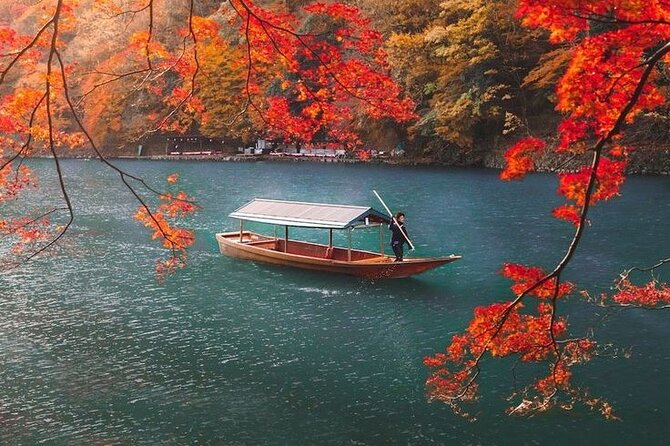
Arashiyama is where Kyoto shifts into a calmer, more scenic mood. You start with a walk through the bamboo forest, then cross the river via the iconic Togetsukyo Bridge. After that, the experience includes a tranquil boat ride across the lake.
That sequence is a big reason this tour feels like more than a checklist. Bamboo forests can be a one-minute sight if you rush, but paired with bridge views and a boat ride, you get transitions. You are not only seeing one landmark, you are moving through multiple visual settings in one continuous block of time.
Also, because the bamboo and bridge areas can attract crowds, the private format helps you pick the moments to pause. Ask your guide when to stop for photos and when to keep moving. You will spend less time waiting at bottlenecks and more time enjoying the scenery.
Practical tip: keep your expectations flexible. Bamboo and outdoors light change fast. If you get a break in weather, you will want that boat ride and the bridge crossing to feel worth it, and they usually do.
Price and Value: What the $200 Per Person Covers
At $200 per person, the big question is what you are buying. You are not just buying entry tickets. You are buying time, convenience, and direction.
Here is what tends to create value in this price:
- A private guide experience for your group only
- Transportation with an air-conditioned vehicle and taxi support when helpful
- Parking fees handled for you
- Entrance fees included at certain stops (Kinkaku-ji and Kiyomizu-dera are listed as included), plus entrance fees listed for Bamboo forest and Fushimi Inari Taisha in the package details
The possible cost wrinkle is lunch. Lunch is not included, so you will plan your own meal break. Another potential wrinkle is temple fees for Fushimi Inari, because the stop notes and the inclusions mention admissions in a way that may vary. For peace of mind, scan your confirmation and decide how you want to handle extra charges.
If you split this cost across a small group, it often starts to feel more reasonable. But even for solo or a couple, the value can show up if you hate wasting time on logistics or you want a guide who can adapt the order to your interests.
Your Guide Choices: English, Native Language, and a Day That Adapts
This tour is described as tailored to your interests, and that is not just marketing fluff in Kyoto. People come for different reasons. Some care about the architecture and religious meaning. Others want the photo highlights. Some just want an efficient day without stress.
The guides are international, with English as the typical language option. If you need a guide in your native language, that can be arranged for an additional fee. That matters if you want deeper explanations rather than surface-level facts.
The strongest praise connected to guides in this experience comes down to two things: they handle questions well and they are pleasant to spend time with. One guide named Riku is singled out for being awesome, knowledgeable, and easy to be around, and for being a careful driver. Another common theme is accommodating service, including making the day feel smooth rather than rigid.
Transportation in Kyoto: Taxi Use, Careful Driving, and Fewer Headaches
Kyoto traffic and crowd timing can turn a simple sightseeing day into a stress test. This tour reduces that stress by using taxis as needed, plus public transportation if necessary, and by keeping the travel plan tight enough to keep your energy for the sights.
You also get an air-conditioned vehicle, which is not a small detail in warmer months. The comfort helps because you will spend meaningful time riding between distant areas.
Look for the day to feel safe and controlled. The care aspect is part of the guide praise too, including the idea of a careful driver and a clean, reliable car. With a private tour, you are not just riding, you are moving on a schedule planned for your group.
Who This Tour Fits Best
This private Kyoto tour is a strong fit if you want:
- Iconic sights in one day without the headache of planning every transfer
- A guide to answer questions as you go
- A pace that can bend slightly based on what you want to linger on
It also works well for couples and small groups who share interests and want a more personal feel than a larger group tour.
One caution: if you are traveling with a larger group, confirm vehicle seating and how you will be arranged. A low-star incident tied to a party size issue showed that seating expectations can become a problem when headcount does not match the typical description. If you have a group of 10 or more, ask directly how many vehicles you will use and whether everyone can sit together as you prefer.
Should You Book This Private Kyoto Tour?
Book it if you want an organized, private day that hits the major Kyoto landmarks without turning into a logistics project. The combination of guided stops, taxi help, and included admissions at key temples is a practical value, especially if you do not want to spend hours figuring out routes and timing.
Skip or reconsider if you are extremely budget-driven and planning to DIY the day anyway, because you will still need to handle lunch and you may encounter extra temple charges depending on which fees apply at each stop. Also, if your group size is unusual, do a careful check on vehicle seating before you commit.
If you want a Kyoto day that feels guided but not rigid, this one is built for that. You get to see the classics, then you can adjust the day so it matches your style, not someone else’s script.
FAQ
How long is the Kyoto tour?
The tour lasts about 8 to 10 hours, and travel time is included in that total.
Where does the tour start and end?
It starts in Kyoto, Japan and ends back at the meeting point.
Is pickup offered?
Yes, pickup is offered.
What sights are included?
The main stops are Kinkaku-ji (Golden Pavilion), Kiyomizu-dera, Fushimi Inari Taisha, and Arashiyama Bamboo Forest, plus Togetsukyo Bridge and a boat ride across the lake as part of the Arashiyama portion.
Are admission tickets included?
Kinkaku-ji and Kiyomizu-dera include admission tickets in the stop notes. Fushimi Inari is listed as not included in the stop notes, but the package inclusions also mention entrance fees for Fushimi Inari Taisha. Bamboo forest entrance is listed as included. Check your confirmation for what is covered.
Is lunch included?
No, lunch is not included.
What transportation is used?
An air-conditioned vehicle is used, with taxi and public transportation used if needed. Parking fees are included.
Is this a private tour?
Yes, it is private, and only your group participates.
What language is the guide?
Tours are typically conducted in English. If you want a guide who speaks your native language, it can be arranged for an additional fee.
What is the cancellation policy?
Free cancellation is available. You can cancel up to 24 hours in advance for a full refund. If you cancel less than 24 hours before the start time, the amount paid is not refunded.
Fresh options around Kyoto
- Kyoto near Fushimiinari Wagashi making&Small Group Tea Ceremony★ 5.0 · 14 reviews
- Kyoto: Early Bird E-Bike Tour with Lunch★ 5.0 · 14 reviews
- Kyoto 1 Day Golden Route Bus Tour★ 5.0 · 15 reviews
- Private Walking Tour in Gion and Higashiyama★ 5.0 · 15 reviews
- Osaka & Nara: Private Tour with English speaking guide★ 3.9 · 15 reviews
- Early Half Day to Kyoto Highlights★ 5.0 · 15 reviews
- Kyoto Sagano Insider: Rickshaw and Walking Tour★ 5.0 · 15 reviews
- Start from Kyoto Station: Early Morning E-Bike Tour with Kyotoite★ 5.0 · 15 reviews
Kyoto Tours, compared.
Fushimi Inari, Kinkakuji, Bamboo Grove 1 Day Bus Tour
Read our review →
Tea Ceremony in a Traditional Tea House in Kiyomizu
Read our review →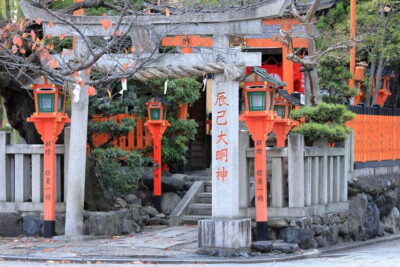
Kyoto Geisha Walking Tour: Gion District & Hidden Gems
Read our review →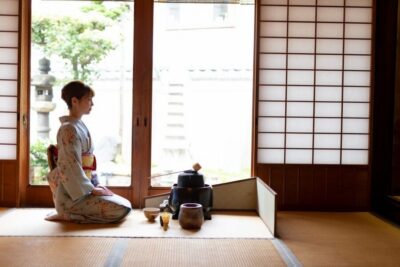
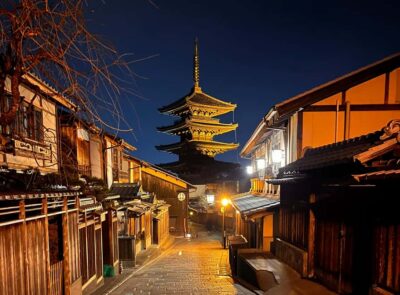
Gion Magical Night Walking Tour with Geisha Trivia
Read our review →