
Reviewed · SAMURAI & NINJA EXPERIENCES
Ninja 1-hour Hands-on Lesson by Japanese master in Kyoto -Entry
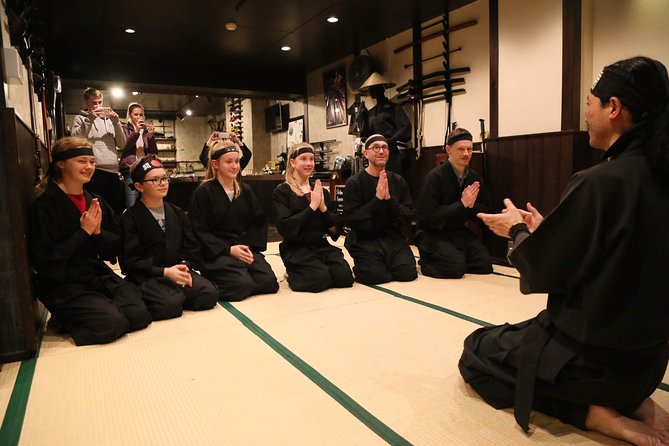
Ninja skills in Kyoto, with real hands-on practice. In just one hour, you get taught the basics of ninja training in a traditional dojo setting, from Kuji-In breathing to weapon throws.
I like the fact that it is capped at a small group, so you are not just watching from the back. You also start and end right at the NINJA DOJO and STORE KYOTO meeting point, which keeps things simple in the middle of a temple-heavy day.
My second big plus is the training style. A Japanese master (English taught) runs the lesson, and you also get ninja clothing rental so the whole thing feels like training, not a costume show. Many people mention instructors such as Sho and Jack, and the common thread is clear instruction that works for both kids and adults.
One thing to consider: the class is beginner level and packed with activities, so it may feel a bit light if you are hunting for deep, academic ninja history. If you want more time on technique, you might wish you booked the longer version instead.
Key Highlights You Should Care About
- Small-group dojo class (max 6) so you get repeated turns and feedback
- Ninja outfit rental during training, for an instantly fun start
- Kuji-In, ninja breathing, and ninja walking taught as practical basics
- A trick-house experience with suspenseful moments like spike-floor walking, guided safely
- Weapon training variety in 60 minutes including sword, kunai, shuriken, and blowgun darts
- English instruction by a Japanese master with the admission fee included in your price
Where This Kyoto Ninja Lesson Happens, and What That Means for You
This Kyoto ninja lesson takes place at a dojo and store on a real city street: NINJA DOJO and STORE KYOTOJapan, 600-8422 Kyoto, Shimogyo Ward, Hakurakutenchō, 528 2F. Having a fixed, easy meeting point matters because Kyoto days can run tight. You do not need to plan a complicated pickup, and it starts and ends at the same place.
The other big logistics win is the group size. This activity runs with a maximum of 6 travelers. That is the sweet spot for hands-on classes. You spend less time waiting for your turn, and the instructor can correct your stance, breathing, or throwing form without racing the clock.
Also, this is a dojo break from Kyoto sightseeing. Reviews often mention it as a welcome change of pace from shrines and temples, and the lesson is designed so you are moving, aiming, and practicing indoors. If you show up on a hot day or during bad weather swings, an indoor training hour can be a lifesaver.
More Samurai & Ninja Experiences in Kyoto
- Kyoto Samurai Experience
★ 5.0 · 1,294 reviews - Kyoto: Kendo and Samurai Experience with Uniform and Gear
★ 4.9 · 815 reviews - Kyoto: Samurai Sword Class by Experts in Traditional Arts
★ 4.9 · 657 reviews
The 1-Hour Flow: Kuji-In to Sword, Kunai, Shuriken, and Blowgun Darts
Do not think of this as a single demo. It is a sequence of short lessons and practice blocks, all designed for first-timers. The total duration is about 1 hour, so the pacing is brisk, and you will rotate through multiple activities rather than focusing on one weapon for a long time.
Here is how the experience generally unfolds:
First, you get set up for training. You practice ninja basics like Kuji-In meditation, ninja breathing, and ninja walking. These are not just “spiritual talk.” The goal is control, calm, and body positioning, the kind that makes later weapon practice feel less chaotic.
Next comes an “introduction gimmick and trap” moment at a ninja trick house. This part is where you will feel the story, suspense, and surprise. People also talk about secret rooms and trap doors, plus guided navigation of a spike-floor style challenge. The important bit is that the instructor helps you avoid danger and shows you how the “ninja walk” works.
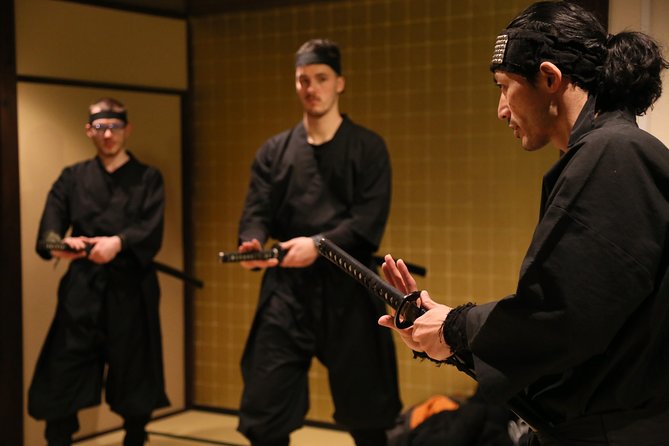
Then you move into weapons training. You get sword instruction and practice, followed by kunai (dagger) training and shuriken (ninja star) throwing. The lesson finishes with a blowgun (blow darts) segment, aiming at wooden targets.
If you like variety, this is a great format. If you prefer deep repetition on one skill, the short duration can feel like you only scratch the surface.
Kuji-In Breathing and Ninja Walking: The Basics That Make Everything Else Work
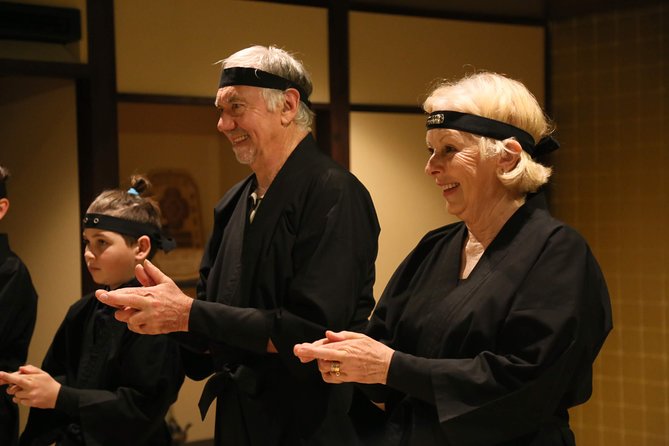
The opening basics are the smartest part of the schedule. You start with Kuji-In, plus breathing and walking. Even if you have never trained anything like this, the routine is meant to be simple enough to grasp quickly. In practice, it helps you do three things:
1) Keep your body steady while you focus
2) Slow down your movements so they look controlled, not rushed
3) Build confidence before you pick up weapons
Ninja walking may sound like a gimmick, but it often becomes the foundation for the rest of the lesson. When you learn how to place your weight and move quietly, it is easier to throw accurately and follow the instructor’s safety rules. And if you are doing the trick-house section, walking technique matters even more.
What I like about these early exercises is that they teach you something you can take home. Even if you never throw shuriken again, learning a simple breathing-and-movement routine is useful. It is also a way to reset your mindset before the more physical parts begin.
The Trick House Moment: Suspense, Secret Doors, and Guided Spike-Floor Walking
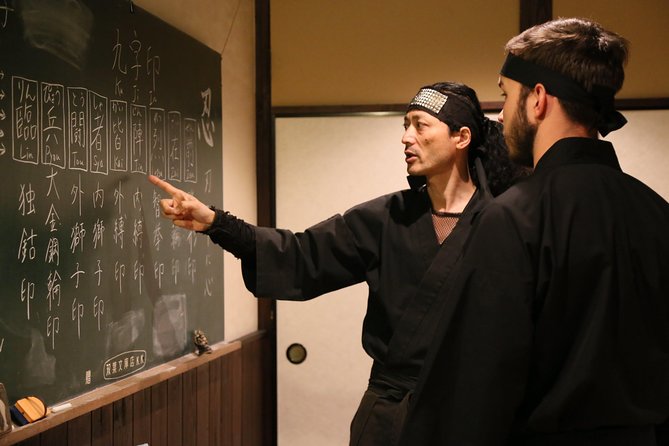
The trick-house segment is designed to make you feel like you are inside a ninja scenario. It includes an interactive “gimmick and trap” component, and it is not just for show. People mention secret rooms and trap doors, and the experience includes at least one challenge involving a dark or tricky floor moment with spikes.
Here is the key practical takeaway: this is guided. The instructor shows you how to do the “ninja walk” and how to avoid the risky parts. That is why this class works for kids and families. You get the thrill without the “okay, now figure it out yourself” approach.
If you are traveling with younger kids, pay attention to how they handle surprises. Some children love suspense. Others may freeze. Either way, the lesson is structured so the instructor is in front of the group guiding you through, not leaving you alone in the dark.
If you get motion sickness easily, note that this section can involve quick changes in lighting and positioning. The data does not describe it as intense, but it is fair to mention that it is the most “scenario-like” part of the hour.
More samurai and ninja experiences in Kyoto:
- Skip the lines Basic Ticket at SAMURAI NINJA MUSEUM KYOTO
★ 4.5 · 632 reviews - Kyoto: Ninja Weapon Forging Experience
★ 4.8 · 478 reviews - Kyoto: Samurai Kenbu Traditional Sword Dancing Show
★ 4.5 · 426 reviews - Samurai Training with Modern day Musashi in Kyoto
★ 5.0 · 256 reviews
Sword Training in a Beginner-Friendly Dojo Setup
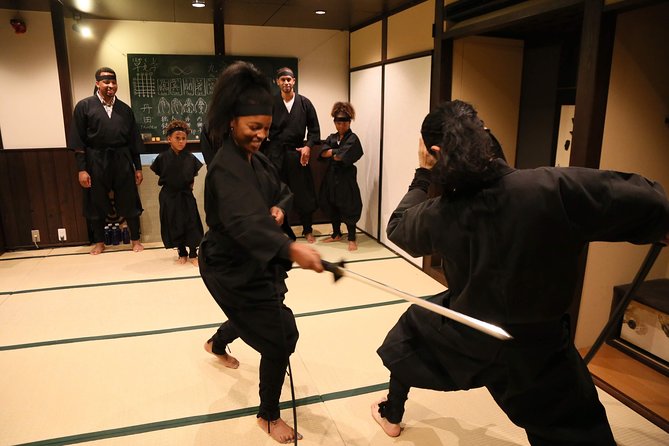
Sword time is often the highlight, and this lesson includes both a demonstration and sword training. That pairing matters. A short demo tells you what the teacher wants you to copy. Training time gives you a chance to try the movements while the instructor corrects technique.
What you should expect as a beginner is basic positioning and controlled motions, not real combat. This is a dojo lesson, and the weapons are handled carefully. Reviews repeatedly point out that instructors are careful with the tools, which is exactly what you want for an experience that includes throwing and darts.
If you are bringing kids, this is where many families feel the biggest payoff. The sword adds a clear “story moment,” and learning the fundamentals first helps children understand what they are doing rather than just mimicking a movie scene.
Adults also like this part because it is physical and visual. You get to see how form and control connect. It also works well for people who have watched ninja-style media, including Naruto, because you can translate those ideas into simple, real movement rules.
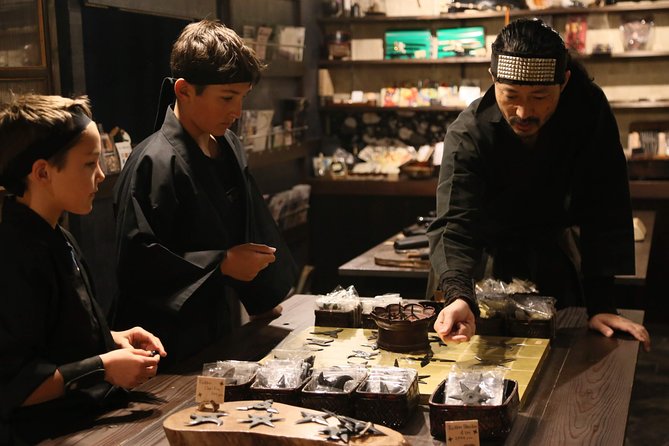
Kunai, Shuriken, and Blowgun Darts: Safe, Focused Weapon Practice
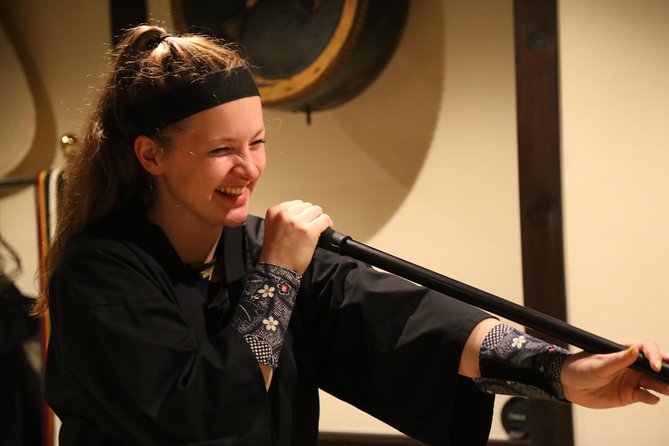
This lesson’s weapon variety is what makes the hour feel packed. You practice:
- Kunai (dagger) techniques
- Shuriken (ninja stars) throwing at targets
- Blowgun shooting with blow darts toward wooden targets
Two things are especially important for you as a visitor.
First, focus. Throwing anything accurately takes concentration. This class makes you slow down and follow form cues, then gives you targets. That keeps your practice grounded.
Second, safety and control. Reviews highlight that instructors are careful and guiding. That is not a small detail. When the activity includes multiple weapon types in one hour, safety culture is the difference between a fun lesson and a stressful one.
For older kids especially, this portion can land as the most satisfying. People mention that kids enjoy aiming, throwing, and the competitive feel of hitting targets. Adults get a different satisfaction: you feel the skill building and you can see improvement across attempts.
If you are sensitive to loud noises or fast movement, blowgun practice can involve quick actions while aiming. The overall lesson still reads as family-friendly, but it is worth noting that this segment is active, not passive.
What You Get Included in the Price, and Whether It’s Worth $80.58
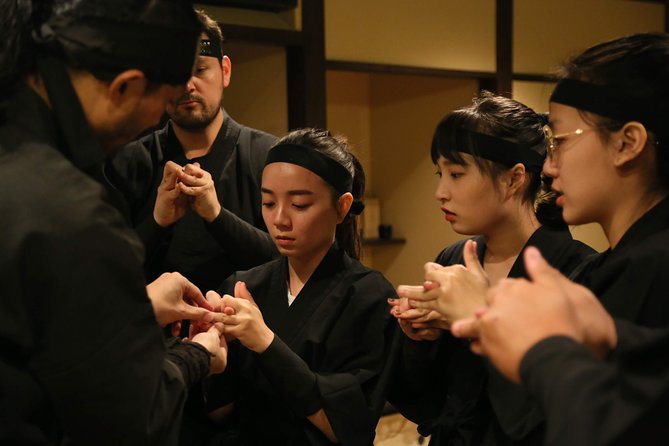
At $80.58 per person for about an hour, this is not a cheap “look and walk away” attraction. The value comes from three elements that most sightseeing activities do not bundle together:
1) A Japanese master teaching in English, not just a generic guide
2) Hands-on practice time with multiple weapons and ninja basics
3) Ninja clothes rental during training, plus admission fee included
Because the group is capped at 6, the instructor-to-student time is higher than many big-group activities. And because you are practicing multiple disciplines in one session, you get a variety of experiences without needing separate bookings.
There is also a “real break” value. Kyoto can be tiring. One hour of active indoor training can feel like a reset, especially if you spend the rest of the day doing stairs, walking, and museum time.
The one value caveat is that the class is beginner level. If your main goal is deep ninja history, you may leave wanting more explanation or more practice time. If you want a deeper skill build, the best hint you can take from the reviews is that some people wish they had booked the 2-hour version instead.
Who This Kyoto Ninja Lesson Is Best For
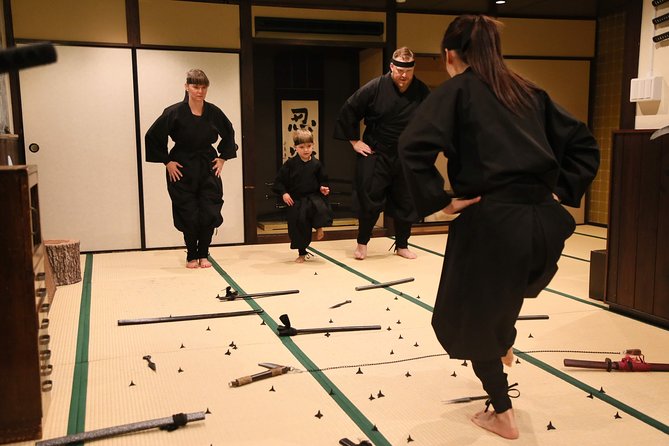
This class fits a wide range because it is structured, beginner-friendly, and physical. Here is the honest breakdown of who tends to enjoy it most.
Families with kids
Many people highlight it as a fun family activity, with kids enjoying sword time, shuriken throwing, and blow darts. The indoor dojo setting also works as a weather-friendly plan. If your child loves ninja themes, this is a strong pick because it turns fandom into guided practice.
Teenagers and adults who want action, not lectures
If you want a hands-on activity you can do without needing any special background, this works well. You get movement, targets, and clear technique cues in an hour.
Couples looking for an offbeat date
The “dress up, practice, laugh, and take home a story” vibe makes it date-friendly. The schedule is short enough that you can still do dinner plans afterward.
People who want serious, academic history
This is the one group that might feel let down. The lesson includes ninja background and real technique, but it is still an hour of training with lots of activity. If you want more scholarly context, you might prefer a different type of tour that focuses more heavily on history.
Practical Tips Before You Go (So the Hour Feels Smooth)
1) Arrive a few minutes early
You meet at the 2F dojo and store. Being early helps you get set up without stressing.
2) Wear comfortable clothes
You will be moving and taking part in weapon practice sections. You do not want stiff shoes or clothing that restricts your stance.
3) Expect rotations
The lesson covers breathing, walking, trick-house navigation, then sword and weapon throwing. You will switch tasks, so stay flexible and listen closely when the instructor calls your turn.
4) If you are traveling with kids, talk up the safety guidance
This class includes guided “trap” moments and weapon practice. Reassuring kids that the instructor shows you how to do things safely helps everyone relax.
5) Bring the mindset of learning, not performing
You are a beginner. The fun is in trying, improving a little, and enjoying the dojo energy.
Should You Book This Ninja 1-Hour Lesson in Kyoto?
Book it if you want a fun, hands-on Kyoto activity that includes real training basics and multiple weapon experiences in a tight one-hour window. The small group size, English instruction, and ninja outfit rental make it feel like a complete package, not a quick gimmick.
Think twice if you are primarily seeking deep, detailed ninja history and lots of technique repetition. This lesson is beginner level and fast-paced, so you might leave feeling you got the taste but not the full meal.
My rule of thumb: if your ideal Kyoto day includes action, targets, and a memorable indoor break, this Kyoto ninja dojo lesson is an easy yes. If you want museum-style explanations above all else, consider a different format, or look for a longer training session.
FAQ
How long is the Ninja 1-hour Hands-on Lesson in Kyoto?
The lesson runs for about 1 hour.
What is the group size?
The experience has a maximum of 6 travelers.
What does the price include?
Your price includes instruction by a Japanese sensei master taught in English, ninja clothes rental during training, and the admission fee.
Where do I meet for the lesson?
The meeting point is NINJA DOJO and STORE KYOTOJapan, 600-8422 Kyoto, Shimogyo Ward, Hakurakutenchō, 528 2F.
Is hotel pickup or food included?
Hotel pickup and drop-off are not included, and food and drink are not included.
What happens if the weather is bad?
The experience requires good weather. If it is canceled due to poor weather, you will be offered a different date or a full refund. You can cancel up to 24 hours in advance for a full refund.
Fresh options around Kyoto
- Kyoto: Quiet and Graceful Tea Ceremony★ 4.5 · 19 reviews
- Oboro | Mindful Tea Ceremony in a 100-Year-Old Kyoto Teahouse★ 5.0 · 19 reviews
- Ikebana Traditional Japanese Art of Flower Arranging★ 4.5 · 19 reviews
- Kyoto Satoyama Cycling with Lunch and English Guide★ 5.0 · 19 reviews
- Kyoto International Party Solo Friendly Expats and Locals★ 5.0 · 19 reviews
- Tea Ceremony Experience in Traditional Kyoto Townhouse★ 5.0 · 19 reviews
- Kyoto: Amanohashidate Ine Funaya Tour★ 4.4 · 19 reviews
- Kyoto Private Food Tours with a Local Foodie: 100% Personalized★ 4.5 · 19 reviews
Samurai & Ninja Experiences, compared.

Samurai Ninja Museum Guided tour and Experience
Read our review →
Kendo and Samurai Experience with Uniform and Gear
Read our review →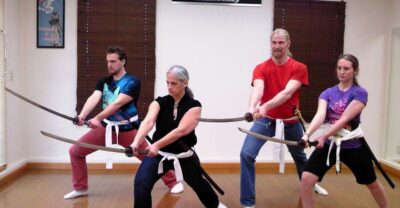
Samurai Sword Class by Experts in Traditional Arts
Read our review →
Skip the lines Basic Ticket at SAMURAI NINJA MUSEUM KYOTO
Read our review →
Samurai Sword & Archery Class from Samurai Descendant
Read our review →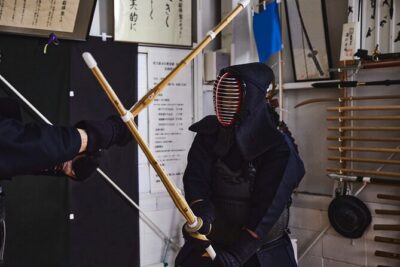
Browse the lists this tour appears in