
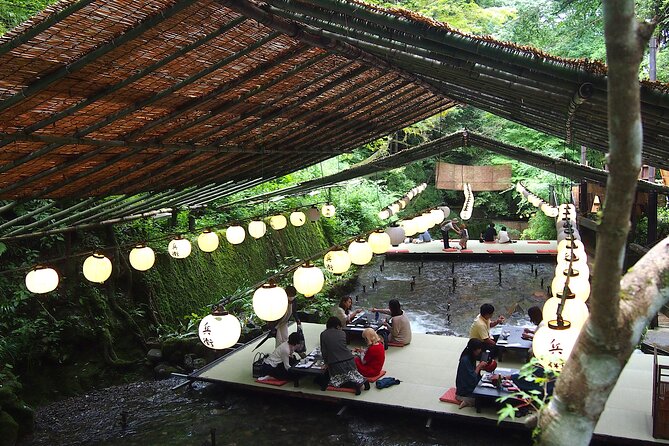
Reviewed · HIKING & TREKKING
Kyoto Hiking Tour: The Nature and Legends of Kurama and Kibune
Want Kyoto off the main streets? This day trip trades crowds for mountain trails and shrine stops tied to Reiki, healing, and river-god legends. I like that you get door-to-door hotel transfers plus a private English-speaking guide, so you spend the day walking, not navigating. One thing to plan for: it’s not a flat stroll, expect lots of stairs and uneven paths, even if the route is broken up with short rest moments.
You’ll follow a classic mountain route, starting with Yuki Shrine, climbing to the Reiki-linked Mount Kurama, then moving through Kurama-dera and Okunoin Maoden before finishing at Kifune Shrine. The payoff is that you see why these places feel different from Kyoto city temples, especially when the air turns cooler and the forest noise fades.
If you’re carrying mobility limits or you hate stairs, this may feel like too much. The tour is listed for moderate physical fitness, so bring steady shoes and a calm pace.
Key highlights worth your time
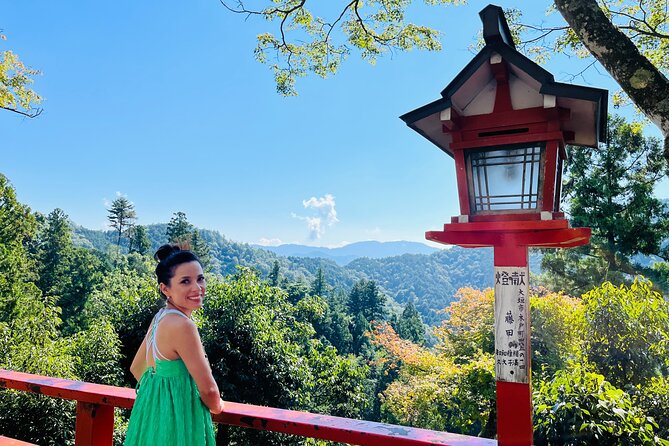
- Yuki Shrine’s 800-year-old cedar and a relocation story from 940 AD that’s all about protection from mysterious evil
- Mount Kurama as Reiki’s birthplace, tied to Mikao Usui meditating for 21 days in the early 1900s
- Kurama-dera on old foundations, founded in the 8th century and reached by forest walking
- Okunoin Maoden’s spooky mountain vibe, where local legend places demons
- Kifune Shrine’s water-and-rain focus, plus the legend of a goddess traveling by boat upriver
Kurama and Kibune: Reiki roots, river legends, and real mountain air
Kurama and Kibune are close to Kyoto, but they feel like a different world. The route takes you from shrine steps into thick woods, then toward river-country prayers. Even if you know Kyoto well, this is the kind of day that changes your sense of the city.
The tour leans hard into story. Not just dates on a placard. You’ll hear why Mount Kurama matters for Reiki, why Yuki Shrine ended up here, and how Kifune Shrine connects to water luck for travelers and sailors. It’s the mix of nature + belief + folklore that makes this day work.
Also, you’re not doing it alone. The private guide format means you can ask questions and adjust pacing. People in the feedback loop repeatedly singled out guides like Mariko, Ryoma, Yoji, Akira, and Michiko for making the day feel personal and well-paced.
The emotional tone is calm and reflective, but it’s not a sit-around tour. You’re walking through places that feel “lived in” by locals through rituals, seasonal changes, and legends that are still spoken like they matter.
A few more Kyoto days worth comparing
- Fushimi Inari Hidden Hiking Tour (Private Option Available)
★ 5.0 · 1,750 reviews - Kyoto: 3-Hour Fushimi Inari Shrine Hidden Hiking Tour
★ 4.9 · 270 reviews - Kyoto: Hike and Hot Springs in Kurama
★ 5.0 · 49 reviews
Price and logistics: what $191.60 covers (and how it adds up)
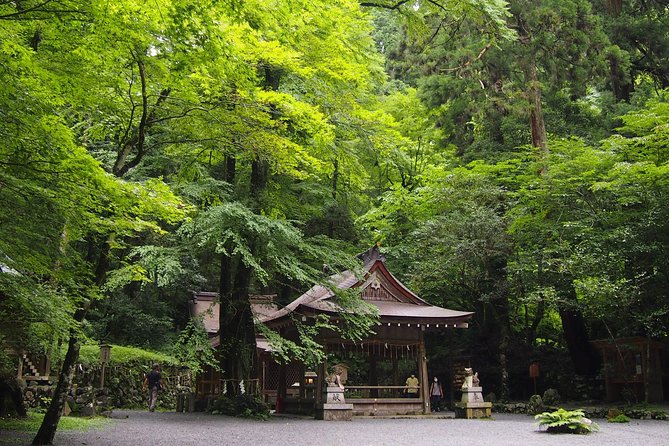
At $191.60 per person for an about-8-hour private hike, this isn’t the cheapest way to see Kyoto. The value comes from what you do not have to manage yourself.
Here’s what’s included that most independent plans charge extra for:
- Hotel pickup and drop-off from Kyoto urban area and Kurama area
- An English-speaking private guide for the full day
- Temple/shrine admissions for the scheduled sites (including Kuramadera Temple)
- All fees and taxes
- Photos of tour participants
- Mobile ticket service
Now consider what you’d likely pay to replicate it. If you hire a private guide for 4 to 8 hours, then add transit, then pay several shrine admissions, the math can get messy fast. This tour keeps the day tidy and predictable.
One practical catch: lunch is not included. You’ll want to budget for it or bring snacks if you’re the type who gets cranky when blood sugar drops. (I mean it kindly. It’s a thing.)
If you’re sensitive to travel planning stress, that’s where the price starts to feel fair.
Door-to-door morning: how the day actually begins
The start time is 9:00 am, and the tour offers pickup from Kyoto urban areas and the Kurama area. That matters. Kurama and Kibune are not “hop on the train and stroll” easy for everyone, especially if you want to minimize transfers and keep your hike day smooth.
You’ll also get drop-off at the end, which helps because the last leg is scenic, not speedy. Having your ride arranged means you can focus on the route instead of timing public transit.
The tour duration is listed as about 8 hours, so treat it like a full day. Comfortable clothing and water planning are worth more than you’d think. Also, the tour is described as requiring moderate physical fitness, and several people specifically noted stairs and up-and-down walking.
Good to know: it’s a private tour/activity, meaning it’s only your group. That typically helps the pacing, because the guide can slow down for everyone without losing the group rhythm.
Yuki Shrine to Mount Kurama: where the 940 AD story meets Reiki
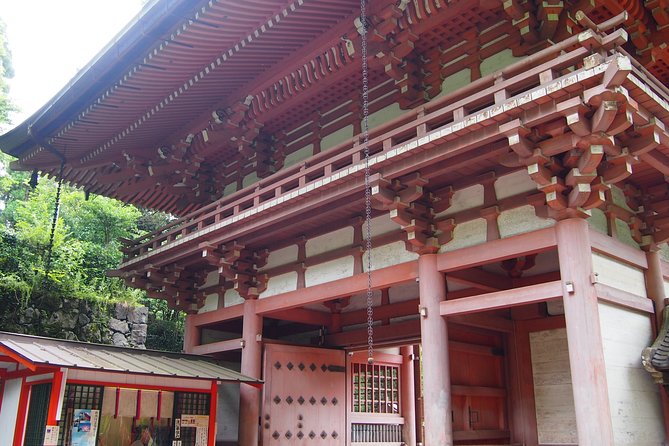
Your first stop is Yuki Shrine (about 20 minutes). The story here is specific and kind of dramatic: it was built in central Kyoto, then moved to Kurama in 940 AD to protect the area from mysterious evil. That relocation detail gives the place a sense of purpose beyond postcard scenery.
You’ll also see an 800-year-old cedar tree, one of the shrine’s standouts. This is the kind of “old but still meaningful” landmark that makes you understand why shrines like this keep pulling people back year after year.
Then the day shifts upward toward Mount Kurama (about 1 hour). This is the Reiki anchor point. You’ll learn that Mikao Usui, the founder of Reiki, meditated for 21 days on this mountain in the early 1900s. Whether you follow Reiki closely or just enjoy cultural history, this part is powerful because it connects a modern practice to a physical place in the mountains.
Practical advice for this segment:
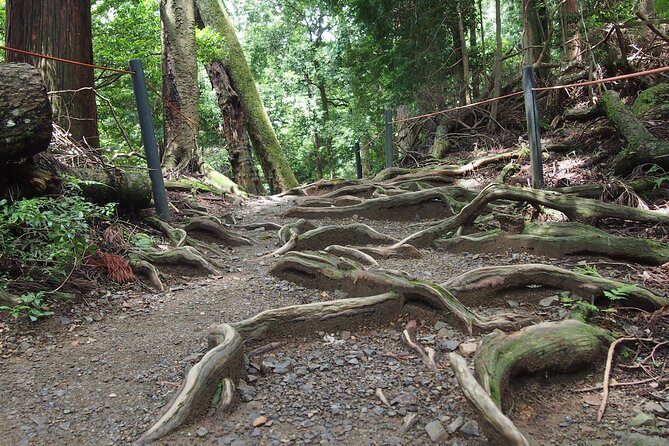
- Wear shoes with grip. Stone and tree-root paths can get slick.
- Expect a steady climbing effort, even if you take breaks.
- Bring water and take the guide’s pace as a suggestion, not a challenge.
When guides like Ryoma and Akira are highlighted in feedback, it often comes back to how well they connect the walking effort to the meaning of the sites, so the climb doesn’t feel like “just steps.”
Same corner of Japan, a different kind of day:
- PERFECT KYOTO 1-Day Bus Tour
★ 5.0 · 13,518 reviews - Kyoto: Fushimi Inari, Kinkakuji, Bamboo Grove 1 Day Bus Tour
★ 4.8 · 4,316 reviews - Kyoto: Tea Ceremony in a Traditional Tea House in Kiyomizu
★ 4.9 · 3,519 reviews - Kyoto Geisha Walking Tour: Gion District & Hidden Gems
★ 4.7 · 3,273 reviews
Kurama-dera and Okunoin Maoden: forest walking and a darker legend
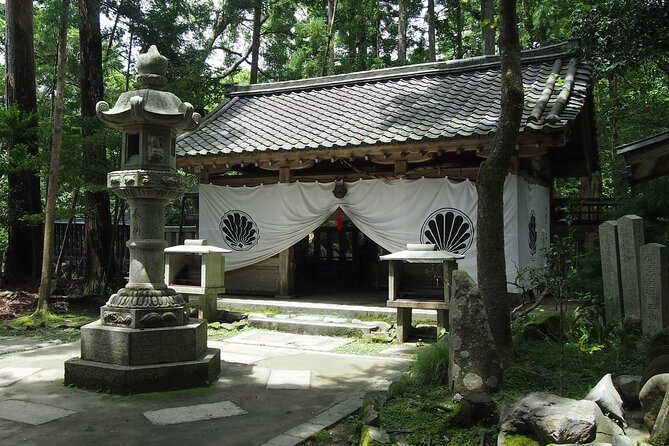
After Yuki Shrine, you’ll walk through the forest toward Kurama-dera. The walk to the main shrine area is described as about 25 minutes, and the total time for Kuramadera is around 45 minutes.
Kurama-dera is dedicated to religious figures connected to the mountain, and it’s described as being founded in the 8th century. That age gives it a different tone than smaller hillside shrines. You’re moving through a place that has had a long time to develop its atmosphere.
The route includes steps and a forest rhythm: walk, pause, look, walk again. One of the recurring themes in feedback is that the hike can feel like more of a walk than a stairmaster if you go at the right pace, because stops are frequent and the guide keeps things organized.
Next is Okunoin Maoden (about 10 minutes). This one is shorter, but it carries mood. It’s said to be a place where demons reign, which is exactly the kind of legend that makes the mountains feel like they have their own rules.
If you’re the type who likes spooky stories with a respectful tone, this stop delivers. If you’re not into demon folklore, treat it as a cultural lens: locals have always used dramatic tales to explain what’s hard to rationalize in the wild.
Kifune Shrine: water prayers, boat legends, and a calmer finish
You’ll then head to Kifune Shrine. The tour breaks it into two parts, with the first Kifune visit around 30 minutes, and then another segment around 25 minutes.
Kifune Shrine is connected to the God of water and rain, and it’s also described as a place for sailors to pray for luck on voyages. That sailor angle is a reminder that Kyoto’s mountains and rivers aren’t just scenery. They’re part of how people historically lived, traveled, and managed seasons.
You’ll also hear that there are spots where you can drink pure mountain water fresh from the area. This is one of those practical, sensory things: even if you’ve had water before, it’s more refreshing when you’re hiking and you’re truly finishing the climb portion.
The second Kifune segment focuses on a legend about a goddess traveling by boat from Osaka up the river into the mountains. The inner shrine houses the boat she rode in, according to tradition.
That makes the finish feel poetic and a bit different from the Kurama side of the day. Kurama is about healing and meditation. Kifune is about water, rain, travel luck, and the spiritual meaning of rivers.
Walking pace, stairs, and who should choose this tour
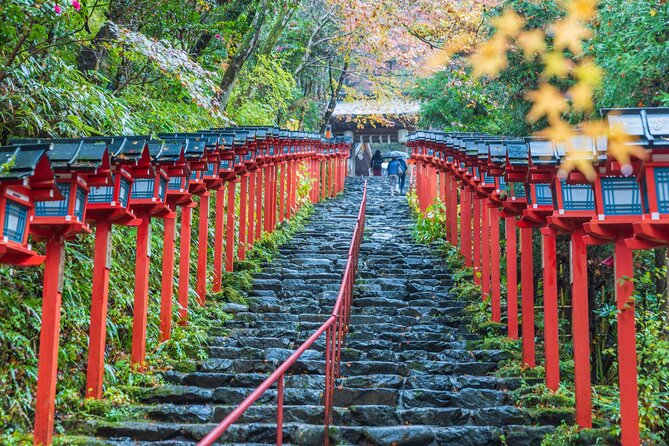
This tour is listed for travelers with moderate physical fitness. In plain terms, you should be ready for:
- Lots of stairs
- Up-and-down walking
- Uneven surfaces
The encouraging part is that the walk is broken up, and guides keep frequent stops. Several people explicitly described it as doable, as long as you go in with energy and accept that it’s exercise, not a gentle promenade.
If you love temples but get annoyed when a tour is all logistics and standing around, this one may be refreshing. You’re moving, but you’re also learning what you’re seeing.
Who it suits best:
- You want a nature-and-culture day away from Kyoto’s busiest lanes
- You prefer a private guide who can keep the pace fair
- You like spiritual stories, not just sightseeing facts
- You’re comfortable with stairs and uneven ground
Who might want a different option:
- Anyone who avoids stair-heavy routes
- People with balance issues on rocky or uneven paths
- Visitors who need a fully flat itinerary
If weather is poor, conditions can make steps harder, and the mountain terrain can feel more slippery. That’s not a dealbreaker, but it’s a reason to pack the right shoes.
Guides make it feel personal: English, history, and fast adjustments
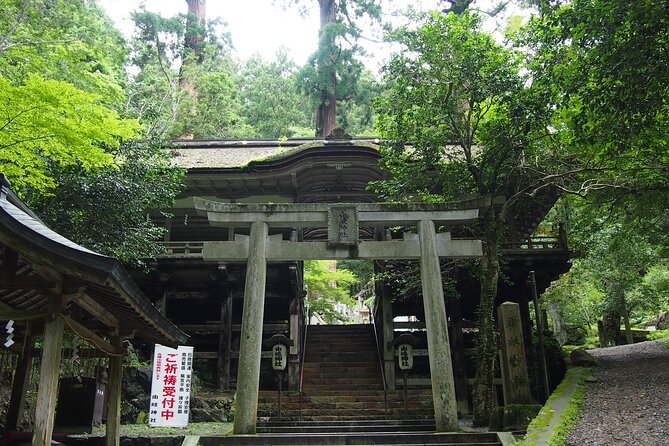
This tour is built around private guidance. That shows up in how the day flows. In feedback, guides like Mariko, Ryoma, Yoji, Akira, Miyo, Miki, Akari, and Michiko Murayama are praised for being friendly, communicative, and able to explain history and religion in a way that feels connected to where you are standing.
One practical benefit of an excellent guide is problem solving. For example, there’s an account of a guide adjusting the plan due to heavy rainfall, simplifying access to shrines and canceling part of the forest walking. Another account described a guide altering plans because of an injury within the group.
You should treat those as examples of how the day can flex, not a guarantee of what every tour will do. Still, the pattern matters. It means the tour isn’t rigid. The guide is there to keep the experience enjoyable and safe.
If you’re the kind of traveler who asks questions mid-walk, this tour will reward you. A private setting is made for that.
Lunch and timing: don’t get caught by the “no lunch” detail
Lunch is not included, so plan around it. The hike and shrine times add up to a full day, and you’ll likely want a real meal rather than only snacks.
In the feedback, some people mentioned ending the day with a soba lunch. You shouldn’t assume that will happen on every tour day, but it tells you the “food opportunity” exists around the mountain area. Just don’t build your entire day around a specific meal unless the guide confirms your plan.
A simple strategy:
- Bring a small snack you can eat during a pause
- Drink water early, not only at the point you feel thirsty
- Save energy for the later temple segments when legs are already working
If you’re someone who gets tired quickly, eat earlier than you think. Mountain walking can hide fatigue until it suddenly shows up.
Should you book? Yes, if you want a Kyoto day with movement and meaning
I’d book this tour if you want a day that combines forest shrines, a clear spiritual thread (Reiki on Mount Kurama), and legends that help you understand why people come back to these mountains again and again. The door-to-door pickup removes friction, and the inclusion of admissions means you don’t waste your limited hike time paying, lining up, or translating signage.
Book with extra care if you hate stairs or you’re working around mobility limits. This is a structured hike, and even friendly stops do not erase the fact that you’re going up and down.
If you’re deciding between “Kyoto temples only” and “Kyoto temples plus mountain walking,” this tour is the latter. It gives you a different Kyoto. And it does it without making you juggle details all day.
FAQ
How long is the Kyoto Hiking Tour: The Nature and Legends of Kurama and Kibune?
The tour runs about 8 hours.
What is included in the tour price?
Included are all fees and taxes, hotel pick-up and drop-off (from Kyoto urban area and Kurama area), an English-speaking guide, temple admission where included (including Kuramadera Temple), and photos of tour participants.
Do I need to pay temple entrance fees during the tour?
You do not need to pay for temple visits for the scheduled stops, since admissions are included in the tour.
Is lunch included?
No, lunch is not included.
What level of fitness do I need?
The tour is listed as requiring moderate physical fitness. The walk involves stairs and uneven surfaces, so comfortable walking shoes matter.
What if weather is bad or I need to cancel?
The experience requires good weather. If it is canceled due to poor weather, you will be offered a different date or a full refund. You can cancel up to 24 hours in advance for a full refund.
Fresh options around Kyoto
- Kyoto Gion Photoshoot – Private Session | Pro Photographer★ 5.0 · 12 reviews
- Kyoto Aquarium Admission Ticket★ 4.7 · 12 reviews
- Gyoza Cooking Class in Kyoto: Traditional Japanese Dumplings★ 5.0 · 12 reviews
- Kyoto: Guided Food Tour with 12 Dishes & 3 Drinks★ 5.0 · 12 reviews
- Kyoto: Avoid the Crowds at the Hidden Gems of Arashiyama★ 4.9 · 13 reviews
- Kyoto Early Bird English Tour: Gion & Higashiyama(Private opt)★ 5.0 · 13 reviews
- Otsu-e Folk Art Workshop & Local Culture Walk Near Kyoto★ 5.0 · 13 reviews
- Kyoto, Osaka, Nara Full Day tour by Car English speaking Driver★ 3.5 · 13 reviews
Hiking & Trekking, compared.
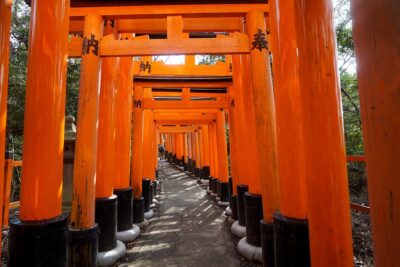
Fushimi Inari Hidden Hiking Tour (Private Option Available)
Read our review →
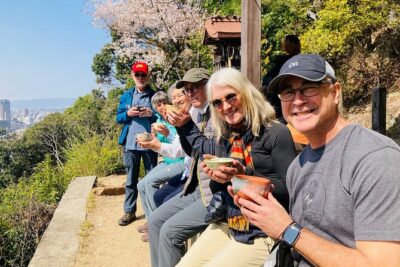
Hiroshima Local guided Hiking Tour&Open-air Tea Ceremony
Read our review →![Hiking the Historic Nakasendo Trail [1 Day Tour from Nagoya]](https://review-japan.com/wp-content/uploads/hiking-the-historic-nakasendo-trail-1-day-tour-from-nagoya-400x267.jpg)
Hiking the Historic Nakasendo Trail [1 Day Tour from Nagoya]
Read our review →
Full Day Hiking Tour at Mt.Takao including Hot Spring
Read our review →

Browse the lists this tour appears in