
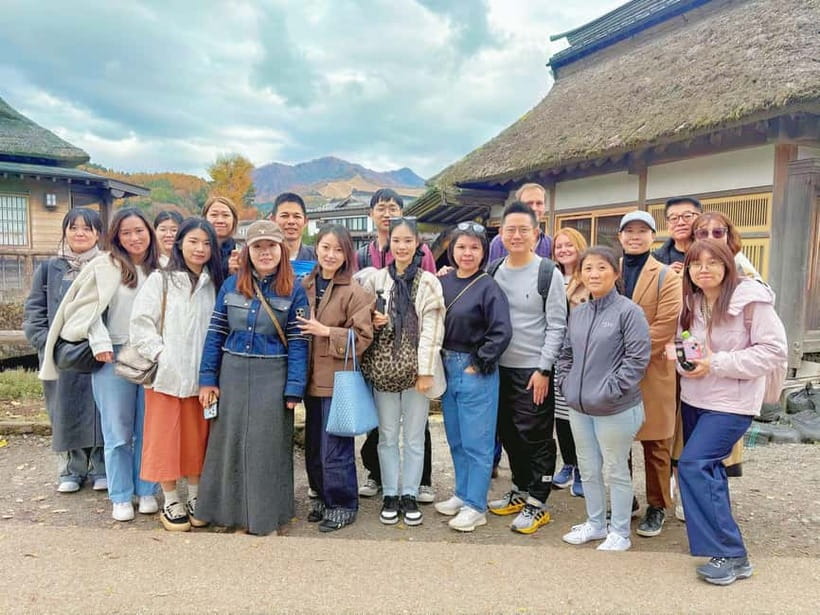
Reviewed · MT FUJI TOURS
From Tokyo: Mt Fuji, Arakurayama and Kawaguchi Lake Day Trip
Fuji in one long, well-timed day. I love the way this trip stacks classic viewpoints into one smooth flow, so you get multiple Mt Fuji angles without spending hours figuring out trains. I also love the human touch, with guides like Hikari-san turning the bus ride into real stories and local legends, not just facts dumped at you.
The main thing to consider is the 397-step climb at Arakurayama, plus the fact that the area can be crowded at peak times, so you may feel a bit rushed in busy seasons.
What makes this Mt Fuji day trip feel worth it
- Hikari-san’s storytelling vibe, funny and warm, so the day feels more like a shared adventure than a checklist
- Arakurayama Sengen Park and Chureito Pagoda, the big photo moment with a clear seasonal payoff
- Oshino Hakkai’s eight springs, plus quick access to local snacks like tofu with pickled miso and kusamochi
- LAWSON Lake Kawaguchi, a perfectly timed break for photos and an easy snack
- Lake Kawaguchiko seasonal swap, Oishi Park most of the year, Maple Corridor from Oct 30 to Nov 20
- Fast, central meeting logistics at Tokyo Station, right by the Marunouchi North Exit taxi stand
Fuji Day Trip From Tokyo: What You Really Get in 10 Hours
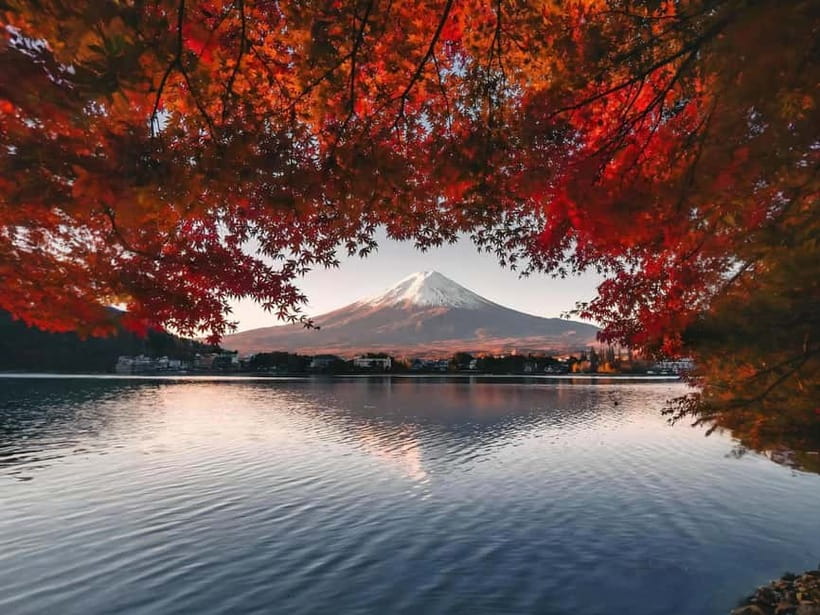
A Mt Fuji day trip from Tokyo can go two ways: either it’s a hectic photo sprint, or it’s a thoughtful circuit where you actually get to enjoy each stop. This one aims for the second option. You spend the day riding a roundtrip air-conditioned bus, then you get a series of purposeful photo and walking breaks around Fuji and Lake Kawaguchiko.
The tour is built around three “Fuji styles.” First, you look up at the mountain from Arakurayama with the famous pagoda framing it. Next, you see Fuji reflected in quieter water at Oshino Hakkai. Then you finish with Lake Kawaguchiko views, where the season controls the mood, from flowers to autumn color.
Price matters here because you are not just paying to get there. You’re paying for transportation, time-saving route planning, and a guide who helps you hit the best angles and keep the day moving sensibly. At $55 per person for a roughly 10-hour circuit, it’s a value play, as long as you’re the type who can enjoy a schedule.
More Mt Fuji tours from Tokyo:
- Mt Fuji and Hakone 1-Day Bus Tour Return by Bullet Train
★ 5.0 · 26,383 reviews - Mt Fuji & Hakone Cruise, Drum Show Bullet Train 1 Day from Tokyo
★ 4.0 · 7,413 reviews - Tokyo Mt Fuji 5th St & Hakone Cruise Bus Tour w/Bullet Train
★ 4.4 · 5,024 reviews
Meeting at Tokyo Station, Then Let the Bus Do the Heavy Lifting
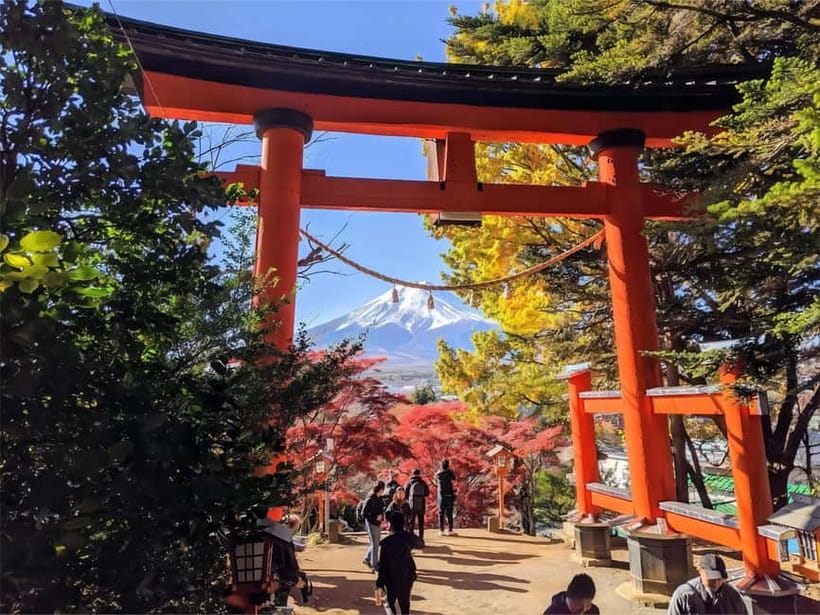
You meet your guide at Tokyo Station, Marunouchi North Exit, near the taxi stand. That’s a big deal in Tokyo, because it keeps the day from turning into a scavenger hunt. You also get the guide’s phone number and license plate details sent to you the night before, so you’re not stuck guessing.
The drive is about 105 minutes each way. That’s normal for Fuji from Tokyo, and it’s also time you can use instead of burning daylight on local transfers. I like that the day is structured so you have a reason to stay on schedule. You are asked to remain with the group for safety and for the guide to keep the story flowing.
One small practical warning from the experience: if you miss the bus at a stop, it can leave without you. You may need to pay for a taxi to catch up at the next location. So treat each meeting call like it matters, because it does.
Arakurayama Sengen Park and the Chureito Pagoda: The Main Photo Stop
This is the headline moment. You arrive at Arakurayama Sengen Park, where you’ll have about 1 hour for photo time, sightseeing, and walking. The star is the Chureito Pagoda, reached via a 397-step climb.
Here’s why this stop is so effective. You don’t just get Fuji in the background. The pagoda gives you structure. In spring, it’s famously paired with cherry blossoms. In summer, it turns into a green hillside scene. Autumn brings vivid leaf tones, and winter can turn the whole view into a colder, more dramatic picture.
Is it easy? No. If you’re sensitive to stairs or crowds, this is the one moment that can wear you out. Also, some days the pagoda area gets busy enough that you may wish you had a few extra minutes there. If you’re traveling with someone older or you’re nursing sore knees, wear supportive shoes and plan to go at a comfortable pace.
Fujiyoshida Photo Stretch at the Hikawa Clock Shop
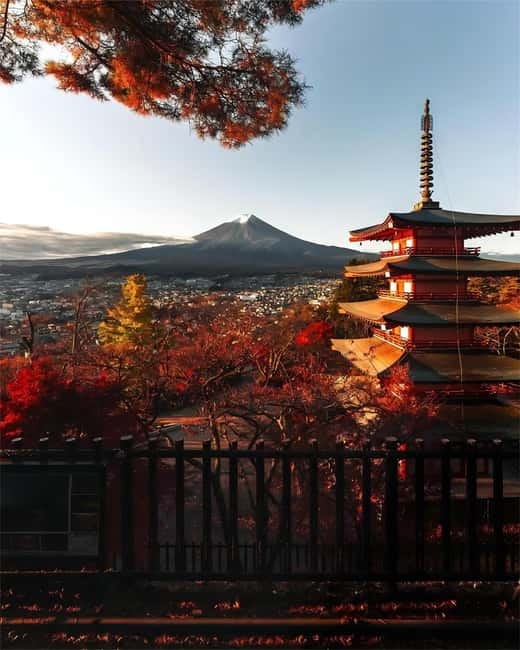
After Arakurayama, you head toward a quieter but clever photo moment at Fujiyoshida. You stop near the Hikawa Clock Shop, with around 20 minutes for a photo break and a quick look around.
What I like about this stop is the payoff is visual, not complicated. The area has a street layout that frames Mt Fuji nicely, so you can get a different angle from the classic viewpoint shots. It’s also a good “reset” stop between heavier walking, where you can stretch your legs and reposition your camera without committing to another big climb.
Don’t expect a long hangout here. It’s a photo-and-walk moment, designed to keep your day from falling behind.
A few more Tokyo days worth comparing
- 1-Day Tokyo Bus Tour
★ 5.0 · 14,250 reviews - Tokyo: TOKYO SKYTREE® Admission ticket
★ 4.5 · 11,192 reviews - Tokyo: teamLab Planets TOKYO Digital Art Museum Entry Ticket
★ 4.6 · 9,779 reviews - Tokyo: Sumo Show Experience with Chicken Hot Pot and a Photo
★ 4.8 · 6,678 reviews
Oshino Hakkai Springs: Fuji Reflections and Real Local Snacks
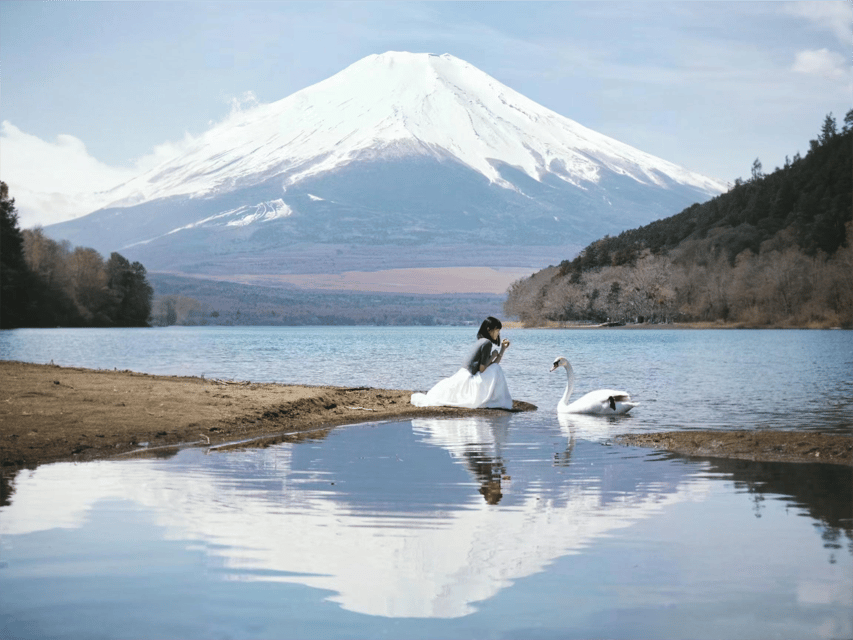
Next up is Oshino Hakkai, a village built around Fuji’s snowmelt-fed springs. You get about 80 minutes here, including breaks, photo time, shopping, and time to stroll.
This place hits in two ways. First, it’s visually calm. You get the classic “Fuji reflected in water” look, and the springs feel like a nature pause inside a busy day. Second, it’s the most “local” feeling stop on the route. You’ll find small gift shops and you can snack at stalls.
If you want something easy and tasty, Oshino Hakkai is where you can try local specialties like tofu with pickled miso and kusamochi, a green rice cake with sweet red bean paste. The catch is that payment options can be limited at some stalls, so if you can, bring some cash for small purchases.
Also, plan your photos smartly. The springs are gorgeous, but they’re also popular. Go early within your time window if you want a slightly calmer feel and better odds of clean reflections.
LAWSON Lake Kawaguchi: The Instagram Stop That Works as a Real Break
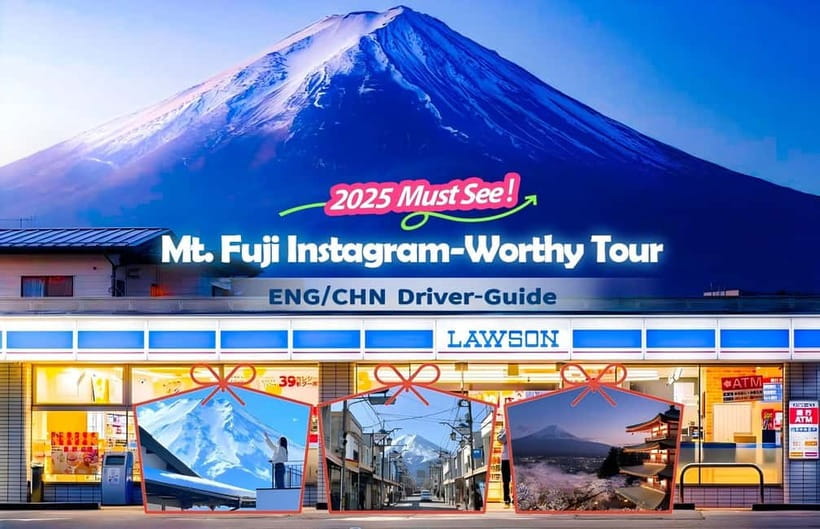
If you came to Japan for one perfectly silly-but-genius photo spot, you’ll understand the appeal right away. The tour includes a stop at LAWSON Lake Kawaguchi, with about 20 minutes for break time, shopping, sightseeing, and coffee.
This is not just about a sign. It’s a quick reset that breaks up the day before you reach the wider open areas of the lake. You can grab a snack, cool off with something cold, and refuel enough to enjoy the final Lake Kawaguchiko walking portion.
One practical note. Some people find bus audio loud during rides, and that can make the whole day feel noisier than it needs to be. If you’re sound-sensitive, pack earplugs. It’s the kind of tiny prep that makes a long day more comfortable.
Lake Kawaguchiko: Oishi Park Flowers or the Maple Corridor Tunnel
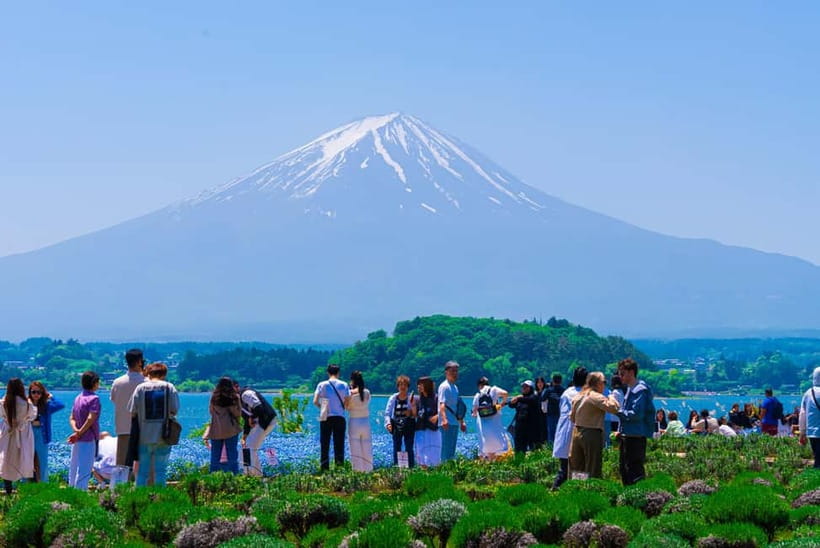
This is your final big scenic section. You spend about 50 minutes around Lake Kawaguchiko at either Oishi Park or, during the autumn color window, the Maple Corridor.
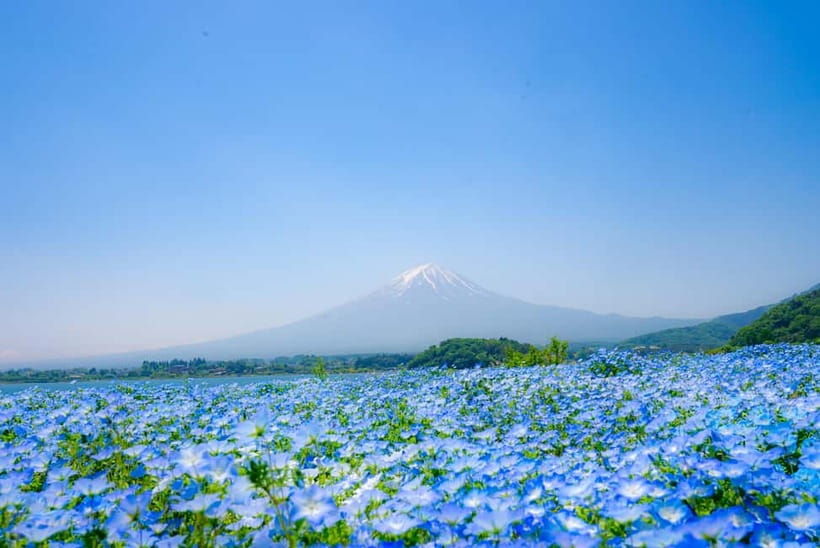
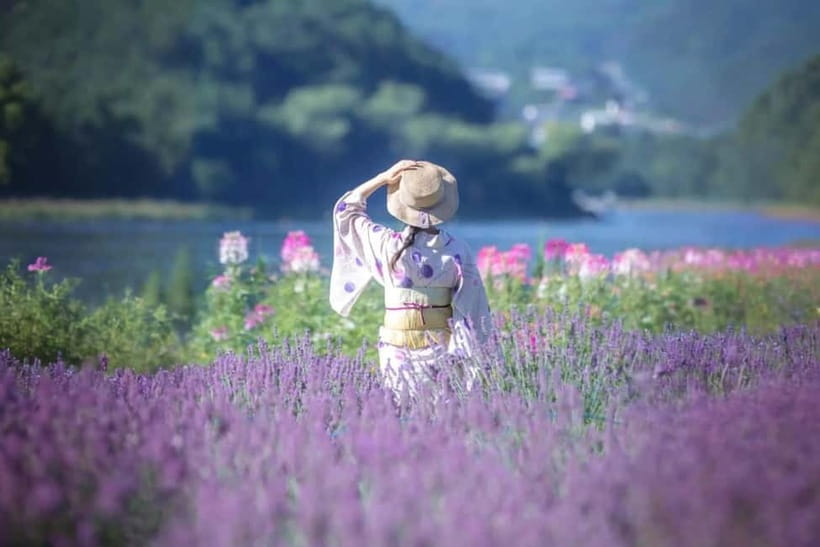
Most of the year, you’ll visit Oishi Park, known for flower displays like lavender, begonia, cosmos, and Japanese blood grass. In other words, it’s built for color, and it keeps your Mt Fuji photos from feeling repetitive.
From roughly Oct 30 to Nov 20, the tour switches to the Maple Corridor instead of Oishi Park. It’s a tunnel-like stroll through autumn leaves with Fuji in the background. If you’re traveling during peak fall color season, this swap is a big deal because it gives you seasonal contrast rather than the same “Fuji and trees” look you might get elsewhere.
Either way, the time is enough to walk, photograph, and enjoy a calmer moment before the return drive. The key is to use your time in the right order: first get oriented and locate the best Fuji-facing corners, then do your photos, then relax.
Price and Value: Why $55 Can Be a Smart Move
At $55 per person for a full 10-hour circuit from Tokyo, this isn’t priced like a premium private chauffeur day. It’s priced like a practical solution: you buy transportation plus an organized day around Fuji’s most visited areas.
Here’s the value logic I like:
- You avoid the stress of planning multiple transfers between viewpoints on your own.
- You get a guide who helps you time your photos and understand what you’re looking at.
- You get multiple “Fuji moments,” not just one viewpoint.
Your biggest “hidden cost” is time and energy, not money. The climb at Arakurayama uses real stamina, and the day can feel tight if you linger too long at a crowded stop. Also, meals are not included, so you’ll likely pay out of pocket for lunch or snacks. That said, you can keep costs manageable by eating small bites at Oshino Hakkai and using convenience store stops for quick refreshes.
If your goal is to see the Fuji highlights efficiently, this price feels fair. If your goal is total slow travel, you might feel constrained by the schedule.
Timing, Crowds, and Weather: How to Set Yourself Up for Success
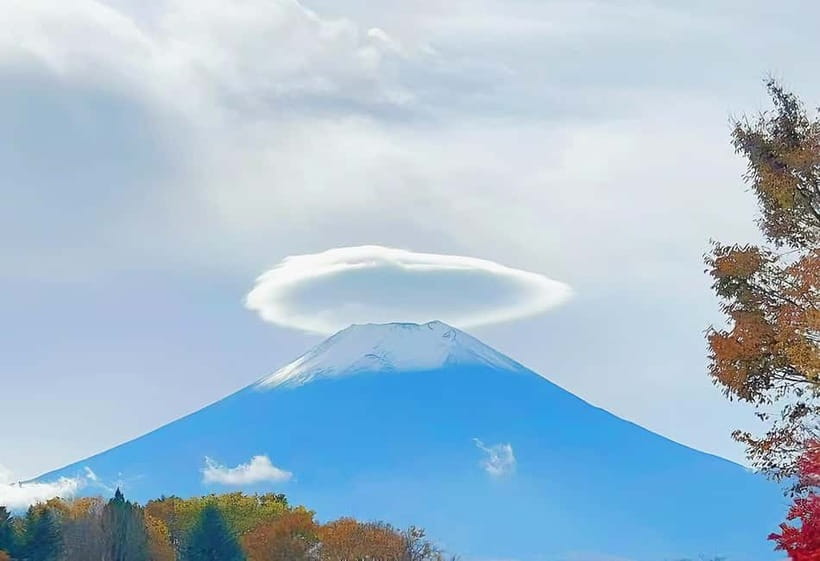
Mount Fuji is famous for being unpredictable. Even when the forecast sounds decent, cloud cover can change your view fast. The good news is that the tour still makes sense on cloudy or rainy days because you are not relying on one single “perfect Fuji” moment.
That said, there’s a reality check. The best photos depend on visibility. If Fuji fully shows up early in the day, you’ll feel like you hit the jackpot. If it appears later, you’ll still get beautiful views from multiple stops, but you may miss the most dramatic postcard clarity.
Crowds also matter. Chureito Pagoda can get packed, and the people-watching can either be part of the fun or a distraction. If you want breathing room, go quickly to the best viewpoint spots, then explore at an easy pace.
Finally, plan your evening in Tokyo with buffer. The goal is to return around 16:30 and get you back to Tokyo around 18:00 to 18:30, but traffic and holidays can push it later, sometimes up to the evening. Overtime issues are covered, but your personal schedule is still your responsibility, so avoid locking in dinner reservations right after pickup time.
Who This Tour Fits Best, and Who Should Skip It
This trip is a good fit if you want:
- Easy transportation from central Tokyo with clear timing
- Multiple Mt Fuji viewpoints in one day
- A guide who shares stories, legends, and practical photo tips
- A day plan that is structured but still gives you room to explore each stop
It’s less ideal if:
- You struggle with stairs. The pagoda climb is 397 steps.
- You are traveling with someone who can’t handle standing and walking for long periods.
- You need a fully flexible day with no schedule pressure. This is a timed circuit.
There’s also a specific note that it’s not suitable for people over 75 years based on the tour’s guidance.
Should You Book This Mt Fuji and Kawaguchiko Day Trip?
I think you should book it if your priority is classic Fuji views from the right spots with minimal planning stress. The combination of Arakurayama, Oshino Hakkai, and Lake Kawaguchiko gives you variety, and the guide experience, especially with Hikari-san, is the difference between seeing places and understanding them.
Skip it if you want total calm, deep customization, or a walk that avoids stairs. Also skip it if your schedule has no wiggle room for late return, because Fuji days can run long with traffic.
If you can handle a busy but well-run day, this is a smart, efficient way to get your Mt Fuji fix from Tokyo, with enough seasonal variety to make it feel more than just a generic sightseeing loop.
FAQ
How long is the Mt Fuji, Arakurayama, and Kawaguchi Lake day trip?
The total duration is about 10 hours.
Where do I meet the guide in Tokyo?
Meet your guide at Tokyo Station Marunouchi North Exit, near the taxi stand.
What time will I return to Tokyo?
The tour concludes around 16:30, with plans to return to Tokyo around 18:00 to 18:30. On peak travel days, return time may be later depending on transport and weather.
What if Mount Fuji is not visible?
Weather can vary. Even if Fuji is cloudy or not visible at certain times, the itinerary still includes scenic stops like Oshino Hakkai and Lake Kawaguchiko that are enjoyable year-round.
Are meals included?
Meals are not included. You can buy food at places like Oshino Hakkai, and you are welcome to bring your own lunch.
Is this tour okay for families or elderly travelers?
It is family-friendly, but the climb to Chureito Pagoda involves 397 steps, so comfortable shoes and breaks help. The tour is not suitable for people over 75 years.
Are English guides available?
Yes. The tour offers English, Chinese, and Japanese. If you need an English guide, request it at least 72 hours ahead, especially during peak season.
Fresh options around Tokyo
- Tokyo: Nagano Snow Monkeys and Zenkoji Tour with Temples★ 4.9 · 19 reviews
- Yokohama Port: Private Customizable Tour with Transfer★ 5.0 · 19 reviews
- Explore Unique Tokyo Streets / Learn with a Pro Photographer★ 5.0 · 19 reviews
- Sushi Making with Interactive Samurai Experience at JIN-ASAKUSA★ 5.0 · 19 reviews
- DAIKOKU excursion by car DRIFT automobile encounter★ 4.5 · 19 reviews
- Official Street Go Kart Tour Akihabara 2nd★ 5.0 · 19 reviews
- Cosplay Experience with Professional Makeup and Photo Shoot!★ 5.0 · 19 reviews
- Tokyo: Name Seal & Pouch or Tote Bag Making Experience★ 4.5 · 19 reviews
Mt Fuji Tours, compared.
Mt Fuji and Hakone 1-Day Bus Tour Return by Bullet Train
Read our review →
Mt Fuji & Hakone Cruise, Drum Show Bullet Train 1 Day from Tokyo
Read our review →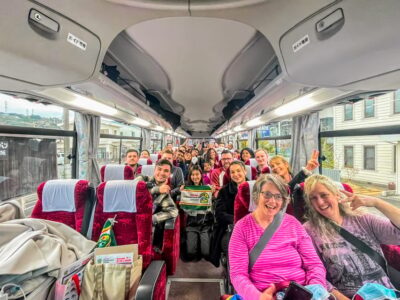
Tokyo Mt Fuji 5th St & Hakone Cruise Bus Tour w/Bullet Train
Read our review →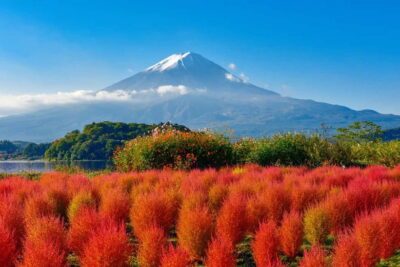
Mt. Fuji Tour, Hakone Ropeway, Owakudani, Lake Ashi
Read our review →
Mt.Fuji,Kawaguchiko Oishi Park,Arakurayama Sengen Park
Read our review →
Mt. Fuji 5th Station & Hakone Cruise 1-Day Bus Tour
Read our review →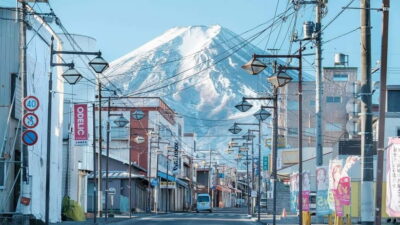
Mt Fuji Top 5 Spots Day Tour: Arakurayama Park,Oshino Hakkai
Read our review →Browse the lists this tour appears in