
Reviewed · NAGOYA TOURS
Kimono Rental and Tea Ceremony Experience in Inuyama
If you want Japan without the rush, start here. This kimono rental plus tea ceremony in Inuyama turns a pretty afternoon into something you can actually feel, from dressing to whisking matcha. I like that it’s set in Inuyama Castle town, and you get formal tea time in a quiet temple setting near the national treasure, Inuyama Castle. The whole thing is designed to slow you down, even if you love taking photos.
Two things I especially like: first, you choose your own kimono and get dressed for you, so you look like you belong in the old streets without fuss. Second, the tea ceremony is hands-on, you make matcha yourself and then enjoy it in a serene tea room. One drawback to consider is that extras can add up, especially if you want an accessory option or a hair set, since those are not included.
You also get freedom after the ceremony, because the kimono rental is for the day only. After matcha, you can stroll around Inuyama Castle and the historic streets while you’re still in costume. Just note that transportation costs to the meeting site are on you, and the activity starts at 11:00 am.
Key things that make this experience work
- Kimono rental in Inuyama Komachi at the start of the day, with dressing included
- Tea ceremony at a temple teahouse near Inuyama Castle
- You make matcha yourself, not just watch
- Gentle, patient instruction, even if your Japanese is limited
- Comfort-minded guidance, including no pressure to kneel for the whole time
- Day-only kimono, so you can keep exploring after tea
Inuyama Castle town, in a kimono, starting at 11:00
This experience begins at いぬやま小町 (Inuyama Komachi) in Inuyama, a great place to start if you want your old-town photos to look lived-in, not staged. The start time is 11:00 am, and the total experience runs about 2 hours 30 minutes. You’re not trapped in a long schedule, and that matters, because Inuyama Castle town is at its best when you get a chance to wander.
One reason this format feels so good is that the costume comes first. You rent the kimono, get dressed, and then you move into the tea ceremony with your body already in the right rhythm. It helps you shift from sightseeing mode into culture mode. And because the kimono rental is for the day only, you can carry that mood forward while you explore Inuyama Castle and the surrounding historic streets after your ceremony.
It’s also a private activity, meaning it’s only your group. For many people, that’s the difference between a cultural class that feels personal, and one that feels like you’re lining up behind strangers. The tour is listed as near public transportation, which is a practical plus if you’re planning to connect it with other stops in Aichi.
More tea ceremonies in Nagoya:
- Nagoya: Japanese Traditional Sweets making and Tea Ceremony
★ 4.9 · 76 reviews - Experience Japanese calligraphy & tea ceremony at a traditional house in Nagoya
★ 5.0 · 16 reviews - Kyoto: Tea Ceremony in a Traditional Tea House in Kiyomizu
★ 4.9 · 3,519 reviews
Choosing your kimono at Inuyama Komachi (and what to think about)
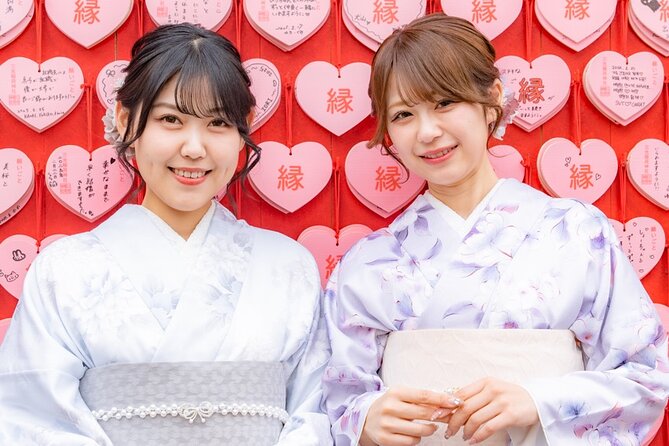
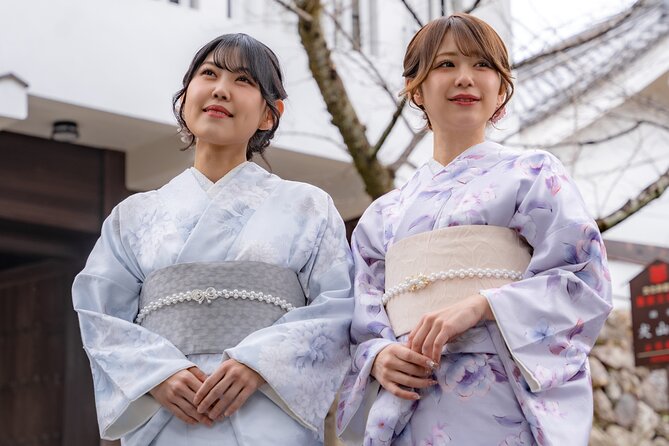
At Inuyama Komachi, you choose your kimono and have it dressed for you. That’s the core of the experience, and it’s more important than it sounds. If you’ve ever struggled to pull off traditional clothing while also trying to look like you know what you’re doing, you’ll appreciate the fact that dressing is handled for you.
Here’s what you should think about when picking your kimono:
- Choose something you’ll feel comfortable walking in. You’ll be standing, sitting for tea, and then moving around the castle town after.
- If you’re sensitive to heat or layers, pick a pattern and material that feels breathable enough for a day out. (The tour doesn’t spell out fabric types, so I’d use the fit and feel as your guide.)
- Consider your plan for photos. Busy spots around castles and old streets can be photo magnets, so you’ll want a kimono that holds color well under daylight.
There are also optional add-ons that cost extra: accessories (¥550 per person) and a hair set (¥2,200 per person). These aren’t included, so if you want the full styled look, budget for it. If you don’t, you can still get the big visual impact with the kimono and the ceremony experience.
Tip for comfort: bring socks or shoes that work well for you under a traditional outfit. The listing doesn’t mention what footwear is provided or required, so ask at the shop if you’re unsure. Getting that right means you spend your energy enjoying the day instead of worrying about your feet.
Tea ceremony at a temple teahouse near Inuyama Castle
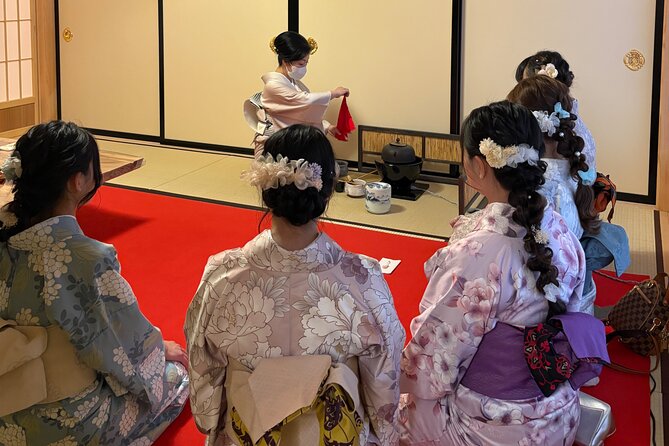
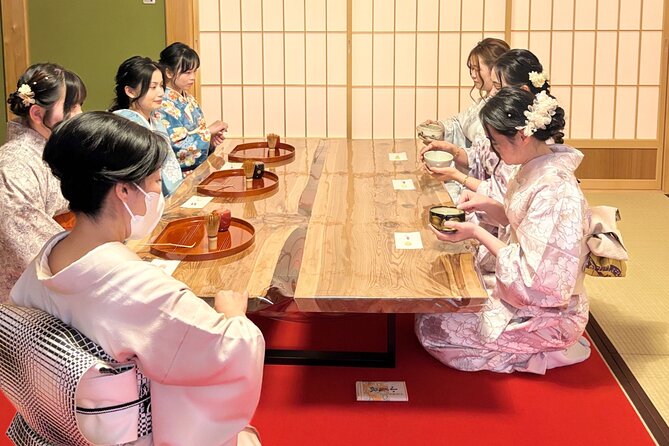
After you’re dressed, the experience shifts to tea at a teahouse within a temple near Inuyama Castle. This location choice matters. A lot of tea ceremonies you see advertised feel like a performance space. Here, the setting is described as inside a temple teahouse near a major landmark, so the atmosphere is calm and grounded.
During the ceremony, you follow the formal process with a teacher guiding you through what to do. The reviews highlight that the teacher is professional and the method is treated with respect, including older, traditional brewing style. You’ll learn the steps and understand that each action carries meaning, which is one of the reasons the experience can feel more reflective than it looks on paper.
If language is a concern, this experience has a good track record for pacing. One review describes clear, gentle communication with slow explanations when there’s a language gap. That’s a big deal. You don’t need perfect Japanese to understand the flow if the guidance is patient, and you’ll get more out of the ritual when you can follow the why, not just the how.
One more comfort note that came up in the feedback: you’re not forced into awkward postures for the sake of tradition. In one case, the shopman was described as not compelling people to sit on their knees. Even if your needs are modest, that kind of flexibility helps you stay present during the ceremony instead of stuck in discomfort.
Making matcha yourself: the hands-on moment that sticks
The highlight here is not watching someone whisk tea. It’s doing it yourself. You’ll make matcha during the ceremony and then savor it in the tea room.
Why I think this matters: matcha is not just a drink, it’s a sensory skill. When you learn the steps and see how the procedure affects the result, you remember the experience. People often forget facts they hear, but they remember what their hands learned. The reviews also mention an ancient tea brewing method and the idea that the formal process has meaning, so you’re not just producing something, you’re learning why it’s done that way.
Expect a calm pace. The whole point of the tea room is stillness, and the instruction style described in the feedback supports that. For first-timers, this kind of structure can feel almost comforting because you’re guided through each action. One group shared that making matcha was their first time, and they still felt it was fun and manageable with coaching.
If you’re wondering what to do with the matcha after you make it, the experience is set up for you to enjoy the moment in the tea room. You’re not rushed to the next photo spot. You get to sit with the ritual and taste what you made, which is where the calm, nostalgic feel comes in.
Also, matcha ceremonies can be a little intimidating if you think you need to be perfect. The best part of this format is that it’s instructional. You’re not expected to already know the rules. You’re learning them.
More kimono experiences in Nagoya:
- Kimono Tea Ceremony at Kyoto Maikoya, NISHIKI
★ 5.0 · 911 reviews - Kyoto: Kimono Rental with Hairstyling and Accessories
★ 4.8 · 653 reviews - Kyoto: Kimono Tea Ceremony at Orizuruya Gion
★ 4.9 · 618 reviews - Osaka: Sumo Show & Experience w/ Optional Kimono & Hot Pot
★ 4.5 · 609 reviews
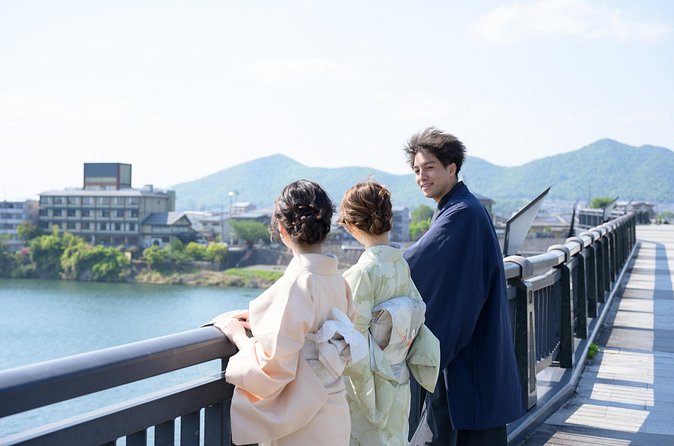
After the ceremony: wearing kimono around Inuyama Castle town
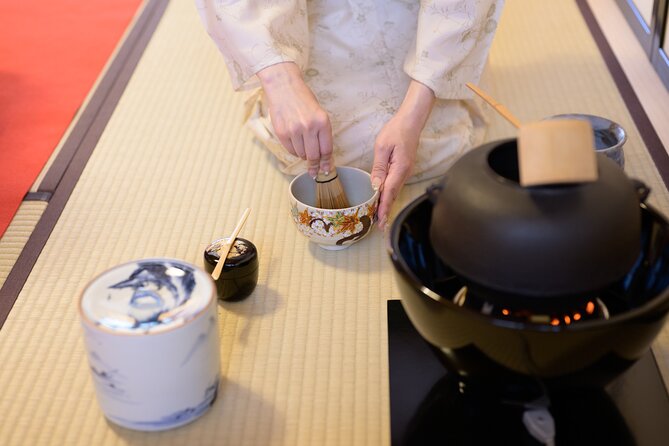
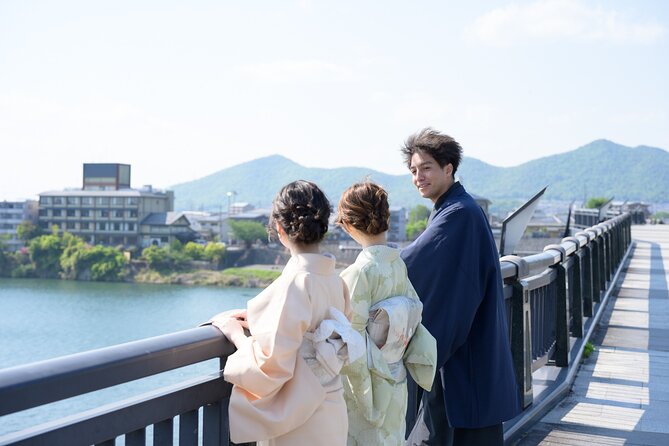
Here’s the practical advantage: your kimono rental is for the day only. So after your tea ceremony ends, you can stroll around Inuyama Castle and the surrounding historic streets while you’re still dressed.
This is where the experience turns from a single activity into a day plan. Tea is calming, but castle towns reward slow walking and unhurried looking, especially when you’re wearing something traditional. You’ll likely find yourself noticing details you would normally skip, like textures on old buildings, the way light hits wood and stone, and how the streets feel at a slower pace.
Because the activity ends back at the meeting point, you’re not left to figure out a complex route right after tea. You’re free to keep exploring on your own from there. That flexibility is great if you want to pair it with local food and shopping.
One thing to keep in mind: with a kimono, you’ll want to plan your walking comfort. Take breaks, keep your pace steady, and avoid anything that could tangle or snag your clothing. This is not the time for anything that requires lots of heavy lifting or getting fully soaked.
If you’re a photo person, this part is your chance to use the costume beyond the ceremony. But even if you hate photos, walking in kimono can change how you experience a place. It slows your decisions and makes you look at the town as something you’re inside, not just something you’re passing through.
Price and value: what $97.98 includes, and what costs extra
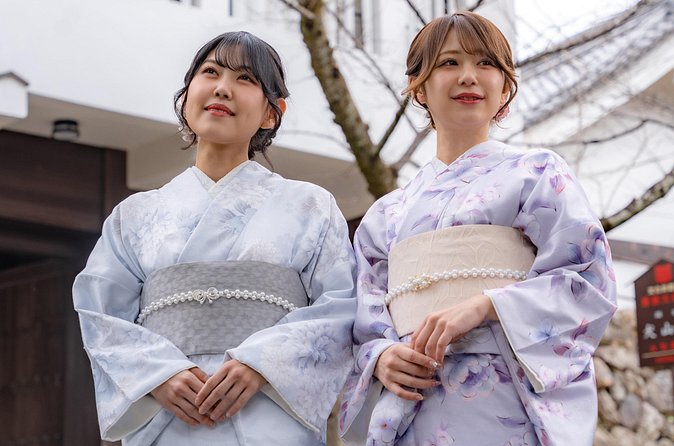
The price is $97.98 per person for about 2.5 hours, including kimono rental and the tea ceremony experience. That’s a straightforward bundle: the cost covers the costume and the structured cultural class.
To judge value, separate what’s included from what’s optional:
- Included: kimono rental, tea ceremony experience
- Not included: accessory option (¥550 per person), hair set (¥2,200 per person), and transportation costs to the site
If you were to do kimono rental and matcha experience separately, you’d likely end up paying for two separate bookings and two sets of staff time. Here, you get both in a single flow, which saves you coordination effort. You also get the day-only kimono, which spreads the rental value across more than just the time you’re sitting in the tea room.
The main reason this can feel like a bargain is that it’s more than a photo prop. The matcha part is hands-on, which is usually where people get the most memory value. You’re leaving with both a costume experience and a learned skill.
My practical advice: if your goal is simply the kimono look plus a calm tea ceremony, you can likely keep extra costs down by skipping accessories and hair. If you want a styled, head-to-toe traditional look, plan for those add-ons ahead of time.
Who should book this, and who might want to adjust expectations
I’d book this if you want a quieter, more reflective Japan experience than the typical hustle-and-bus tour. The tea ceremony is the kind of activity that rewards patience, and the kimono makes the walk feel like part of the ritual. People also seem to appreciate that the instruction is gentle and that the process is formal but approachable.
This experience is also a good match if you’ve done other cultural activities in Japan but never tried matcha firsthand. It’s hands-on without being performative. You’ll get guidance, and you’ll taste what you prepared.
You might want to adjust expectations if:
- You’re looking for a high-energy guided history talk. This is more about calm procedure and cultural practice than rapid storytelling.
- You’re cost-sensitive and plan to add accessories or a hair set. Those extras can change the final total.
- You need a lot of free time to roam immediately. The schedule is about 2.5 hours total, and the wandering happens mostly after the tea ceremony.
Because it’s private, it’s also a strong option for couples or small groups who want instruction that feels more personal.
Practical tips so the kimono and matcha feel comfortable
A few simple things can make this day feel smoother:
- Plan for a steady walking pace after tea. You’ll be in kimono for a while, so comfort matters.
- Consider your matcha tolerance. It’s tea, but it’s a different taste than typical drinks. If you usually avoid strong green flavors, you might want to mentally prepare.
- Manage your styling expectations. Accessories and hair set cost extra, so decide what look you want before you’re standing in front of options.
- Use the teacher’s pace. If language is a barrier, the guidance style described in the experience feedback suggests slow, clear explanation can help you keep up.
- Ask about posture comfort. Since you may hear that you are not compelled to kneel, still ask what the tea room requires and what flexibility is offered.
Also, you start at 11:00 am and you’re near public transportation. That helps if you’re building a longer day around it. If you’re planning other activities that require speed, schedule them carefully after your tea and wandering time, because your body will feel the kimono after a couple of hours.
Should you book this kimono rental and tea ceremony in Inuyama?
If you want a memorable, calm slice of Japan that includes both a kimono you can wear around the town and a matcha experience you actively do, this is an easy yes. The hands-on matcha making, the professional guidance, and the quiet temple setting are the kind of combination that turns a “nice activity” into a day you’ll remember.
I’d especially recommend it if you’re tired of rushed sightseeing and you like the idea of learning through doing. Budget a bit for optional accessories or hair if you want the full look. And plan to enjoy the slow walk afterward, since the kimono rental is for the day only.
FAQ
What’s included in the Kimono Rental and Tea Ceremony Experience in Inuyama?
The experience includes kimono rental and a tea ceremony experience.
What’s not included in the price?
Not included are the accessory option (¥550 per person), a hair set (¥2,200 per person), and transportation costs to the site.
How long is the experience, and what time does it start?
It lasts about 2 hours 30 minutes and starts at 11:00 am.
Where is the meeting point?
The start point is いぬやま小町, 484-0081 Aichi, Inuyama, Nishikoken 213. The activity ends back at the meeting point.
Is this a private tour?
Yes. It’s a private tour or activity, so only your group participates.
Is the kimono rental for the whole day?
Yes. The kimono rental is for the day only, so you can stroll around Inuyama Castle and the surrounding historic streets after the tea ceremony while wearing your kimono.
Fresh options around Nagoya
- Pub Crawl in Nagoya★ 5.0 · 15 reviews
- Experience Japanese calligraphy & tea ceremony at a traditional house in Nagoya★ 5.0 · 16 reviews
- Nagoya: 2026 Hida Takayama Shirakawa-go Light-up Winter Tour★ 3.5 · 16 reviews
- Nagoya: all-inclusive car tour to Korankei valley★ 5.0 · 19 reviews
- Nagoya : Private Nabana no Sato Tour : Illuminations & Shopping★ 5.0 · 21 reviews
- Nagoya: Toyota Commemorative Museum Guided Tour★ 4.7 · 22 reviews
- Private Full-day Nagoya City Tour★ 5.0 · 22 reviews
- Nagoya Samurai & Toyota Tour guided by a friendly local★ 5.0 · 24 reviews
Nagoya Tours, compared.

![Hiking the Historic Nakasendo Trail [1 Day Tour from Nagoya]](https://review-japan.com/wp-content/uploads/hiking-the-historic-nakasendo-trail-1-day-tour-from-nagoya-400x267.jpg)
Hiking the Historic Nakasendo Trail [1 Day Tour from Nagoya]
Read our review →
Nagoya Highlight Tour guided by a friendly local
Read our review →
Japanese Traditional Sweets making and Tea Ceremony
Read our review →
Magome-juku, Tsumago-juku & Ena-kyo 1d Bus Tour from Nagoya
Read our review →
Nagoya Full-day Private Custom Tour with National Licensed Guide
Read our review →Browse the lists this tour appears in