

Reviewed · NAGOYA TOURS
Nagoya: Toyota Commemorative Museum Guided Tour
Follow the machines behind Toyota. This guided outing in Nagoya makes Japan’s most famous company feel practical and human, not just corporate. I like the live machine demonstrations and the way the tour links textile innovation to today’s cars, with the G-type automatic loom as a memorable starting point. One thing to consider: you will do a fair amount of walking and standing, so comfortable shoes matter.
You also get a real human guide, in English, and that changes the whole experience. A guide named Kono gets praise for being charming and loaded with historical context, especially about how Toyota’s story connects to Nagoya and Aichi. If you want a quick car-only stop, this might feel heavier on manufacturing and industry than you expect.
Key highlights I’d plan around
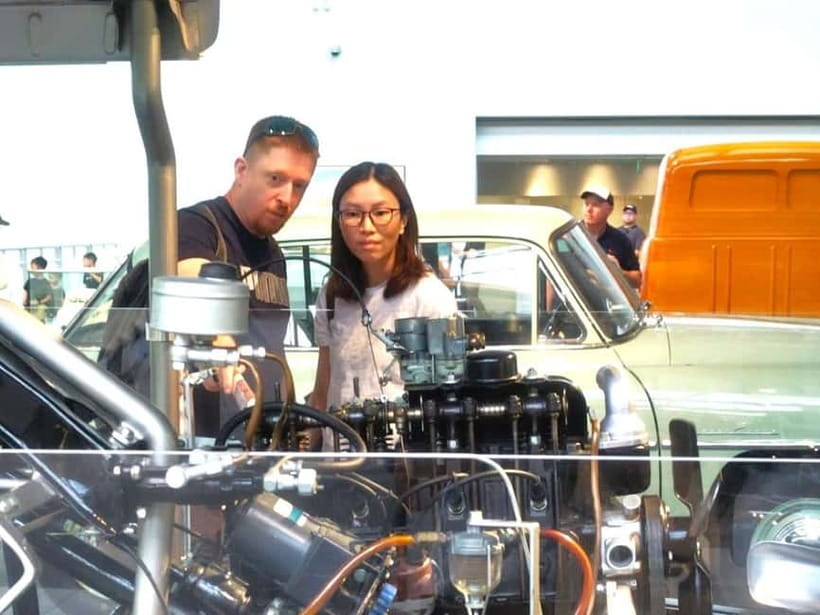
- Textile origin story first, with the G-type automatic loom tied to Sakichi Toyoda’s breakthroughs
- Operational demonstrations that show pressing, welding, and assembly, not just static displays
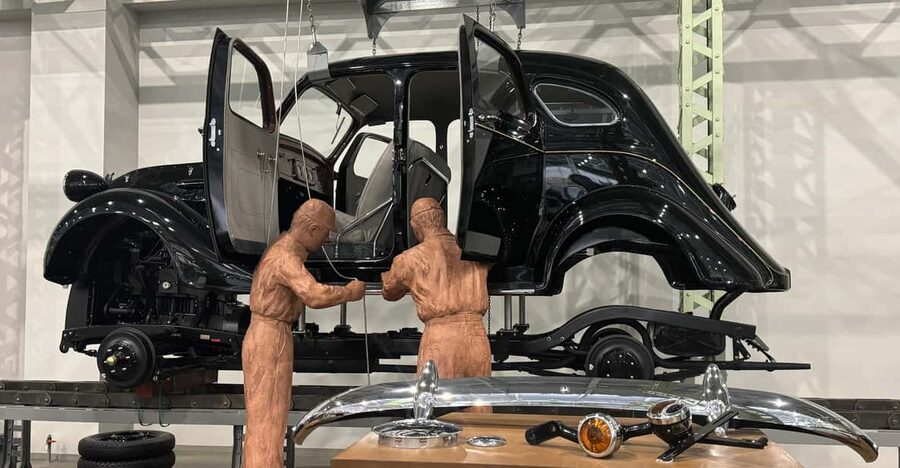
- Iconic vehicles on the automotive side, including Toyota’s early passenger car, the Toyoda Model AA
- A clear story arc, from a textile company to a global automotive leader, with sustainability tech in the mix
- A preserved red-brick factory setting that makes the exhibits feel grounded in real industry
Toyota Museum, red-brick factory walls, and where you meet the guide
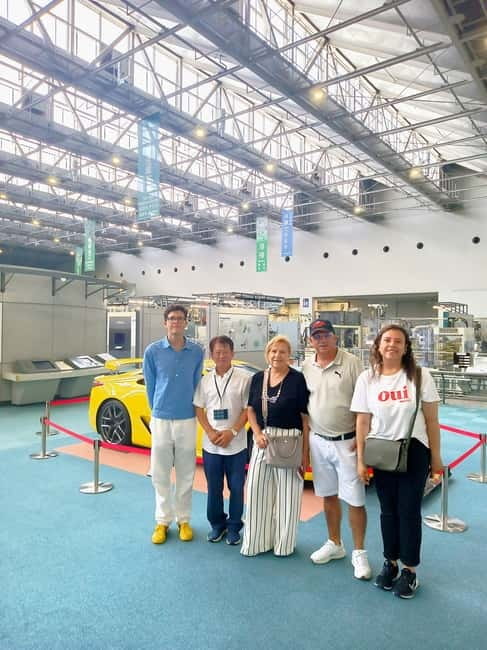
The Toyota Commemorative Museum of Industry and Technology is in Nagoya, and it’s housed in a beautifully preserved red-brick factory building. That setting matters because it visually supports what the museum is trying to teach: industrial progress as something built step by step on a floor, not just a brochure.
Your tour starts at the museum itself, at the Textile Machinery Pavilion. The meeting point is practical and easy to find, next to the ticket counter inside the museum, where the guide holds a yellow DeepExperience logo sign.
A quick heads-up so you do not waste time: the museum is closed on Mondays (or the following day if Monday is a national holiday). Also, this is not the Toyota Kaikan Museum in Toyota City, and it is not the Toyota Automobile Museum in Nagakute City. If you have Toyota museums on your itinerary, double-check you are in the right building.
A few more Nagoya days worth comparing
- Tokyo: teamLab Planets TOKYO Digital Art Museum Entry Ticket
★ 4.6 · 9,779 reviews - Osaka Castle: Museum and Tower Entry Ticket
★ 4.5 · 2,380 reviews - Tokyo: Samurai Ninja Museum Guided tour and Experience
★ 4.6 · 1,010 reviews
Textile Machinery Pavilion: where Toyota’s story starts
This tour begins with Toyota’s industrial roots in textiles, and it’s a smart order. A lot of people show up thinking they’ll see cars first, but the museum wants you to understand Toyota as a manufacturing brain that grew from textile problem-solving.
In the Textile Machinery Pavilion, you’ll focus on the machines and ideas behind textile production. The star attraction is the G-type automatic loom, invented by Sakichi Toyoda. The big value here is the cause-and-effect feeling you get: you can see how automation reduced work, improved consistency, and made large-scale production more realistic.
The experience is not just reading labels. You’ll watch historic looms in action and learn how they changed textile manufacturing. That’s the part I’d plan to pay attention to, because once you understand how these textile machines worked, Toyota’s later precision and process focus in automotive manufacturing makes more sense.
One practical note: the tour includes pavilions inside the museum, so you’ll want comfortable shoes and a plan to keep your feet happy. You’ll also want your camera ready, but keep flash rules in mind.
Automotive Pavilion: pressing, welding, and assembly in motion
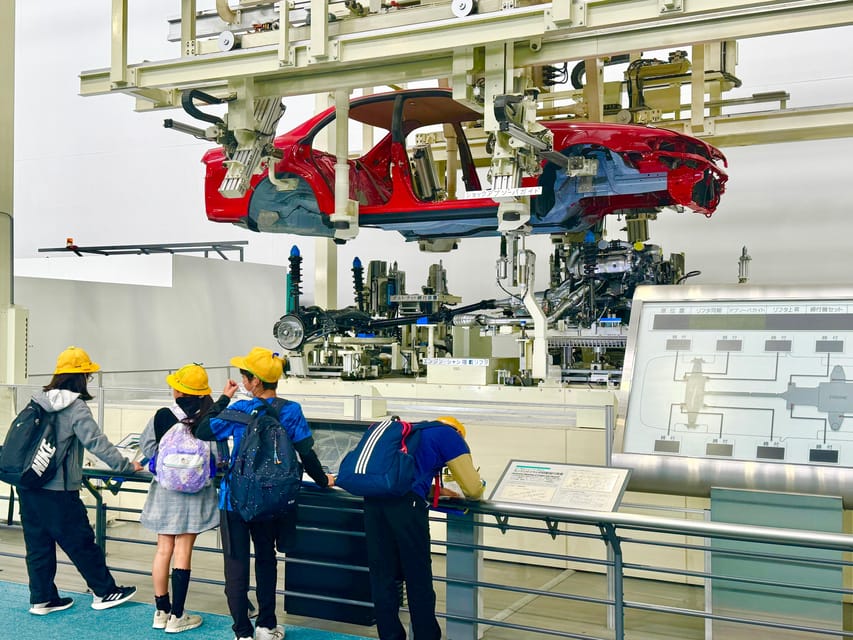
After you get the textile foundation, the Automotive Pavilion is where the museum earns its keep. Toyota’s shift into automobiles can sound like a corporate timeline. Here, it becomes something you can see as manufacturing steps.
You’ll move through the history of Toyota’s automobile production and technological evolution. Then you’ll watch detailed displays of pressing, welding, and assembly processes, brought to life through operational machinery.
That operational element is the difference between a museum you browse and a tour that teaches. When you see machines running and operators explaining what’s happening, you start thinking like a builder: How does the component get made? Why does the process matter? What needs to be consistent?
You’ll also meet automotive milestones you can recognize, including the Toyoda Model AA, Toyota’s first passenger car. Seeing an early vehicle in the same space as process machinery helps you connect engineering decisions to real outcomes, not just style or branding. You’ll also learn how key components were developed and manufactured, which makes the automotive exhibits feel less like trivia and more like a system.
And if you enjoy hands-on explanations, this is where the guide’s energy matters most. One reason feedback highlights the guides, including Kono, is that the story sticks when the explanation stays clear and connected to what you are seeing in front of you.
The growth story: from textile company to global automotive leader
The tour keeps a clear storyline from start to finish. You begin with the textile industry mindset, then you follow Toyota through car production development, and you end with where the company is heading technologically.
A big theme is how Toyota expanded from a small textile company into a global powerhouse. This is not just a paragraph on a wall. The museum uses the progression of machines and production techniques to show how Toyota’s strengths scaled up over time.
It also touches sustainability and newer energy approaches, including references to hybrid and hydrogen fuel cell vehicles. Even if you do not care about the tech details, it’s still useful because it frames today’s vehicles as part of an ongoing manufacturing and innovation trajectory.
For you, the value is perspective. If you only know Toyota as a badge on the road, this tour gives you the manufacturing logic behind the reputation. You start to see why systems thinking and process control show up so strongly in Toyota’s world.
Same corner of Japan, a different kind of day:
- From Nagoya: Gujo, Hida Takayama, and Shirakawa-go Day Tour
★ 4.4 · 398 reviews - Ghibli Park 1-Day Bus Tour from Nagoya
★ 4.5 · 277 reviews - From Nagoya: Hida Takayama & Shirakawa-go Tour w/Opt. Lunch
★ 4.5 · 256 reviews - Hiking the Historic Nakasendo Trail [1 Day Tour from Nagoya]
★ 5.0 · 104 reviews
Duration choices: how to pick 90 minutes or 3 hours
This experience comes in two main lengths, with schedules that range from about 90 minutes to up to 3 hours. Choosing the right one is less about energy level and more about how much you want to slow down with the machinery.
If you book the shorter option, you’ll get a focused route through the key exhibits and explanations across both the Textile and Automotive sides. It’s the kind of timing that works well when you are visiting other Nagoya sights the same day.
The longer option is ideal if you like asking questions or you tend to linger when a machine is operating. The recommended planning time reflects that. For the 90-minute course, it’s smart to allow at least 90 minutes. For the in-depth option, plan around 180 minutes so you are not rushing through moments that take extra attention.
My practical advice: if you came for one or two specific exhibits (like the G-type loom or the Toyoda Model AA), the shorter tour can be enough. If you came because you enjoy how things are made, and you want time to connect the dots, go longer.
Price and value: what $77 gets you in Nagoya
The listed price is $77 per person, and the value comes from what’s included. Admission is included, and you get access to both the Textile Machinery Pavilion and the Automotive Pavilion with a live English guide.
That combination matters. If you visit the museum without guidance, you might enjoy the setting and some displays, but you can miss the connections between textile automation and automotive production processes. With a guide, the exhibits become a story you can follow.
You also get the benefit of live demonstrations, so you are paying for more than “entry to a building.” And if you care about English interpretation, that’s another cost factor worth valuing, since this is not just a self-guided museum.
One small planning point: food and drinks are not included, and transportation to and from the museum is also not included. If you’re budgeting your day, build in time for a snack nearby or eat before you go.
Comfort, cameras, and what rules you’ll actually run into
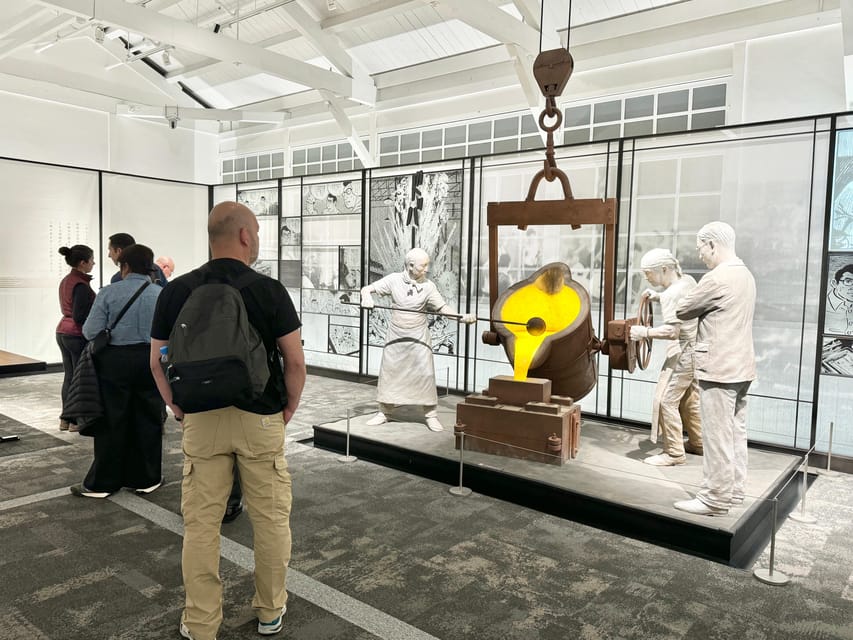
This tour is a museum visit with active viewing and standing. Bring comfortable shoes, a camera, and water.
Photography is allowed, but flash photography is prohibited in certain areas. That’s the kind of rule that can be easy to miss if you assume every exhibit is the same. Keep your flash off and take photos normally, and you should be fine.
Because the tour involves operational machinery, you might find yourself turning your attention back and forth between the machine and the guide’s explanation. Having your camera ready helps, but don’t let it break your flow. The point is to learn, not just collect photos.
Who should book this Toyota Commemorative Museum guided tour
This is a great match for people who enjoy industrial history, manufacturing processes, and how technology changes because of practical constraints. Toyota fans often love it, but I’d say the best fit is anyone curious about how industries evolve.
It also works well if you’re the kind of traveler who likes real demonstrations. You get textile machines in motion, then automotive production processes like pressing and welding, and you see early vehicles in context.
The tour is listed as not suitable for people with mobility impairments or wheelchair users. If that applies to you, it’s worth considering alternative arrangements or a different museum format that’s easier to navigate.
One more “fit” note: this is for the Toyota Commemorative Museum of Industry and Technology in Nagoya city. If your plan was to visit other Toyota-branded museums, make sure your day is mapped to the correct location.
Should you book it? My honest take for Nagoya
If you want more than a quick museum browse, I think this guided tour is a strong booking in Nagoya. The standout is the way it links Toyota’s early textile innovations, including the G-type automatic loom, to the later automotive story, including iconic early vehicles like the Toyoda Model AA. Live machinery demonstrations also do the heavy lifting, turning abstract progress into something you can actually watch.
You should consider skipping or at least reevaluating the time you set aside if you only want cars and you dislike manufacturing-focused explanations. The museum leans into industry and process, so expect that style.
If you do book, pick the longer option when you can, especially if you like asking questions or you want time for both pavilions without rushing. And if you see a guide name like Kono in your session details, treat that as a good sign, since that kind of clear, warm explanation is exactly what makes this museum click.
FAQ
Where is the meeting point for the Nagoya Toyota guided tour?
The meeting point is next to the ticket counter inside the Toyota Commemorative Museum of Industry and Technology, where the guide holds a yellow DeepExperience logo sign.
How long is the tour?
The duration ranges from about 90 minutes up to 3 hours, depending on the option you choose.
Is the tour guided in English?
Yes, the live tour guide is English.
Does the ticket include both the Textile Machinery Pavilion and the Automotive Pavilion?
Yes. Admission and access to both the Textile Machinery Pavilion and the Automotive Pavilion are included.
Is this the same as the Toyota Kaikan Museum in Toyota City or the Toyota Automobile Museum in Nagakute City?
No. This is a visit to the Toyota Commemorative Museum of Industry and Technology in Nagoya city, not the Toyota Kaikan Museum in Toyota City, and not the Toyota Automobile Museum in Nagakute City.
What are the photography rules inside the museum?
Photography is allowed, but flash photography is prohibited in certain areas.
What should I bring?
Bring comfortable shoes, a camera, and water.
When is the museum closed?
The museum is closed on Mondays, or the following day if Monday is a national holiday.
Is the tour suitable for wheelchair users or people with mobility impairments?
No. It is listed as not suitable for people with mobility impairments or wheelchair users.
Fresh options around Nagoya
- From Nagoya: Eihoji, Enakyo, Magomejuku & Tsumagojuku Day Tour★ 4.0 · 13 reviews
- From Nagoya: Hida Takayama & Shirakawago Tour (Small Group)★ 5.0 · 13 reviews
- Walking Small-Group Nagoya City Tour★ 5.0 · 13 reviews
- Nagoya Private Tour with a Local: Highlights & Hidden Gems★ 5.0 · 13 reviews
- Nagoya: Traditional Japanese Sweets-Making Workshop★ 4.6 · 14 reviews
- Nagoya Private Custom Tour with Local Guide★ 5.0 · 15 reviews
- Nagoya: Customized Private Tour★ 4.6 · 15 reviews
- Pub Crawl in Nagoya★ 5.0 · 15 reviews
Nagoya Tours, compared.
![Hiking the Historic Nakasendo Trail [1 Day Tour from Nagoya]](https://review-japan.com/wp-content/uploads/hiking-the-historic-nakasendo-trail-1-day-tour-from-nagoya-400x267.jpg)
Hiking the Historic Nakasendo Trail [1 Day Tour from Nagoya]
Read our review →
Nagoya Highlight Tour guided by a friendly local
Read our review →
Japanese Traditional Sweets making and Tea Ceremony
Read our review →
Magome-juku, Tsumago-juku & Ena-kyo 1d Bus Tour from Nagoya
Read our review →
Nagoya Full-day Private Custom Tour with National Licensed Guide
Read our review →Browse the lists this tour appears in