
Reviewed · CASTLE TOURS
Japanesel Archery Experience HIROSHIMA CASTLE SHARAKU
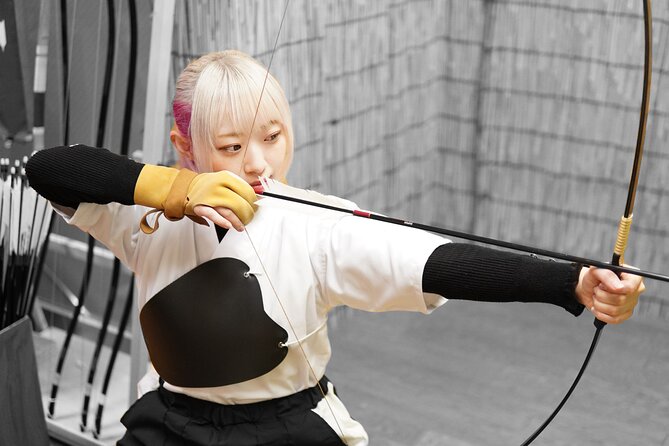
Kyudo is archery with a strict, graceful routine. In Hiroshima, I love that this is not a quick demo, it is a full practice session with traditional kyudo gear and a real chance to shoot. You start with the mindset and steps, then move into guided rounds that make the whole process feel both serious and fun.
Two things I especially like are the small group size (up to 4 people) and the fact that instruction stays practical, with clear coaching and demos. You will also get to take photos and video during the session, which turns this from just an activity into an easy memory.
One consideration: kyudo is hands-on and repetitive on purpose, so if you have arm, hand, or shoulder issues, this is not a good fit. Also, you may rely on translation support at times, so come ready to follow the routine even if you do not catch every word.
Key highlights you will feel right away
- Up to 4 participants means more personal coaching and less waiting
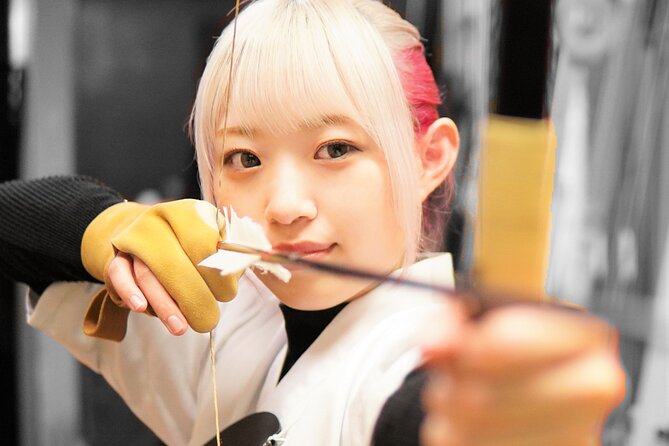
- Authentic uniform with dogi and hakama, plus traditional armor elements
- Beginner-friendly rules let you shoot even without prior skill
- Lots of arrows and rounds with clear technique checks
- Mini competition energy, including goal-based challenges if you score well
- Photo and video moments coordinated toward the end
Kyudo at Hiroshima Castle Sannomaru Ruins: your hour starts fast
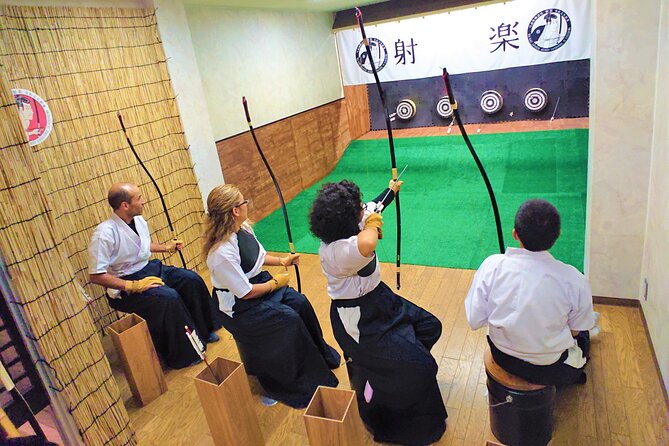
The session meets at Japanese Archery Experience HIROSHIMA CASTLE SHARAKU by Hiroshima Castle Sannomaru Ruins. The location is convenient for sightseeing days, and it is near public transportation, so you can usually fit it in without complicated planning.
The total time is about 1 hour, and the schedule is built around momentum. You will not spend the whole time standing and watching. Instead, you arrive, get dressed, learn the key points, and then you get practice time that actually builds. For me, that is the difference between a cultural stop that feels real versus one that feels like a formality.
The group limit matters. With a maximum of 4 travelers, you are not lost in a crowd. You get more moments where the instructor can correct your posture and sequence, and that helps faster than you might expect.
More castle tours near Hiroshima:
- Hiroshima; Hiroshima Peace Memorial Museum and Castle Tour
★ 5.0 · 89 reviews - Osaka Castle: Museum and Tower Entry Ticket
★ 4.5 · 2,380 reviews - Tokyo Castle & Imperial PalaceーShogun Walking Tour
★ 4.7 · 1,068 reviews
Dressing in dogi and hakama, plus armor: it changes how you move
You do not just put on a costume. You dress in an authentic kyudo outfit, including dogi (upper wear) and hakama (lower wear). The outfit adds friction in motion and changes your balance, so it is more than a photo prop.
Several parts of kyudo depend on body control, the bow draw rhythm, and consistent stance. When you wear the uniform, you naturally start behaving the way the tradition expects, including the respectful way you handle equipment and maintain form between shots. That is why this experience feels more like training than like arcade archery.
You should also expect that kyudo setup can be slightly “ritual heavy” at the start. If you prefer a casual activity where you freestyle immediately, you might feel the structure at the beginning. But if you like learning a craft step by step, the uniform helps you take the process seriously fast.
The kyudo routine: what you learn before you pull the bow
Kyudo is a Japanese martial art where shooting is tied to focus and controlled movements. The big difference from Western-style archery is that kyudo follows a traditional routine where each movement respects the equipment and the target space.
In your session, the instructor gives:
- a brief explanation of kyudo as a discipline
- instructions on the correct routine
- demonstrations so you can copy the sequence
- guidance that helps you shoot safely and with proper form
One helpful point for beginners is that this lesson is set up so you can enjoy the real thing even if you are new. In many traditional settings, you might be restricted until you master the basics. Here, you get enough foundation to participate.
You will also learn that kyudo is not just about strength. The target results from consistency, the timing of each action, and a clean posture. You might find your arrows behave differently than what you expect at first, including a noticeable curve in flight. That can feel surprising, but it is also part of the fun, because it rewards adjusting your aim and technique rather than overpowering the shot.
Hitting the target: practice rounds that actually teach
This is where the session earns its high marks. You do not just take one or two shots. You go through practice rounds where the instructor and assistants watch you and correct what they can.
In a typical format shared for this experience:
- each person shoots 8 arrows in a round
- the round is split into two halves, 4 shots, then 4 shots
That structure is smart. It gives you a reset point. After the first half, you can correct your stance and draw rhythm before the second half, so improvement often shows quickly.
You will likely start with a guided explanation, then move into practice shooting. During practice, the instructor and assistants keep offering technique tips. If you pick things up quickly, you may get additional rounds and time for a mini competition. If you take a little longer, you still get the core experience, plus help to get the fundamentals right.
One realistic note: if you have never shot a bow, you may get a sore arm or hand during or after. The session is designed for beginners, but kyudo uses proper form, and that uses muscles.
A few more Hiroshima days worth comparing
- Peaceful Hiroshima & Miyajima UNESCO 1 Day Bus Tour
★ 5.0 · 5,309 reviews - Hiroshima: Hiroshima and Miyajima UNESCO Sites 1-Day Tour
★ 4.9 · 2,330 reviews - Hiroshima / Miyajima Full-day Private Tour with Government Licensed Guide
★ 5.0 · 1,298 reviews - Hiroshima Historical Walking Tour – Why A-Bomb was Dropped
★ 4.8 · 893 reviews
Mini competition time: the fun pressure that improves your aim
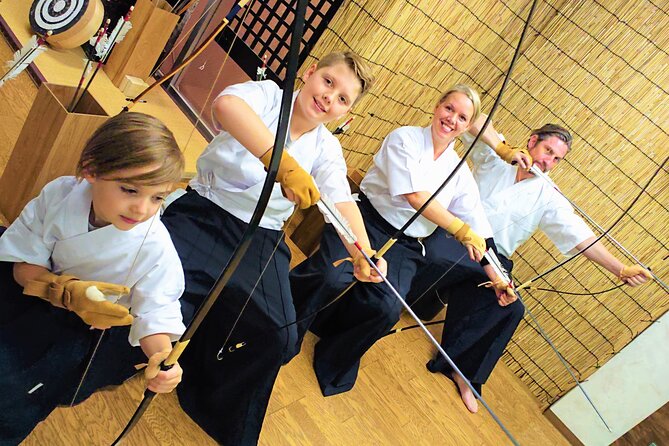
After the basics and practice, you switch into a more playful mode. The tone becomes competition-like, where you shoot for score and follow the same disciplined routine.
I like that this mini competition stays friendly. The goal is not to embarrass you. It is to help you focus. When the target is not just a blank circle but something you are trying to score on, your form tends to tighten naturally.
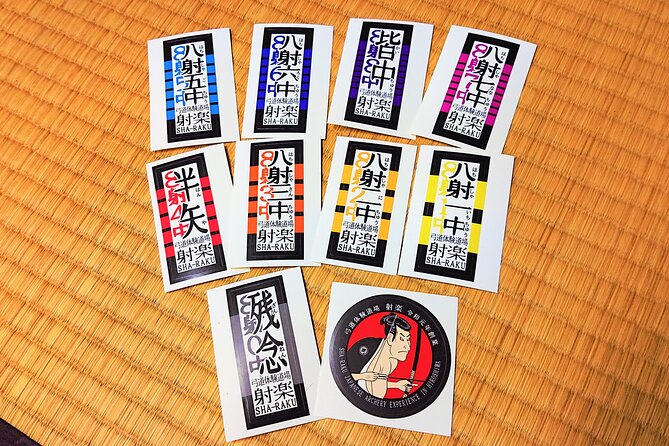
There is also a playful incentive mentioned for high achievement: if you hit all 8 in a round, you get a special spot on the wall. Even if you do not reach that level, you still get the satisfaction of seeing improvement over successive arrows.
If you want a tip for the competition part, it is simple: treat each half-round as a short lesson. Fix one thing at a time. Do not panic if the first few shots miss. Kyudo rewards calm repetition.
Instructors and translation support: what to do if you do not speak Japanese
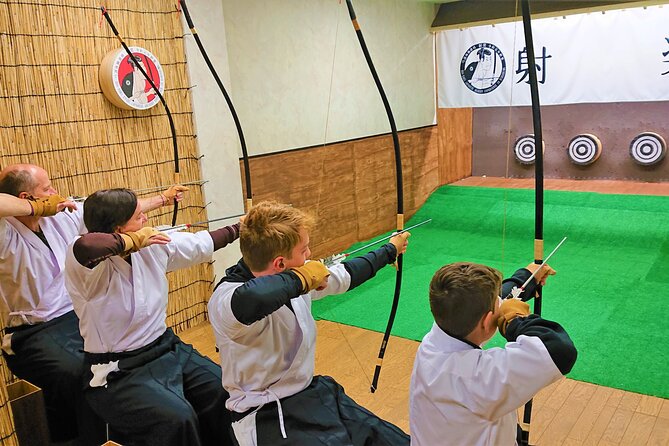
Communication is a big deal in any skills class. For this kyudo session, the instructor may have limited English depending on the day, but support is provided using translation technology when needed. You might see a tablet-based translator used to convey instructions clearly.
What this means for you in practice:
- You should listen for the cue phrases and watch the demonstration closely.
- If something is not clear, ask the instructor to point to your stance or to repeat the step.
- Try not to rush. Kyudo timing is part of the technique.
This is also one reason the small group format works. When you are not competing with noise and crowding, translation and correction land faster.
One more practical note from the training vibe: you may be asked to handle equipment carefully and only touch it when instructed, since kyudo tools are traditional and can be expensive. So, follow directions and do not grab gear when you are not supposed to.
Equipment and photo moments: getting your shots and your souvenirs
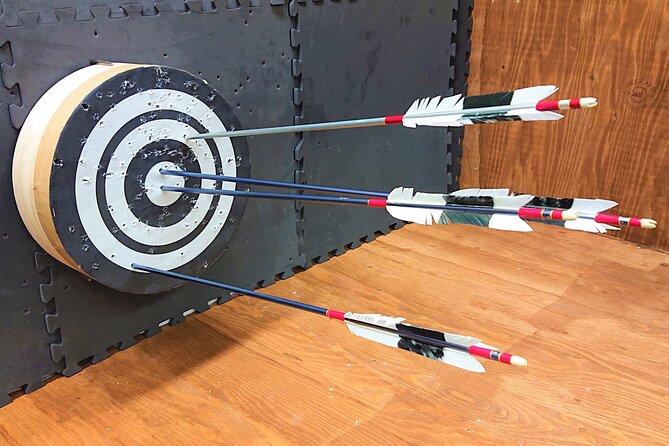
You will use traditional-quality equipment and shoot from the kyudo range under guidance. The session includes proper training steps, and the routine emphasizes respectful handling and controlled movements.
Near the end, the instructor helps capture photos and video. A bunch of people enjoy this because your hands are busy during the shooting, and it is hard to film yourself well. Having someone coordinate pictures toward the end makes it easier to leave with real proof you did the class.
If you want the best results for photos, wear your outfit clean and use a simple phone setup. Put your phone away until the end so you do not miss any instruction. Then be ready to film or pose right when they signal it.
Price and value: is $43.11 a fair deal for Hiroshima kyudo?
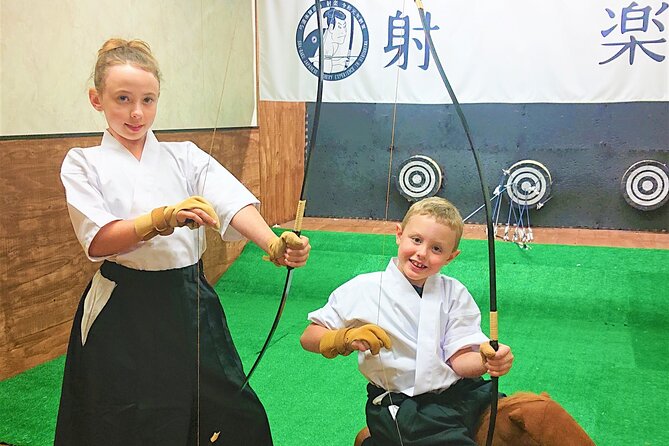
At about $43.11 per person for roughly 1 hour, this is not a bargain-by-volume activity. But for what you receive, it is good value.
Here is what you are paying for:
- authentic kyudo uniforms (not just a casual costume)
- instruction and demonstrations focused on technique
- practice time with multiple arrows
- a structured experience that leads into a mini competition
- photo and video captured during the session
- small group attention (max 4 people)
Compare that to a typical paid attraction where you might walk around for an hour without active coaching. This is an interactive skill class, and the instructor time plus equipment time is the real cost center.
If you like hands-on cultural experiences, this price feels reasonable. If you are looking for a passive cultural stop where you just observe, you might want to choose something else. But if your goal is to learn a distinctive Japanese tradition and actually shoot, this is a solid use of your time.
Who should book this kyudo session, and who should skip it
This is a strong fit if you:
- want a different activity than temples and shopping
- enjoy structured lessons where you get guidance
- are traveling as a couple or family, since the group is small
- want authentic photos in traditional uniform
It is also good if you like challenges that build quickly. Many people notice improvement during the hour when they follow the routine and get coaching during practice halves.
Skip this if:
- you have arm, hand, or shoulder injuries or disabilities that could be aggravated by bow training
Also consider your comfort with a disciplined pace. Kyudo has rules and sequence. If you get frustrated by “slow at first” lessons, you might feel impatient initially. But if you can relax and copy the routine, the experience tends to click as you shoot more arrows.
Tips to make your session smoother
A few practical things will help you enjoy it more:
- Arrive with a flexible mindset. The first minutes can feel instructional and formal.
- Wear comfortable clothes you can adjust around the uniform process.
- If you do not speak much Japanese, rely on watching first, then listening. Translation support helps, but visuals carry a lot.
- Expect you might get a little sore in your shooting arm afterward.
- Do not rush between arrows. Kyudo timing matters.
These small choices help you get the most out of the practice rounds and the mini competition portion.
Should you book Japanese Archery Experience HIROSHIMA CASTLE SHARAKU?
Book it if you want a genuinely Japanese, hands-on activity in Hiroshima that goes beyond sightseeing. The combination of authentic kyudo dress, structured instruction, multiple arrows, and a playful scoring moment makes it one of those experiences that feels like you did something real, not just passed through.
Do not book it if you cannot participate in arm and shoulder movement, or if you need an activity where language barriers never matter. There is translation support, but kyudo is still a physical skill with a sequence you must follow.
If you are deciding between another casual afternoon and a focused hour, I would pick the kyudo session. It is memorable, photogenic, and surprisingly satisfying when your form improves and the arrows start landing where you aimed.
FAQ
How long does the Japanese Archery Experience in Hiroshima take?
It lasts about 1 hour.
Where is the meeting point for this kyudo experience?
The meeting point is Hiroshima Castle Sannomaru Ruins, 21-7-2 Motomachi, Naka Ward, Hiroshima, 730-0011, Japan, at Japanese Archery Experience HIROSHIMA CASTLE SHARAKU.
Is this activity suitable for beginners?
Yes. The lesson provides an introduction to kyudo and instruction so you can enjoy the real experience even as a complete beginner.
What is the group size?
The experience has a maximum of 4 travelers.
What should I know about language support during the lesson?
You can use translation apps, and instruction is supported even if you do not speak Japanese. A tablet translation approach may be used when needed.
Do I get to shoot arrows, or is it just watching?
You will be taught the process and then learn to shoot arrows at the target with practice during the session.
What is the cancellation policy?
Free cancellation is available up to 24 hours in advance for a full refund. If you cancel less than 24 hours before the start time, the amount paid is not refunded.
Fresh options around Hiroshima
- Hiroshima and Miyajima Full Day Private Tour★ 4.5 · 19 reviews
- 4 Hour Miyajima PRIVATE Tour★ 5.0 · 19 reviews
- Hiroshima Private Walking Tour with a Local★ 4.5 · 19 reviews
- Hiroshima Scenic Cycling Guided Tour★ 5.0 · 19 reviews
- Miyajima Guided Tour and Fresh Oyster Farm Tour★ 5.0 · 20 reviews
- Hiroshima: Atomic Bomb Dome and Peace Memorial Museum 3 hours★ 5.0 · 20 reviews
- Hiroshima: Tour of Atomic Bomb Dome & Peace Memorial Museum★ 5.0 · 20 reviews
- Hiroshima: City and Miyajima Bike and Boat Tour★ 5.0 · 20 reviews
Castle Tours, compared.
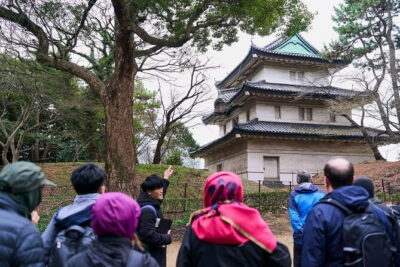
Tokyo Castle & Imperial PalaceーShogun Walking Tour
Read our review →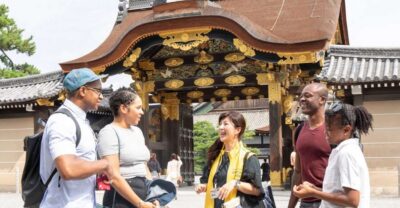
Nijo-jo Castle and Ninomaru Palace Guided Tour
Read our review →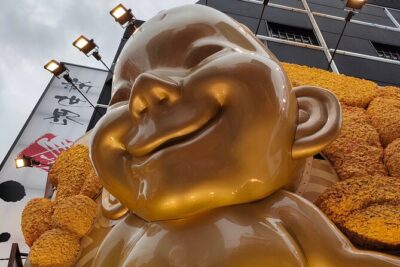
Ultimate Osaka Walking Tour: Castle, Dotonbori & Hidden Gems
Read our review →Tokyo Castle & Imperial PalaceーShogun Walking Tour
Read our review →
Nijo Castle, Kiyomizu & Fushimi Inari Guided Tour
Read our review →
Osaka Castle Walking Tour and Castle Tower Admission
Read our review →
Imperial Palace East Garden and Edo Castle Walking Tour in Tokyo
Read our review →Browse the lists this tour appears in